Letter recognition Normal Alphabet Worksheets for Ages 4-6 - Page 2
59 filtered results
-
From - To
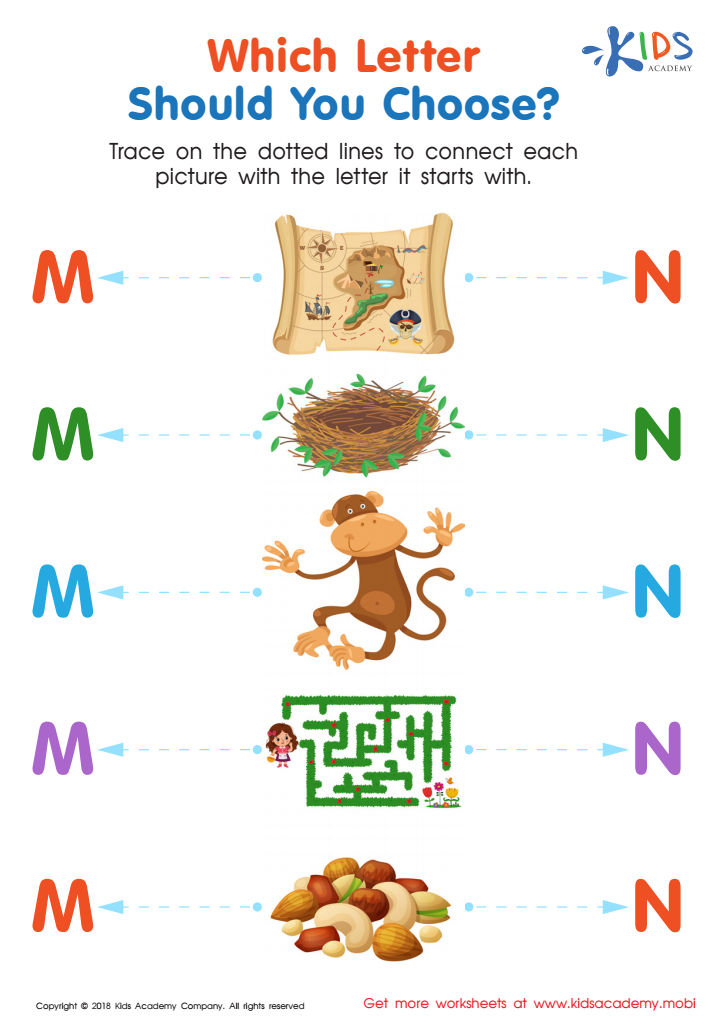
Which Letter Should you Choose? Worksheet
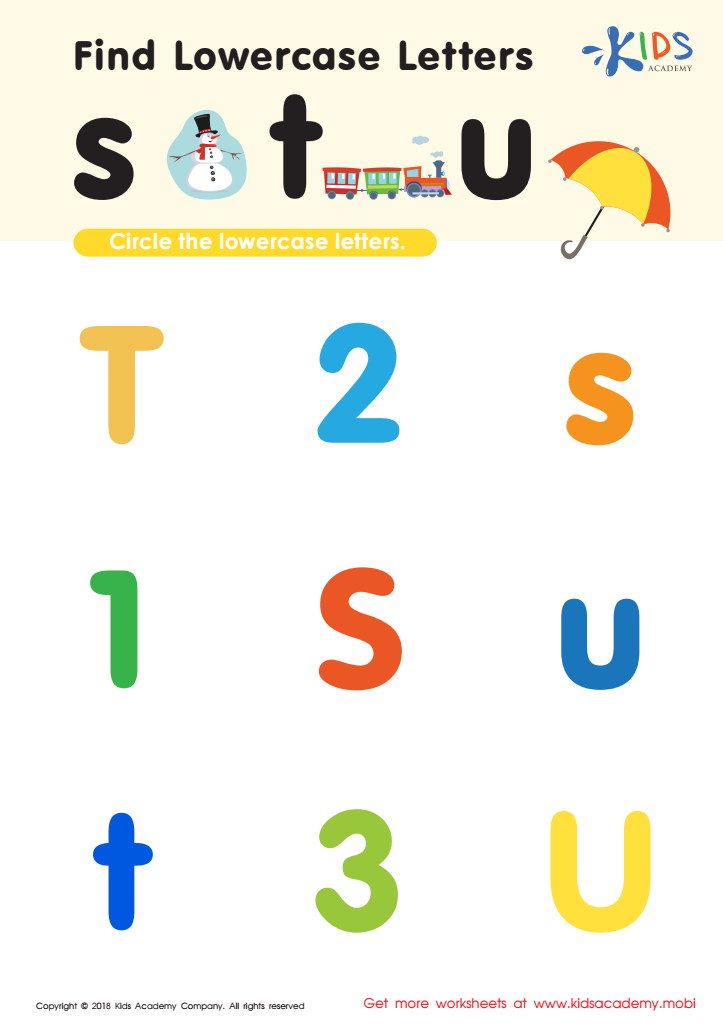
Find lowercase Letters s t u Worksheet
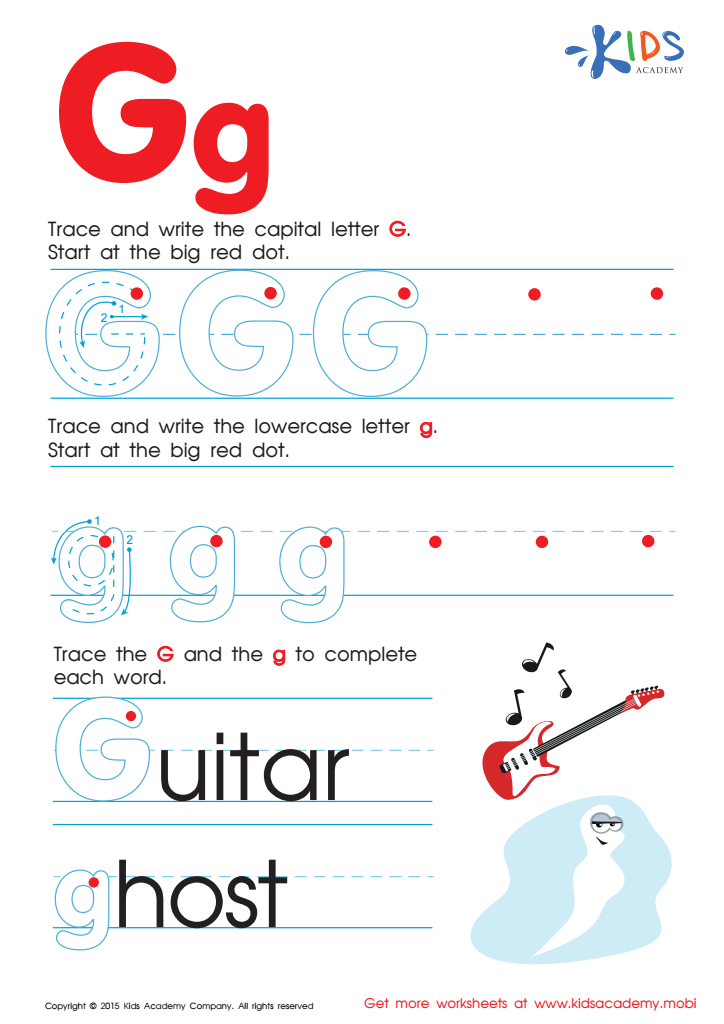
Letter G Tracing Page
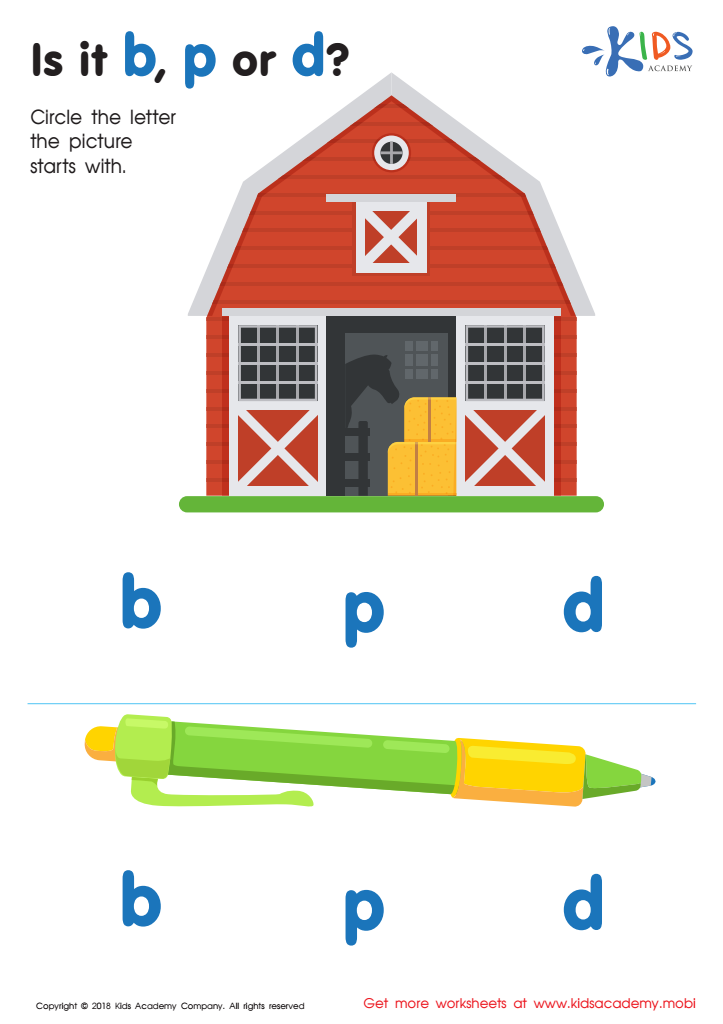
Is it b, p or d? Worksheet
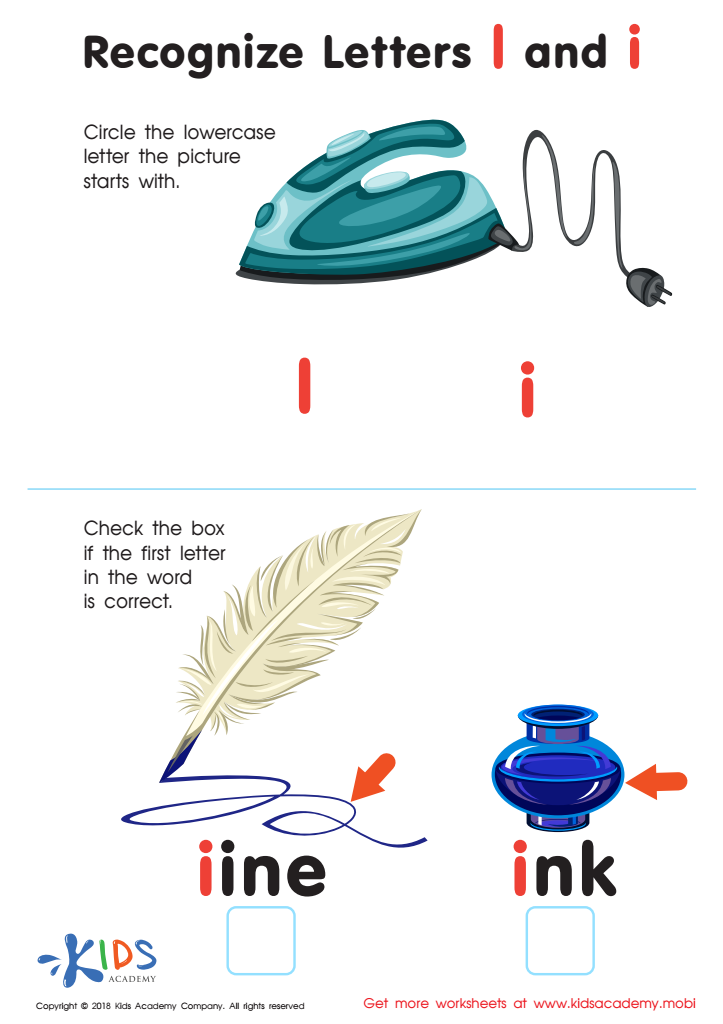
Recognize Letters l and i Worksheet
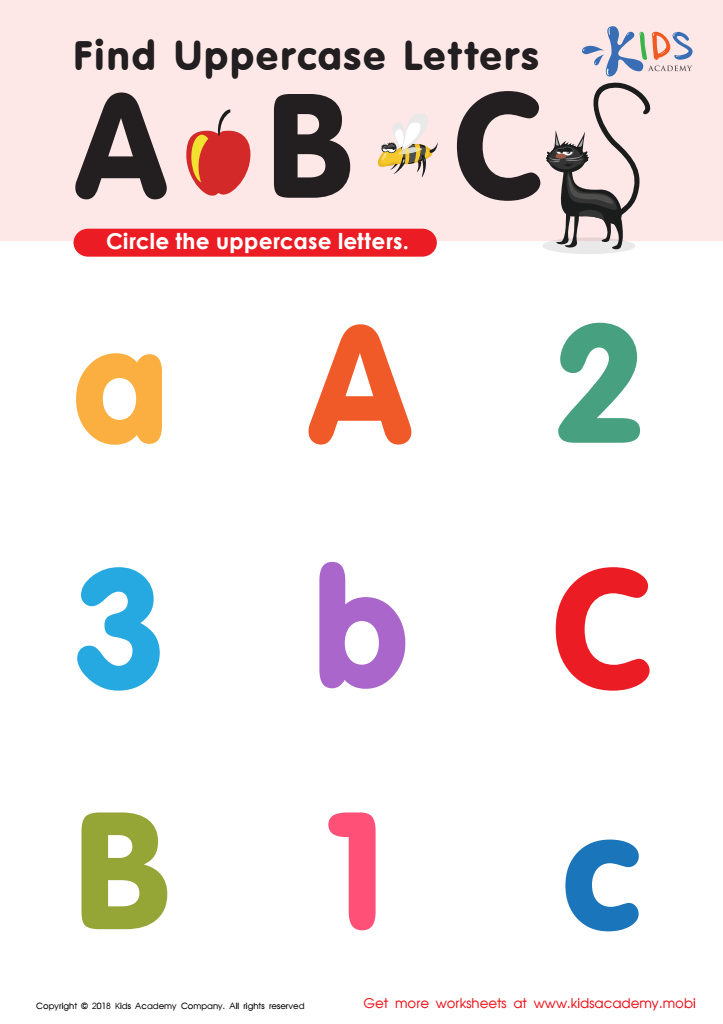
Find Uppercase Letters A, B, and C Worksheet
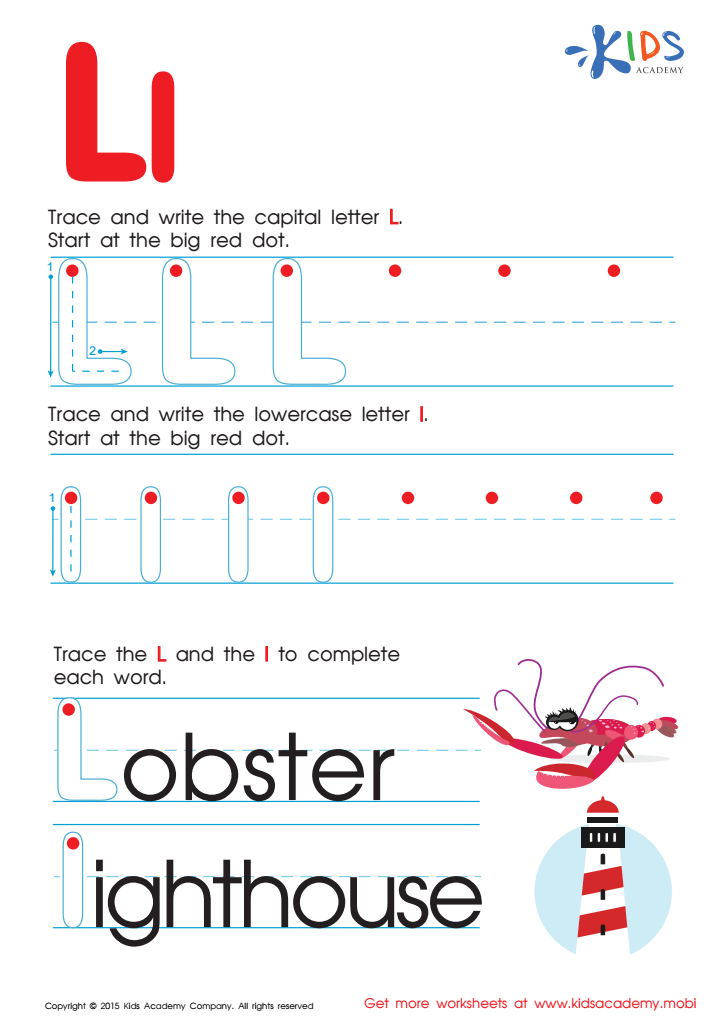
Letter L Tracing Page
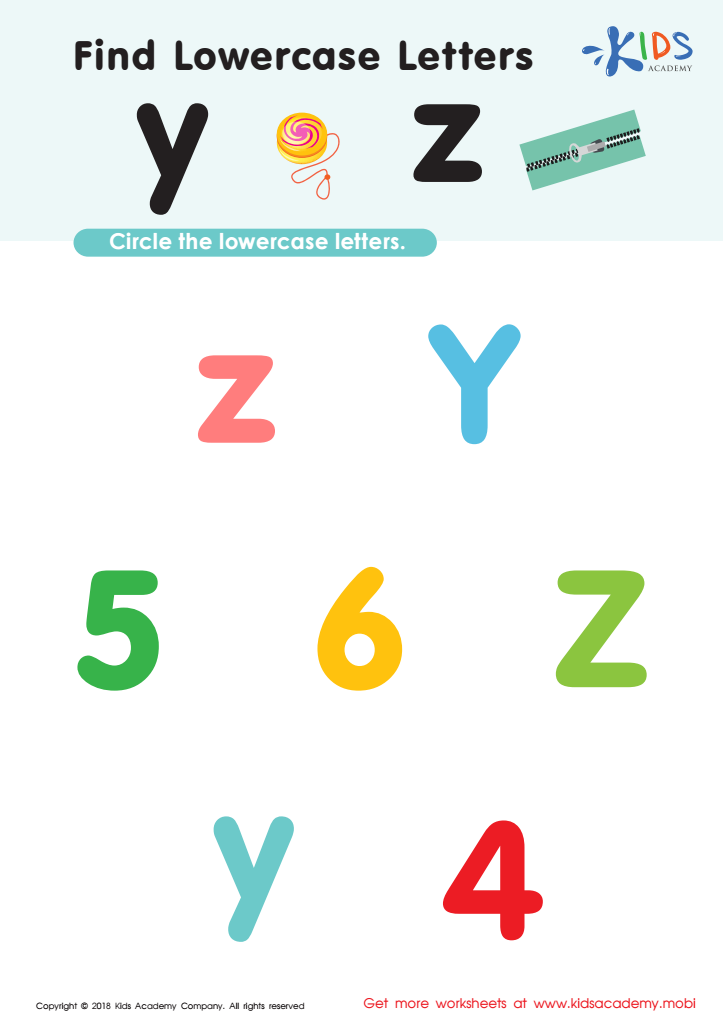
Find Lowercase Letters y z Worksheet
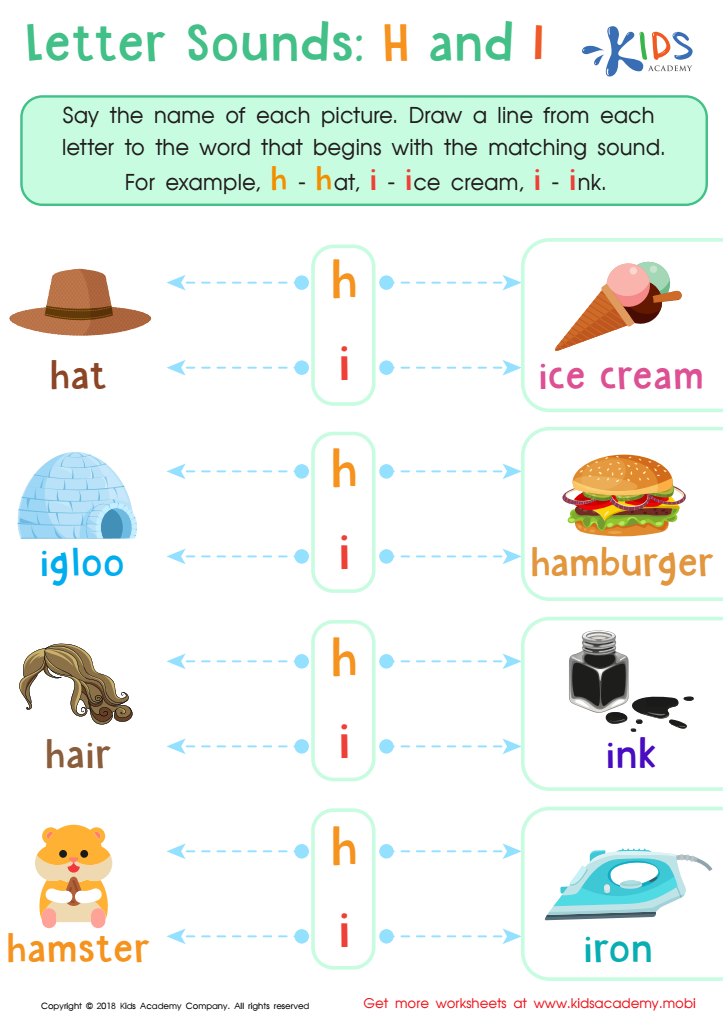
Letter H and I Sounds Worksheet
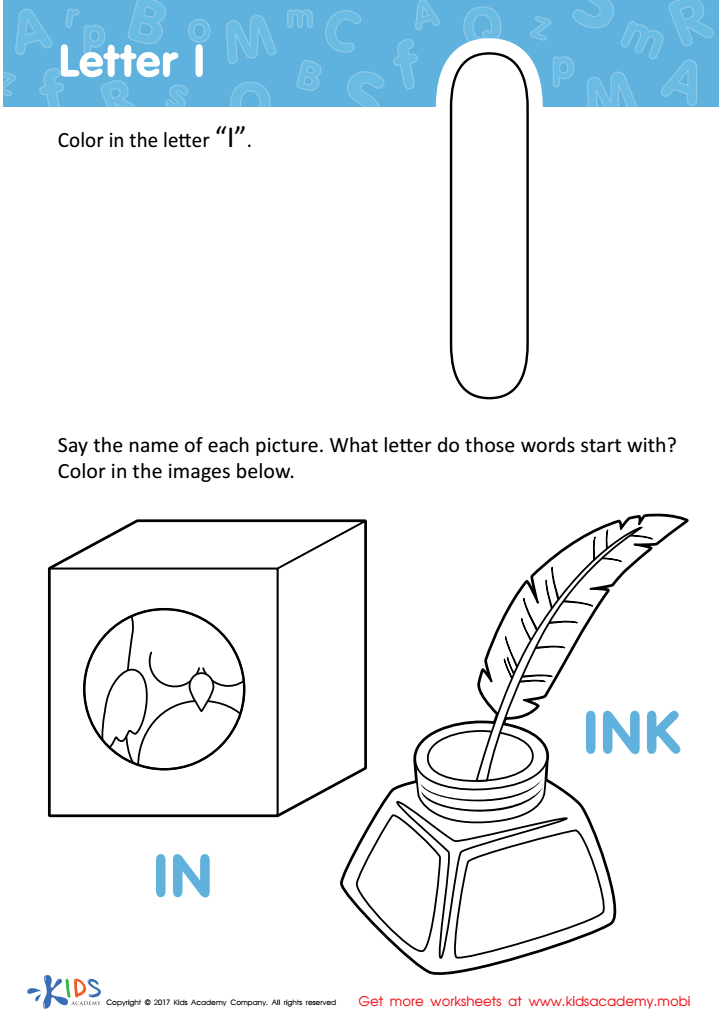
Letter I Coloring Sheet
 Assign to My Students

Long and Short U Worksheet
Assign to My Students
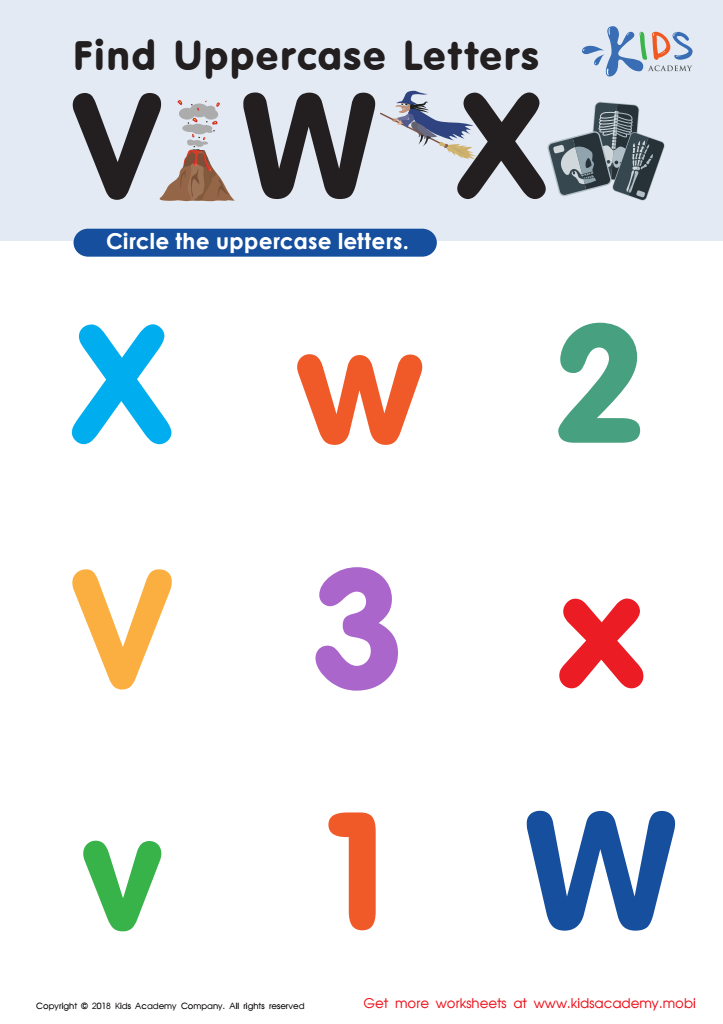
Find Uppercase Letters V, W, X Worksheet
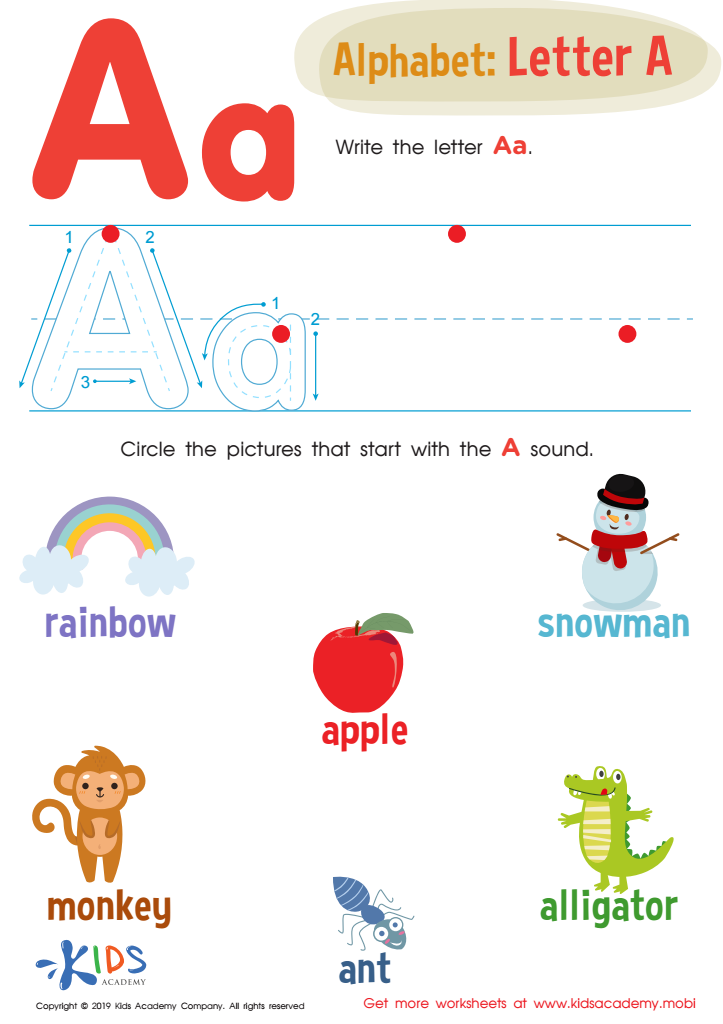
Letter A Tracing Worksheet
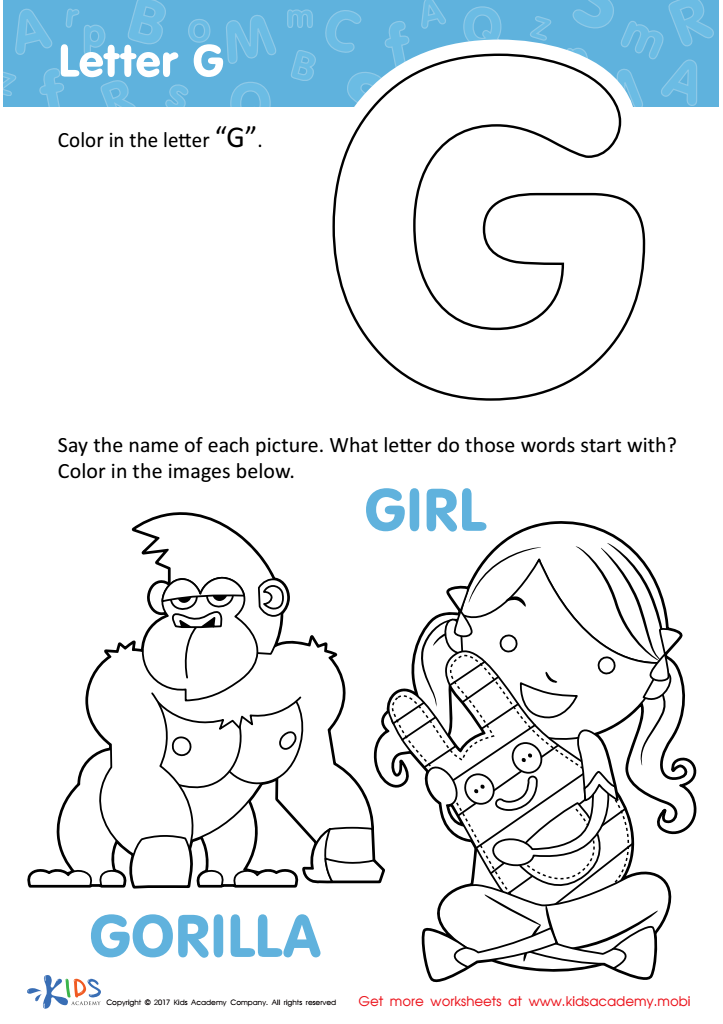
Letter G Coloring Sheet
Assign to My Students
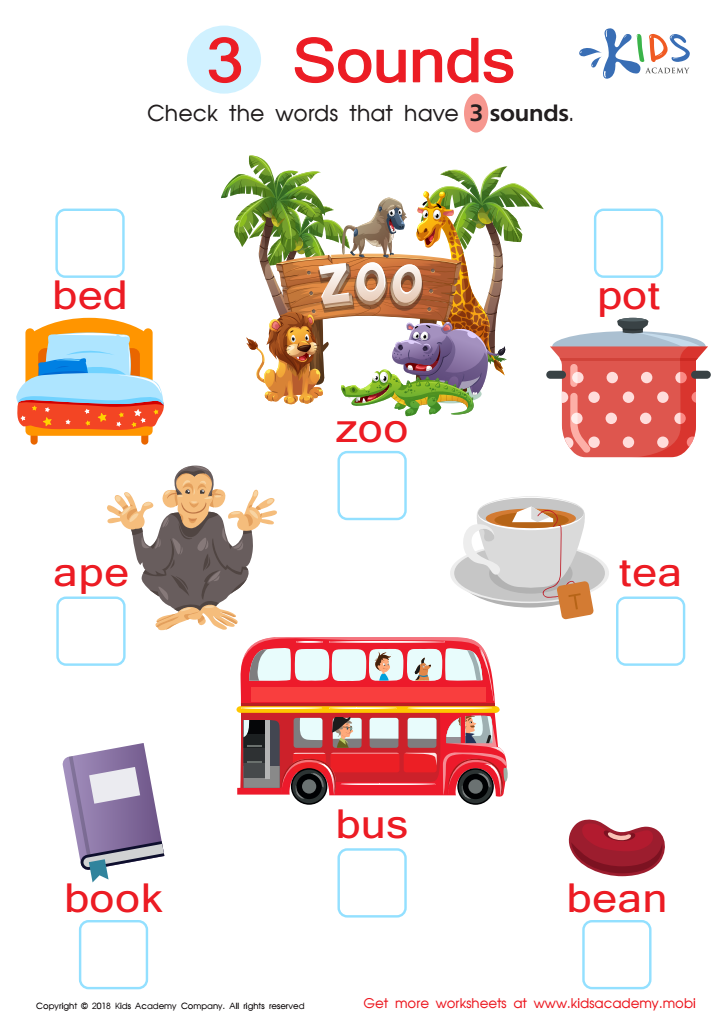
3 Sounds Worksheet
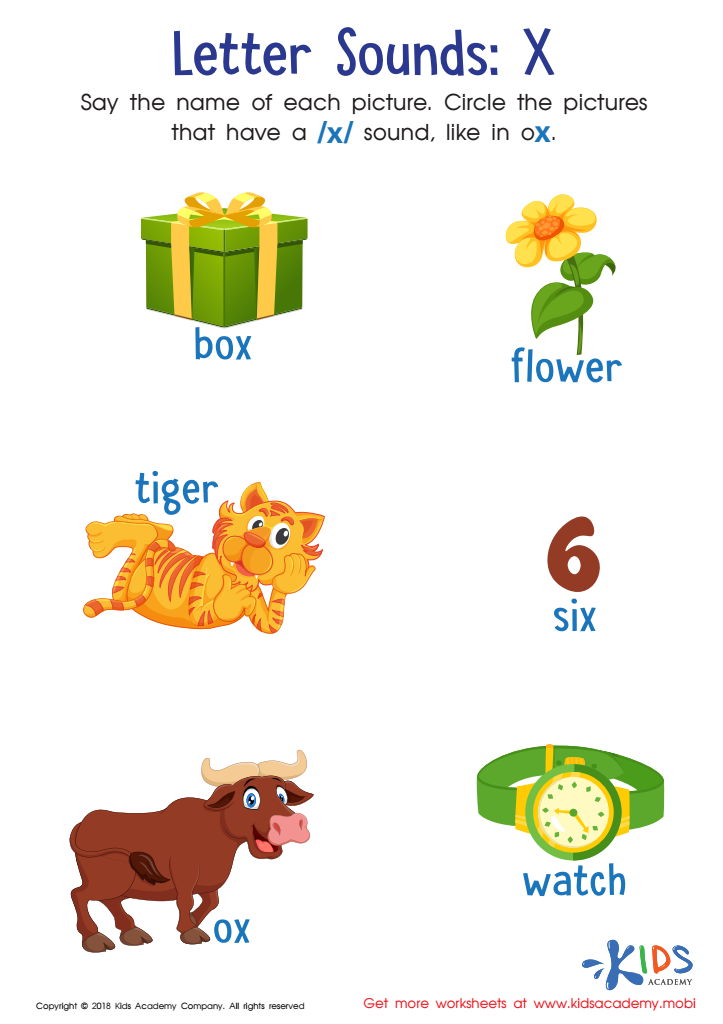
Letter X Sounds Worksheet
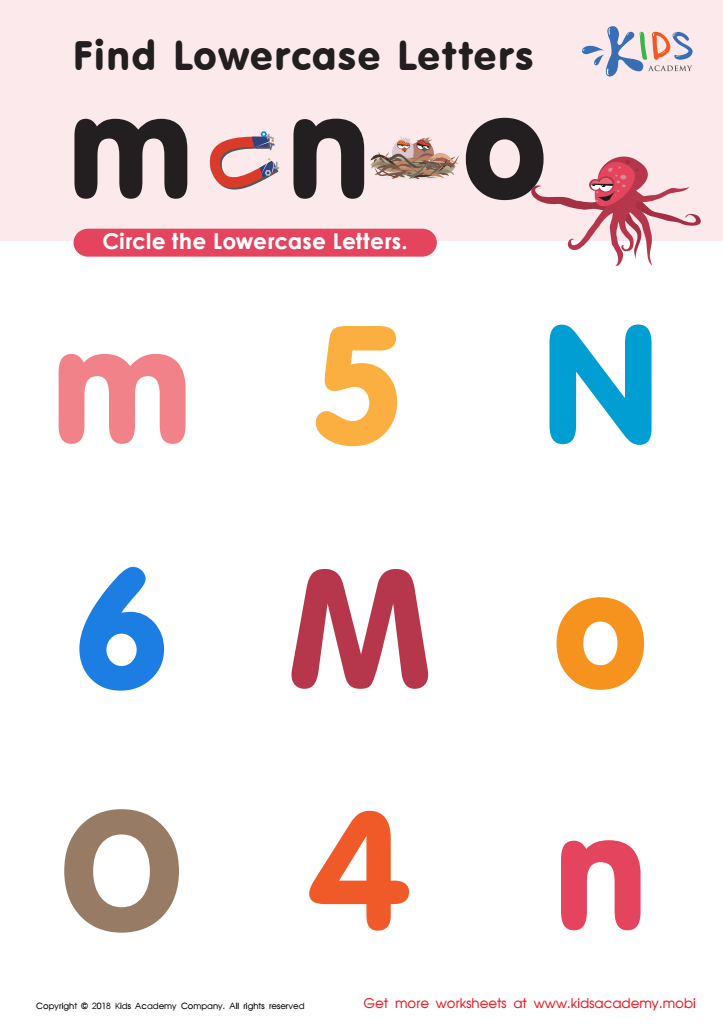
Find Lowercase Letters m n o Worksheet
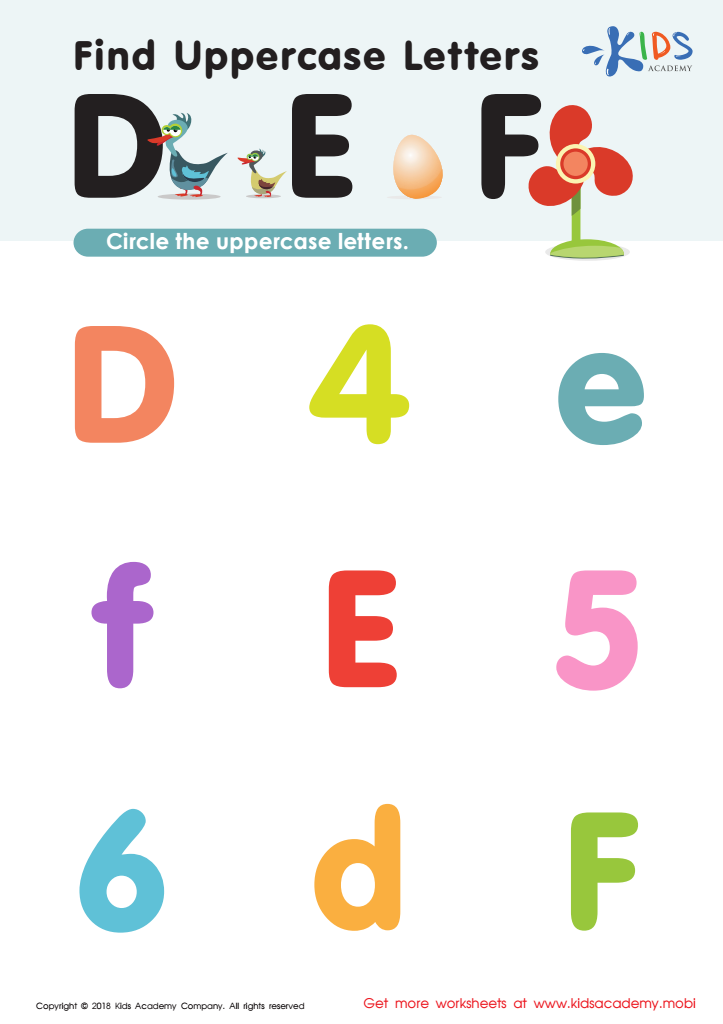
Find Uppercase Letters D, E, and F Worksheet
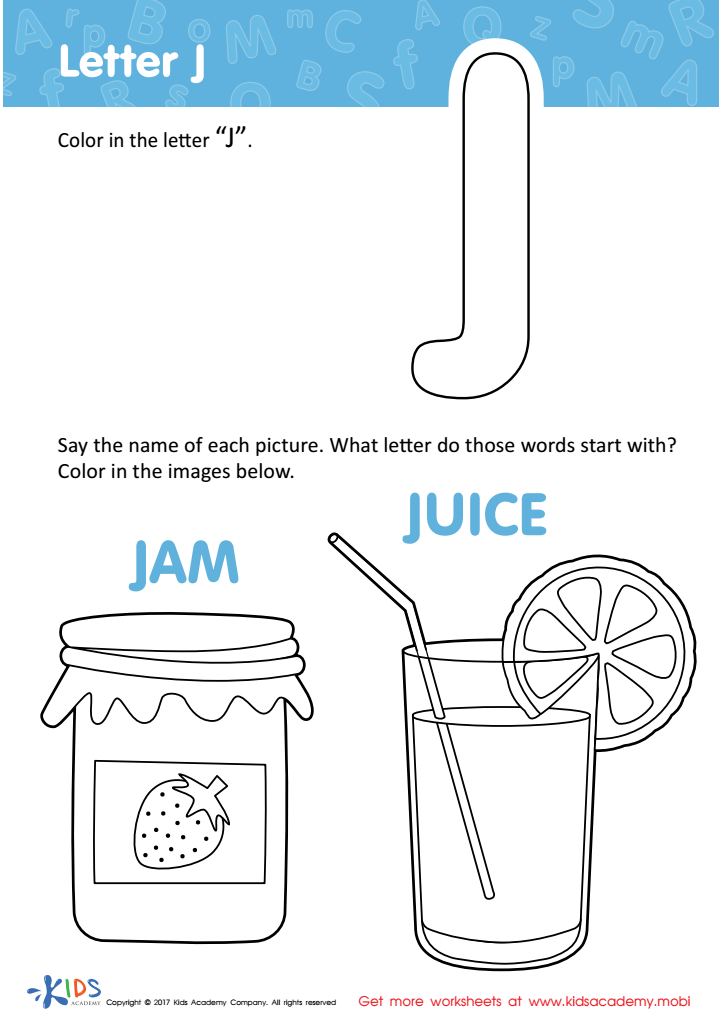
Letter J Coloring Sheet
Assign to My Students

Find lowercase letters a b c Worksheet
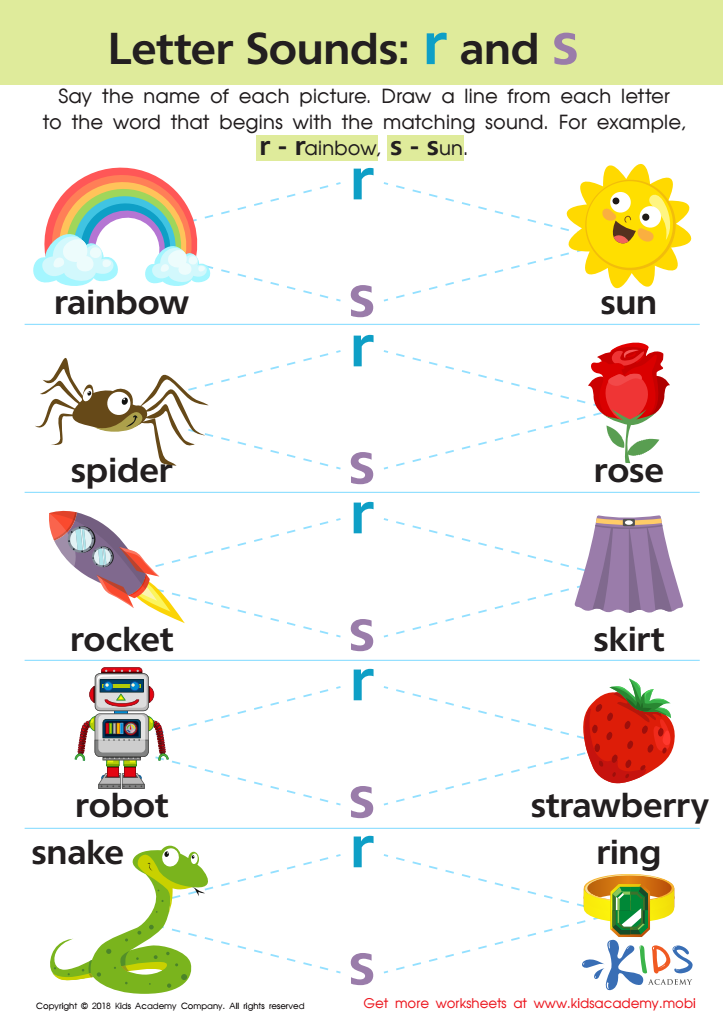
Letter R and S Sounds Worksheet
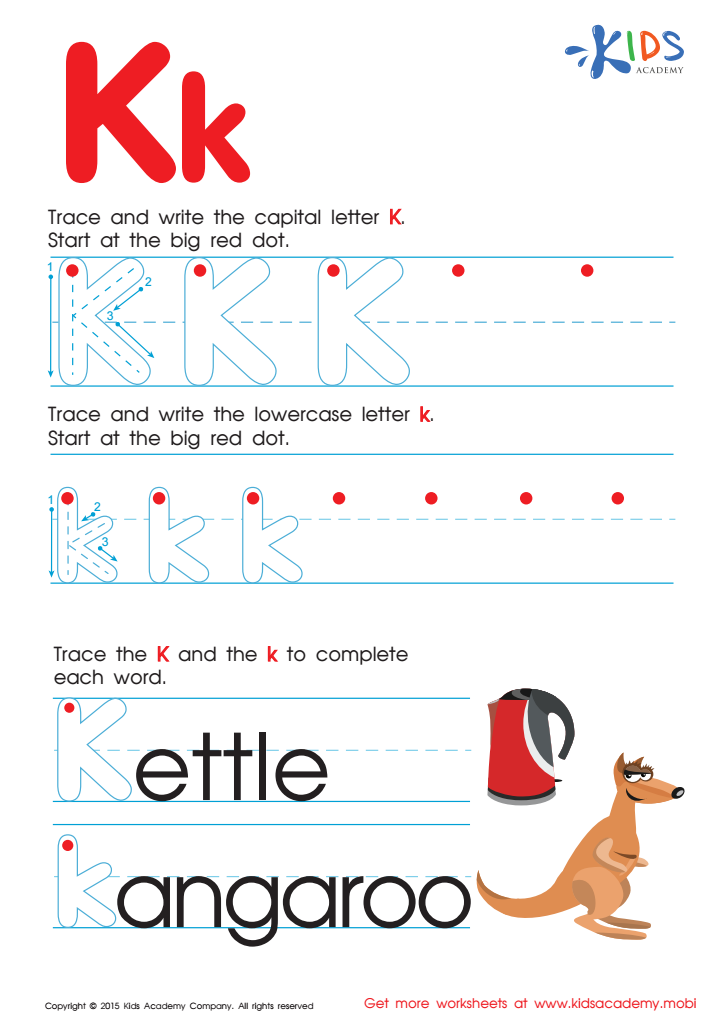
Letter K Tracing Page
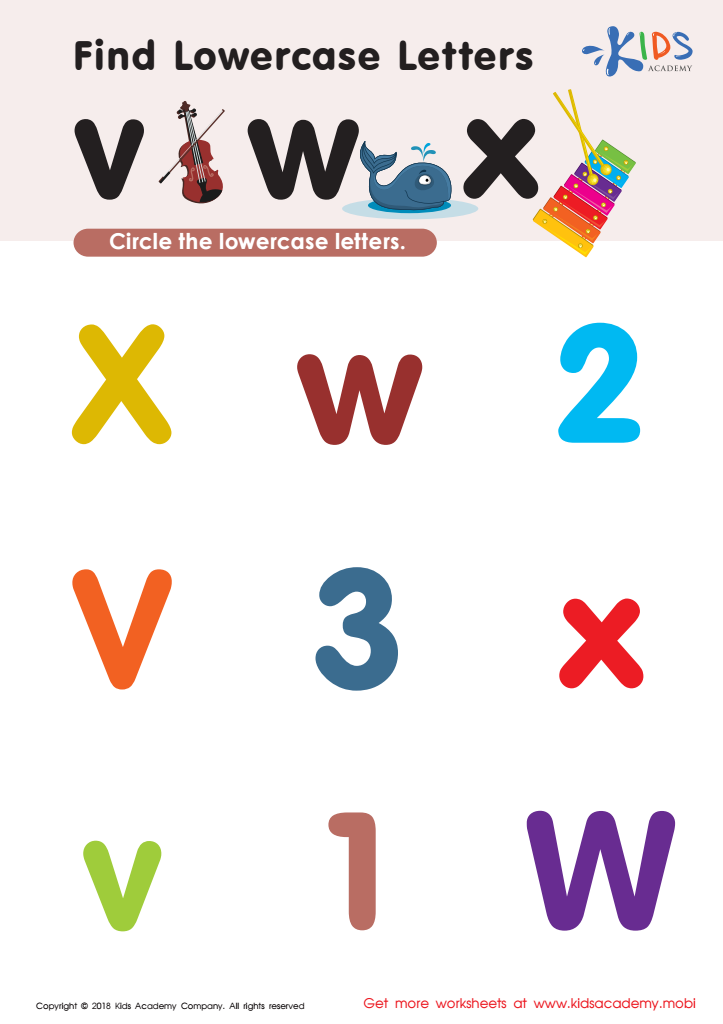
Find Lowercase Letters v w x Worksheet
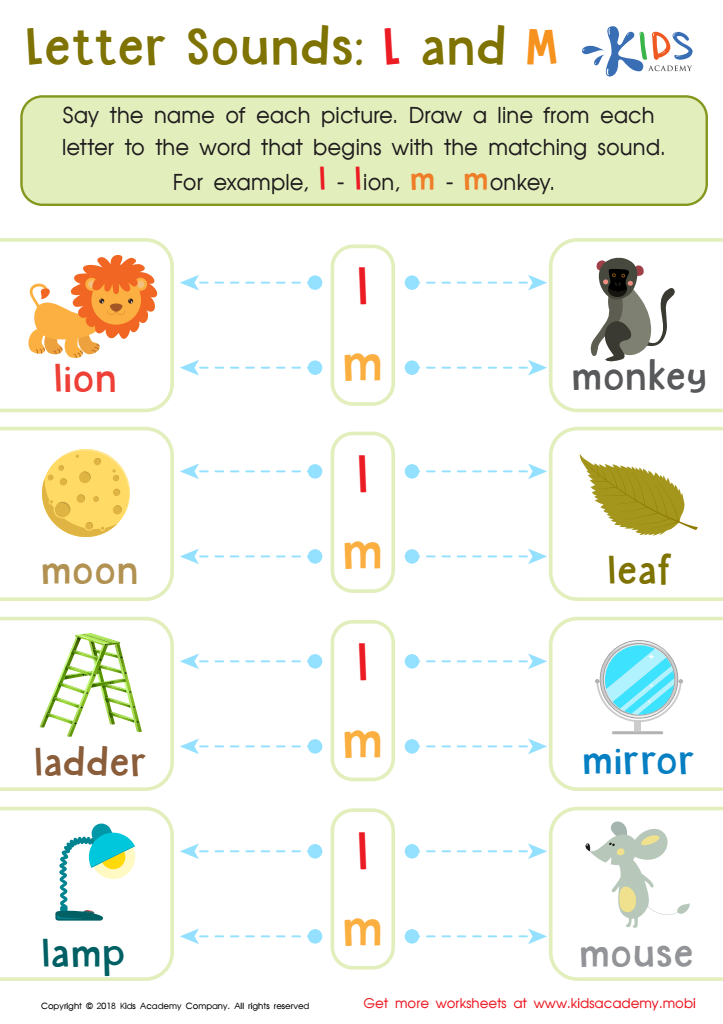
Letter l and M Sounds Worksheet





.jpg)

Letter recognition is a fundamental building block in early childhood education, particularly for ages 4-6. During these formative years, children's brains are exceptionally receptive to learning new concepts, and recognizing letters of the alphabet sets the stage for all future literacy skills.
Firstly, letter recognition is crucial for reading development. When children know the letters and their corresponding sounds, they can begin to decode words, making reading easier and more enjoyable. Early recognition also aids in vocabulary growth; the sooner children can read and identify words, the quicker they can expand their language skills.
Additionally, letter recognition helps in writing. Knowing how to form and identify letters is the first step in learning to write and spell words. This not only reinforces memory and cognitive skills but also fine motor skills as children learn to write each letter.
From a parental and teaching perspective, fostering letter recognition from an early age can prevent future academic struggles. Children who can confidently recognize letters are generally more prepared for school, showing better performance and greater enthusiasm for learning. Enhancing this skill can be achieved through a mix of play-based and structured activities, ensuring that learning is both fun and effective. Thus, prioritizing letter recognition is essential for laying a strong educational foundation.







