Reading Improvement Normal Alphabet Worksheets for Ages 4-6
6 filtered results
-
From - To
Boost your child's reading skills with our engaging Normal Alphabet Worksheets, specially designed for ages 4-6! These worksheets focus on improving reading proficiency through fun activities that encourage letter recognition, phonemic awareness, and vocabulary building. Each worksheet features colorful illustrations and interactive exercises, making learning enjoyable and effective. Help your little learner make connections between letters and sounds while developing important literacy skills. Perfect for parents and educators alike, these printable resources support early childhood education and foster a love of reading. Start enhancing your child's reading journey today with our carefully crafted worksheets!
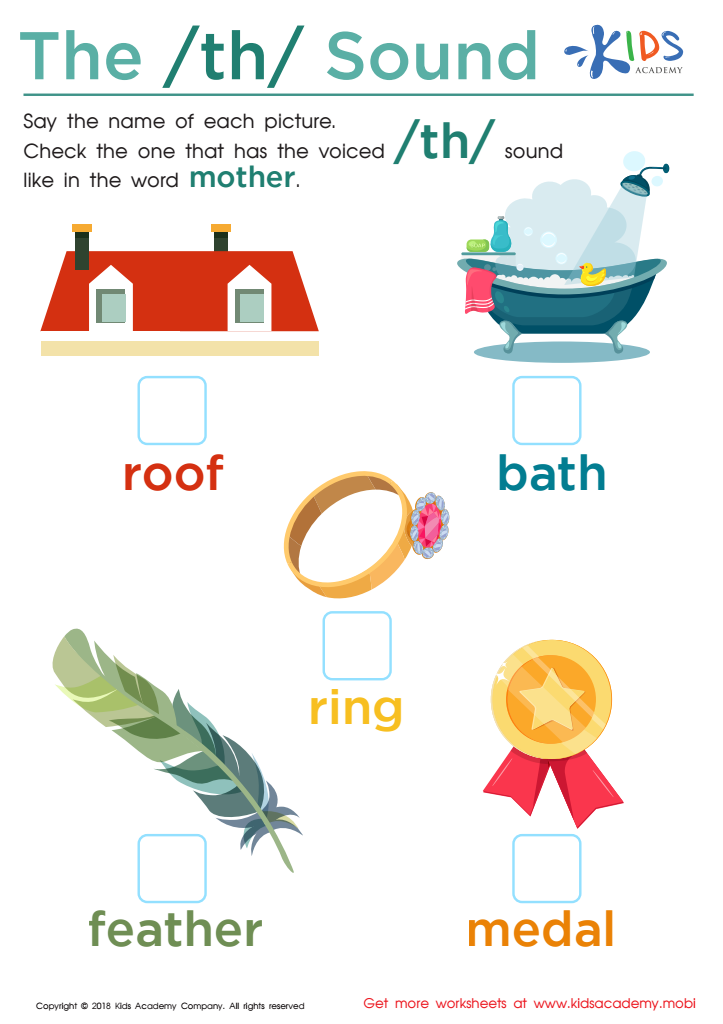
The /th/ Sound Worksheet
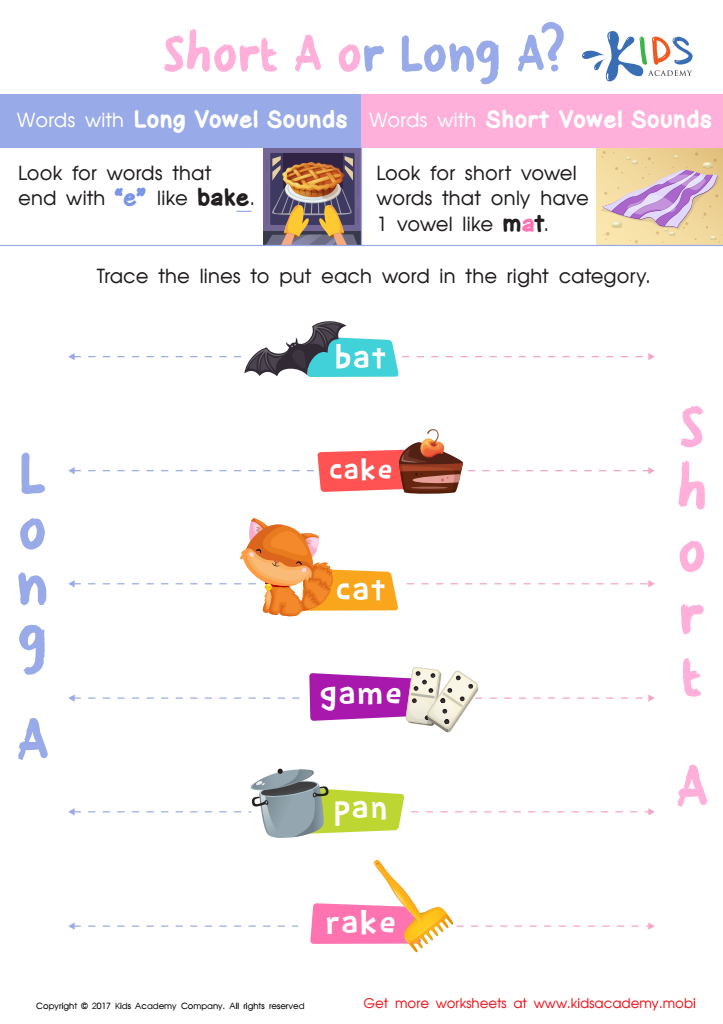
Short /a/ or Long /a/? Worksheet
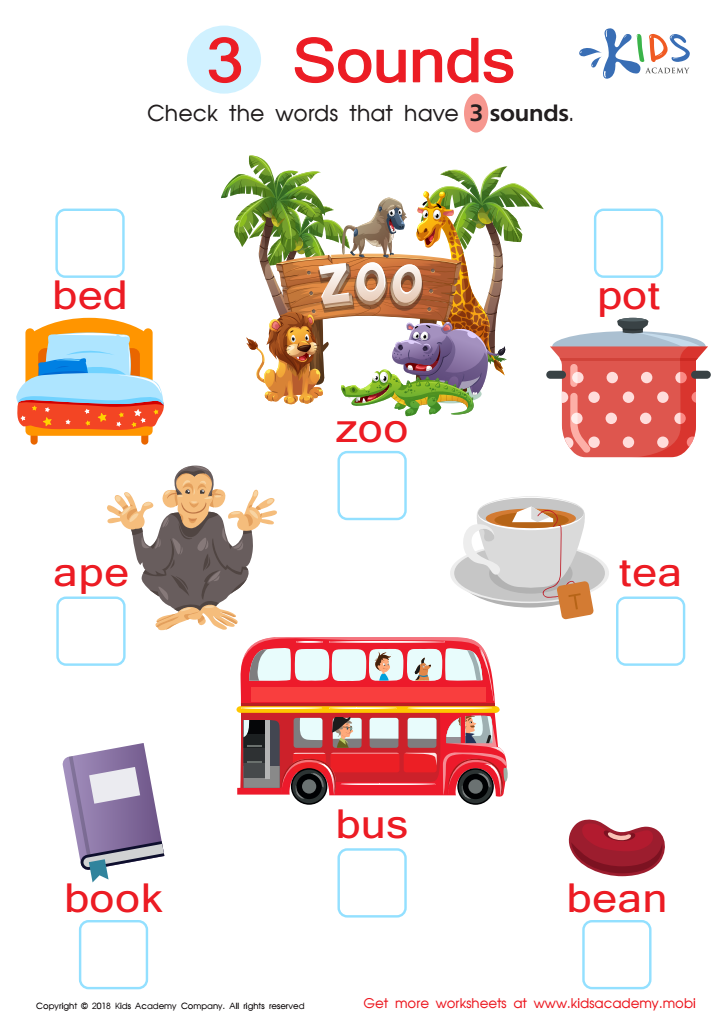
3 Sounds Worksheet
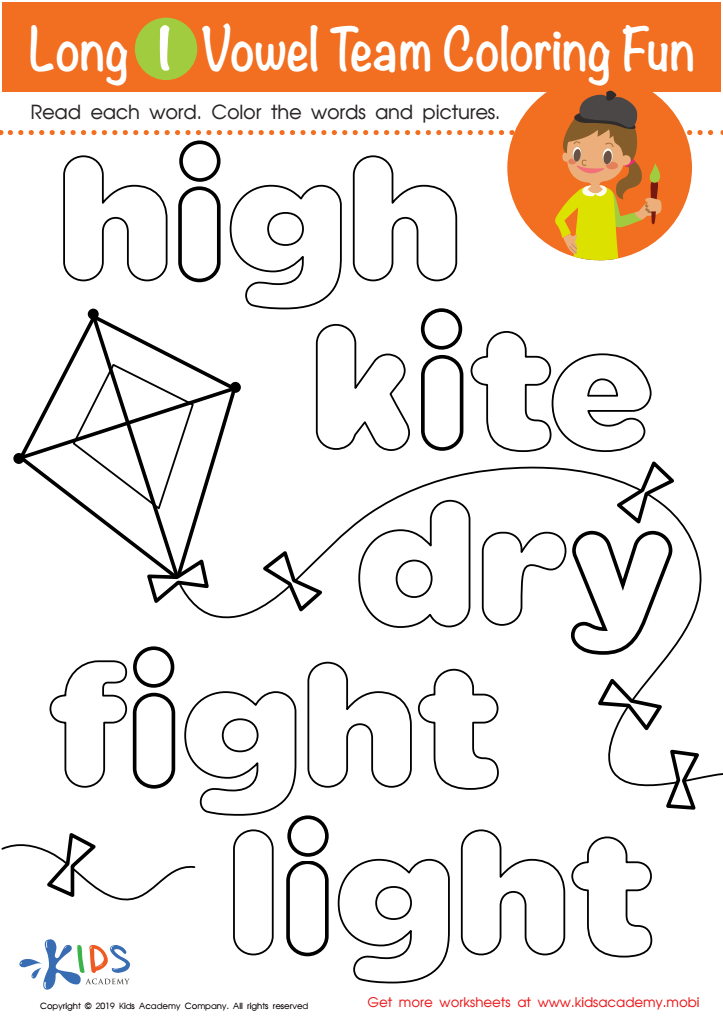
Long I Vowel Team Coloring Worksheet
 Assign to My Students
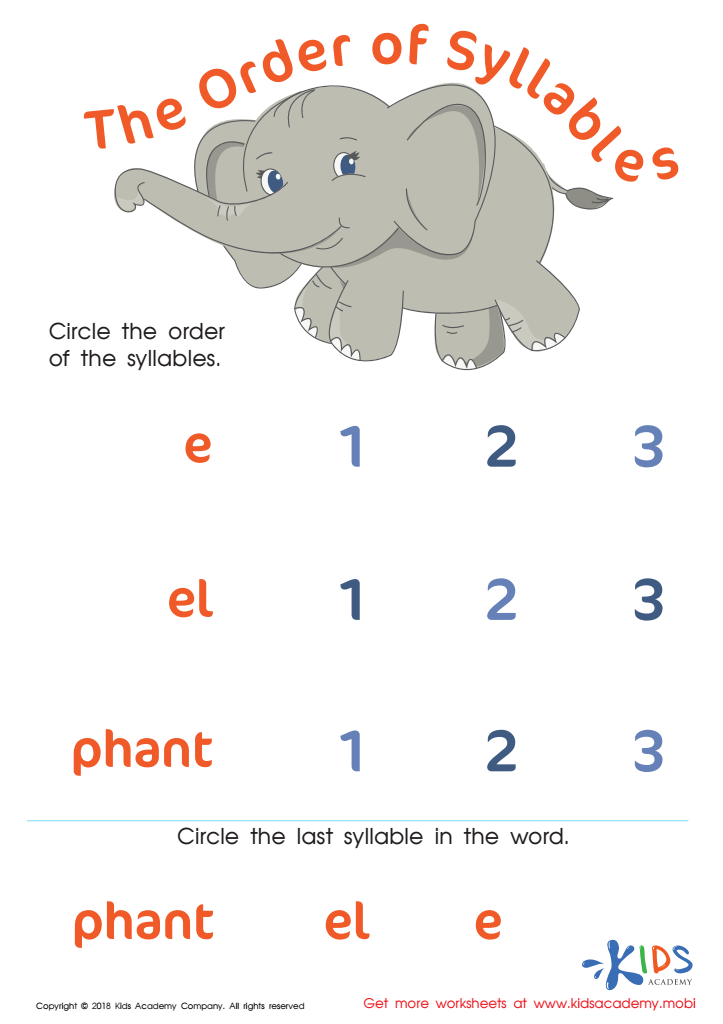
The Order of Syllables Worksheet
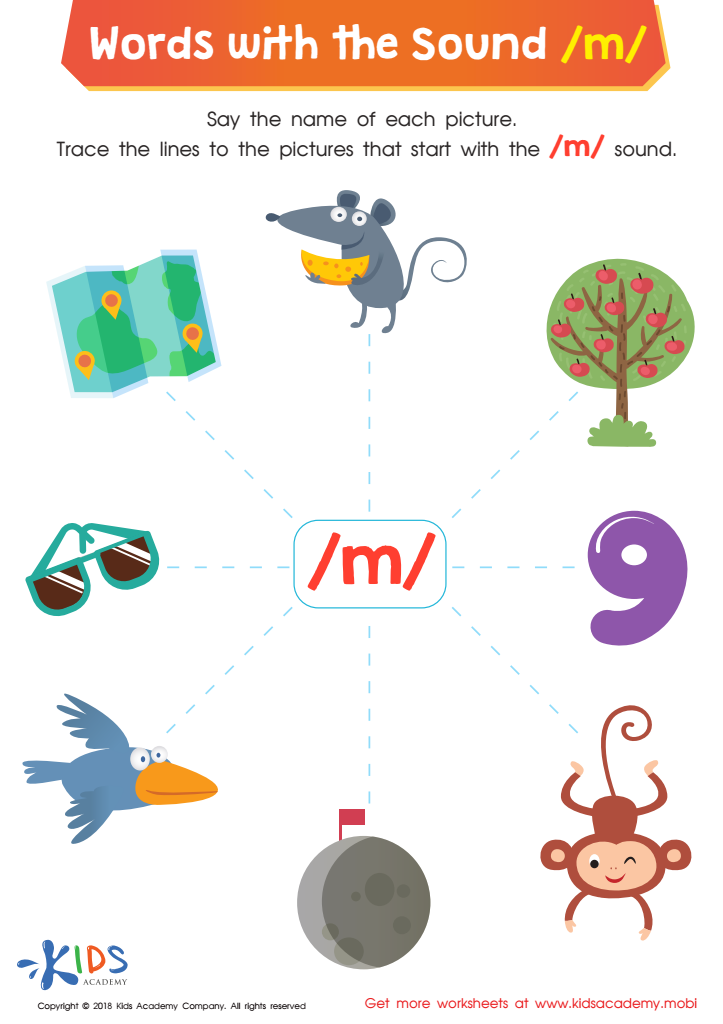
Words with Sound M Reading Worksheet







Reading Improvement Normal Alphabet (RINA) is crucial for early literacy development in children aged 4-6, which sets the foundation for lifelong learning. At this age, children are naturally curious, absorbing information rapidly, and introducing them to reading through RINA can harness their enthusiasm. The Normal Alphabet emphasizes phonemic awareness, helping children recognize letter sounds and shapes, a vital step for decoding words.
Parents and teachers should care about RINA because it promotes not just reading skills, but also cognitive development. Exposure to different words through stories boosts vocabulary, listening skills, and comprehension. It fosters critical thinking as children begin to make connections between letters and sounds, and eventually, meanings of words. Moreover, reading influences a child’s social-emotional skills by sparking imagination, empathy, and communication abilities.
By prioritizing RINA, parents and teachers can ensure that children become confident readers, ready to tackle more complex texts in later years. This early intervention instills a love for reading, transforming daily routines into enjoyable learning experiences. Ultimately, investing in early reading support through RINA contributes significantly to a child's academic success and encourages the pursuit of knowledge, creativity, and interpersonal skills throughout their educational journey.







