Letter recognition Normal Letter Sounds Worksheets for Ages 4-6
14 filtered results
-
From - To
Welcome to our Letter Recognition Normal Letter Sounds Worksheets, designed specifically for children ages 4-6! This engaging collection of worksheets helps young learners master letter sounds and recognition through fun activities tailored to their developmental stage. Each worksheet features vibrant illustrations and easy-to-follow exercises that reinforce phonetic skills and boost confidence in reading. Children will engage in interactive tasks that promote letter sound association, making learning enjoyable. Our worksheets support early literacy while aligning with educational standards. Discover the joy of learning as your child explores the world of letters and sounds today! Perfect for parents and educators alike!
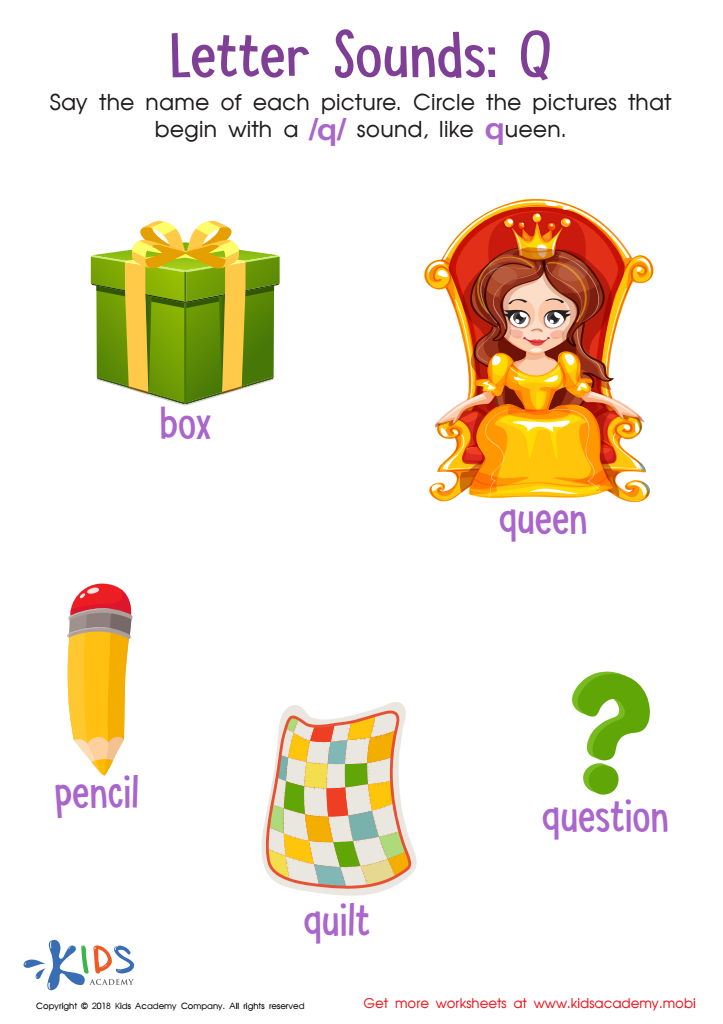
Letter Q Sounds Worksheet
 Assign to My Students
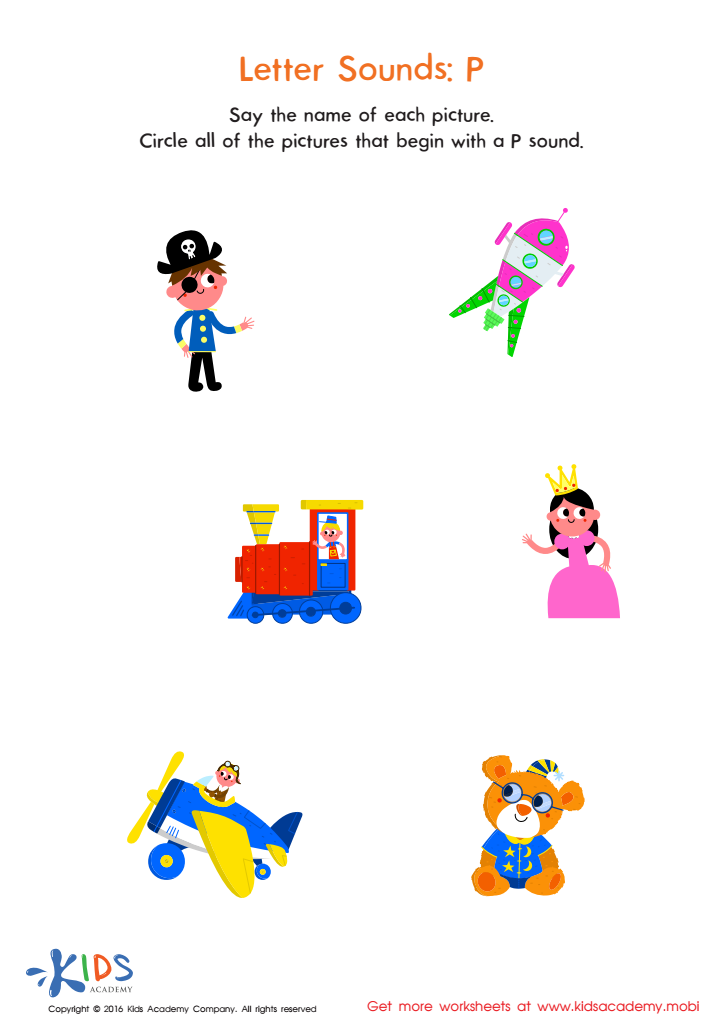
Letter P Sound Worksheet
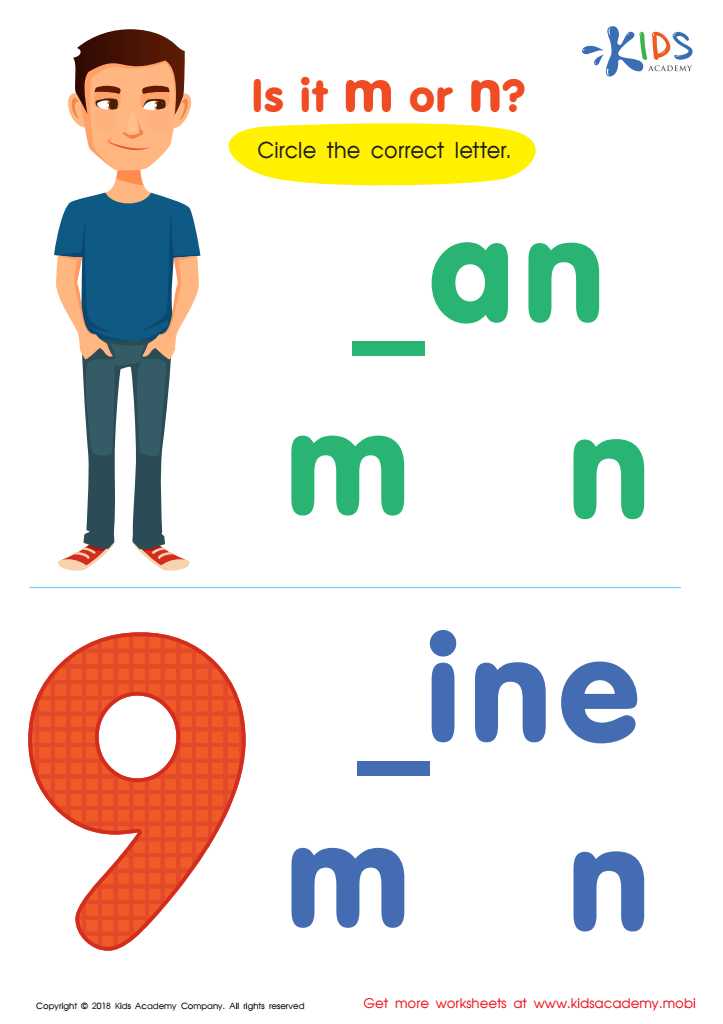
Is It m or n? Worksheet
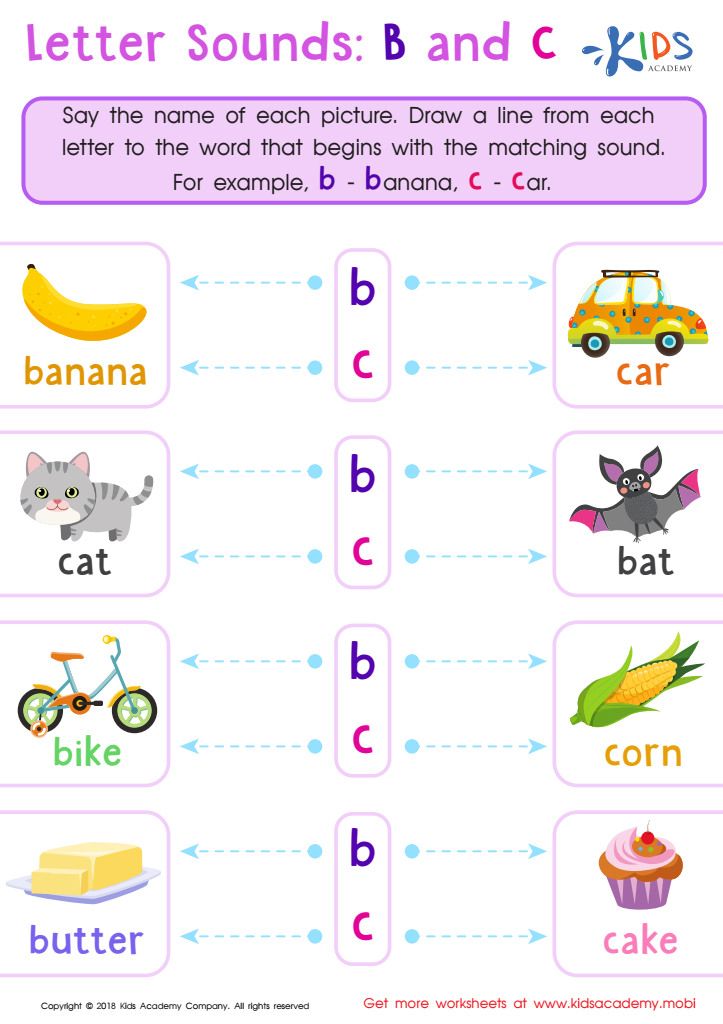
Letter B and C Sounds Worksheet
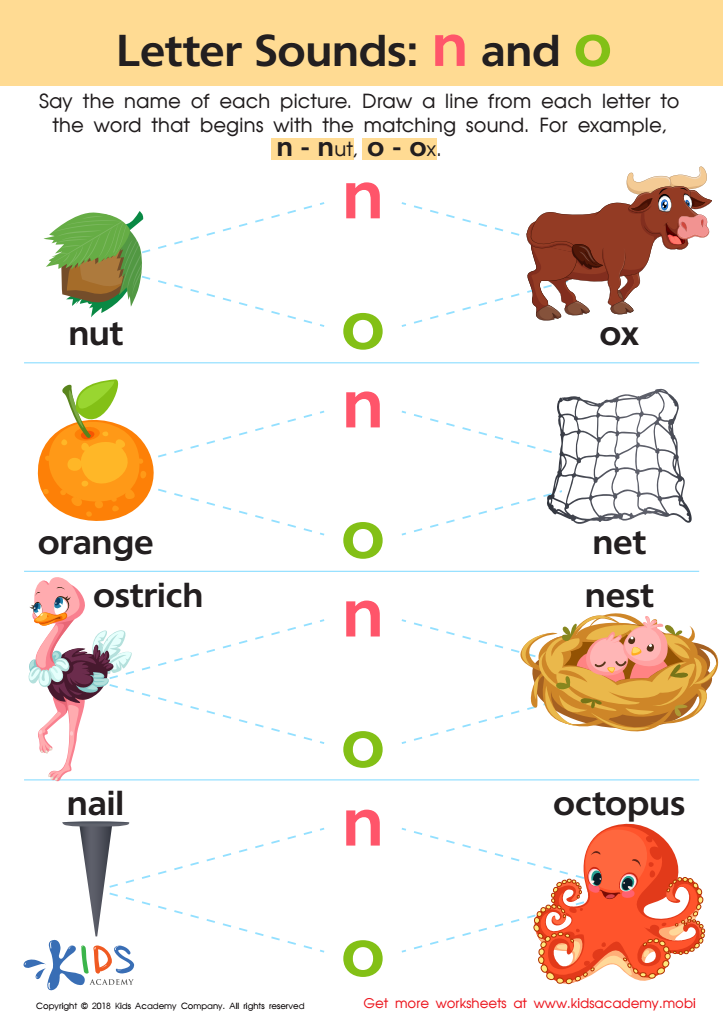
Letter N and O Sounds Worksheet
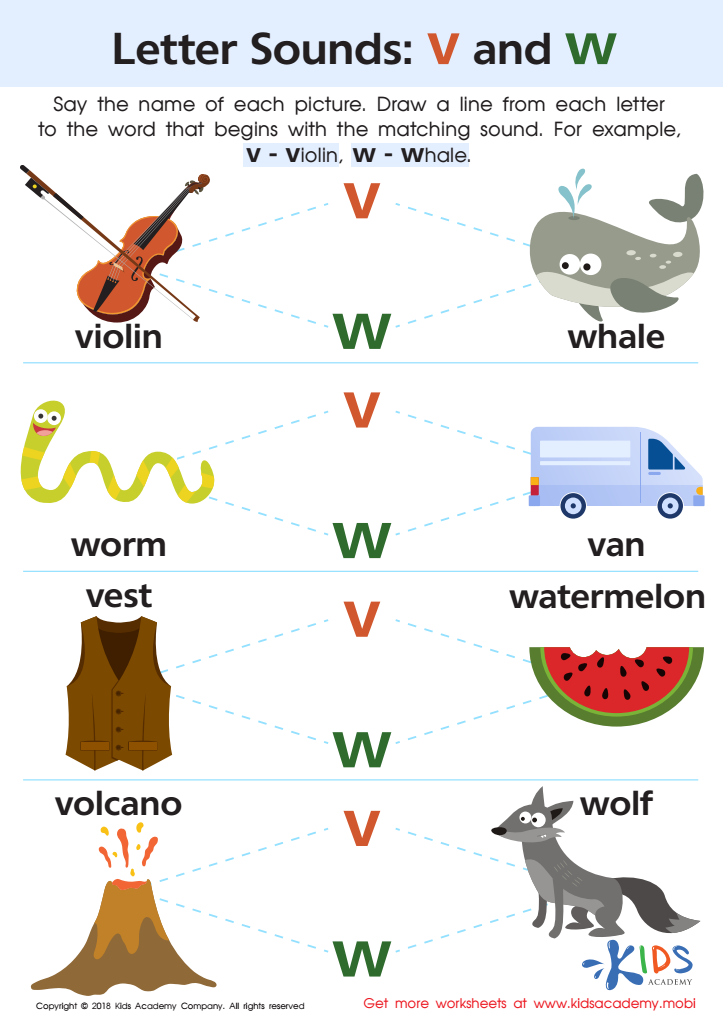
Letter V and W Sounds Worksheet
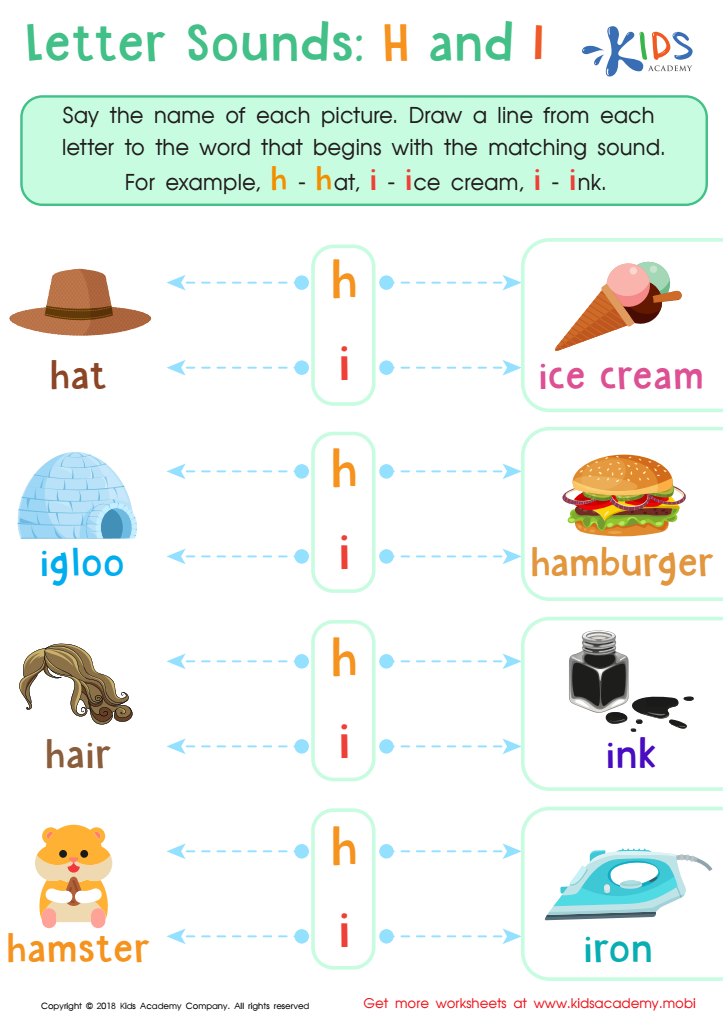
Letter H and I Sounds Worksheet
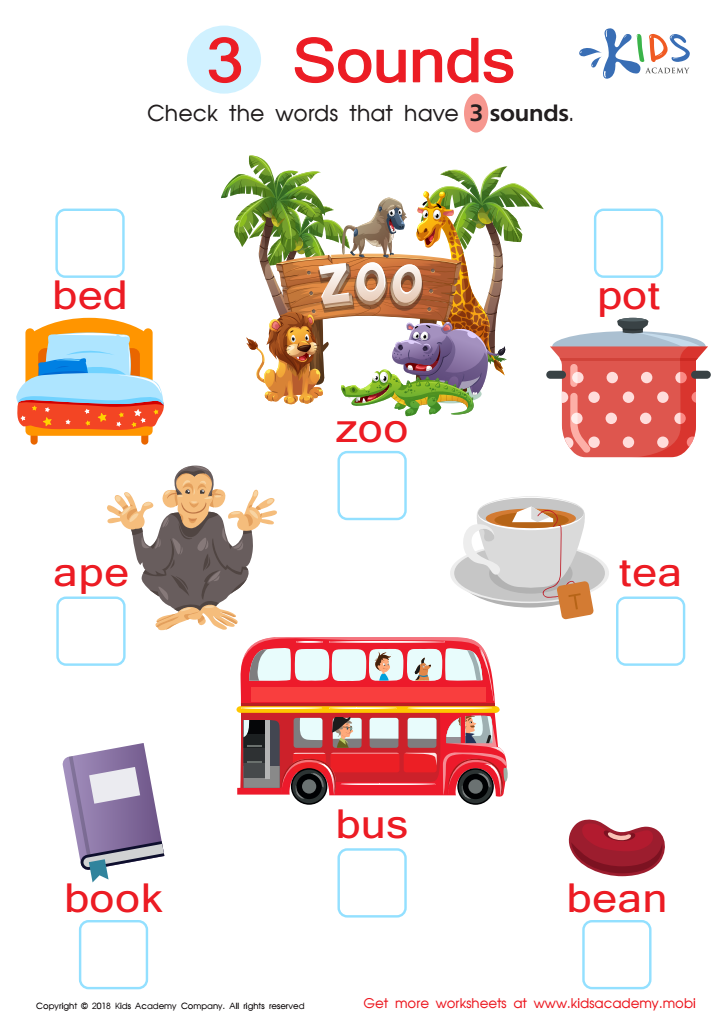
3 Sounds Worksheet
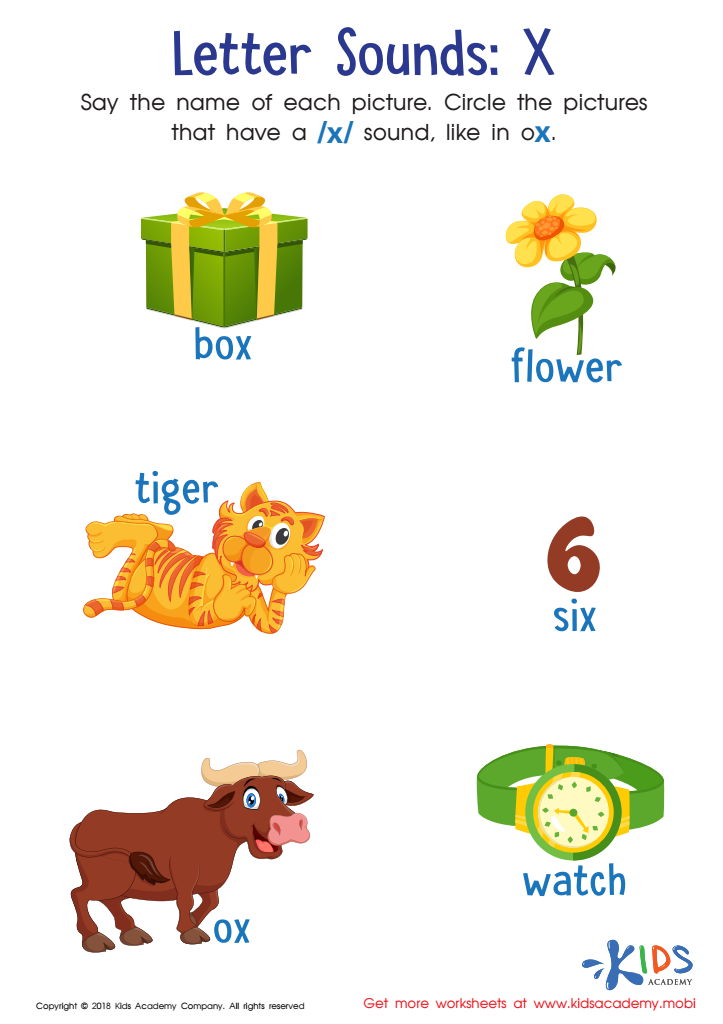
Letter X Sounds Worksheet
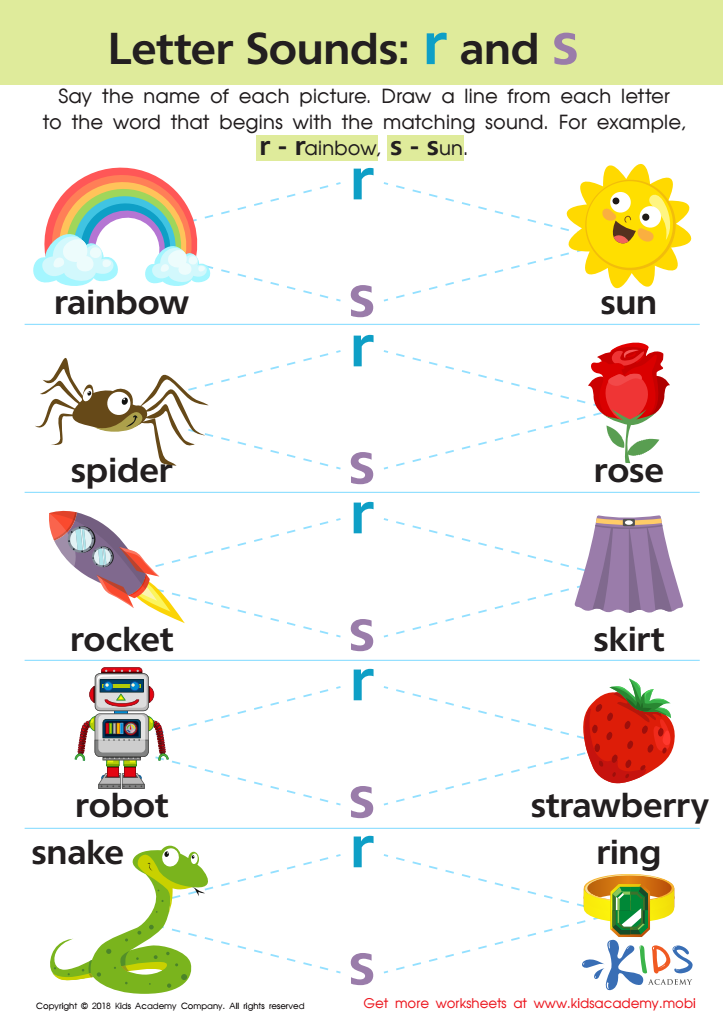
Letter R and S Sounds Worksheet
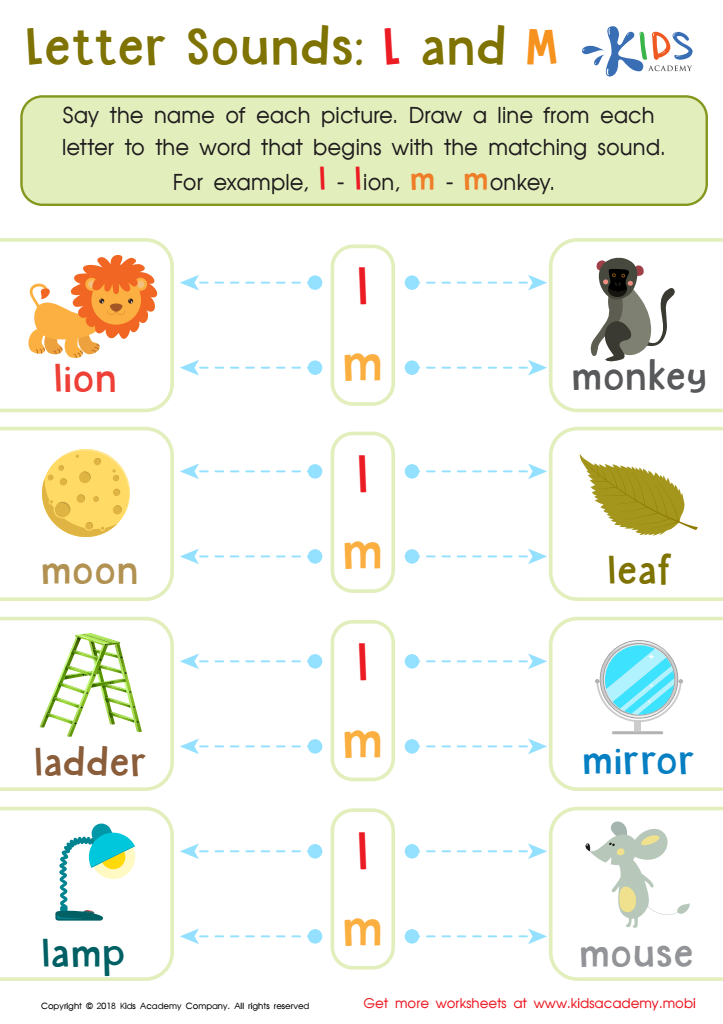
Letter l and M Sounds Worksheet
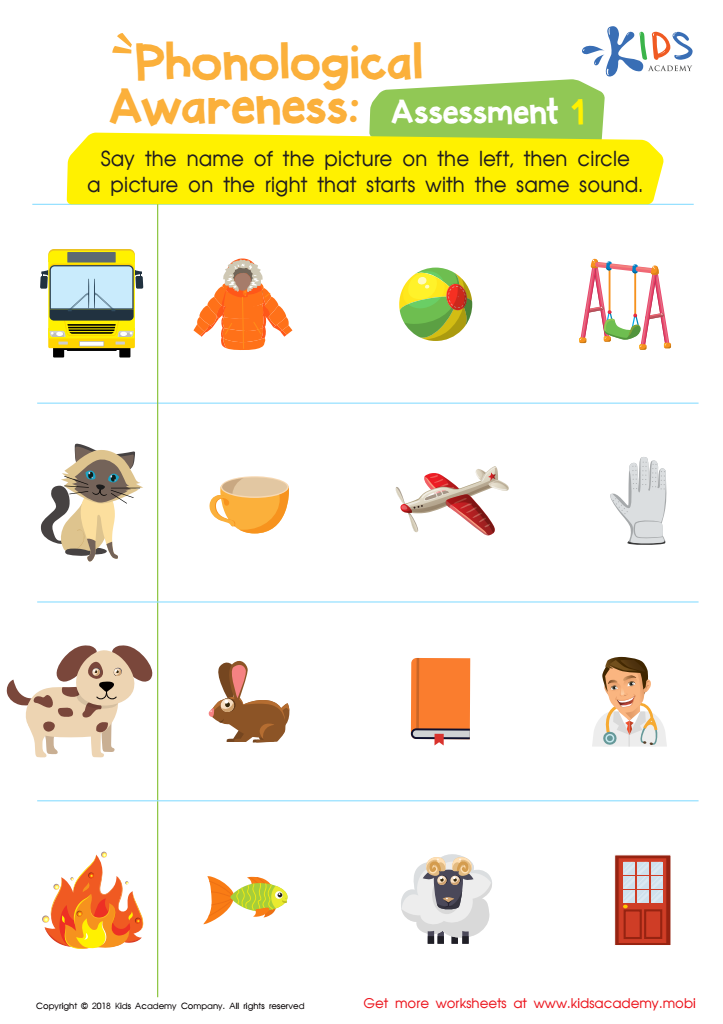
Phonological Awareness: Assessment 1 Worksheet
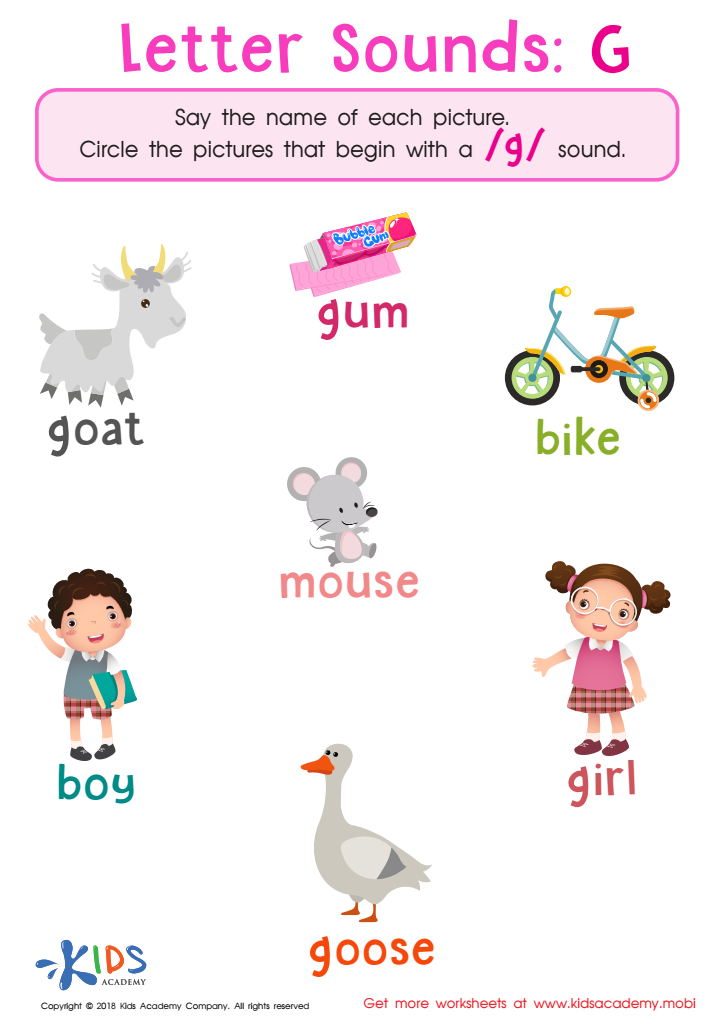
Letter G Sounds Worksheet
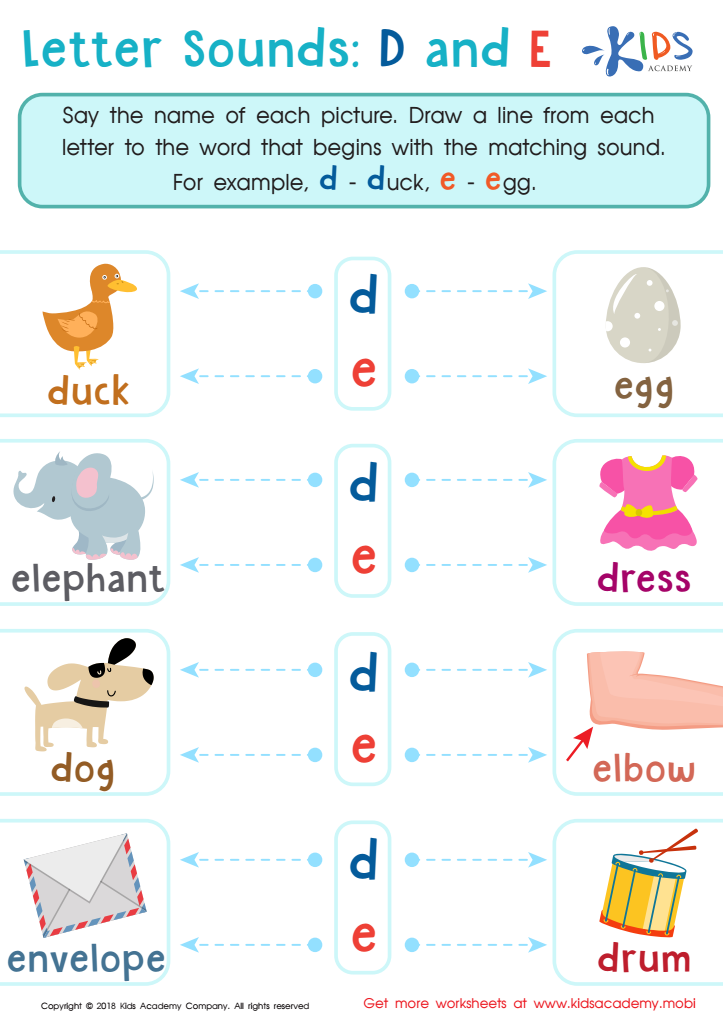
Letter D and E Sounds Worksheet








Letter recognition and understanding normal letter sounds are foundational skills for young children's literacy development. For parents and teachers of children ages 4-6, fostering these skills is crucial as they serve as the building blocks for reading and writing. Recognizing letters allows children to identify them in print, while knowledge of letter sounds enhances phonemic awareness—the ability to hear, identify, and manipulate sounds in spoken words.
When children understand that letters are linked to sounds, it paves the way for effective decoding—helping them sound out words while reading. This not only supports early reading proficiency but also boosts overall confidence in their literacy abilities. Moreover, children who develop strong letter recognition and phonics skills are more likely to become proficient readers, which correlates with better academic outcomes throughout their education.
Engaging parents and teachers in activities that promote letter recognition and sound understanding, like interactive games or storytelling, makes learning fun and connects learning to real-life experiences. Additionally, addressing these skills early can help identify children who might need extra support, ensuring that every child starts their literacy journey on solid ground. In essence, caring about these developmental skills is central to nurturing a successful reading future for children.






