Reading Improvement Normal Phonics Worksheets for Ages 4-6
6 filtered results
-
From - To
Boost your child's reading skills with our specially designed Reading Improvement Normal Phonics Worksheets for Ages 4-6. These engaging and interactive worksheets focus on enhancing phonics knowledge, helping young learners recognize letters and sounds, blend phonemes, and improve word recognition. Tailored for children aged 4 to 6, each worksheet makes learning fun with colorful illustrations, easy-to-follow instructions, and playful activities. Perfect for both classroom and at-home practice, our phonics worksheets provide the building blocks essential for reading success. Inspire a love for reading in your little one and watch them achieve impressive progress with our expertly crafted resources.
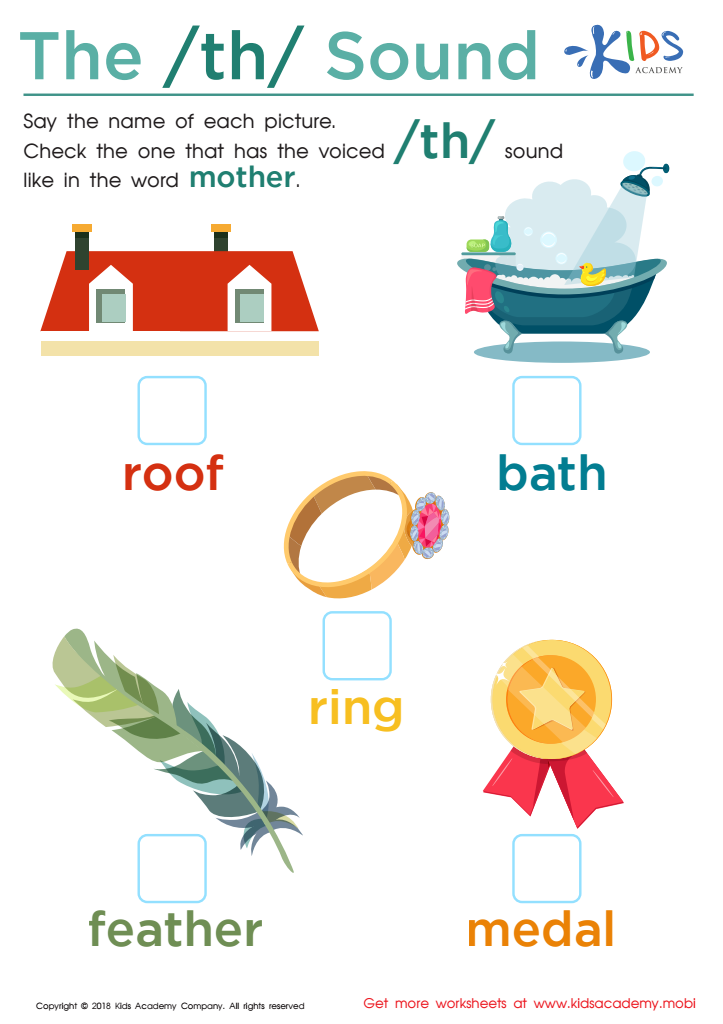
The /th/ Sound Worksheet
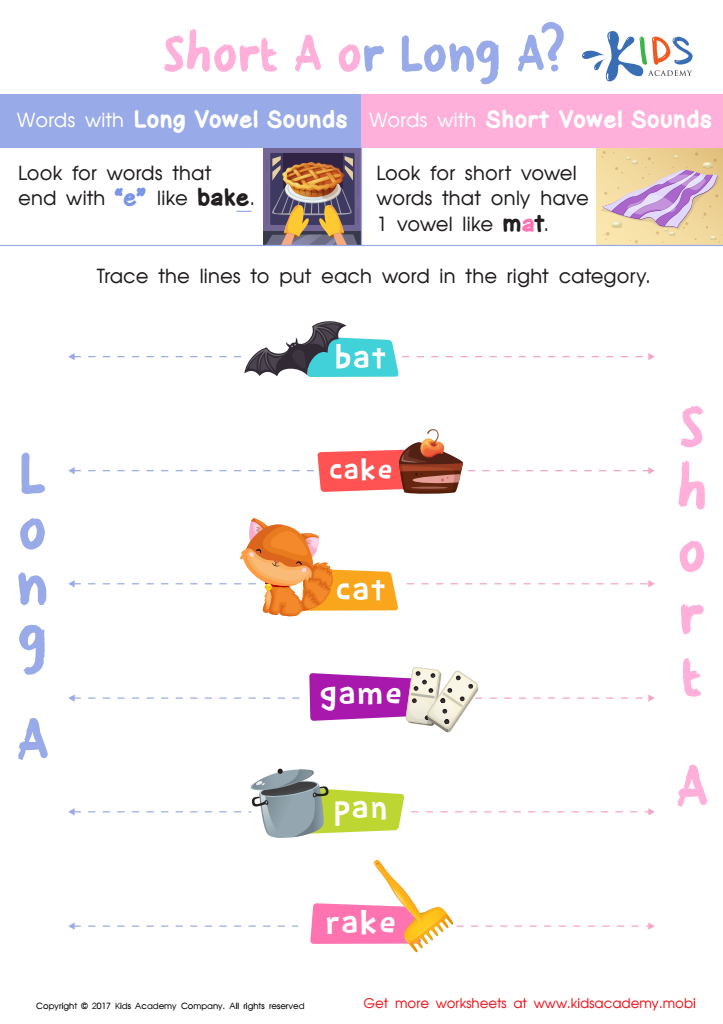
Short /a/ or Long /a/? Worksheet
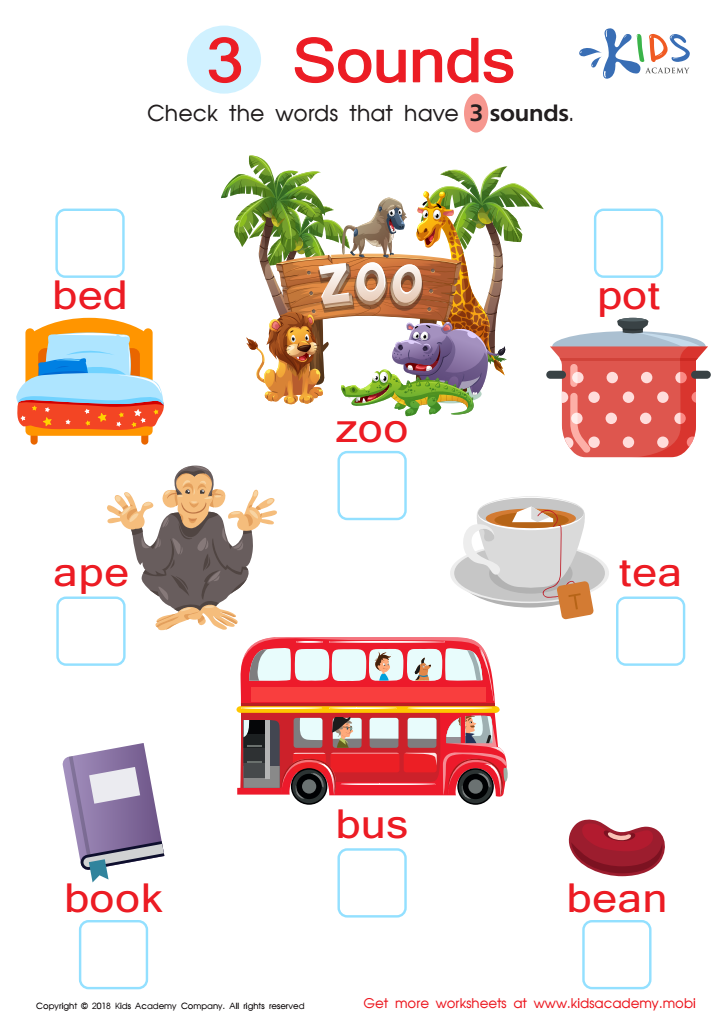
3 Sounds Worksheet
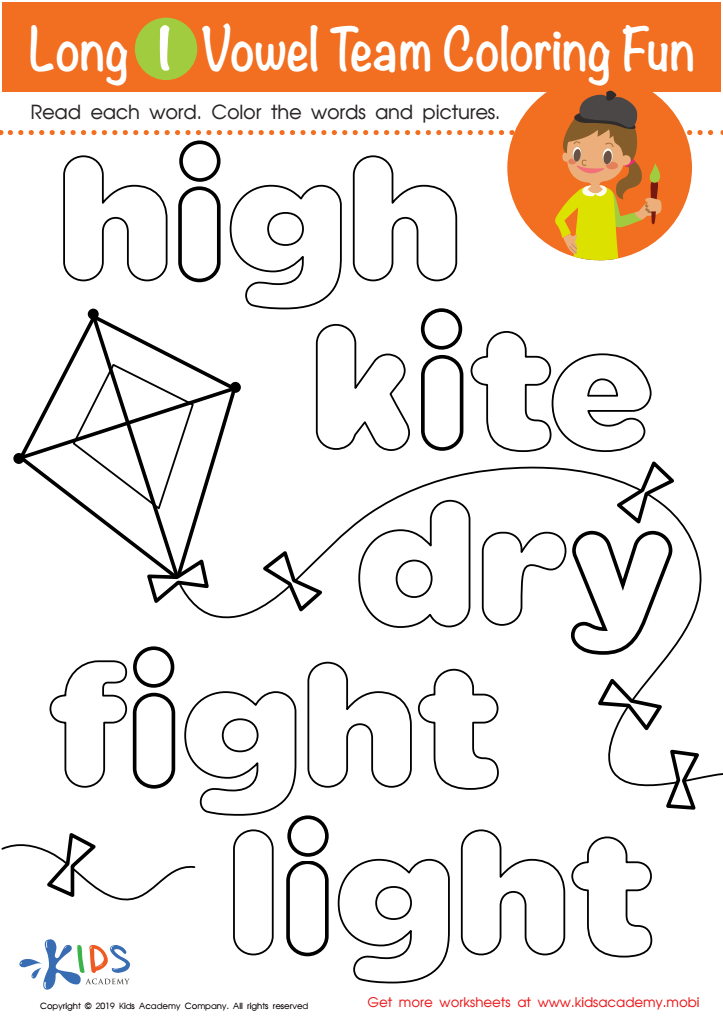
Long I Vowel Team Coloring Worksheet
 Assign to My Students
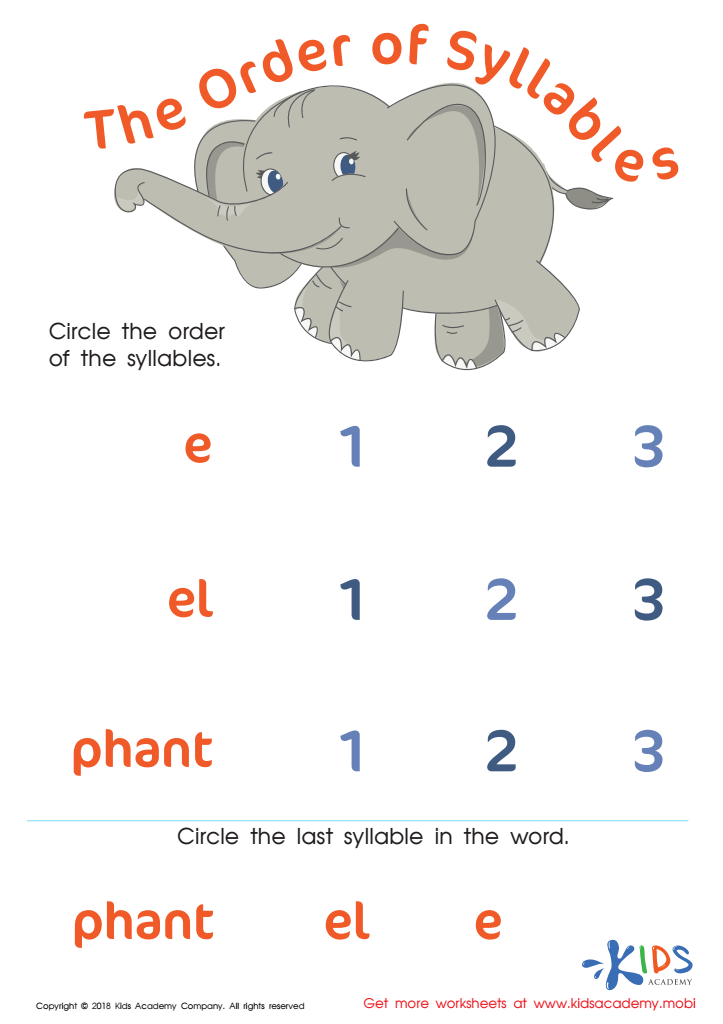
The Order of Syllables Worksheet
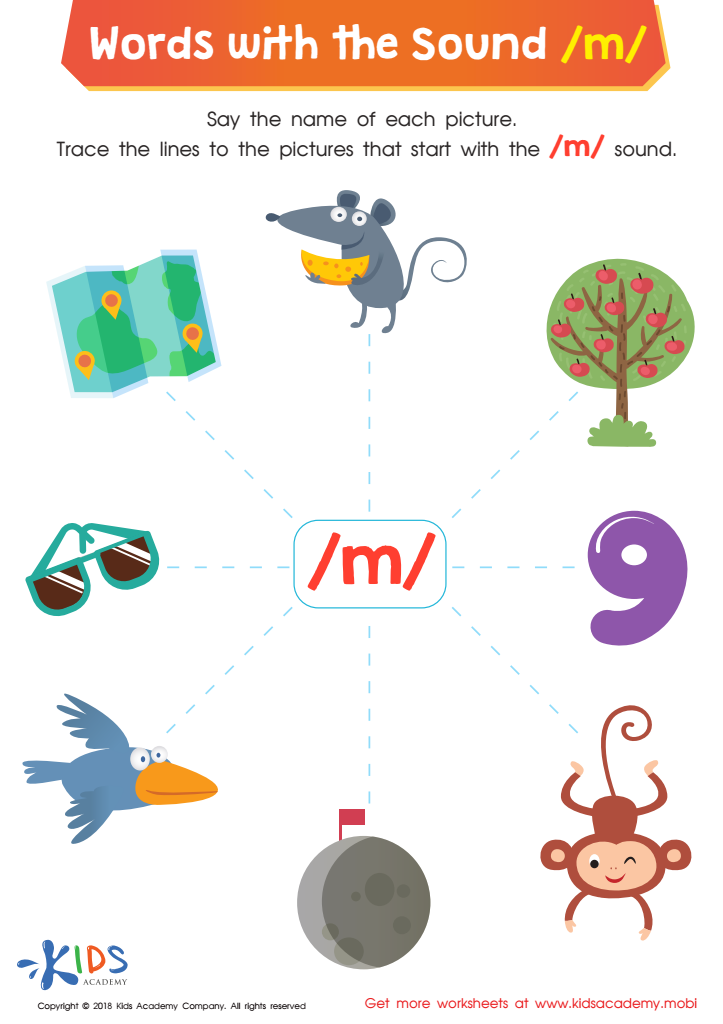
Words with Sound M Reading Worksheet








Parents and teachers should prioritize Reading Improvement Normal Phonics for children aged 4-6 because these foundational years are critical for literacy development. Phonics, the method of teaching reading by correlating sounds with symbols, equips children with essential decoding skills that lead to confident and proficient reading. Early mastery of phonics instills a love for reading, boosts language development, and enriches vocabulary.
For children in this age group, their brains are especially receptive to learning languages. Engaging with phonics can enhance cognitive abilities, such as memory, problem-solving, and critical thinking, which are integral for academic success in all subjects. Furthermore, early reading skills are tied to success in other areas of school, as literacy is fundamental to learning across the curriculum.
Additionally, learning phonics can have a positive impact on children's emotional and social development. The ability to read and comprehend texts allows them to explore new ideas, cultures, and can lead to greater self-esteem and independence.
Furthermore, phonics instruction supports better classroom management and individualized instruction, allowing teachers to meet diverse learning needs. When parents and teachers collaborate to ensure reading improvement through phonics, they set up children for long-term academic achievements and foster a lifelong love for learning. Prioritizing phonics during these formative years is instrumental in laying a strong educational foundation.







