Vocabulary development Normal Phonics Worksheets for Ages 4-6
13 filtered results
-
From - To
Discover our engaging and interactive Vocabulary Development Normal Phonics Worksheets designed specifically for children aged 4-6. These worksheets are perfect for young learners to enhance their phonics skills while expanding their vocabulary. With a variety of fun activities, including matching exercises and word recognition games, children will develop essential reading and language skills in an enjoyable way. Our user-friendly format encourages independent learning, making it easy for parents and teachers to integrate these resources into daily lessons. Foster a love for reading and language in your child with our thoughtfully created worksheets that make vocabulary learning stimulating and effective!
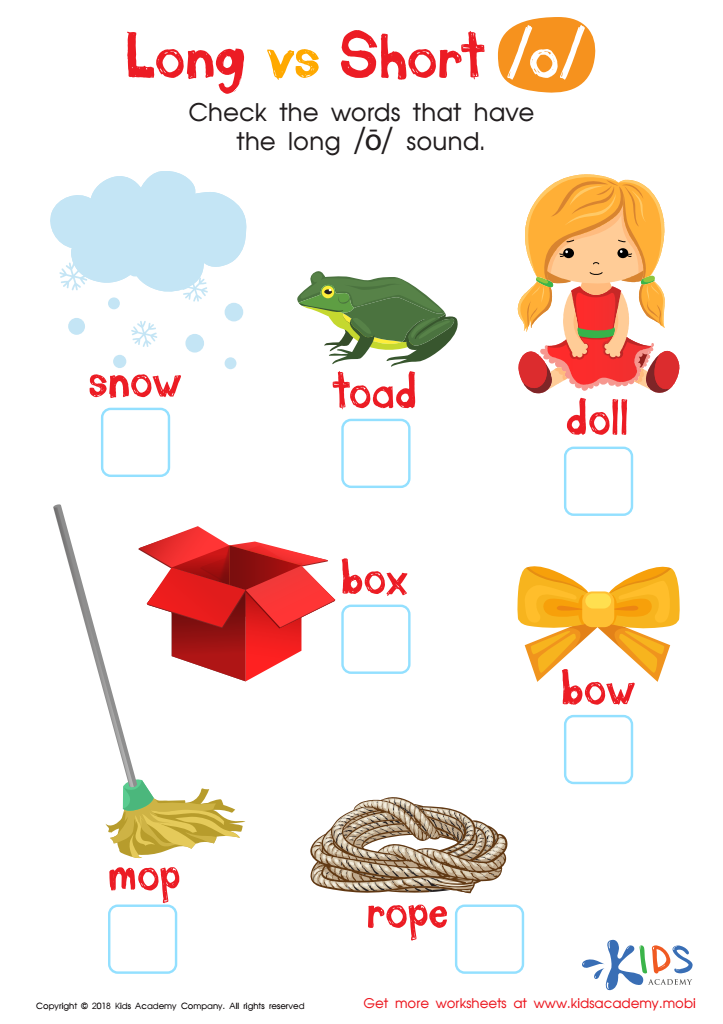
Long vs Short O Reading Worksheet
 Assign to My Students
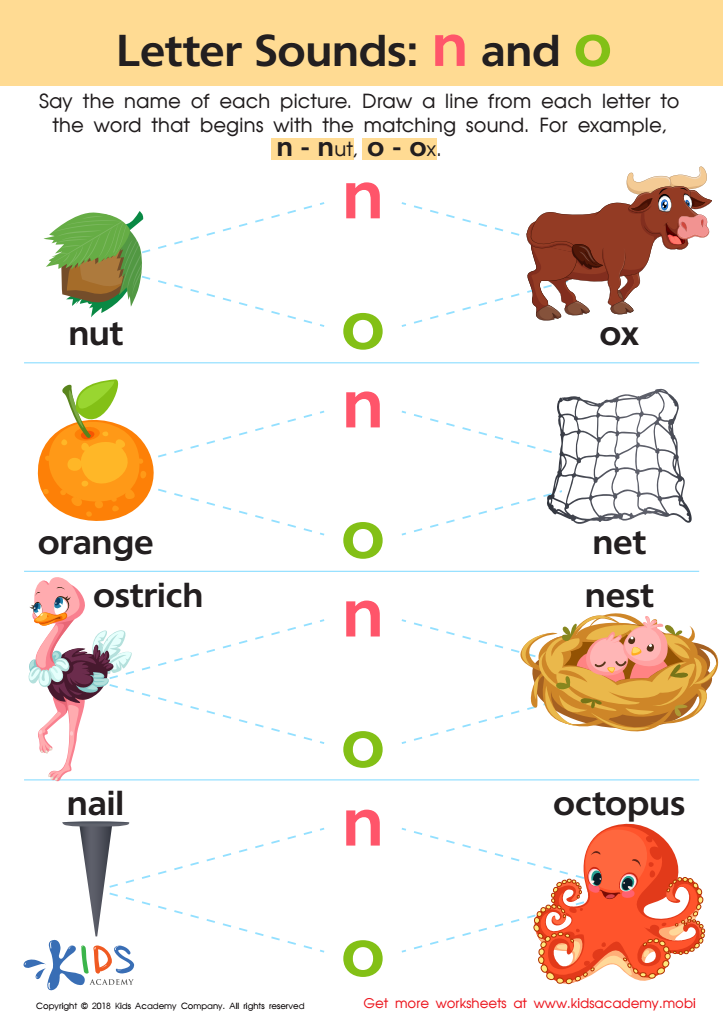
Letter N and O Sounds Worksheet
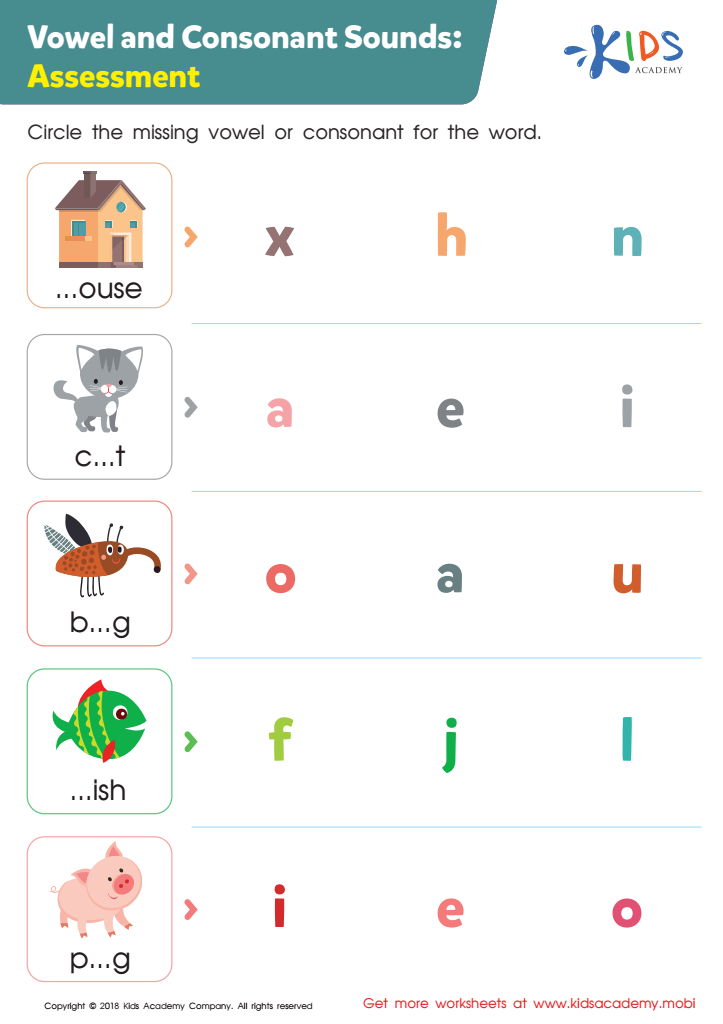
Vowel and Consonant Sounds: Assessment Worksheet
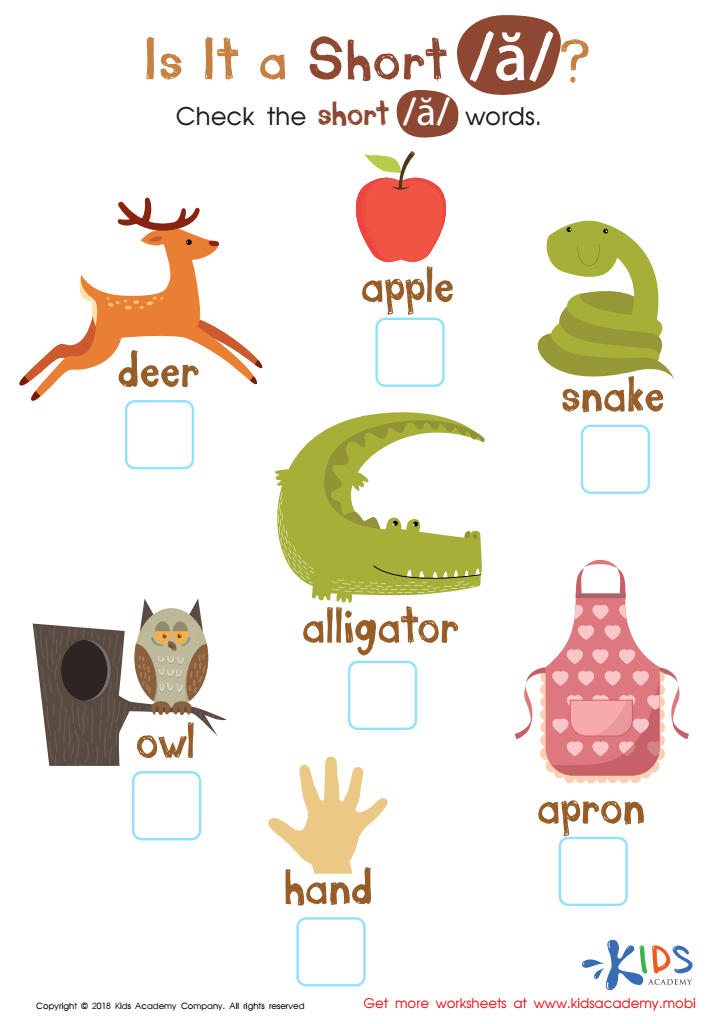
Is It Short A? Reading Worksheet
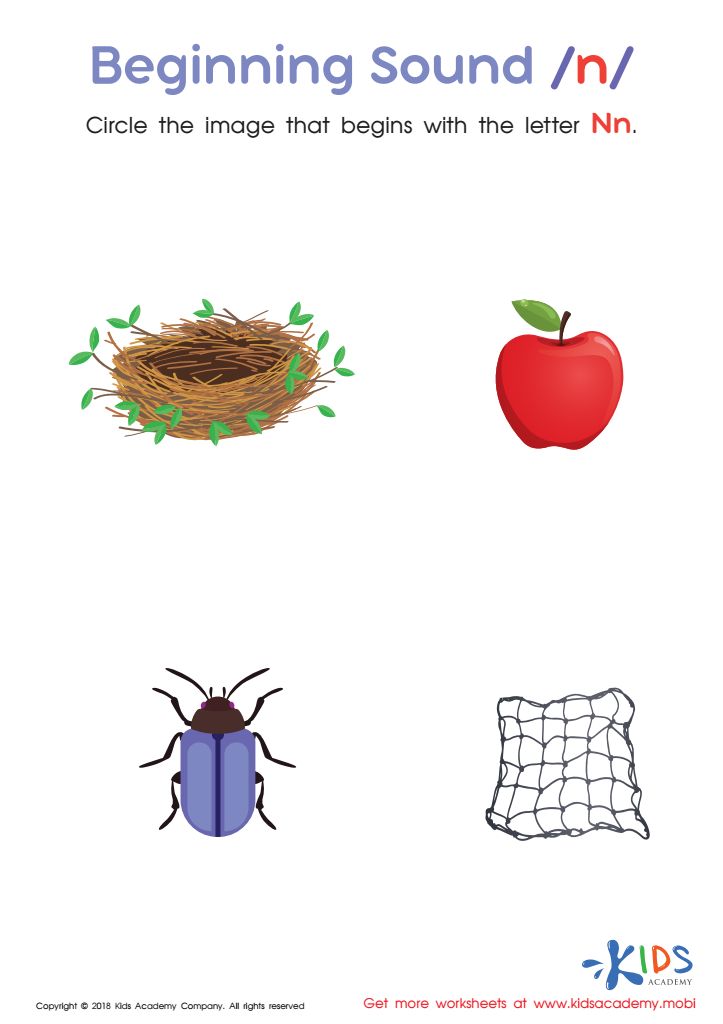
Beginning Sound «n» Worksheet
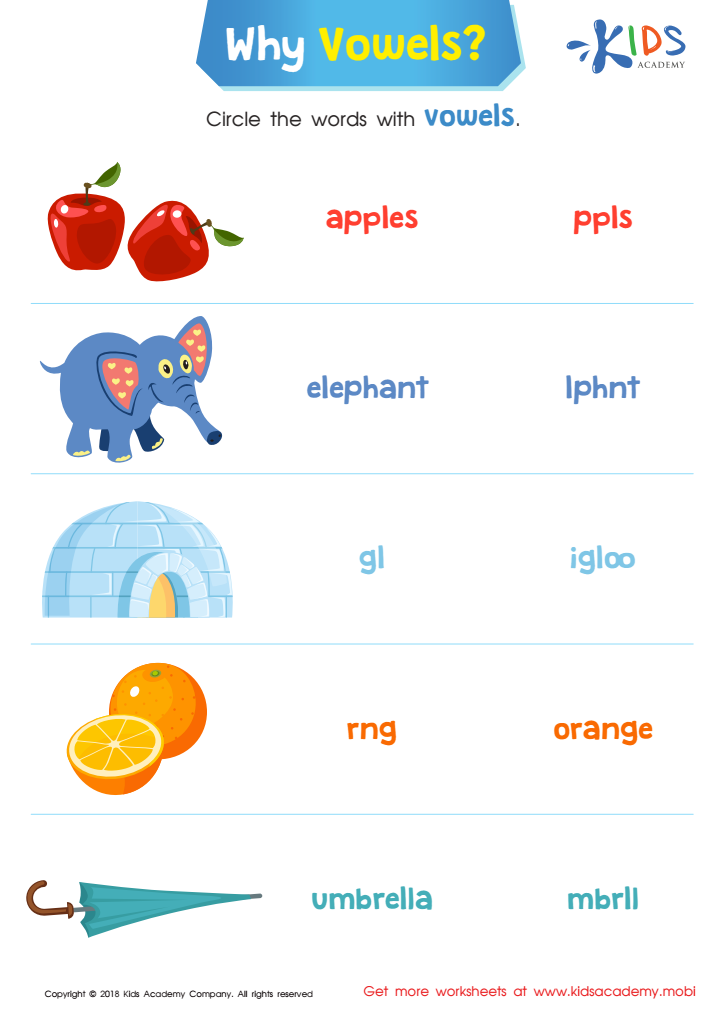
Why Vowels? Reading Worksheet
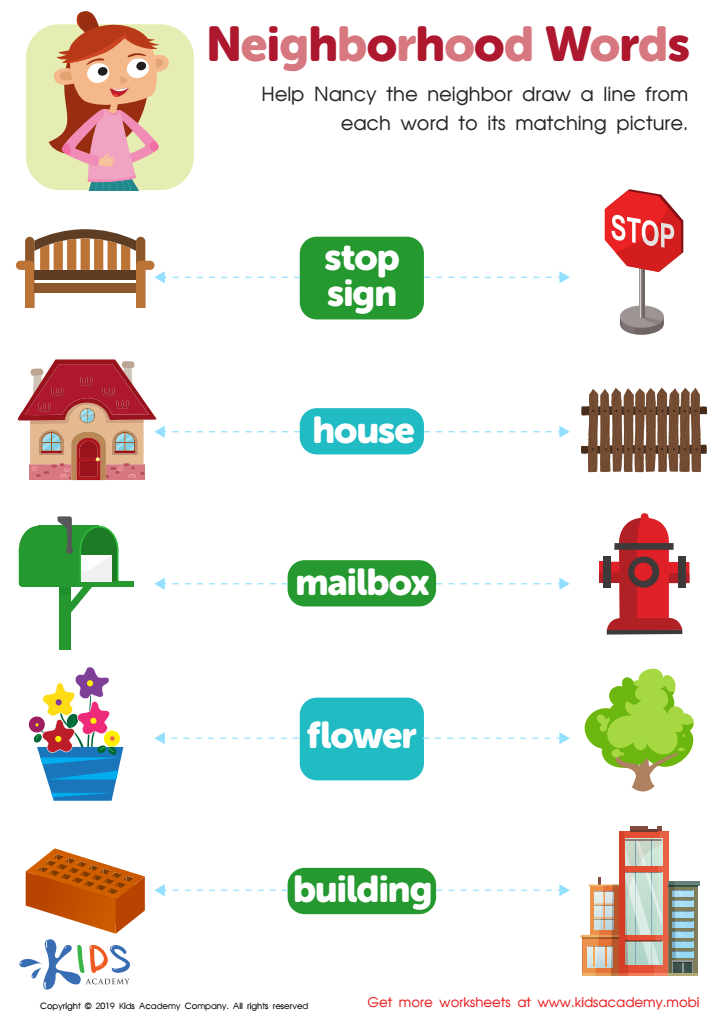
Neighborhood Words Worksheet
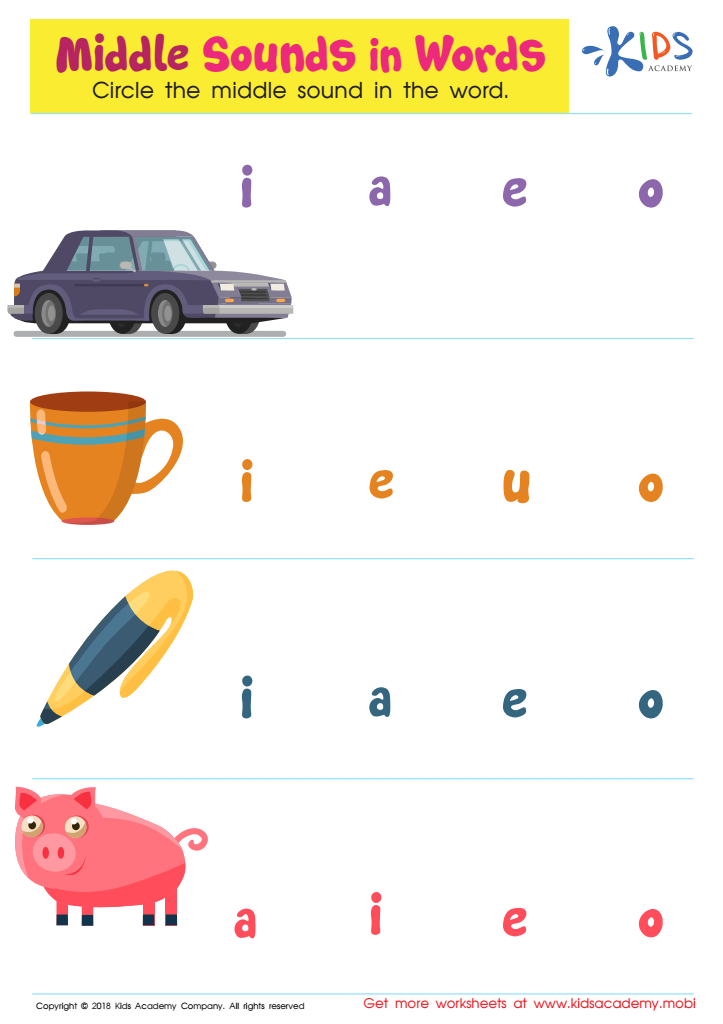
Middle Sounds in Words Worksheet
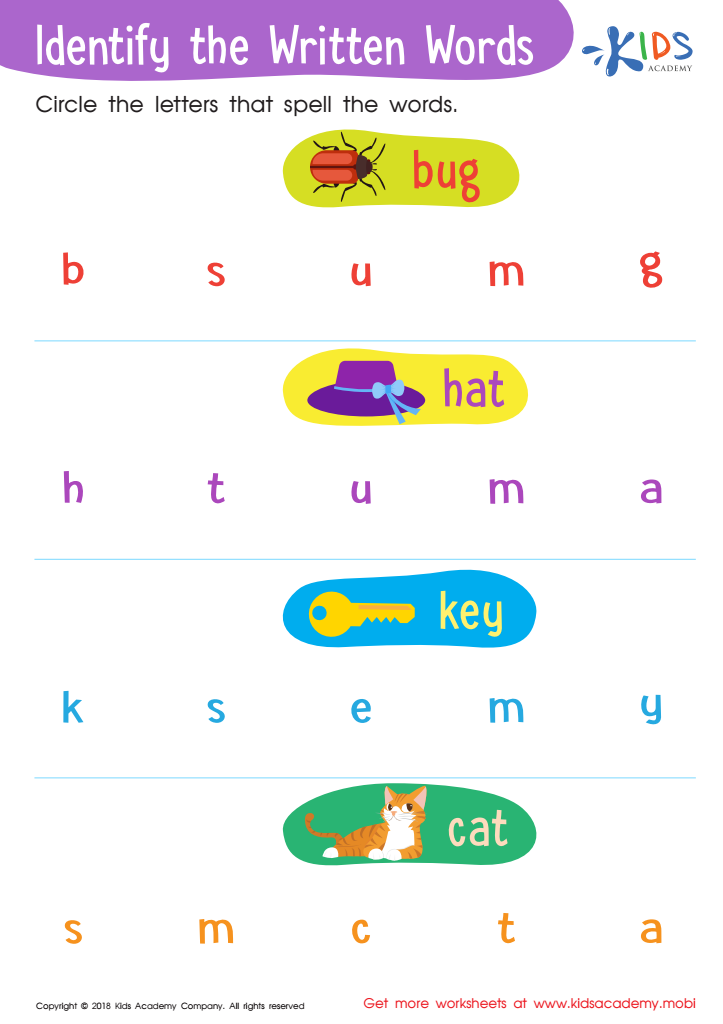
Identify the Written Words Worksheet
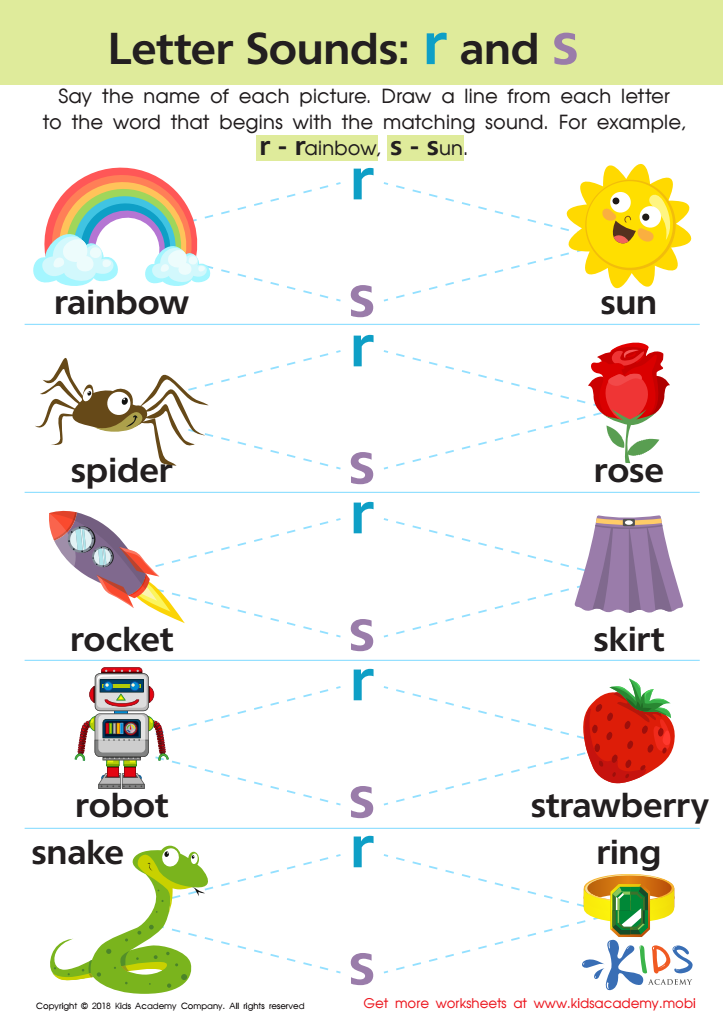
Letter R and S Sounds Worksheet
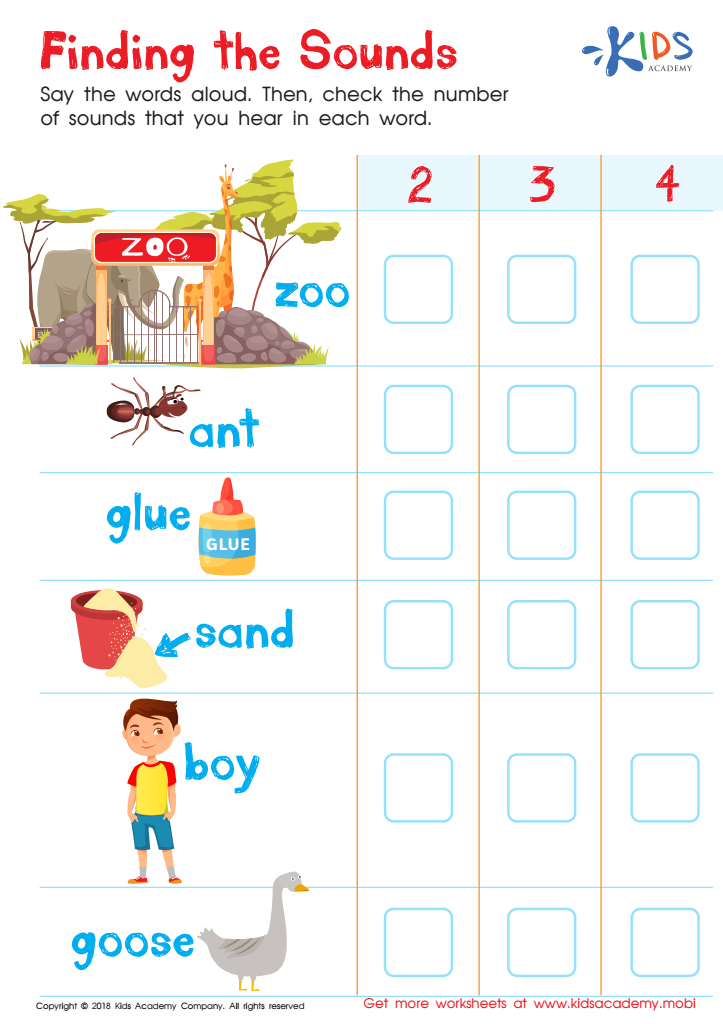
Finding the Sounds Worksheet
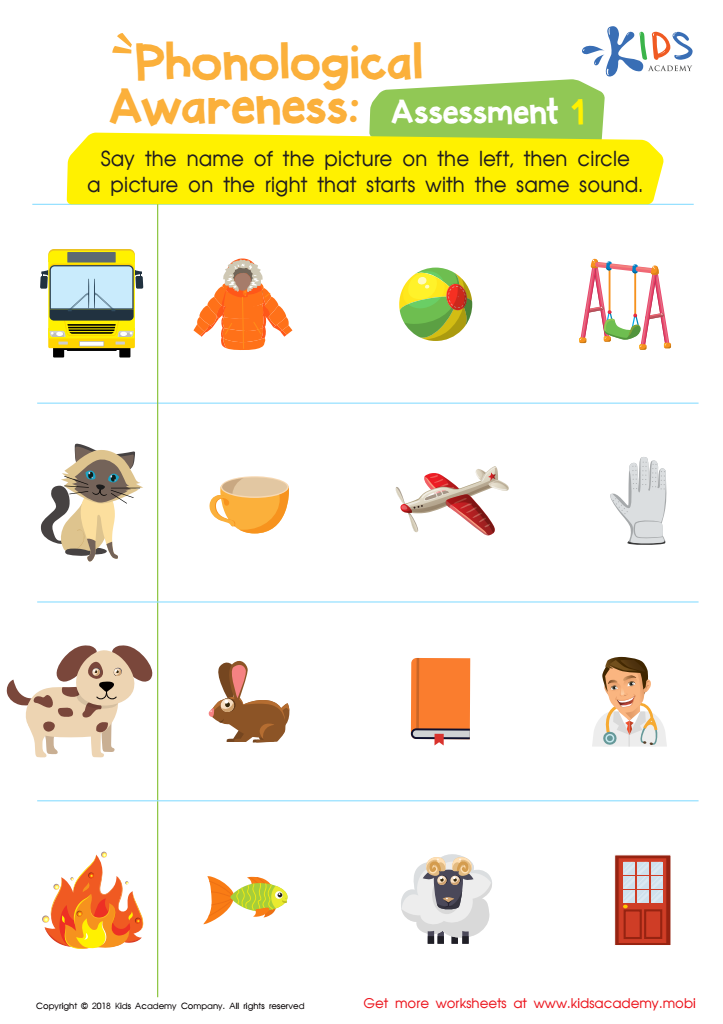
Phonological Awareness: Assessment 1 Worksheet
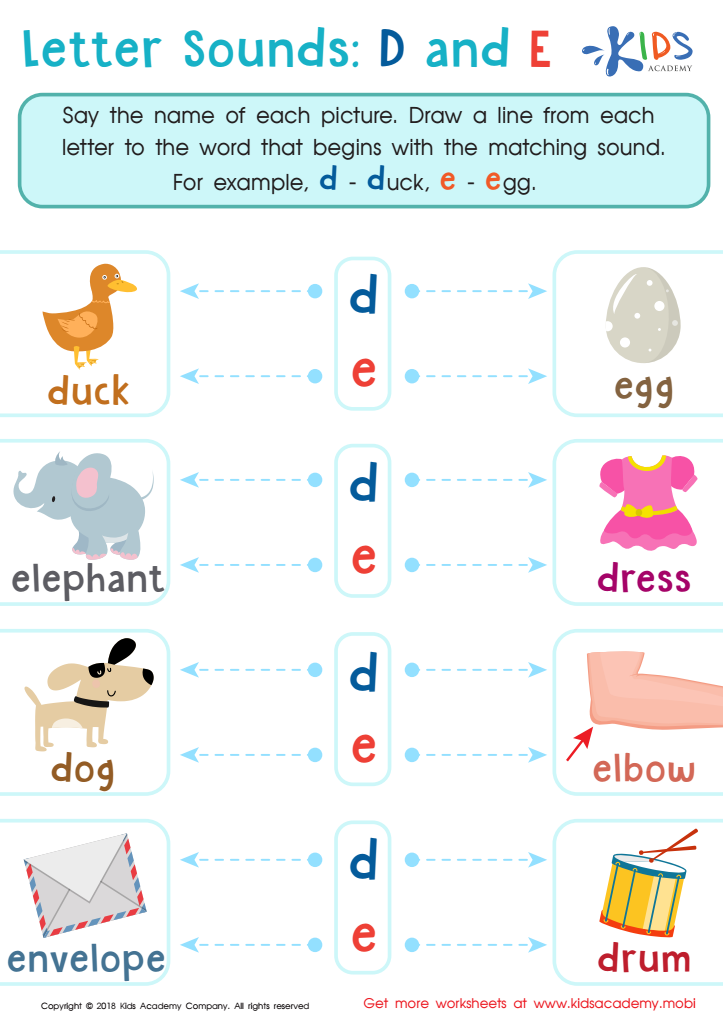
Letter D and E Sounds Worksheet








Vocabulary development and phonics are critical components of early literacy for children aged 4-6. This stage marks a profound period for cognitive growth, where foundational language skills are being developed. An effective vocabulary helps children articulate thoughts, understand instructions, and engage in meaningful conversations, laying the groundwork for literacy and overall communication skills.
Teachers and parents should care about vocabulary development and phonics because these elements are closely intertwined. Phonics instruction equips children with the skills to decode words, which enhances their reading fluency. As they learn the sounds associated with letters and how they form patterns in words, they can apply this knowledge to new vocabulary, promoting independent reading.
Moreover, a strong vocabulary enriches a child's comprehension of texts. It allows them to grasp and enjoy stories, participate in discussions, and express themselves confidently. Early exposure to diverse words fosters curiosity and intellectual engagement, essential for academic success.
Incorporating vocabulary development and phonics into daily activities, such as reading together, singing songs, or playing word games, creates an interactive learning environment. By prioritizing these elements, parents and educators can ensure children build a robust foundation for lifelong learning and effective communication.







