Basic geometry understanding Normal Worksheets for Ages 4-6
3 filtered results
-
From - To
Explore our engaging Basic Geometry Understanding worksheets designed specifically for children aged 4 to 6! These colorful, interactive exercises introduce young learners to essential geometric shapes and concepts in a fun and accessible manner. With activities that promote shape recognition, classification, and spatial awareness, children will develop foundational skills that pave the way for future math success. Our worksheets encourage creativity and critical thinking through appealing illustrations and straightforward instructions. Ideal for home or classroom use, these resources support early childhood education, helping little ones build confidence in their geometry abilities. Start shaping their learning journey today!
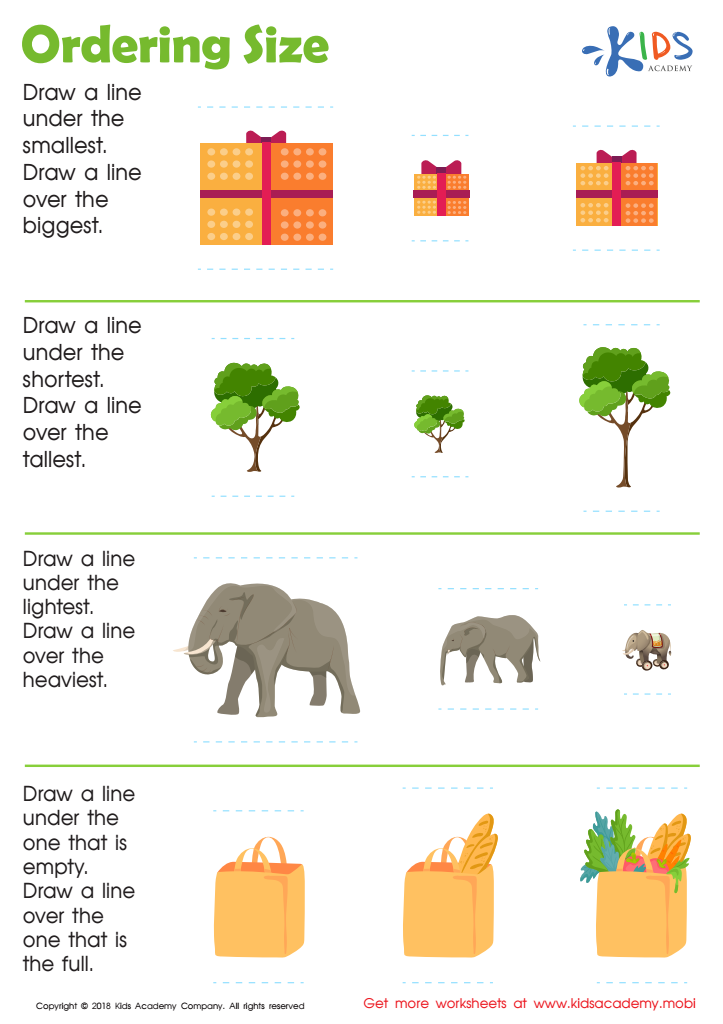
Ordering Size Worksheet
 Assign to My Students
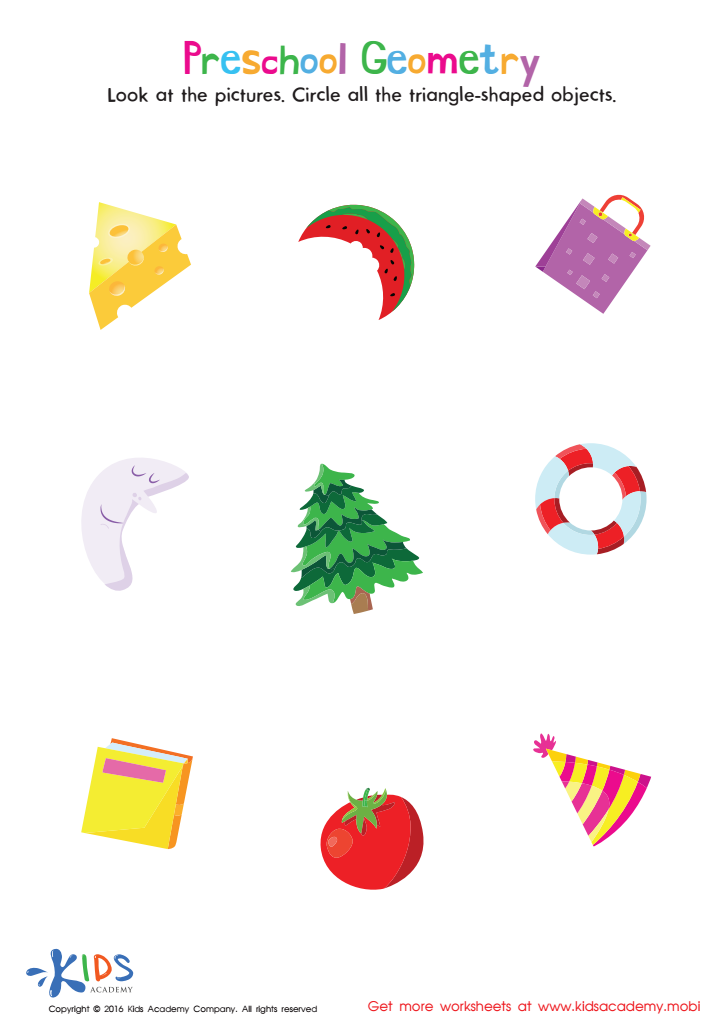
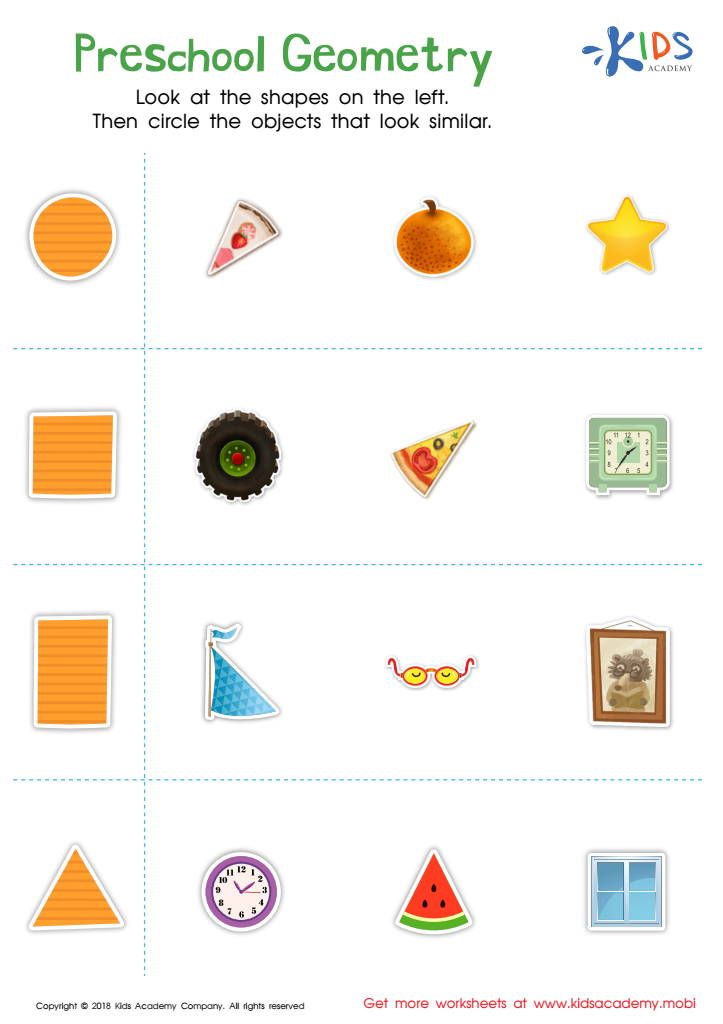
Preschool Geometry Worksheet




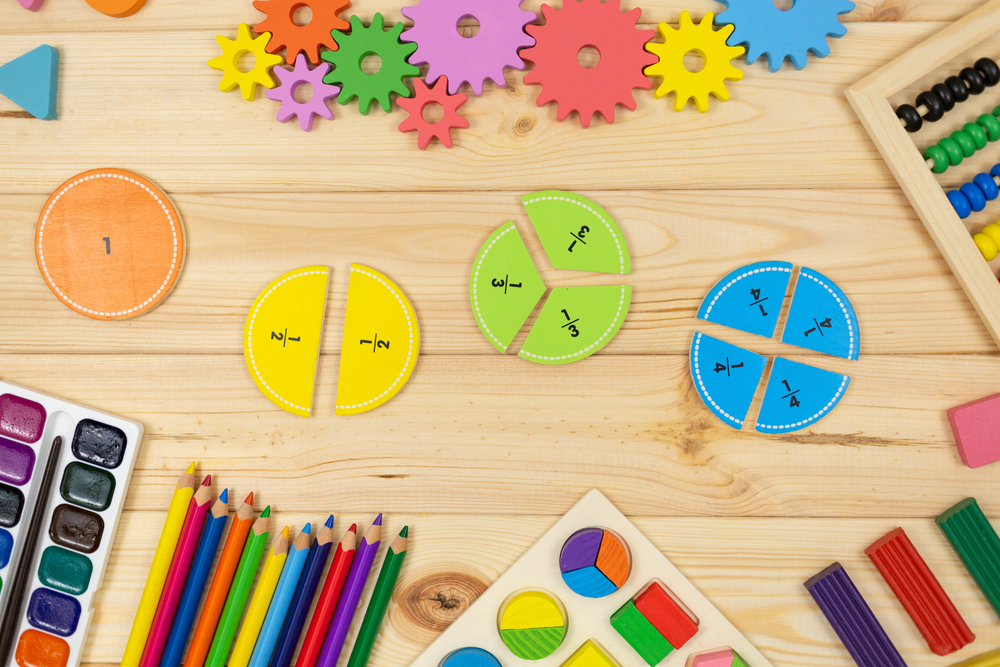


Understanding basic geometry is crucial for children aged 4 to 6 as it lays the foundation for critical thinking, problem-solving, and spatial awareness. At this developmental stage, children are naturally curious about the world around them. Introducing them to geometric shapes and concepts not only satisfies this curiosity but also enhances their mathematical vocabulary, promoting cognitive development.
Geometry helps young learners classify objects based on their attributes, fostering skills in comparison and contrast. Recognizing shapes such as circles, squares, triangles, and rectangles allows children to begin visualizing relationships between objects, which is key for more advanced mathematical concepts they'll encounter later.
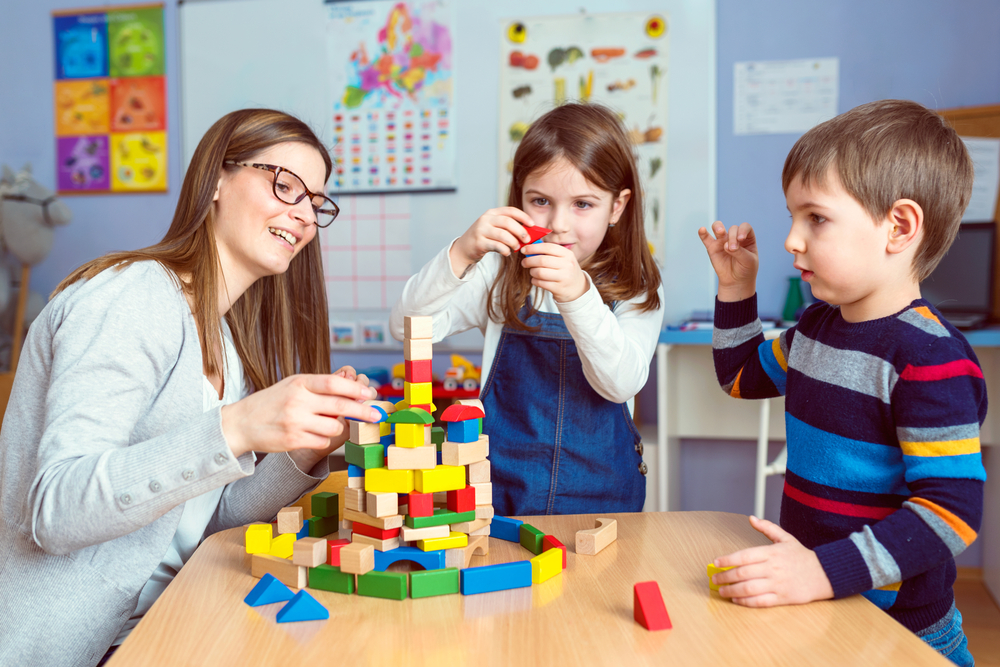
Additionally, basic geometry is integrally connected to other areas of learning, including art, science, and everyday life. For instance, building with blocks encourages both geometric understanding and fine motor skills. Moreover, concepts like symmetry and patterns can enrich their experiences in nature and architecture.
By nurturing an appreciation for geometry, parents and teachers can instill a sense of confidence in young learners, preparing them for future academic success. This foundational knowledge is essential for developing mathematical literacy and can positively influence their academic journey throughout their education.








