Enhancing vocabulary Normal Worksheets for Ages 4-6
8 filtered results
-
From - To
Discover our "Enhancing Vocabulary Normal Worksheets for Ages 4-6," designed to enrich young learners' language skills in a fun and engaging way. These worksheets feature colorful illustrations and age-appropriate activities that help children expand their vocabulary through interactive exercises. By associating words with images, children can easily grasp new terms and practice their usage. Each worksheet focuses on essential vocabulary themes, including animals, colors, and everyday objects, allowing for holistic learning. Ideal for at-home learning or classroom settings, our resources support early language development, making learning enjoyable and effective. Explore our worksheets to give your child a head start in communication!
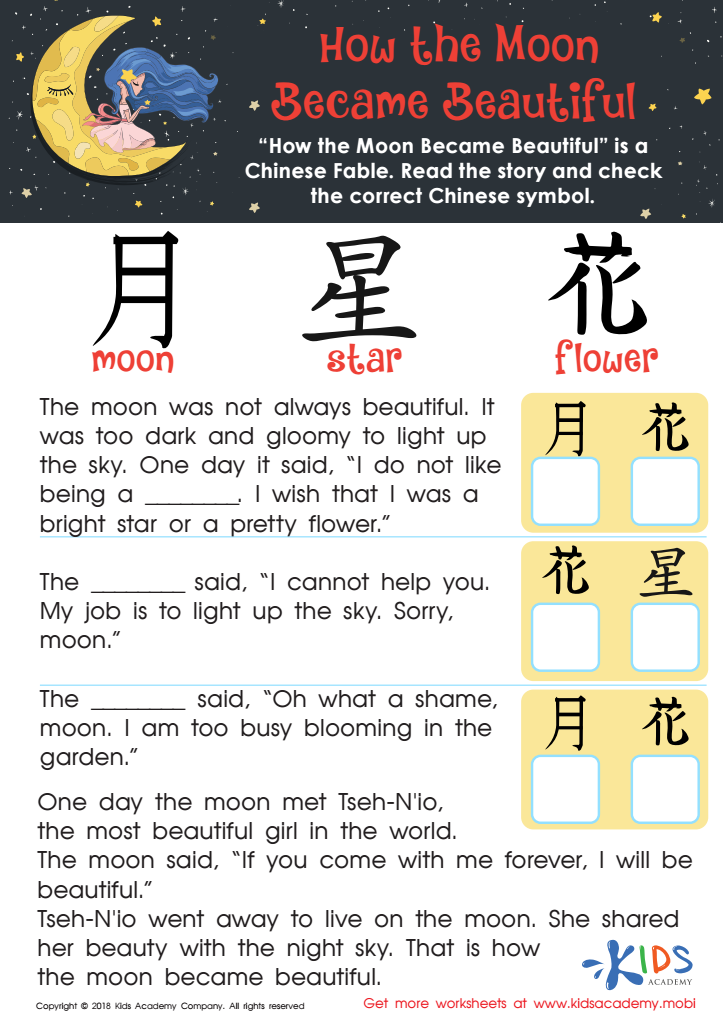
How the Moon Became Beautiful Worksheet
 Assign to My Students
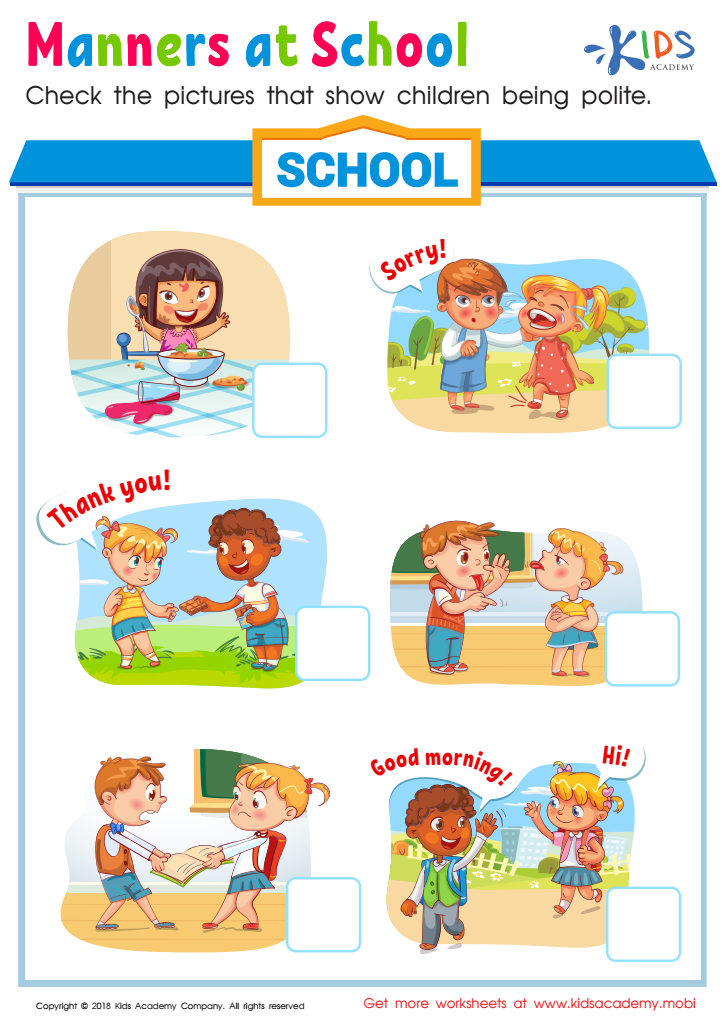
Manners at School Worksheet
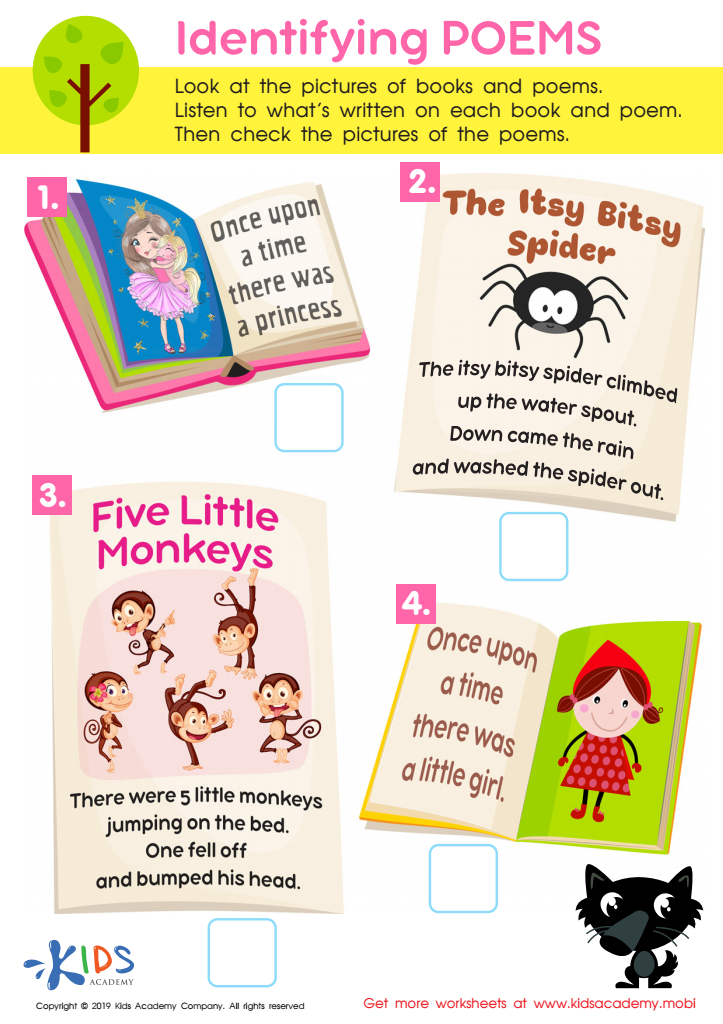
Identifying Poems Worksheet
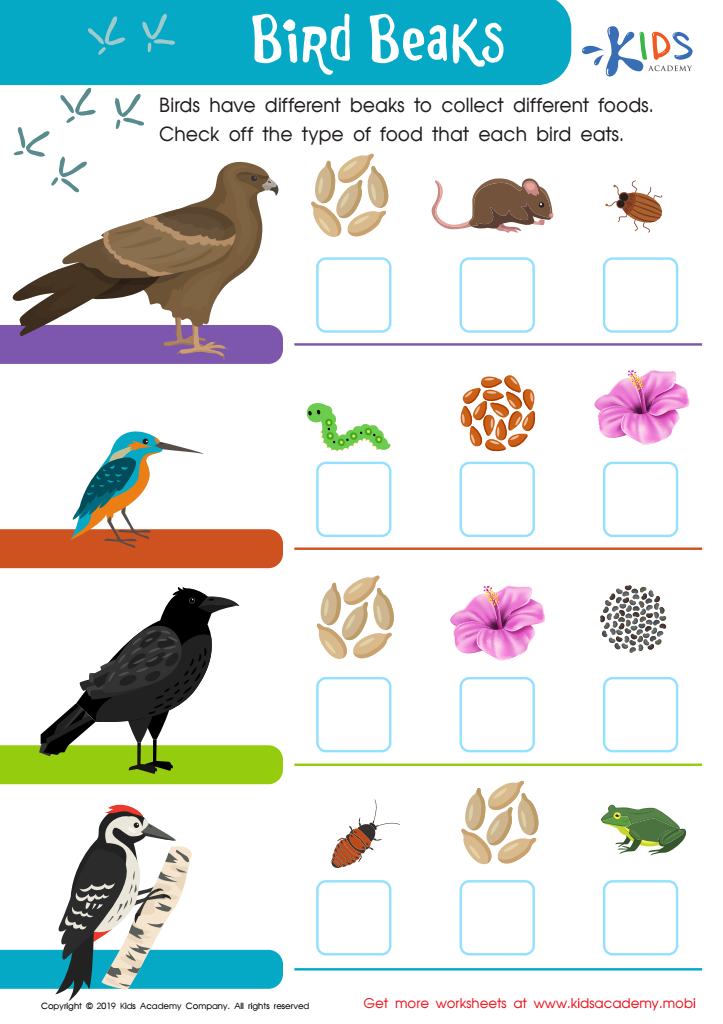
Bird Beaks Worksheet
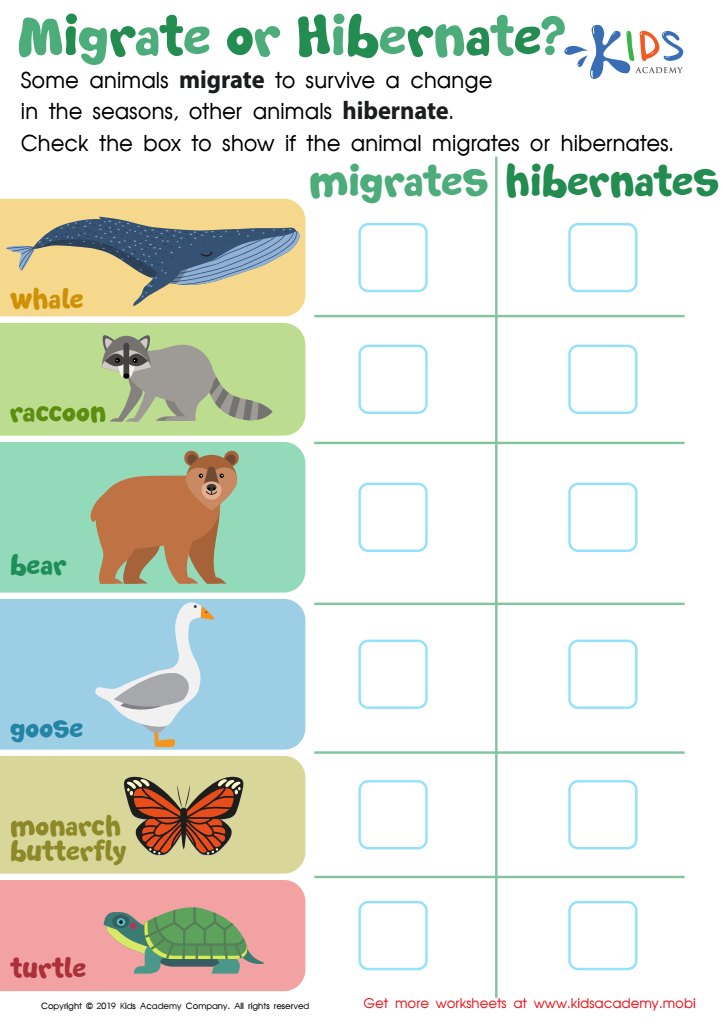
Migrate or Hibernate? Worksheet
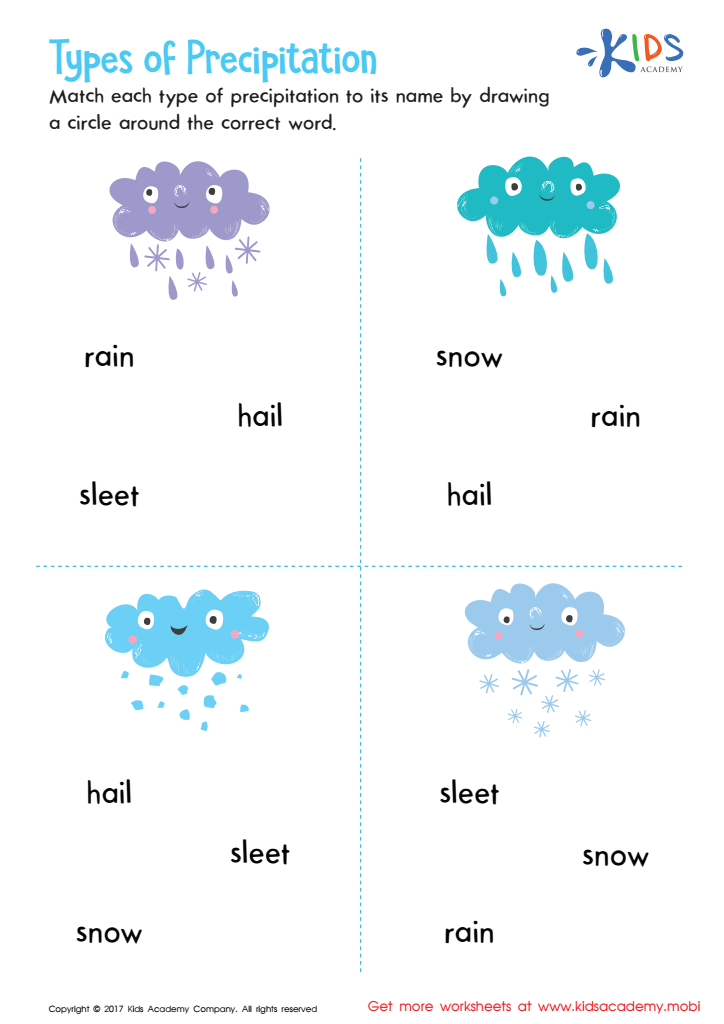
Types of Precipitation Printable
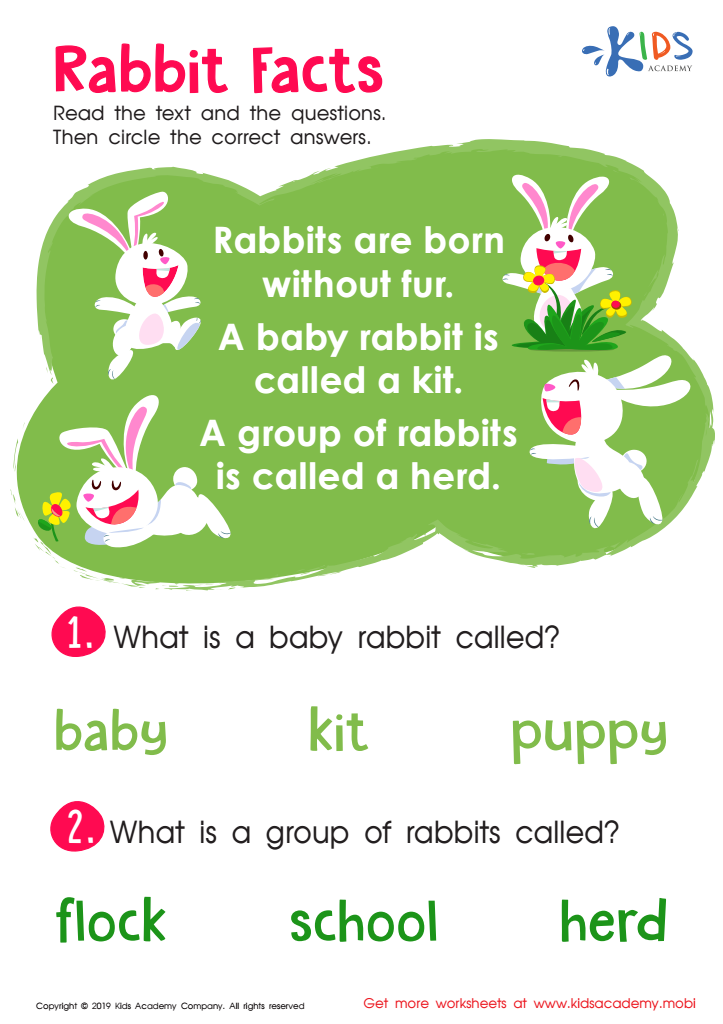
Rabbit Facts Worksheet
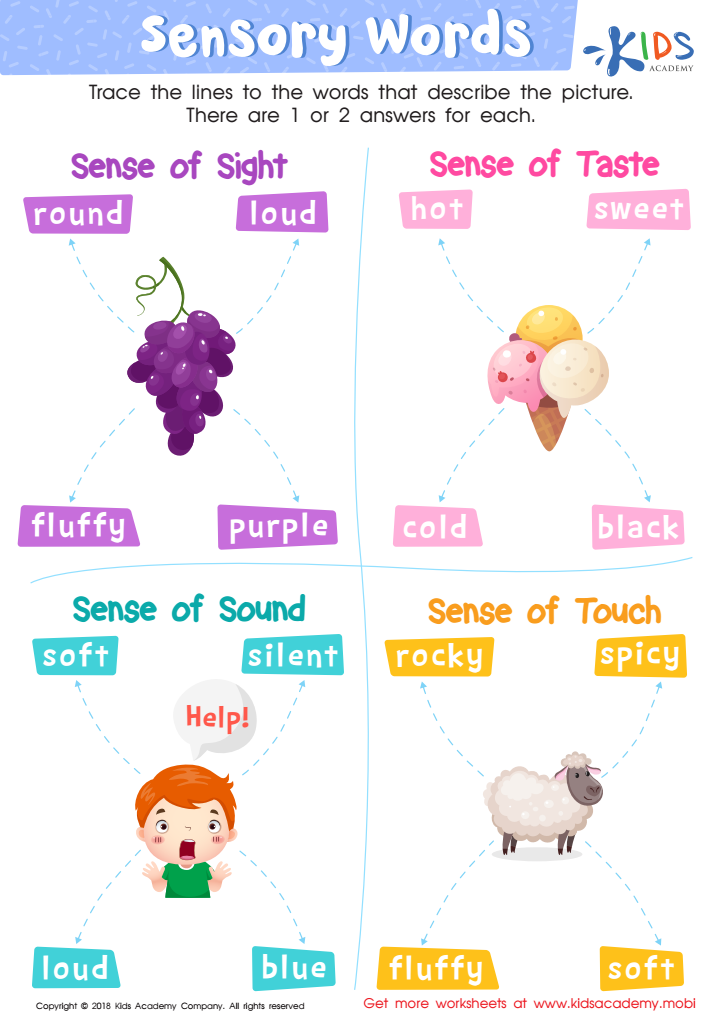
Sensory Words Worksheet








Enhancing vocabulary for children ages 4-6 is crucial for their overall development and future success. At this age, children are rapidly absorbing language and forming the foundations of communication skills. A rich vocabulary enhances their ability to express thoughts and emotions effectively, fostering confidence in social interactions.
Expanding vocabulary aids cognitive development, facilitating better comprehension of stories and ideas during early literacy. This understanding is vital not just for learning to read but also for broader academic success. When children encounter new words, they develop critical thinking and problem-solving skills as they relate concepts to their known experiences.
Moreover, a robust vocabulary is linked to better performance in school and life. Children who can articulate their needs and understanding are often more engaged and motivated learners. Parents and teachers should care about vocabulary enhancement as it supports not only academic outcomes but also emotional intelligence and social skills, enabling children to navigate their world with confidence.
In addition, engaging in vocabulary-building activities can be enjoyable, creating positive relationships around learning, boosting curiosity, and inviting playful exploration. By prioritizing this developmental aspect, adults can set children on a path toward lifelong learning and effective communication.








