Memory improvement Normal Worksheets for Ages 4-6
5 filtered results
-
From - To
Enhance your child's cognitive skills with our Memory Improvement Worksheets for Ages 4-6! Perfectly designed for young learners, these engaging and interactive worksheets focus on boosting memory retention through fun activities and exercises. Each worksheet includes vibrant illustrations and age-appropriate tasks that challenge children's memory while keeping them entertained. Ideal for parents and educators, our resources foster important learning skills that lay the foundation for future academic success. Download and print these educational worksheets to support your child’s memory development in a fun, supportive environment. Start building your child's memory skills today!
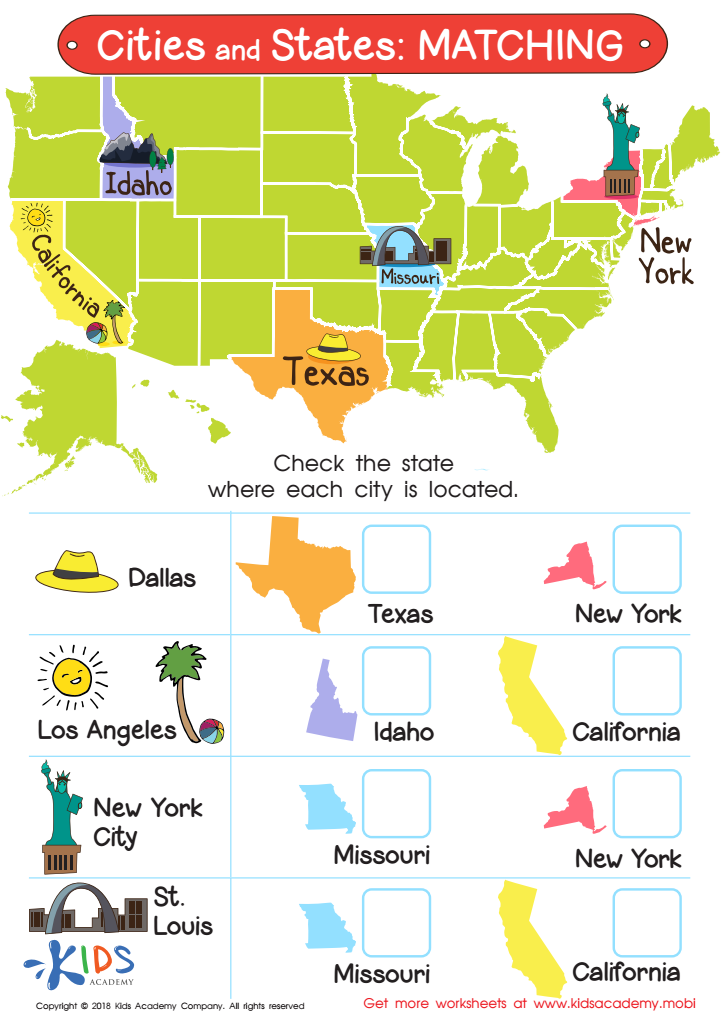
Cities and States: Matching Worksheet
 Assign to My Students

Chinese Word Symbols Worksheet
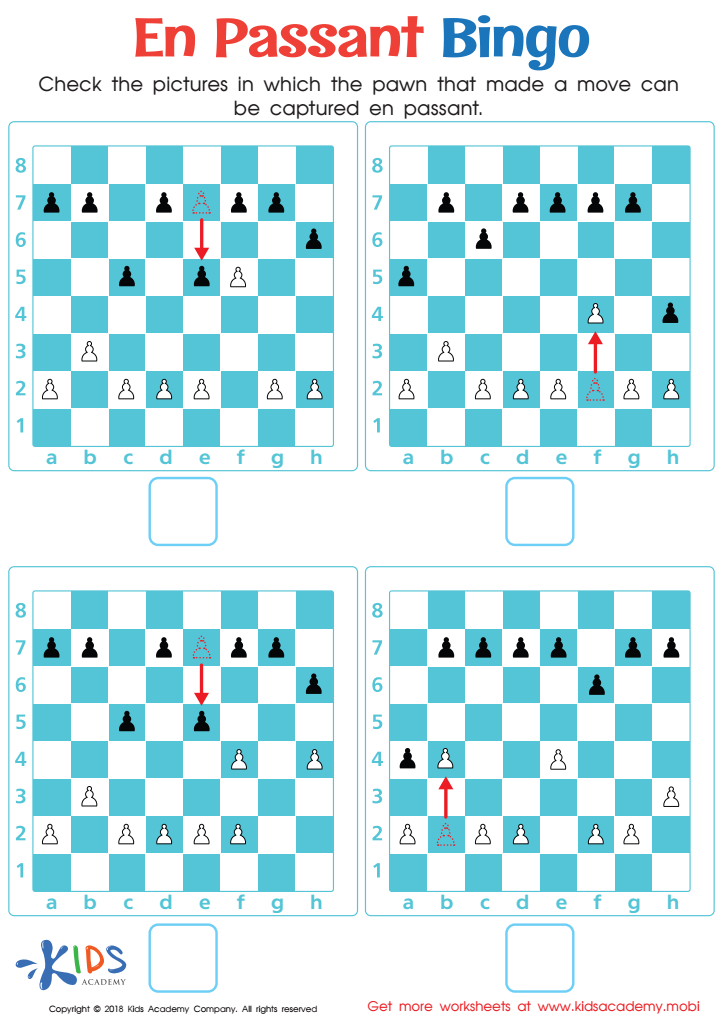
En Passant Bingo Worksheet
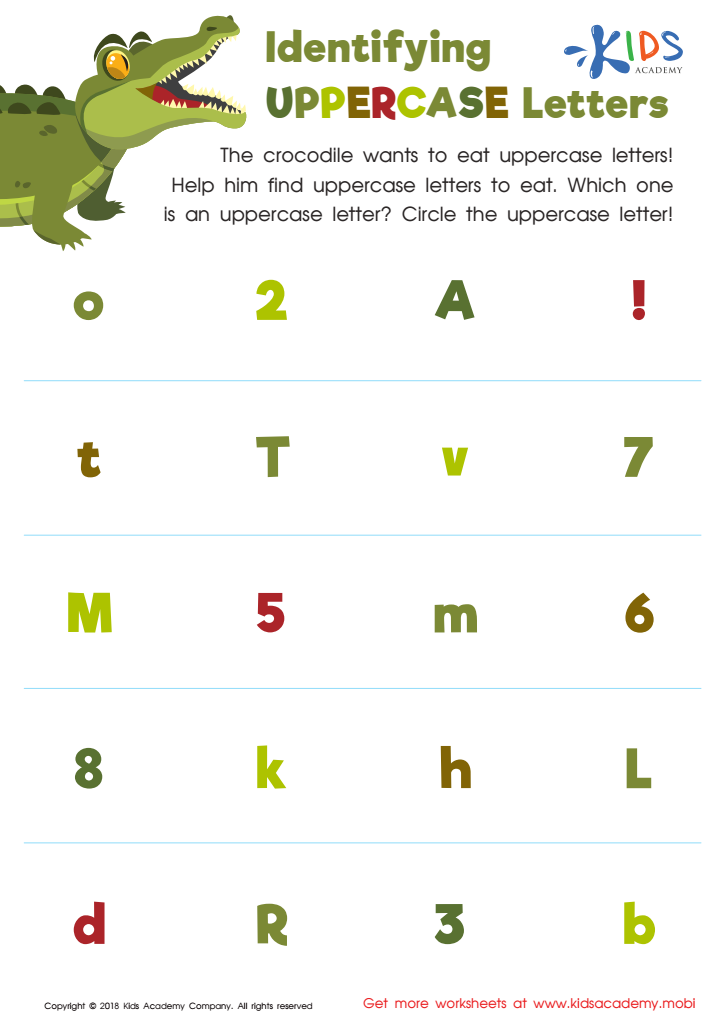
Identifying Uppercase Letters Worksheet
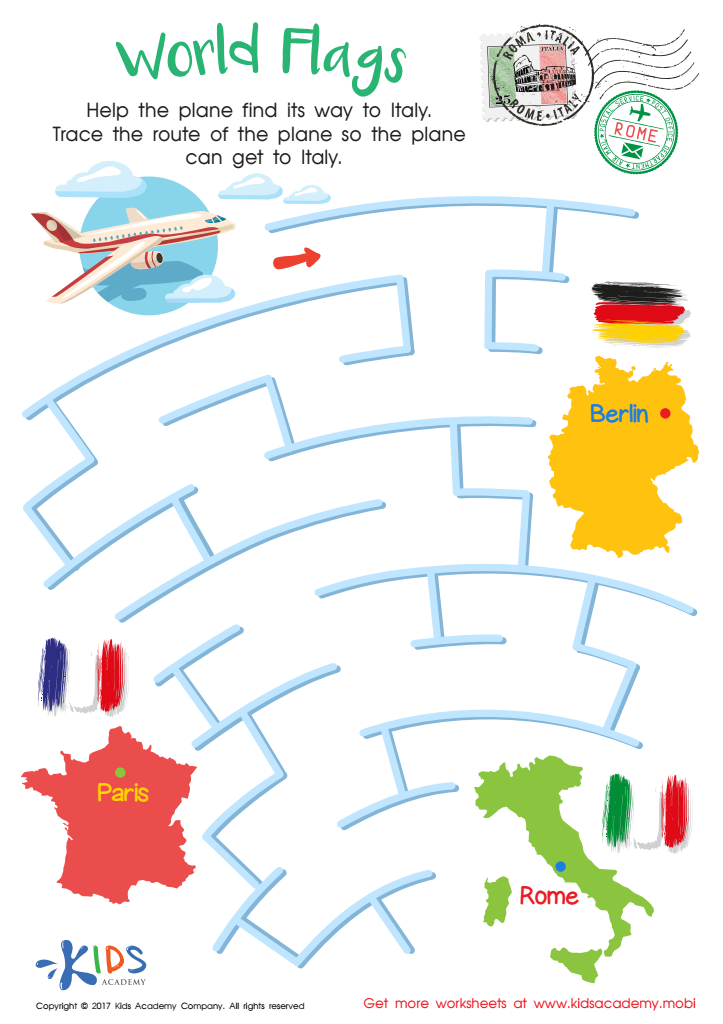
World Flags Maze Worksheet








Memory improvement is crucial for children ages 4 to 6 as it significantly impacts their overall cognitive development and academic success. During these formative years, children are in a critical phase of brain development, where they are learning fundamental skills such as language, counting, and social interaction. Enhanced memory skills support their ability to retain new information, follow directions, and engage in problem-solving, which are essential for future learning.
Furthermore, memory improvement boosts children's confidence. When they can recall stories, recognize letters, or remember the rules of a game, they become more willing to participate in classroom activities and social interactions. This engagement fosters a love for learning and encourages curiosity.
Furthermore, supporting memory development at this age can set the foundation for more complex cognitive tasks as children progress in their education. Parents and teachers can implement memory-boosting activities, such as games, songs, and storytelling, to create an enriching and stimulating environment.
By prioritizing memory improvement, caregivers not only help children navigate their immediate learning tasks but also equip them with essential tools for lifelong learning. Investing in their memory skills will yield benefits that extend well beyond the early years of education.








