Phonics improvement Normal Worksheets for Ages 4-6
3 filtered results
-
From - To
Introducing our Phonics Improvement Worksheets for Ages 4-6! These engaging and fun worksheets are designed to enhance your child's phonics skills through interactive activities tailored for their age group. Each worksheet focuses on essential phonetic concepts, helping young learners gain confidence in their reading abilities. With vibrant illustrations and age-appropriate exercises, children will enjoy practicing letter sounds, blending, and word recognition. Perfect for home learning or classroom use, our phonics worksheets support early literacy development, setting a strong foundation for a lifelong love of reading. Download today to turn learning into an exciting adventure!
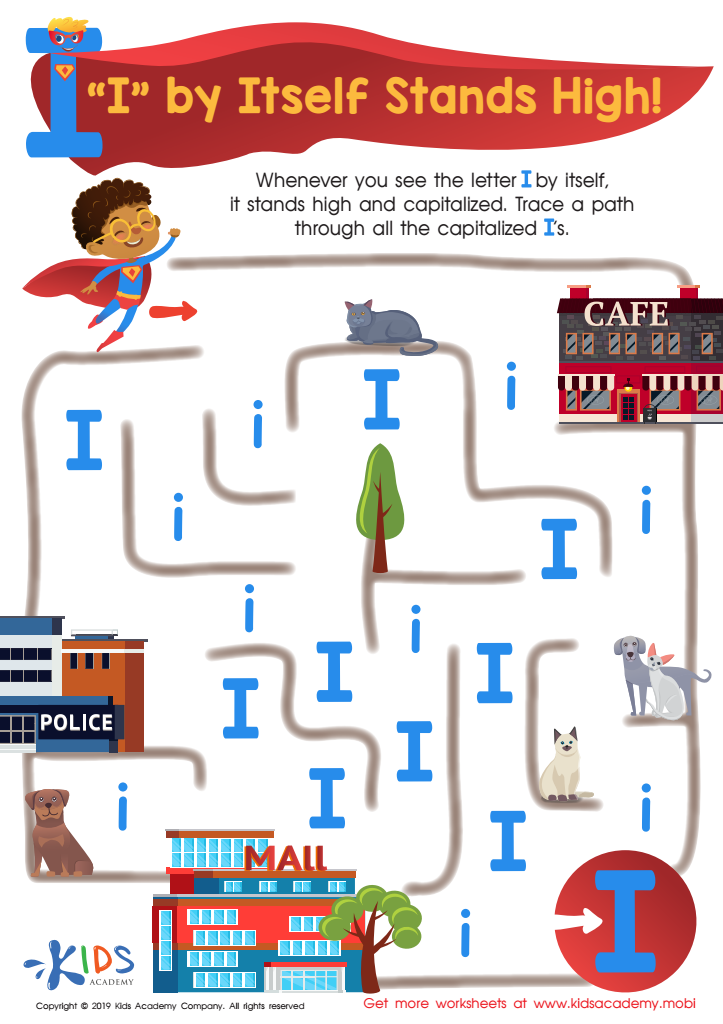
I Stands High Worksheet
 Assign to My Students
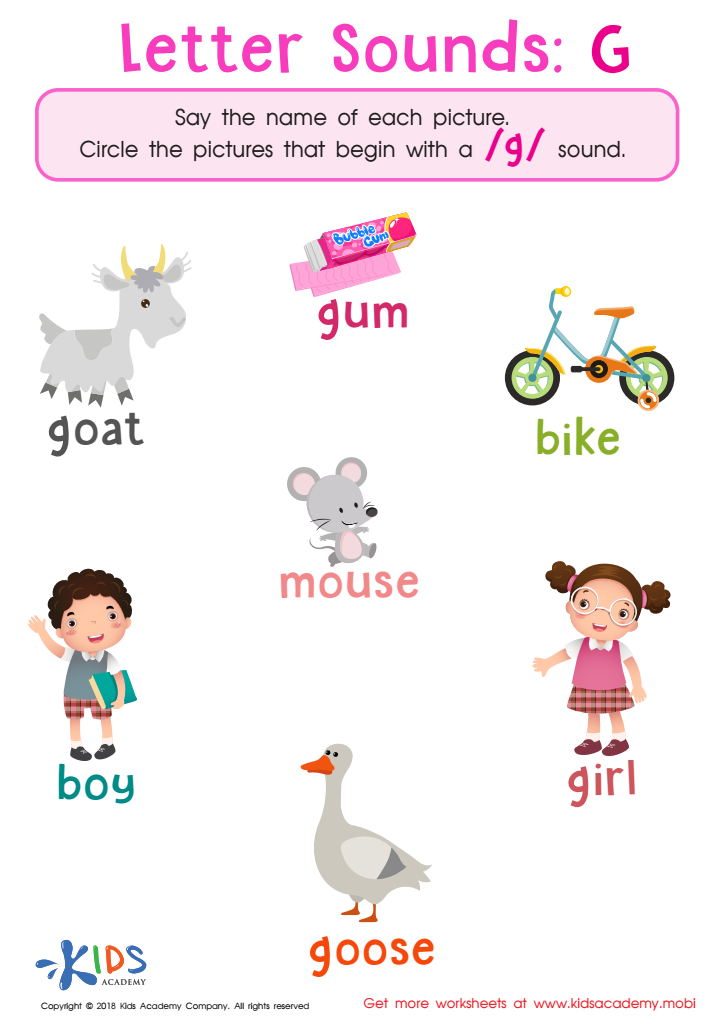
Letter G Sounds Worksheet





.jpg)


Phonics improvement is crucial for children aged 4-6 as it lays the foundation for reading and writing skills. During these formative years, children are developing essential literacy capabilities that significantly impact their overall academic success. Phonics instruction helps young learners understand the relationship between letters and sounds, allowing them to decode words when reading. This skill is not only vital for reading fluency but also enhances comprehension, as children become more confident and independent readers.
Parents and teachers should prioritize phonics improvement because it promotes effective communication and creativity. Strong phonics skills empower children to express their thoughts clearly through writing. Furthermore, early literacy skills are linked to long-term educational outcomes; children who struggle with phonics are more likely to face challenges in later years.
Additionally, engaging in phonics activities can be a fun and interactive way for families and educators to bond. Together, they can explore reading in a stimulating environment, encouraging a love for books and learning. By fostering phonics development, parents and teachers contribute significantly to a child's academic journey, setting them up for future success in literacy and beyond.








