Phonics skills development Normal Worksheets for Ages 4-6
4 filtered results
-
From - To
Enhance your child’s reading foundation with our Phonics Skills Development Worksheets designed for ages 4-6. These engaging, printable resources foster early literacy by introducing essential phonetic concepts in a fun and interactive way. Each worksheet focuses on skills such as letter recognition, sound blending, and rhyming, helping children to build strong reading habits. Conveniently crafted for young learners, these worksheets promote active engagement and encourage independent practice. Perfect for at-home learning or classroom activities, our phonics worksheets provide a positive learning experience that supports language development and literacy skills. Start your child's educational journey with dynamic phonics activities today!
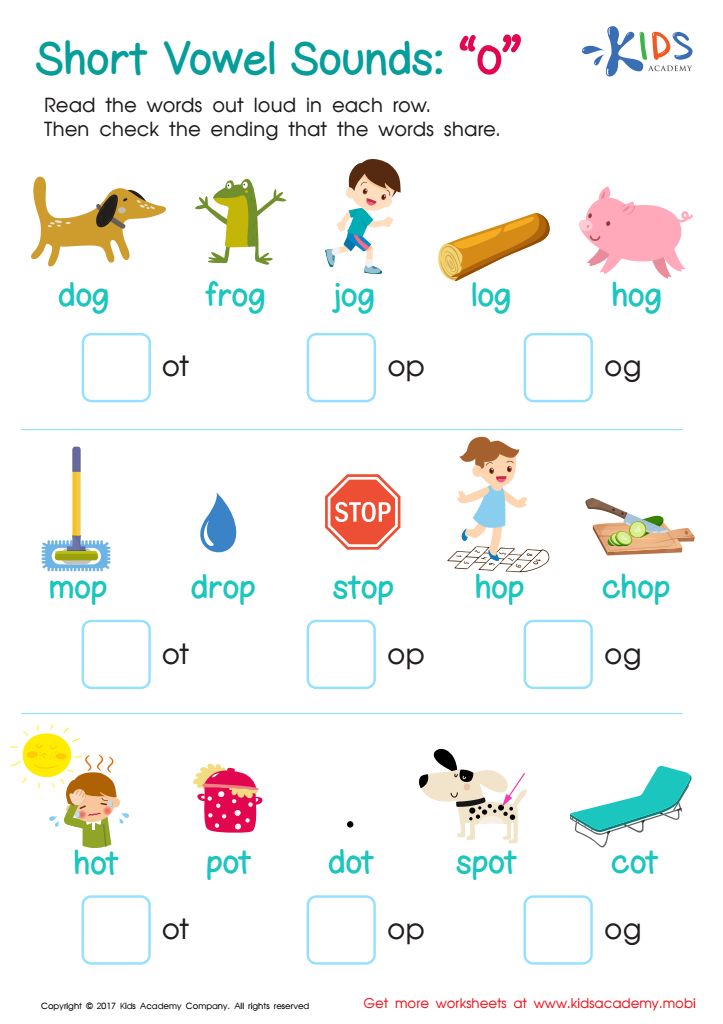
Short vowel Sounds "o" Spelling Worksheet
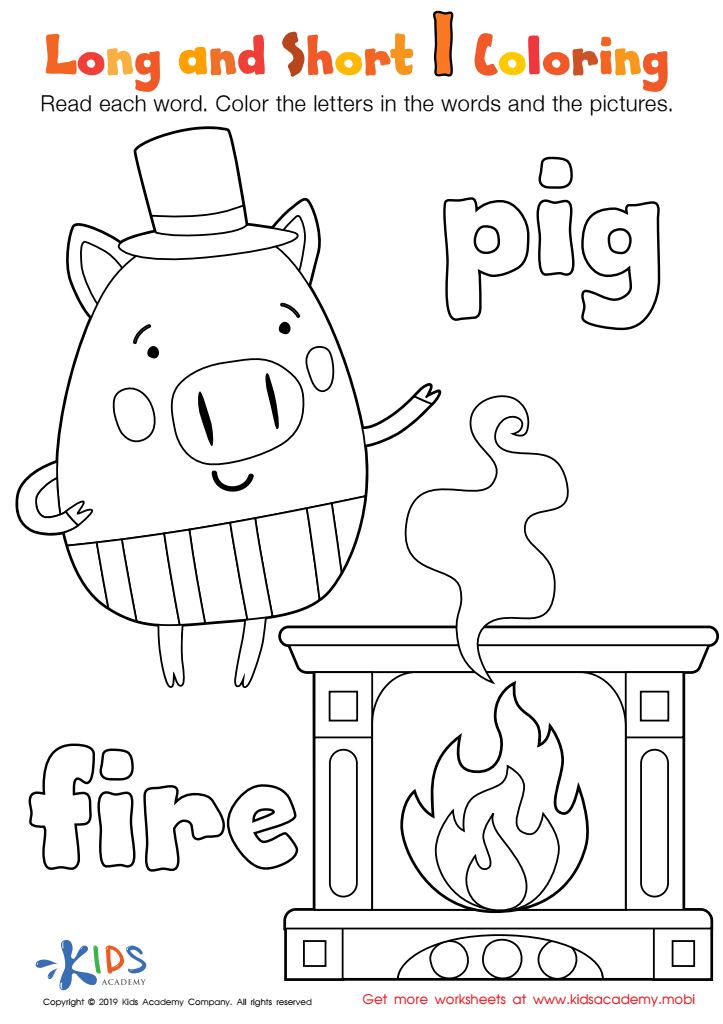
Long and Short I Worksheet
 Assign to My Students
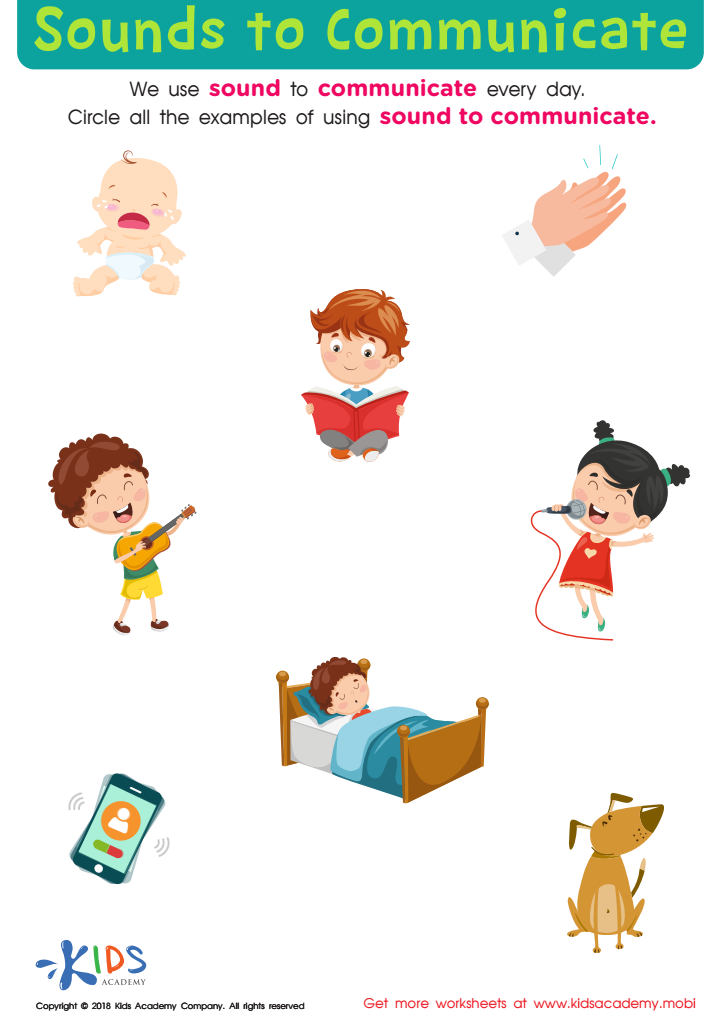
Sounds to Communicate Worksheet
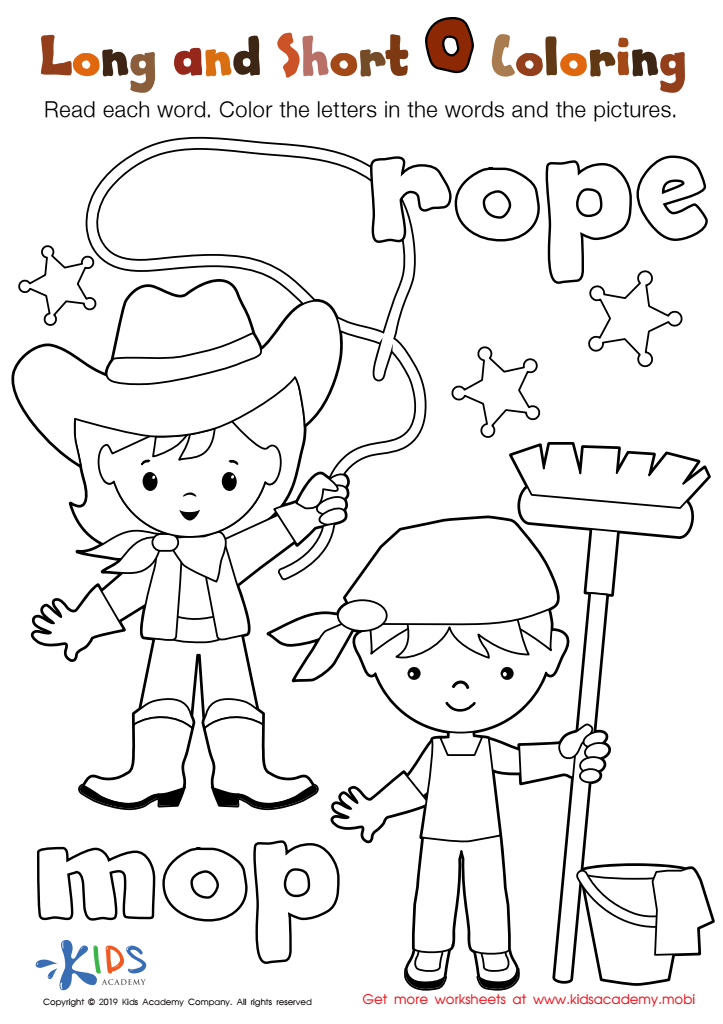
Long and Short O Worksheet
Assign to My Students








Phonics skills development is crucial for children aged 4-6 as it lays the foundation for reading and writing. At this developmental stage, children are highly receptive to language acquisition. Phonics teaches them the relationship between letters and sounds, enabling them to decode words and improve their reading fluency.
Strong phonics skills not only assist in early literacy but also boost children's overall academic performance. As they learn to segment and blend sounds, children gain confidence and motivation to explore reading independently, which cultivates a lifelong love for books. Moreover, phonics encourages critical thinking and cognitive skills, compelling children to make connections between sounds and meanings.
Parents and teachers play a vital role in supporting this skill development. Engaging in phonics activities, such as playing sound games, rhyming, or reading aloud, nurtures an enjoyable learning environment. Additionally, phonics can help identify any reading difficulties early on, allowing for timely intervention and support.
In essence, investing in phonics skills during these formative years equips children with essential tools for literacy, empowering them to succeed academically and communicate effectively in their everyday lives. Ultimately, phonics training benefits not just reading ability but overall cognitive development and confidence in learning.








