Shape identification Normal Worksheets for Ages 4-6
9 filtered results
-
From - To
Enhance your child’s understanding of shapes with our "Shape Identification Normal Worksheets" designed specifically for ages 4-6. These engaging and colorful worksheets help young learners identify, recognize, and differentiate various shapes in a fun and interactive way. Perfect for preschool or kindergarten classrooms, each worksheet encourages hands-on learning through activities like tracing, coloring, and matching shapes. Our thoughtfully curated exercises promote critical thinking and fine motor skills essential for early development. Encourage creativity and shape recognition in your little ones today—download these printable worksheets and watch them thrive as they explore the exciting world of shapes!
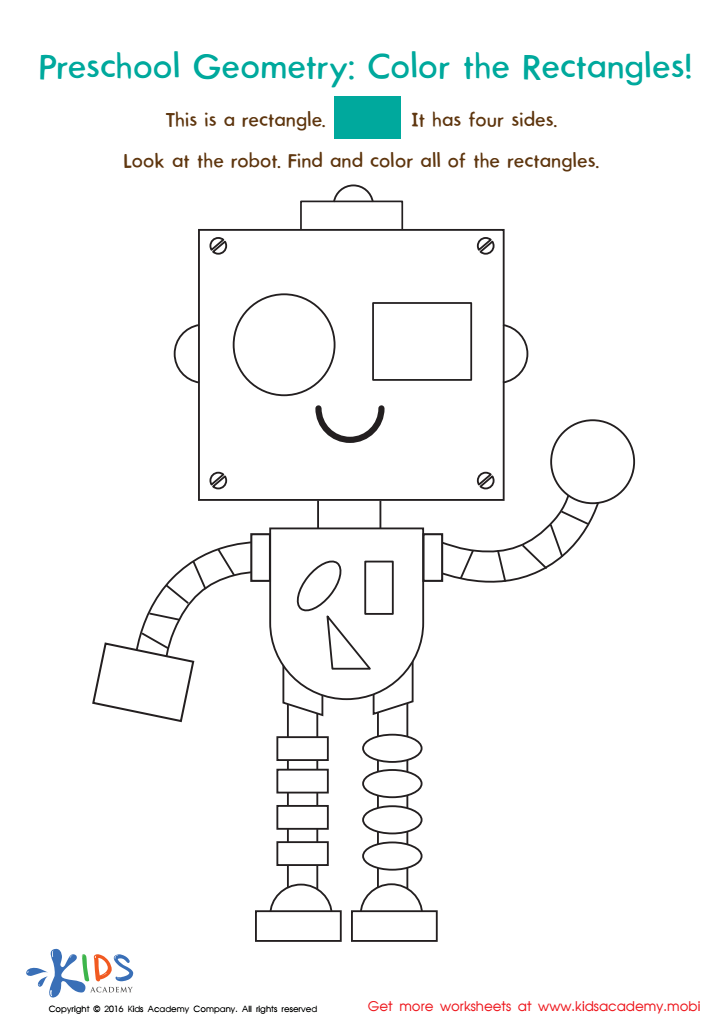
Geometry Worksheet
 Assign to My Students
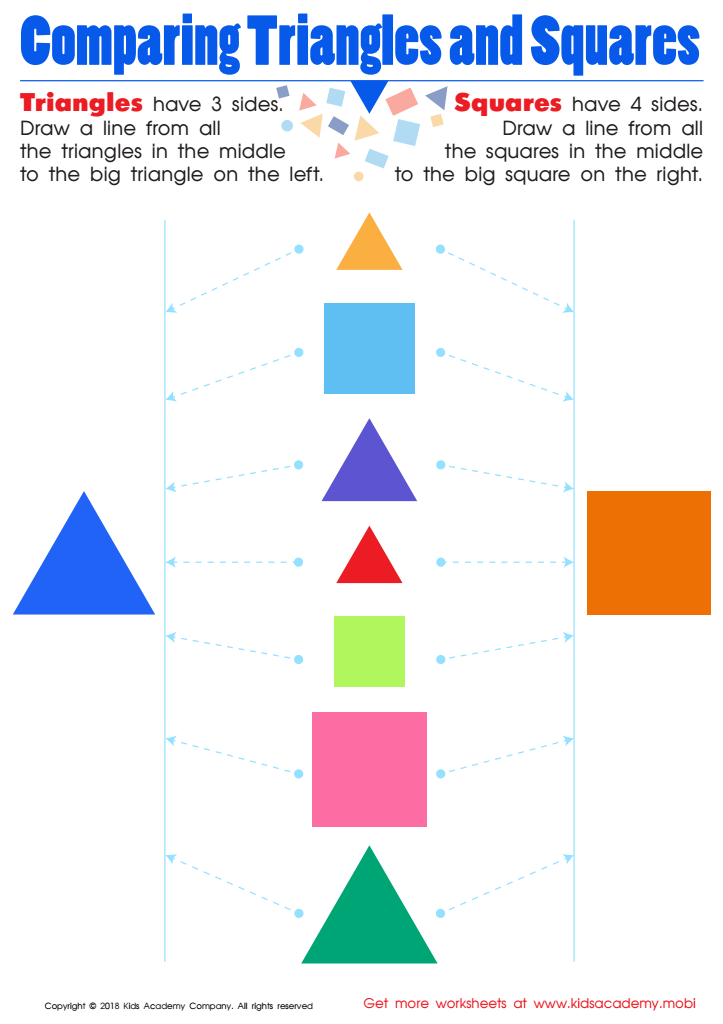
Comparing Triangles Squares Worksheet
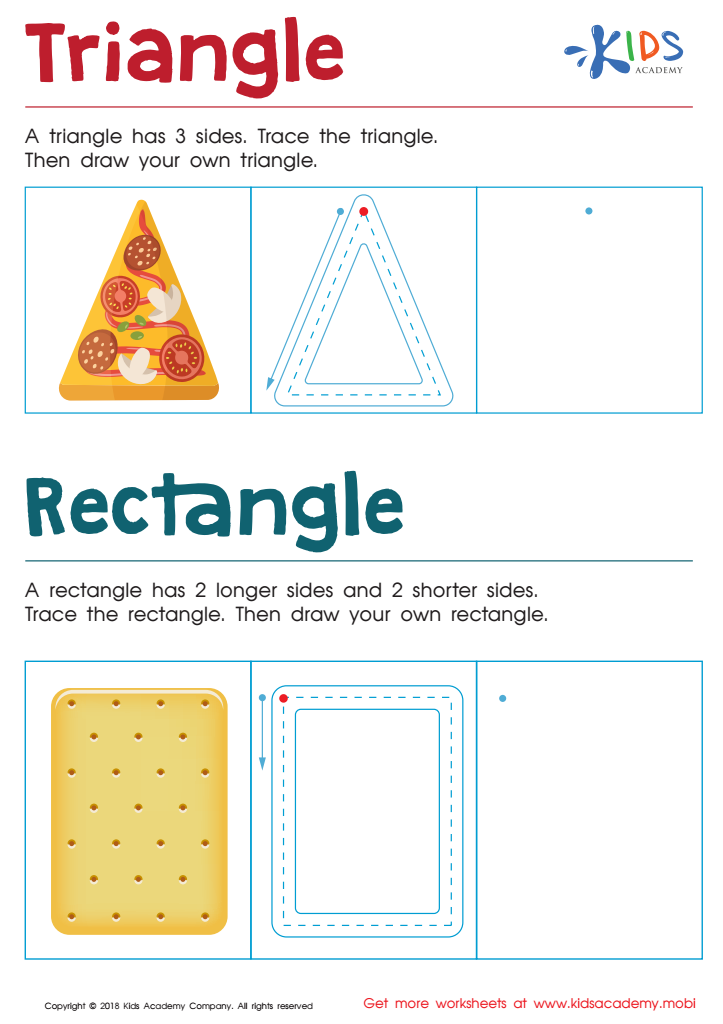
Triangle Rectangle Worksheet
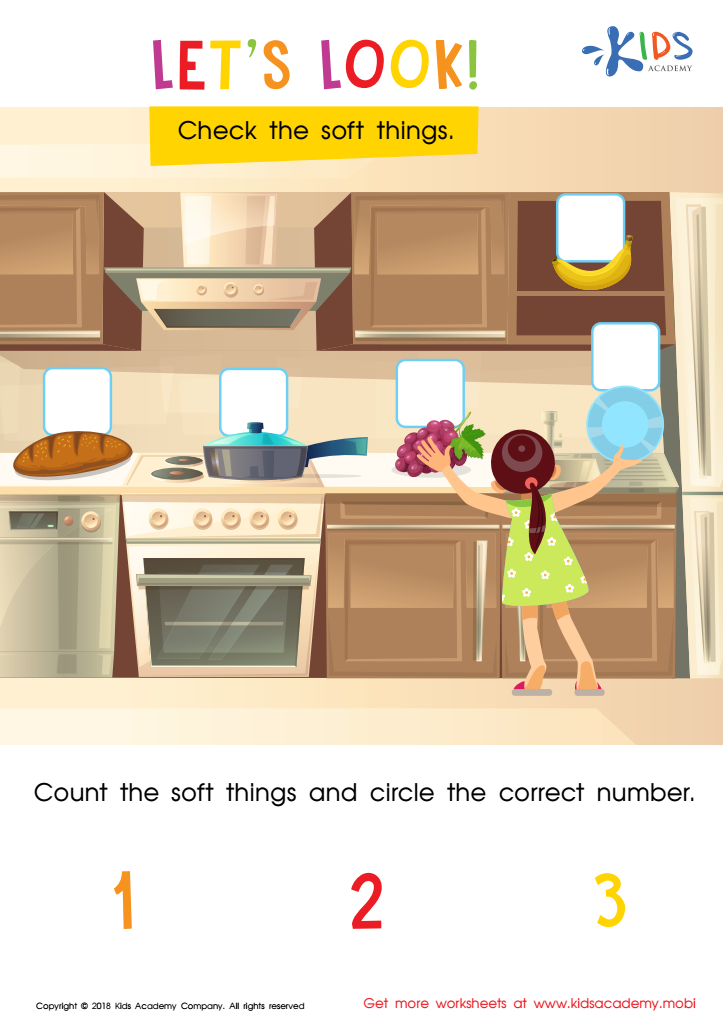
Let's Look! Assessment Worksheet
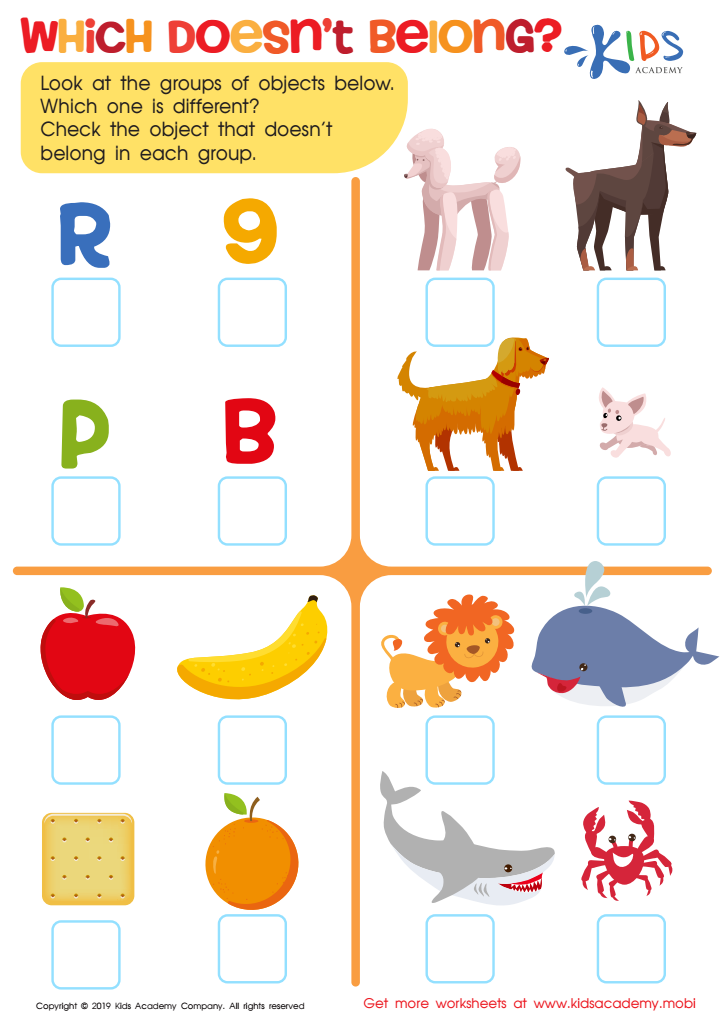
Which Doesn't Belong? Worksheet
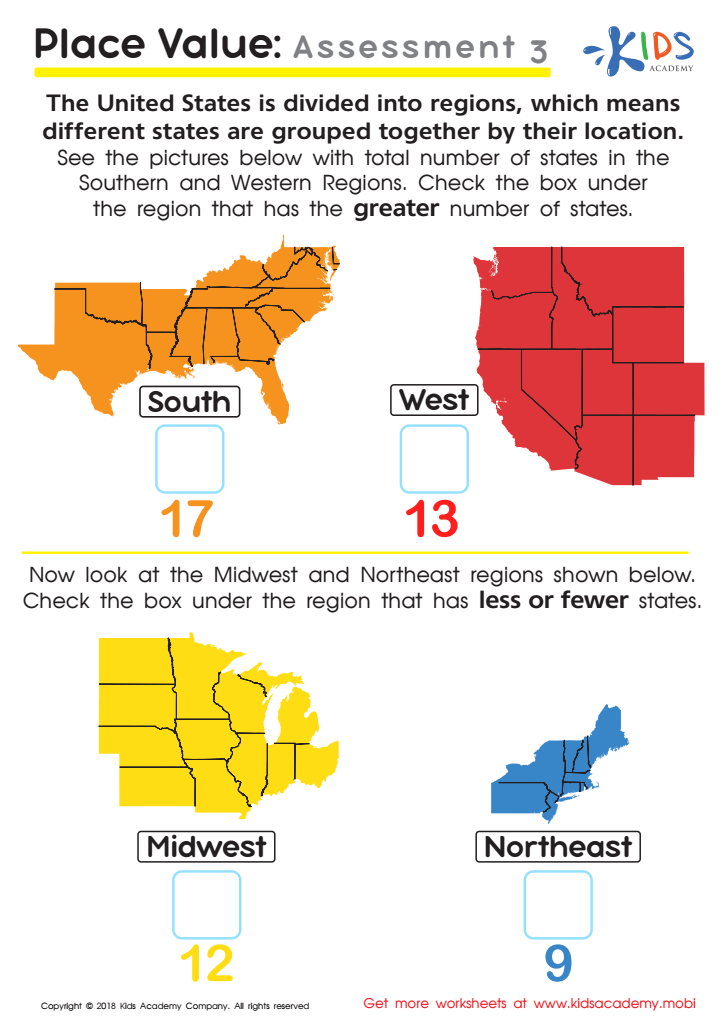
Place Value: Assessment 3 Worksheet
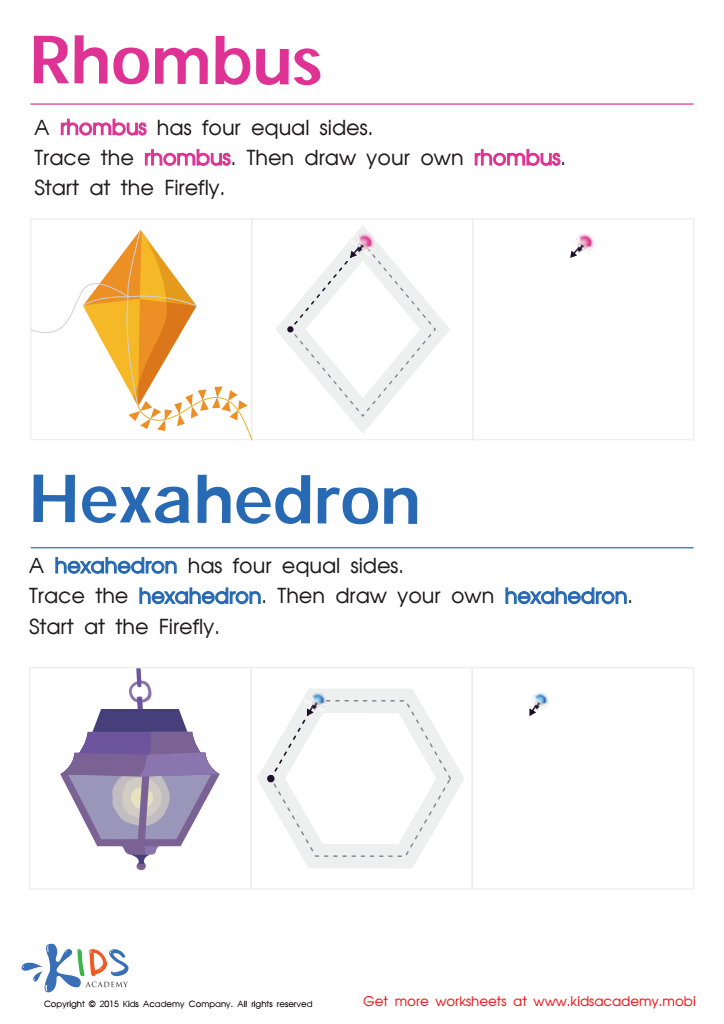
Draw a Rhombus And a Hexahedron Printable
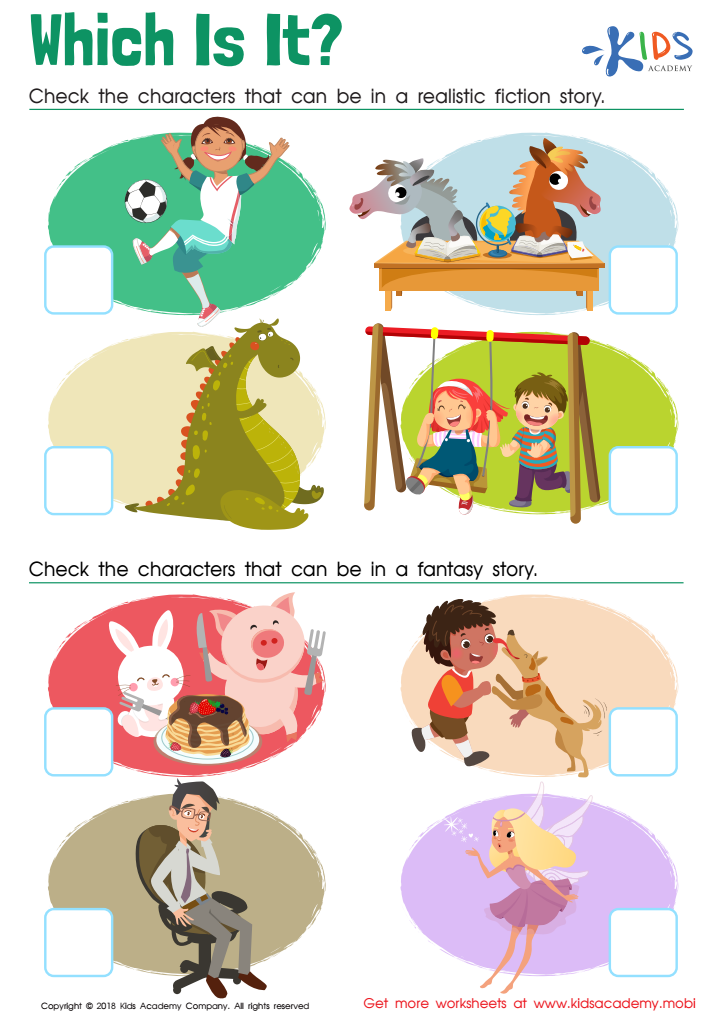
Which Is It? Worksheet
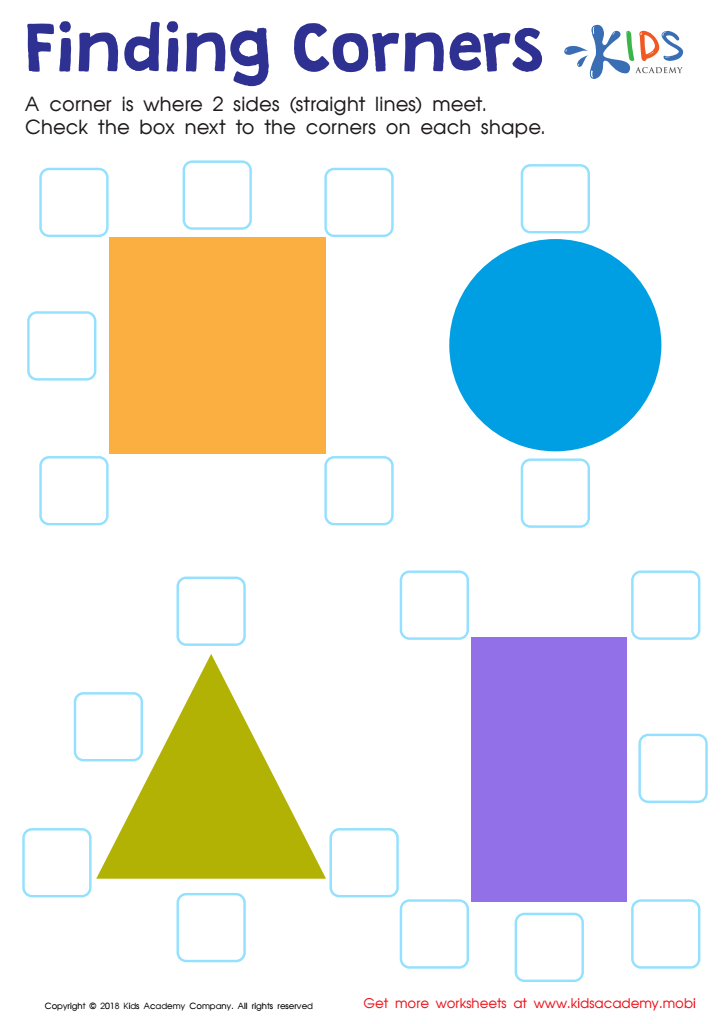
Finding Corners Worksheet








Shape identification is a fundamental skill that plays a crucial role in early childhood development for children aged 4-6. Parents and teachers should care about this aspect of learning because it lays the groundwork for essential cognitive and motor skills. Recognizing shapes helps children understand the world around them, as shapes are the building blocks of more complex concepts in math and science.
When children identify shapes, they develop critical thinking skills and enhance their visual-spatial awareness, which is vital for problem-solving. This understanding also fosters creativity, as children learn to differentiate between various items based on their shapes. Furthermore, the process of shape recognition aids in language development, allowing children to expand their vocabulary by learning and using shape terms.
Incorporating shape identification into daily activities makes learning fun and engaging, offering opportunities for hands-on experiences and play-based learning. By recognizing shapes in their environment, children build connections and apply their knowledge practically. Overall, parents and teachers play a significant role in nurturing this foundational skill, paving the way for future learning and academic success. Encouraging shape identification is therefore an investment in children's cognitive development and future educational journeys.








