Sound recognition Normal Worksheets for Ages 4-6
11 filtered results
-
From - To
Discover our engaging Sound Recognition Worksheets designed specifically for children aged 4-6! These fun and interactive worksheets help young learners develop essential listening and phonetic skills through various activities. By identifying and matching sounds with images, children enhance their auditory discrimination and build a strong foundation for reading. Our age-appropriate tasks foster creativity and encourage self-expression, ensuring that learning remains enjoyable. Perfect for parents and educators alike, these worksheets provide valuable practice in sound recognition, promoting literacy and cognitive development. Explore our collection to empower your child's learning journey today!
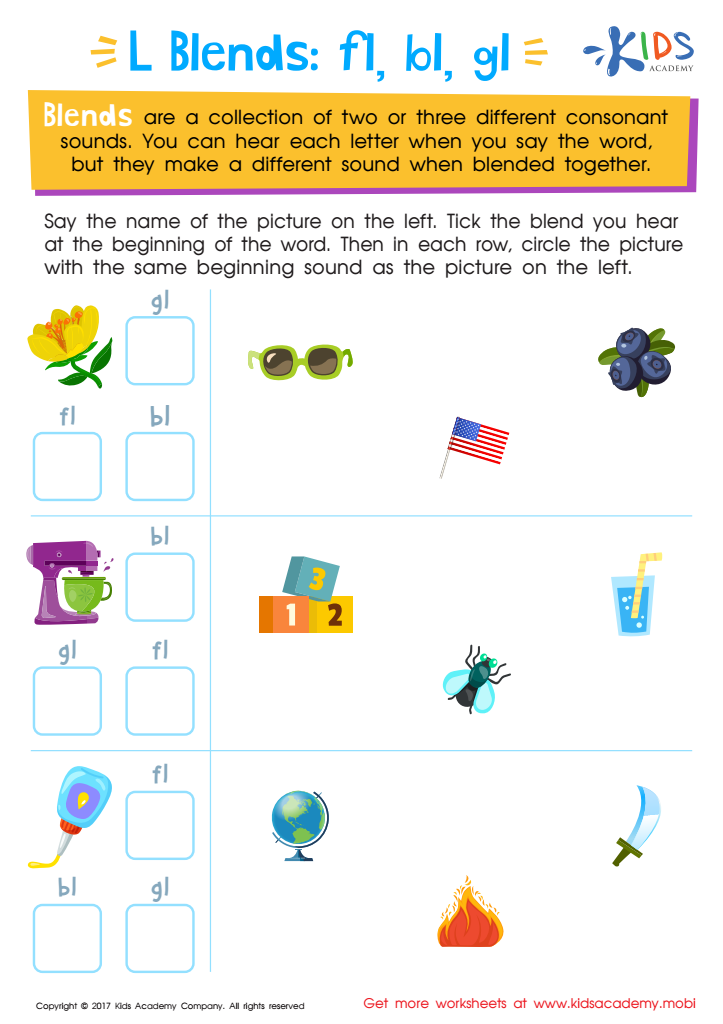
Blending Consonants: "Fl", "Bl" and "Gl" Printable
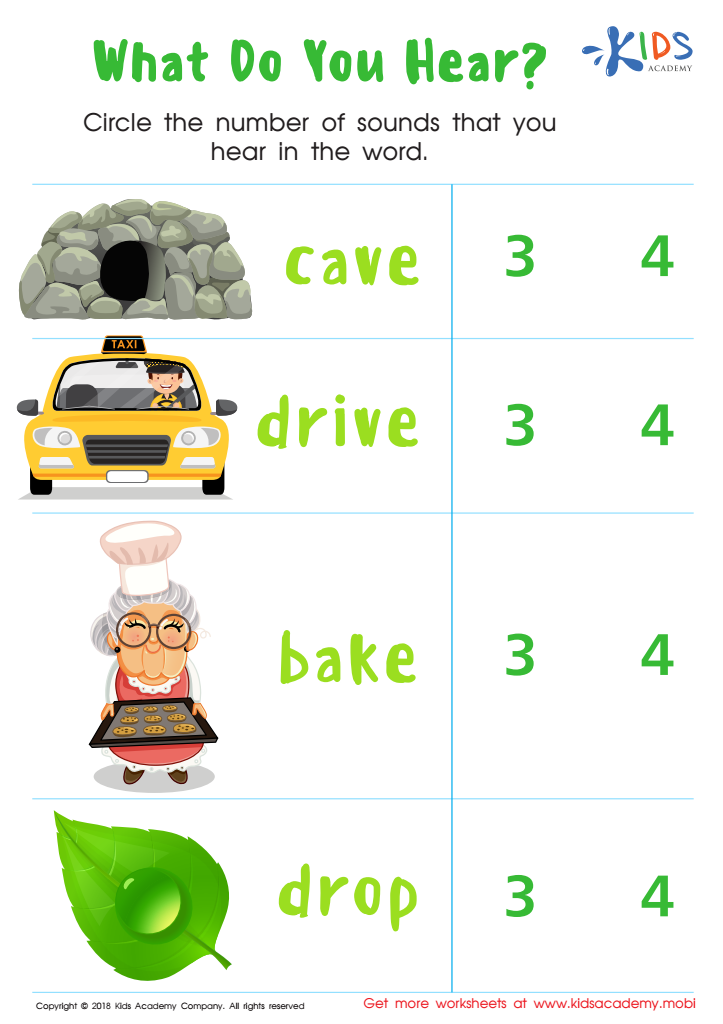
What Do You Hear? Worksheet
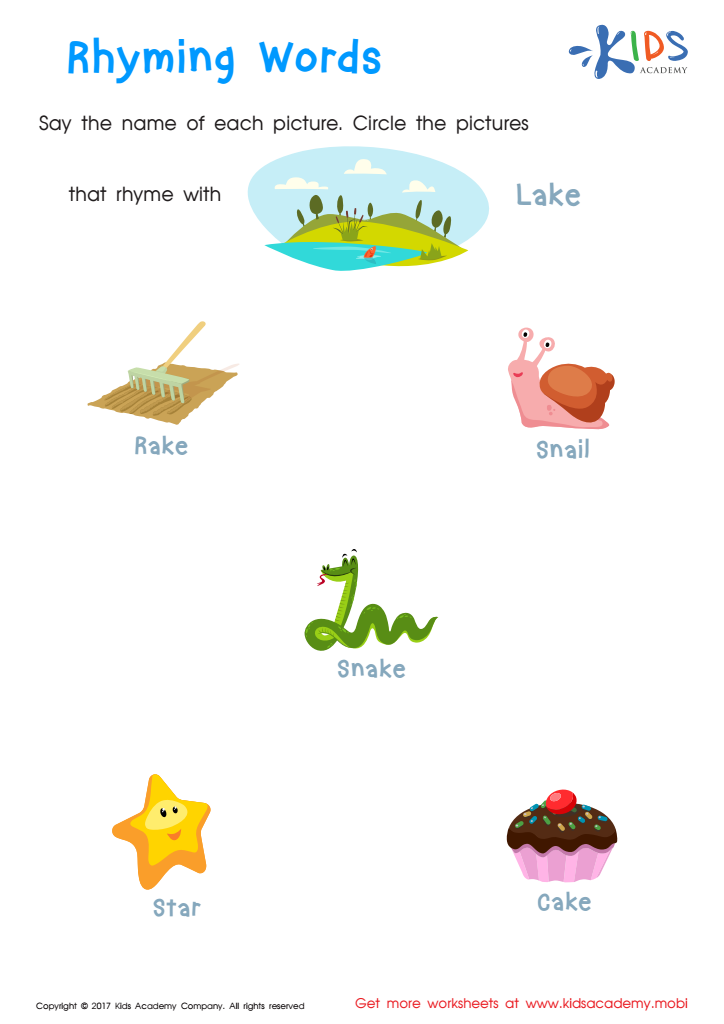
Rhyming Words Rhyming Worksheet
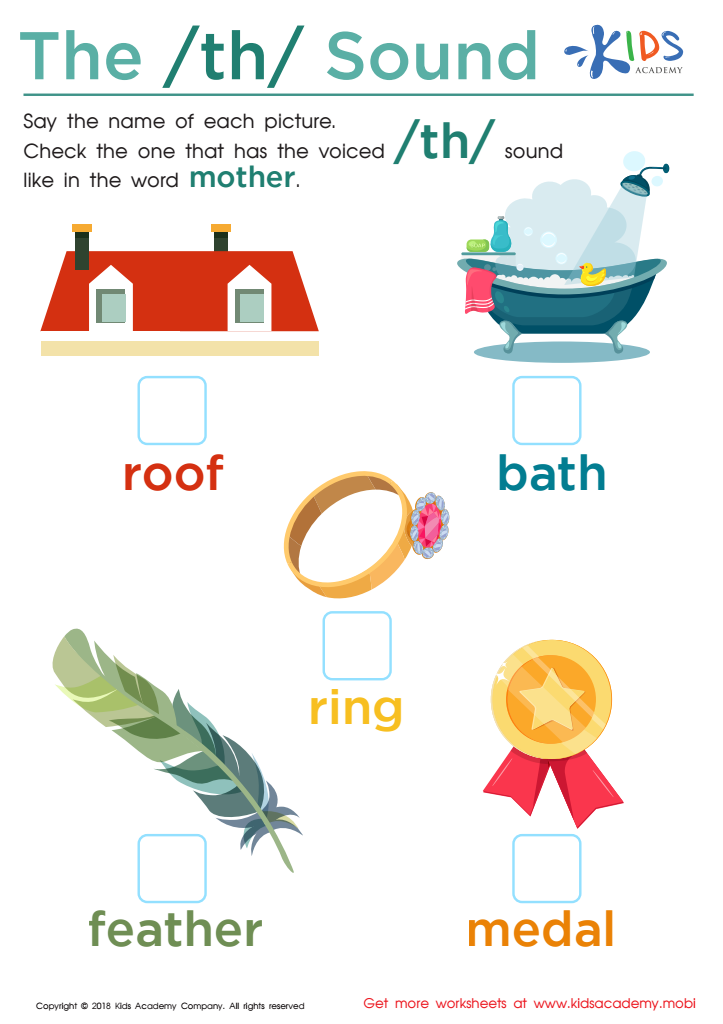
The /th/ Sound Worksheet
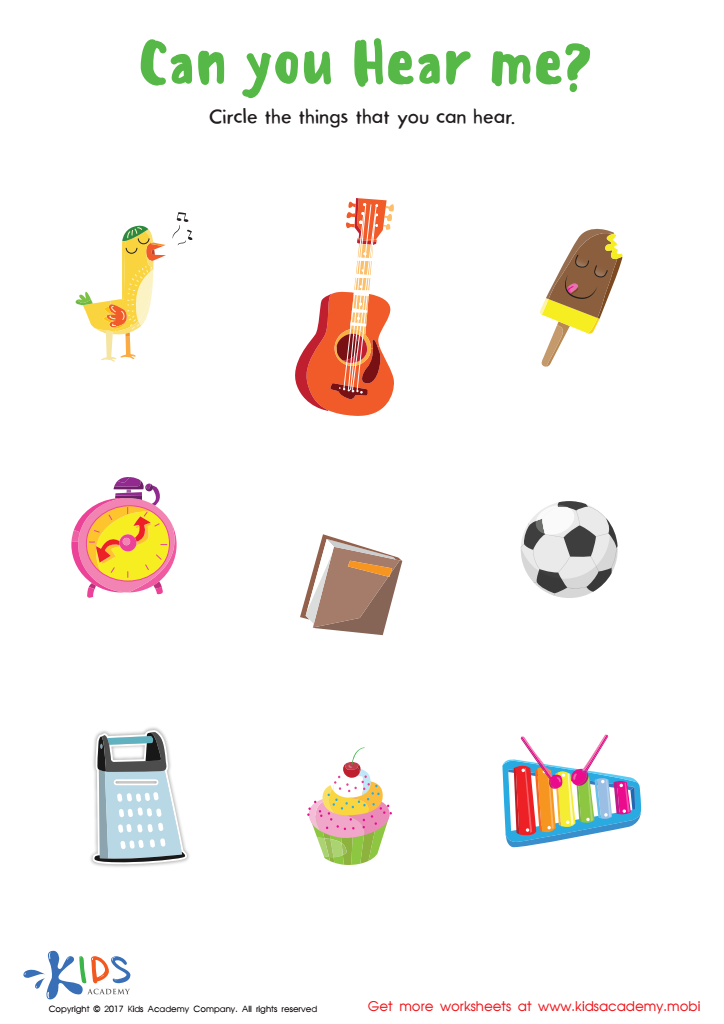
Can You Hear Me Worksheet
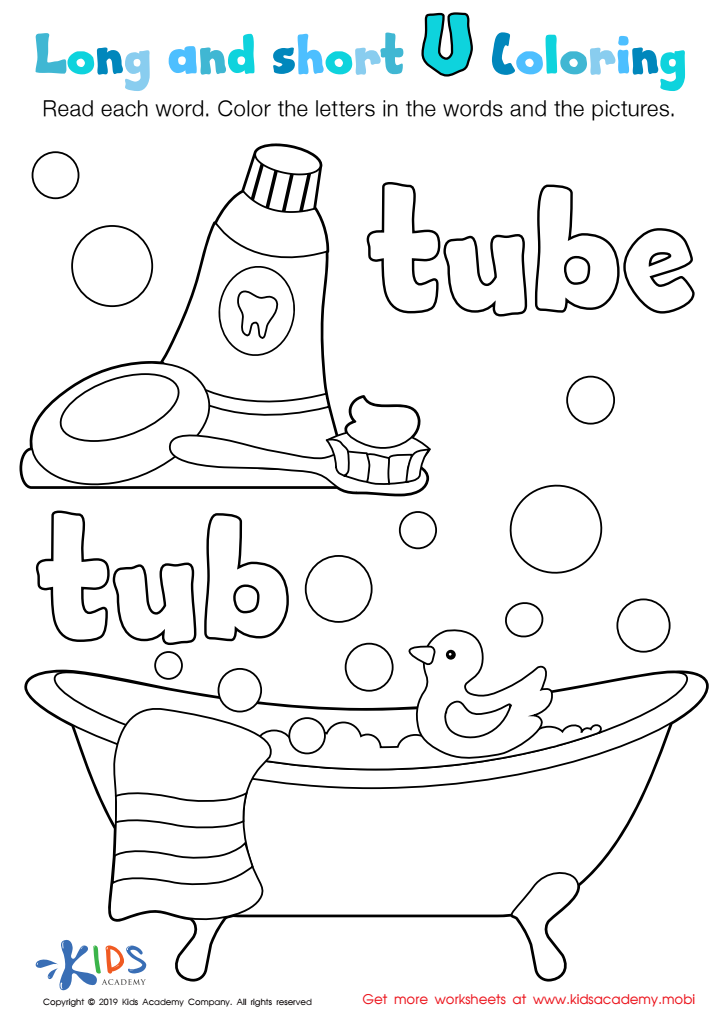
Long and Short U Worksheet
 Assign to My Students
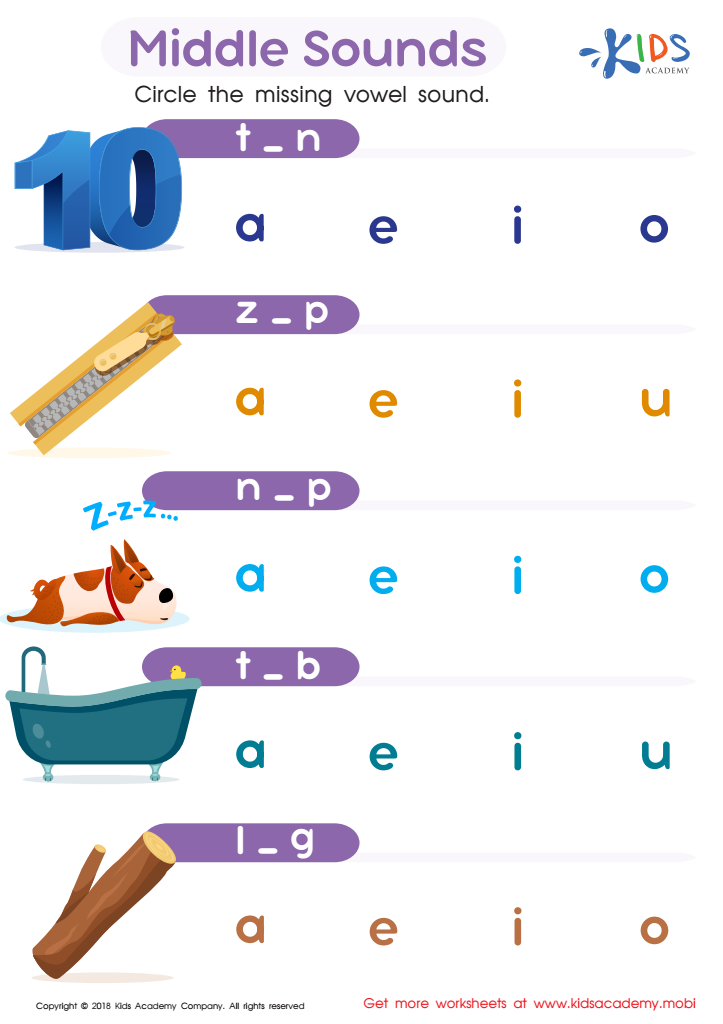
Middle Sounds Worksheet
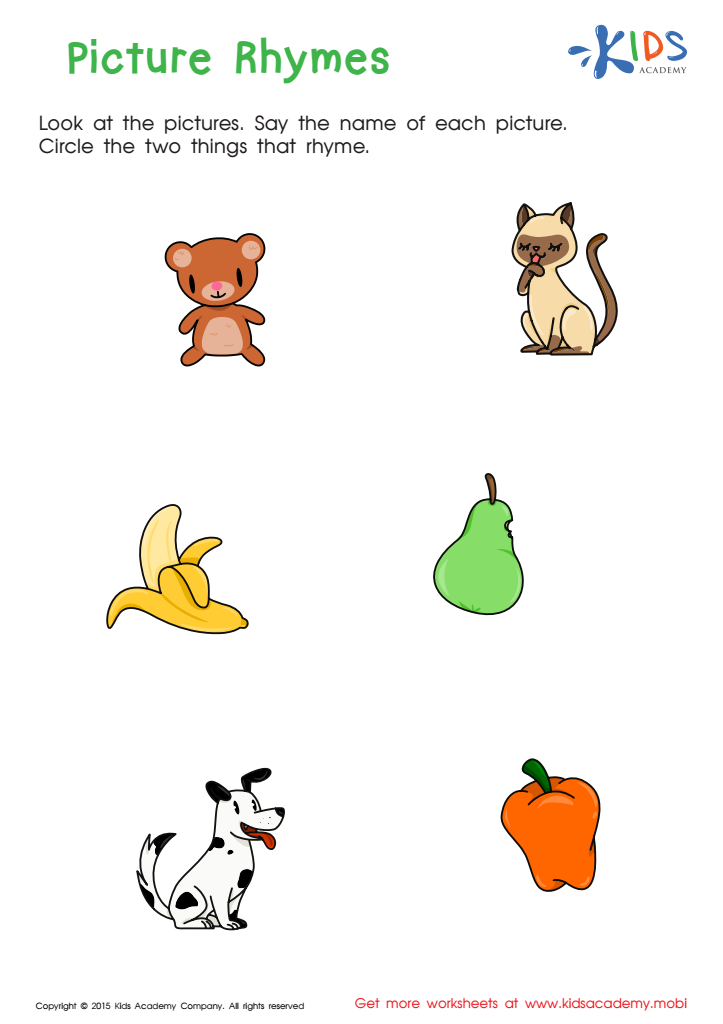
First Words: Picture Rhymes Worksheet
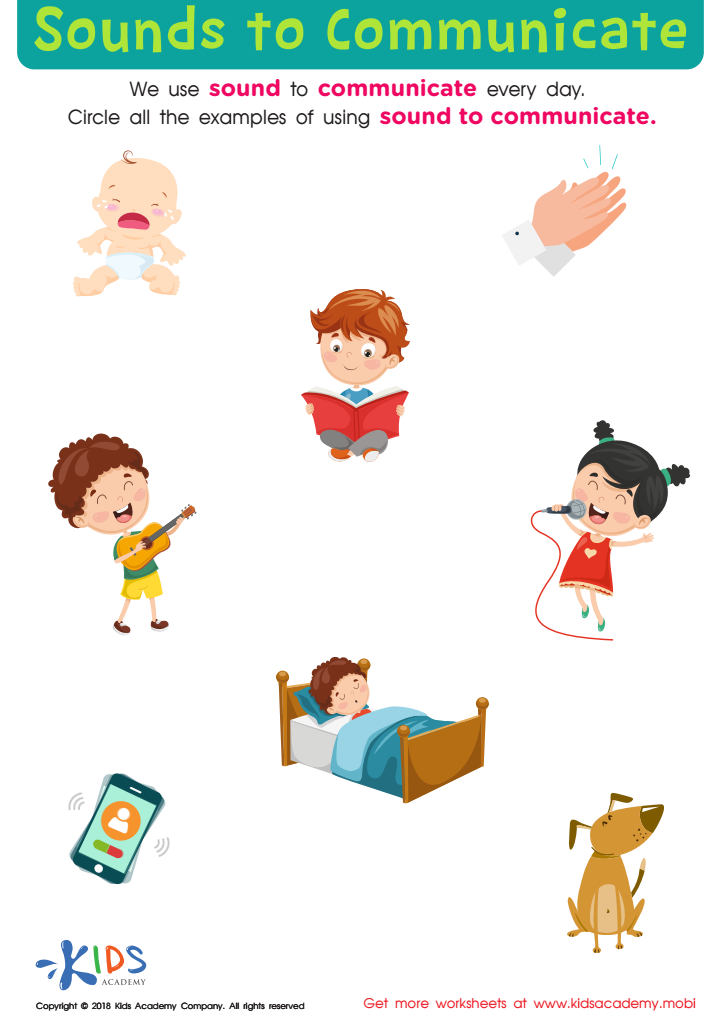
Sounds to Communicate Worksheet
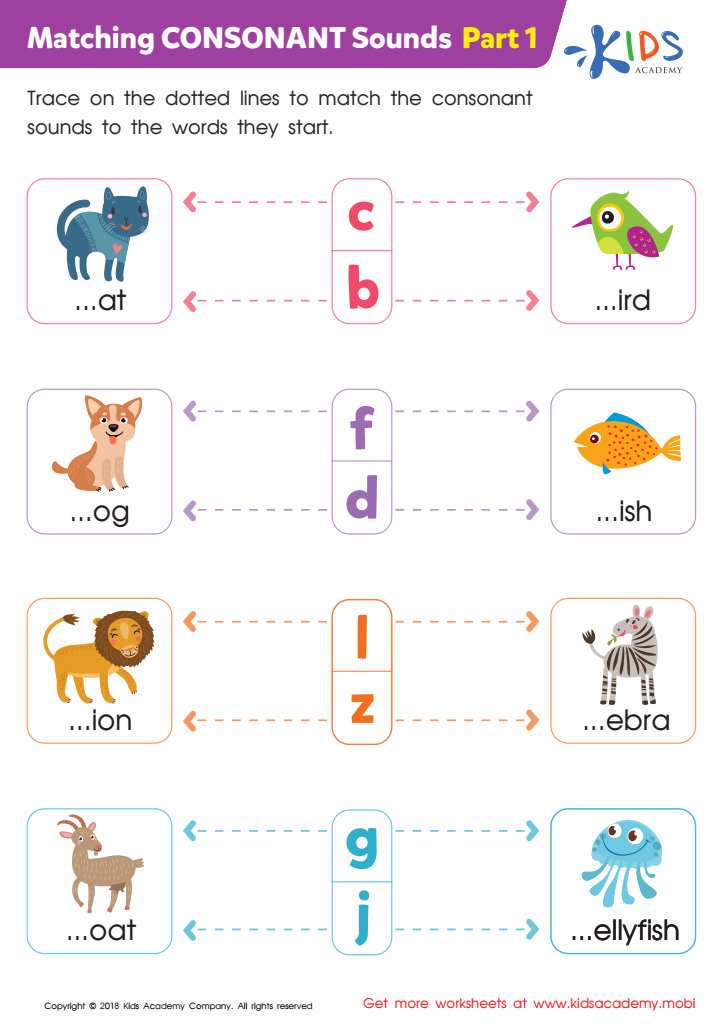
Matching Consonant Sounds: Part 1 Worksheet
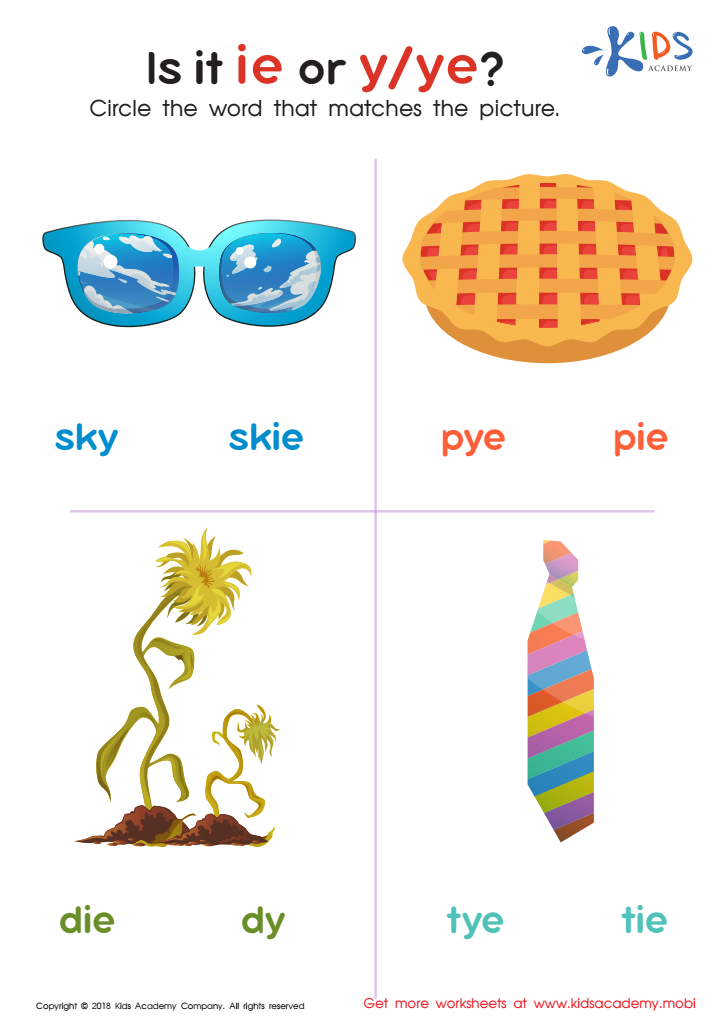
Is It IE or Y/Ye? Worksheet






.jpg)

Sound recognition is a fundamental skill that plays a crucial role in early childhood development, particularly for children aged 4-6. During this stage, children are developing their phonemic awareness, which is essential for reading and language acquisition. When parents and teachers prioritize sound recognition, they help children distinguish individual sounds in spoken language, laying the groundwork for effective reading and communication skills.
For instance, recognizing sounds enables children to connect letters to their corresponding sounds, which is the cornerstone of phonics. This connection enhances their reading ability and boosts their confidence as they embark on their literacy journey. Furthermore, sound recognition also plays a significant role in vocabulary development; children who can identify and manipulate sounds are better equipped to comprehend new words and concepts.
Additionally, sound recognition activities can be both fun and engaging, incorporating games and songs that encourage active participation. This not only inspires a love for learning but also strengthen parent-child and teacher-student relationships through shared activities. By recognizing the importance of sound recognition, parents and teachers can promote academic success and foster a strong foundation for lifelong learning in young children.








