Critical Thinking Normal 2D Shapes Worksheets for Ages 4-6
5 filtered results
-
From - To
Enhance your child's critical thinking skills with our engaging Normal 2D Shapes Worksheets designed for ages 4-6! These worksheets provide fun activities that encourage children to recognize, compare, and analyze various two-dimensional shapes. By solving puzzles and engaging in creative problem-solving games, young learners will develop essential cognitive skills while exploring shapes like circles, squares, triangles, and more. Each worksheet promotes interactive learning, making it easy for kids to grasp mathematical concepts while having fun. Perfect for home or classroom use, these critical thinking worksheets are a fantastic way to foster early math proficiency in a playful environment. Download now and watch your child's skills grow!
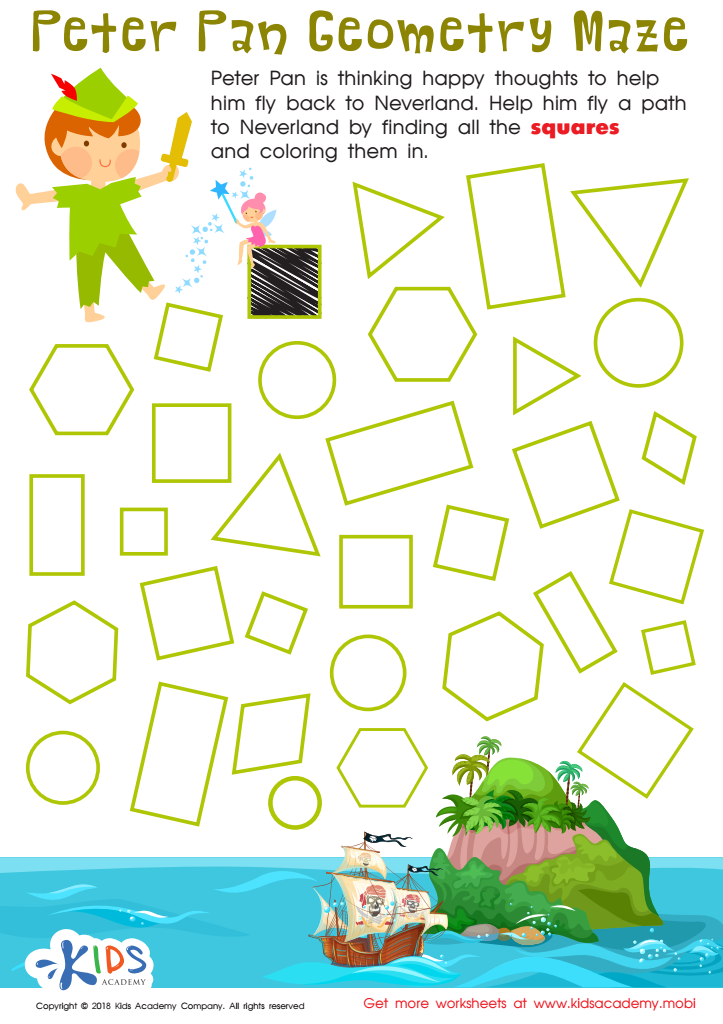
Peter Pan Worksheet
 Assign to My Students



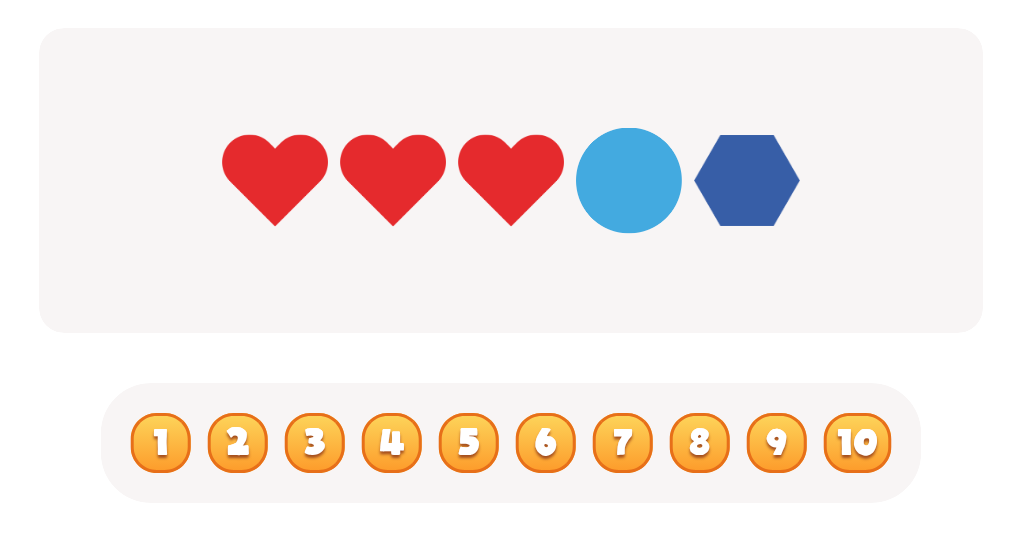
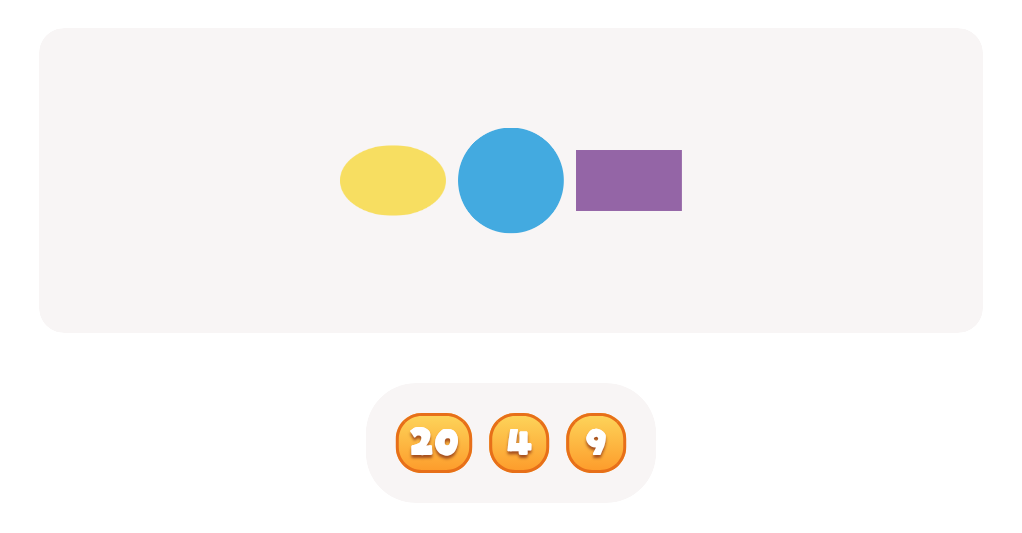
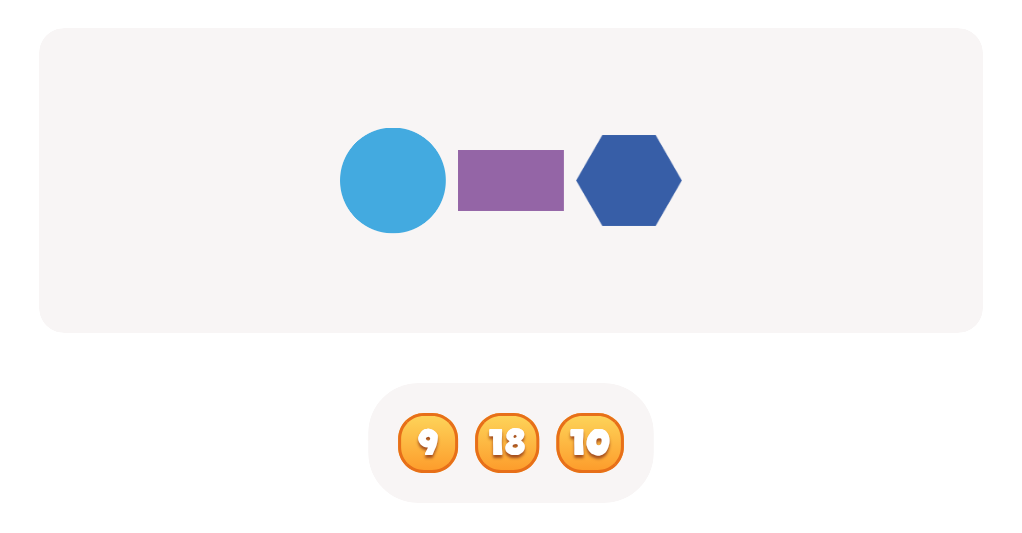
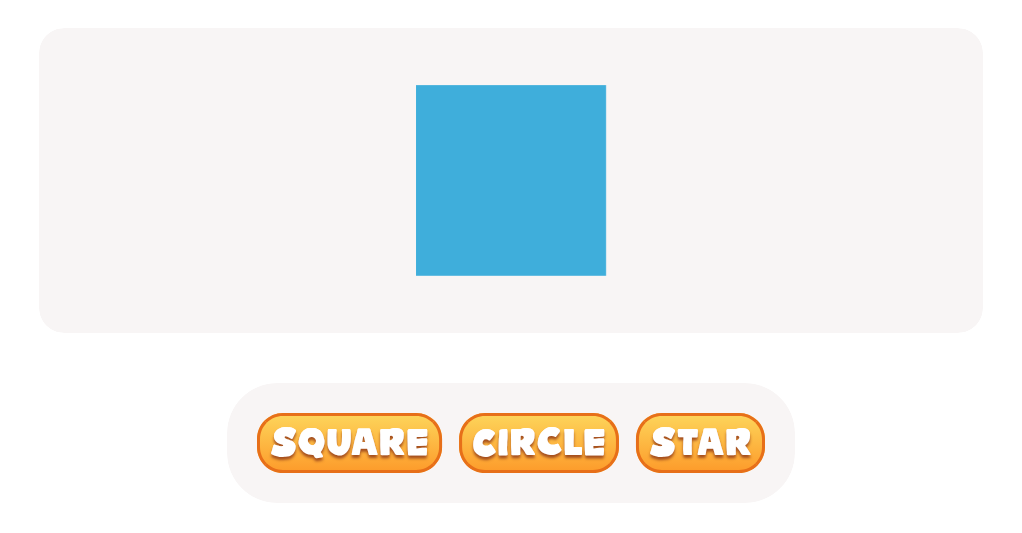
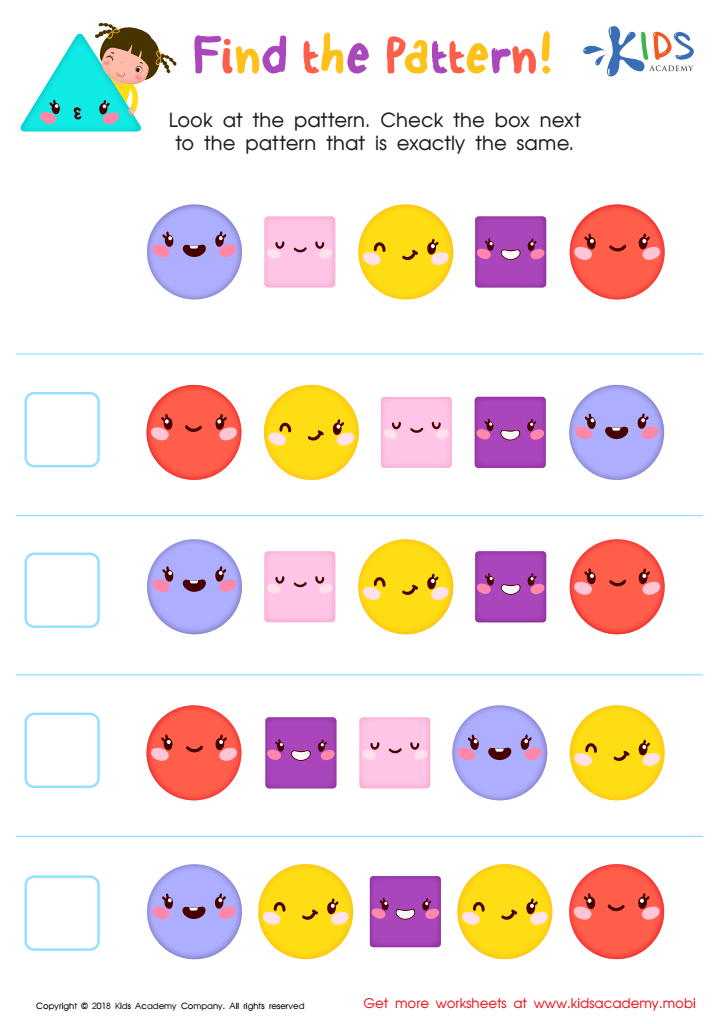
Find the Pattern Worksheet
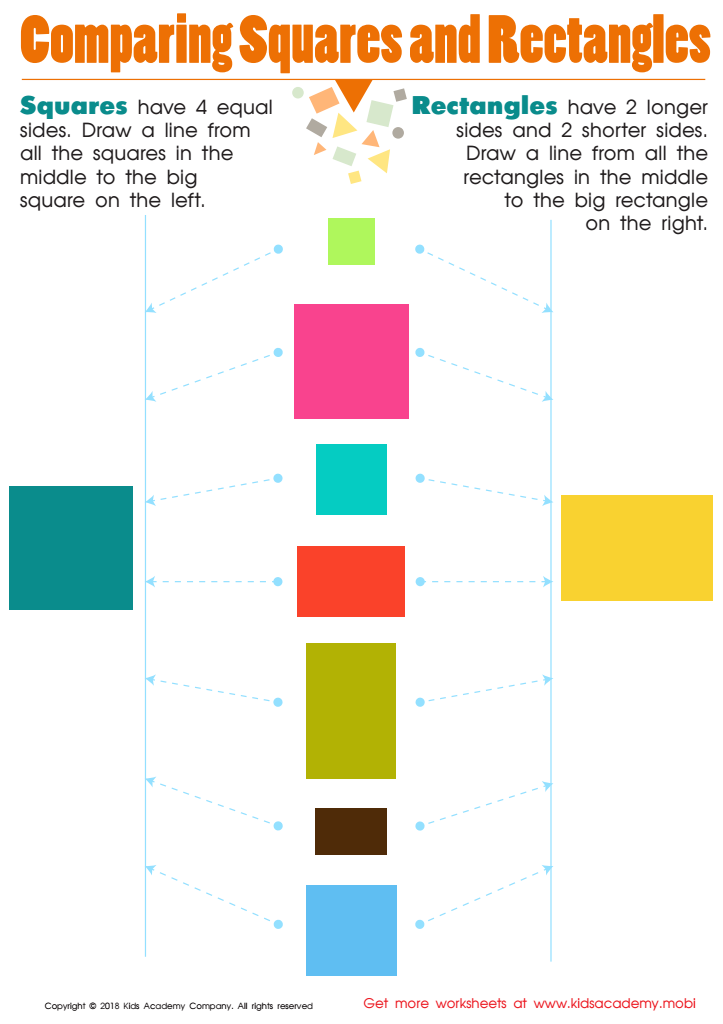
Comparing Squares Rectangles Worksheet
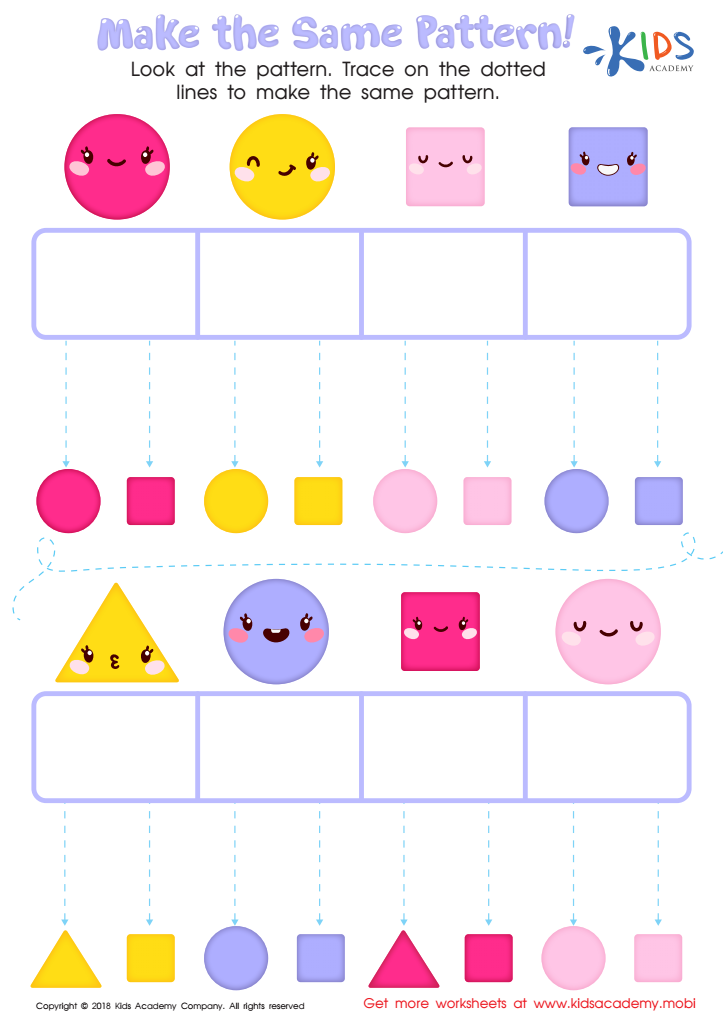
Make the Same Pattern Worksheet
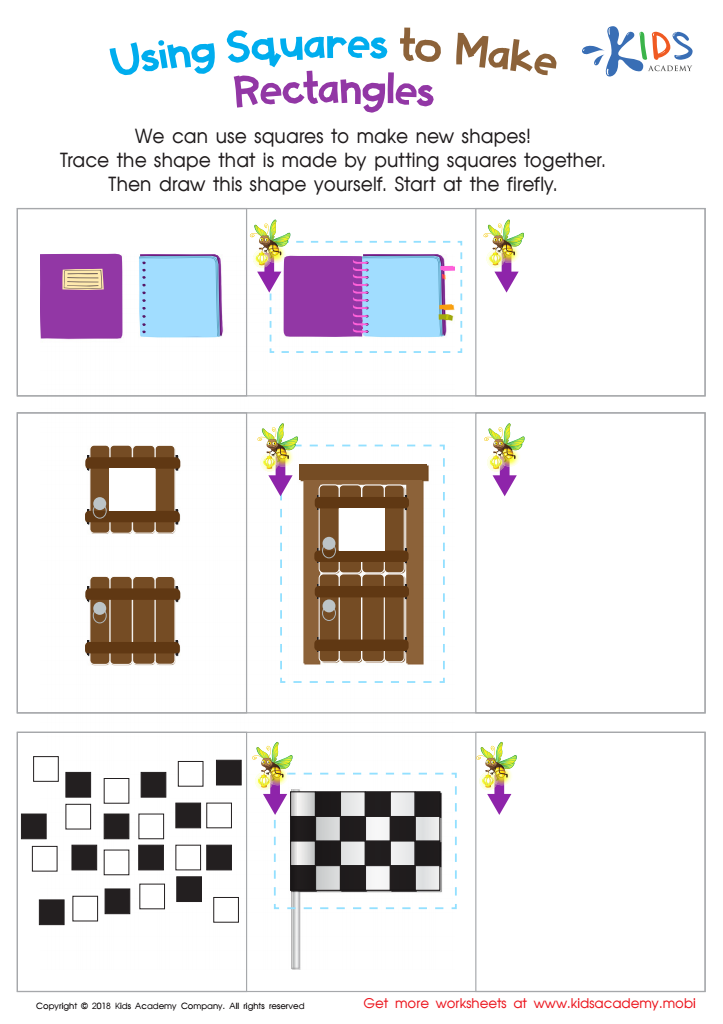
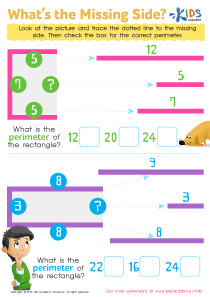
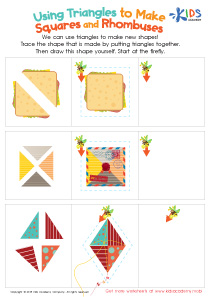
Using Squares to Make Rectangles Worksheet








Critical thinking is essential in children's early development, particularly when exploring concepts like normal 2D shapes. For children aged 4-6, engaging with these shapes helps build a foundation for critical thinking skills that are pivotal for lifelong learning. Understanding shapes fosters cognitive development, enabling children to categorize, compare, and analyze different forms, which are all crucial for problem-solving.
Parents and teachers should prioritize critical thinking around 2D shapes as it encourages exploration and inquiry. When children manipulate shapes through games or hands-on activities, they begin to ask questions such as, “How many sides does this shape have?” or “Can this shape fit into this space?” These inquiries cultivate a mindset geared toward investigation and reasoning.
Additionally, grasping 2D shapes enhances mathematical skills, such as geometry and spatial awareness, further aiding future academic success. Critical thinking about shapes also intersects with creativity—children can imagine and create new forms, enriching their imaginative skills and confidence.
Moreover, fostering critical thinking alongside shape understanding encourages communication skills as children express their ideas, learn to justify their reasoning, and collaborate with peers. Ultimately, emphasizing critical thinking around normal 2D shapes lays a strong groundwork for holistic development in early learners, empowering them for future challenges.