Logical Reasoning Normal Addition & Subtraction Worksheets for Ages 4-6
5 filtered results
-
From - To
Unlock your child's potential with our engaging Logical Reasoning Normal Addition & Subtraction Worksheets, tailored for ages 4-6. Designed to enhance mathematical skills through fun, hands-on activities, these worksheets encourage young learners to solve problems while promoting critical thinking. Children will explore addition and subtraction concepts via relatable scenarios, fostering a deeper understanding of numbers. Our user-friendly format ensures that kids remain engaged, making math an exciting experience. Perfect for parents and teachers looking to enhance their curriculum, these worksheets help children build a solid foundation in mathematics while developing essential logical reasoning skills. Download now and watch their confidence soar!
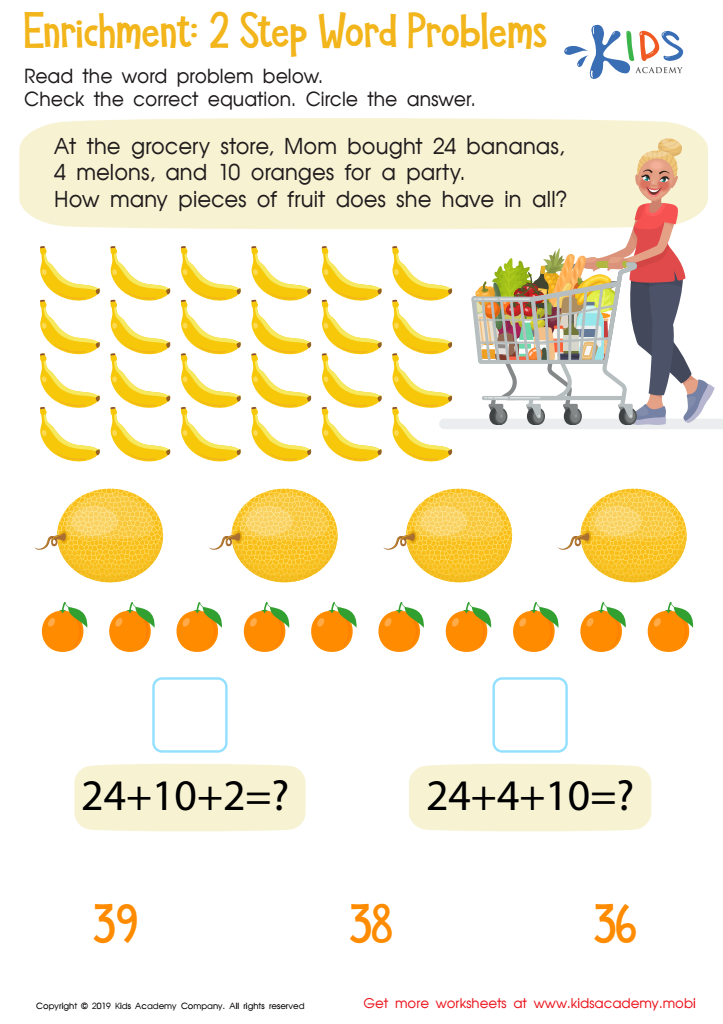
Enrichment -2 Step Word Problems Worksheet
 Assign to My Students
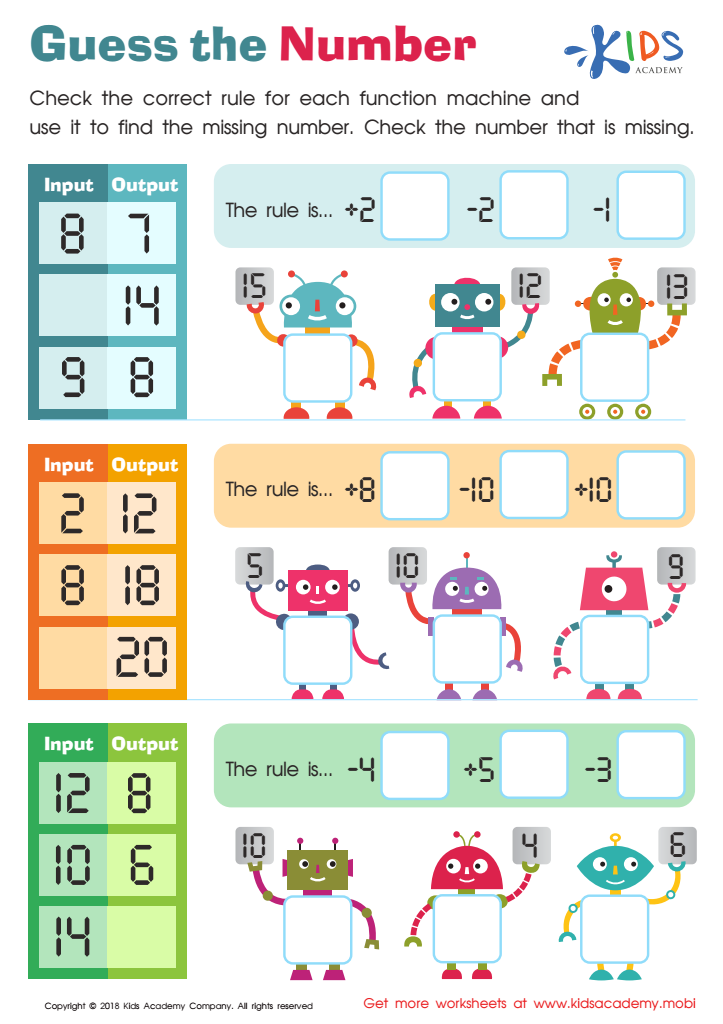
Guess the Number Worksheet
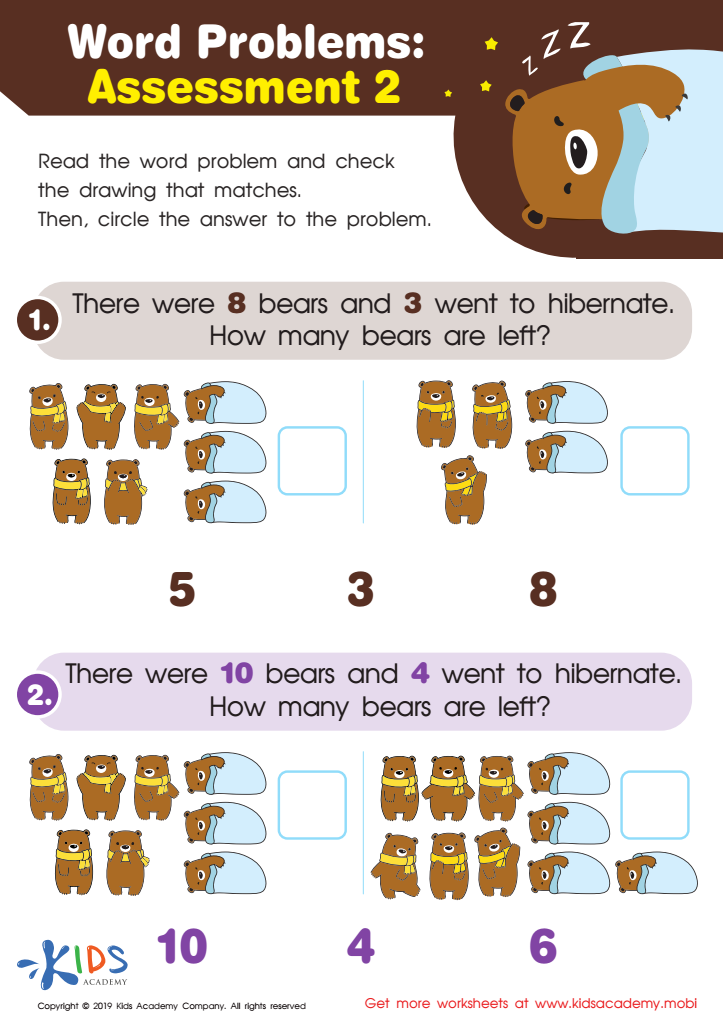
Word Problems: Assessment 2 Worksheet
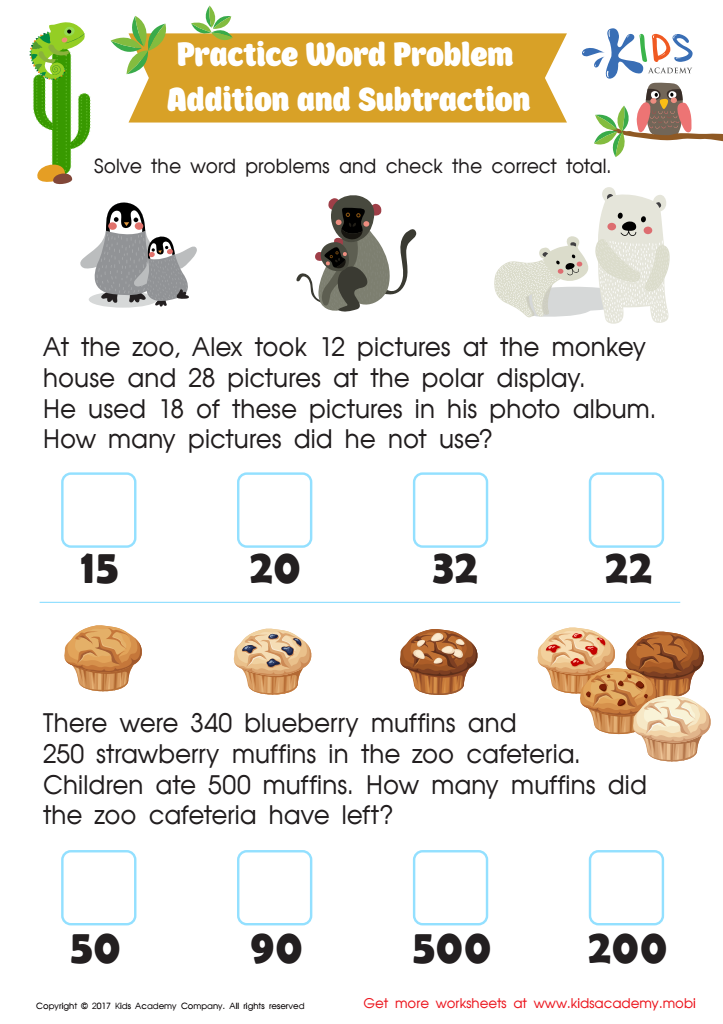
Addition and Subtraction: Word Problems Worksheet
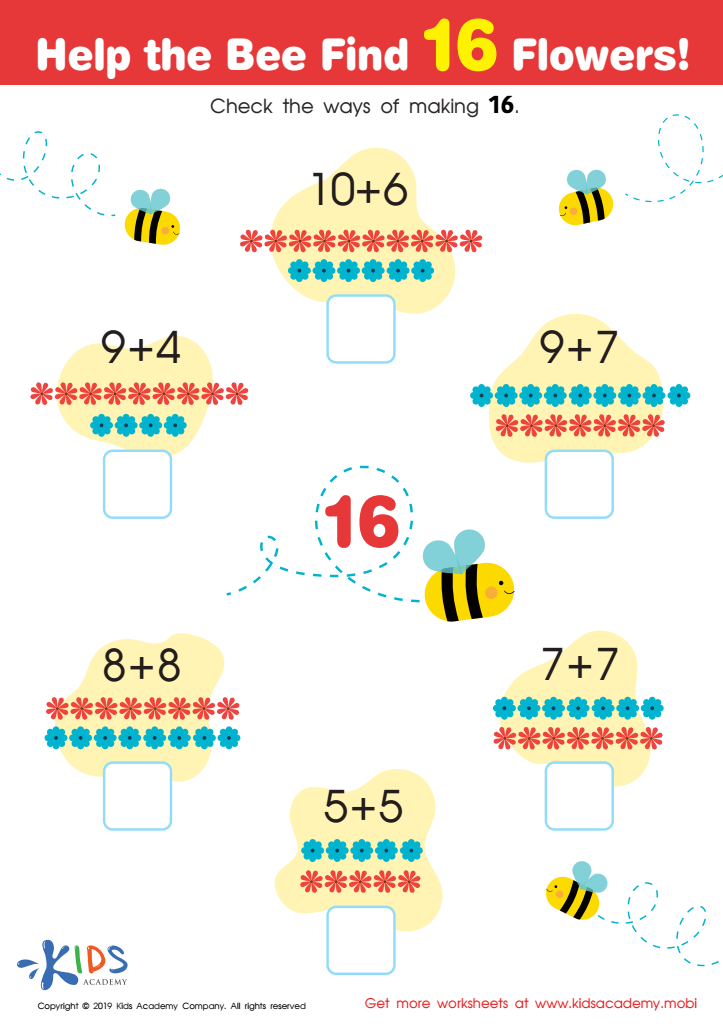
Help the Bee Find 16 Flowers Worksheet








Parents and teachers should prioritize logical reasoning, normal addition, and subtraction for children aged 4-6 because these foundational skills play a crucial role in young learners' cognitive development. At this age, children are naturally curious and eager to explore relationships among numbers, ideas, and objects. Engaging young children in logical reasoning fosters critical thinking, helping them to recognize patterns, make connections, and solve problems effectively.
Moreover, introducing normal addition and subtraction through fun activities and games cultivates a positive attitude towards math, paving the way for a lifelong interest in the subject. Children who master these skills early on develop number sense, which serves as a stepping stone for more complex mathematical concepts in later grades.
Additionally, using everyday scenarios—like counting fruits during snack time or sharing toys—makes learning more relatable and meaningful. When parents and teachers collaborate to reinforce these skills at home and in the classroom, they create a cohesive learning environment, enabling children to achieve early academic success. Ultimately, fostering logical reasoning along with basic arithmetic lays a strong foundation for future learning, nurturing confident and capable problem solvers ready to tackle challenges ahead.








