Fine Motor Skills Normal Counting Worksheets for Ages 4-6
3 filtered results
-
From - To
Explore our "Fine Motor Skills Normal Counting Worksheets" designed for children aged 4-6. These engaging worksheets combine counting practice with fine motor skills development, helping young learners refine their dexterity while mastering essential numeracy. Each worksheet is crafted with fun illustrations and varied activities that encourage tracing, coloring, and connecting numbers. Kids will enjoy hands-on learning that promotes confidence as they complete each task. Perfect for preschool and kindergarten settings, these resources align with early education standards, ensuring a well-rounded approach to learning. Download now to give your child the tools they need for foundational math skills and fine motor proficiency!

8 Petals Worksheet
 Assign to My Students


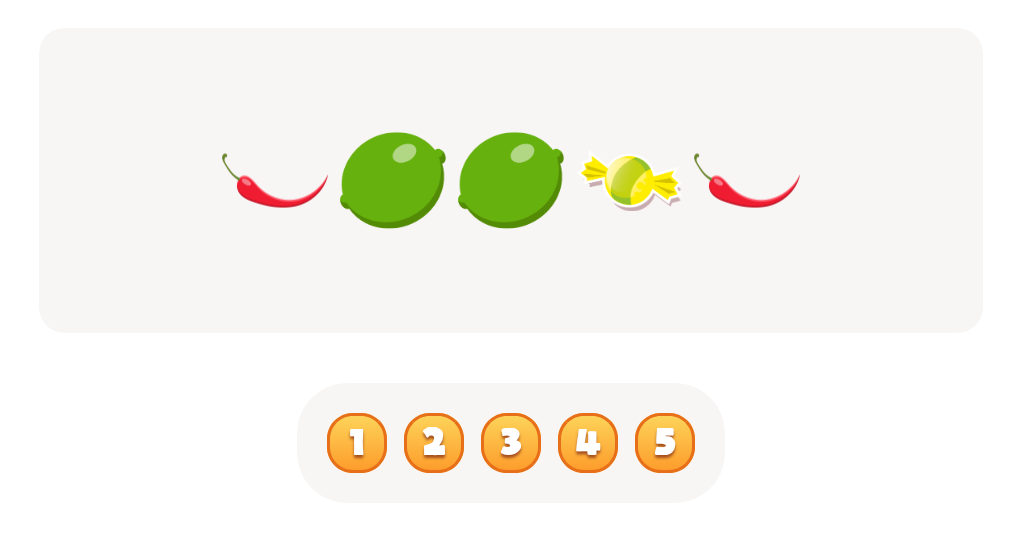

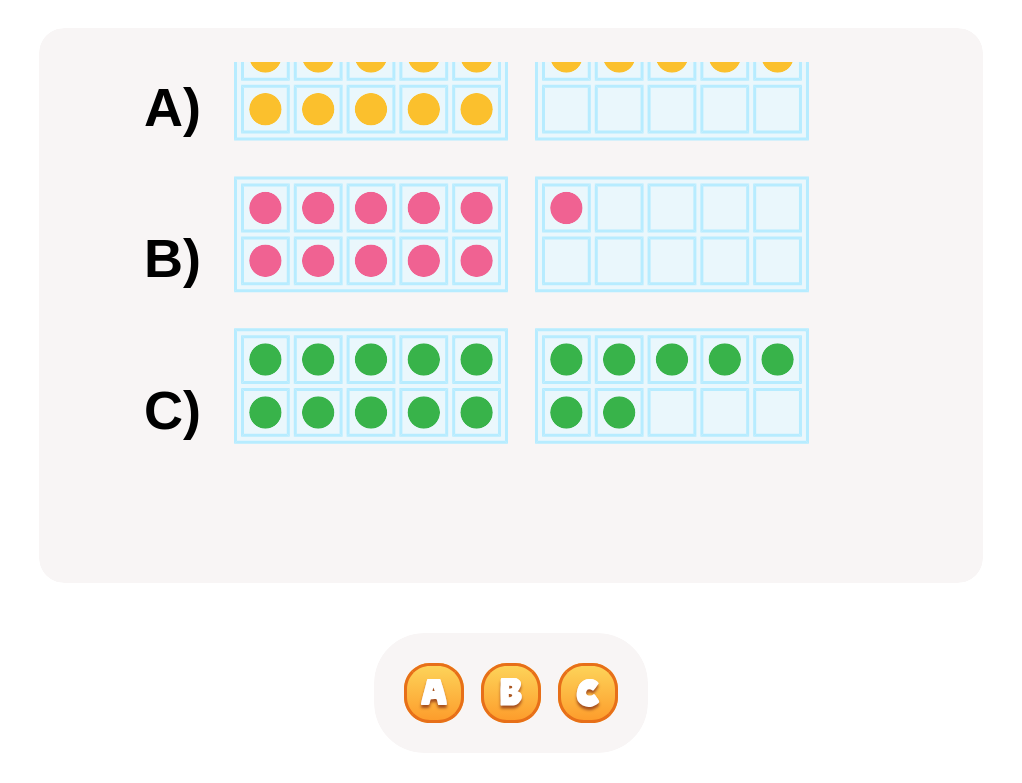
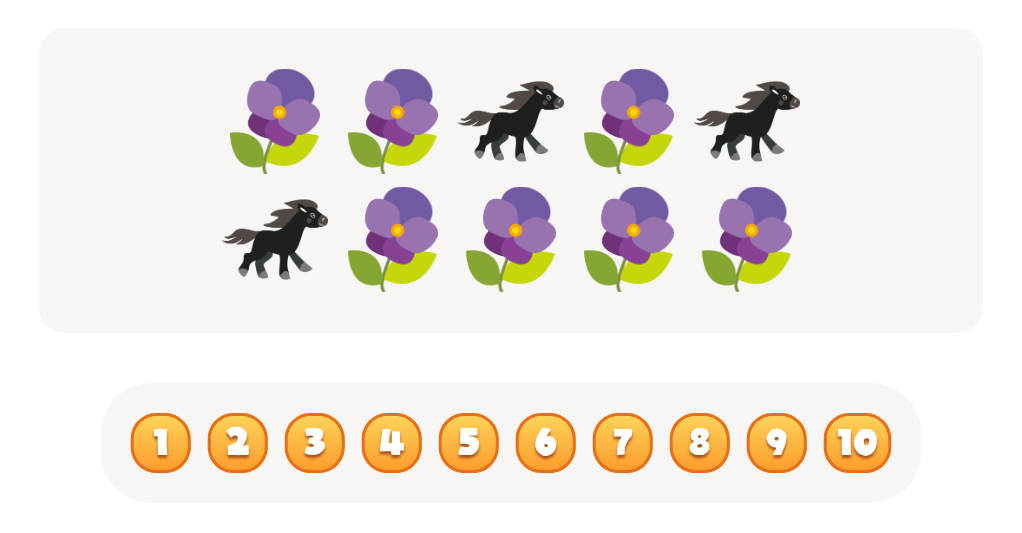

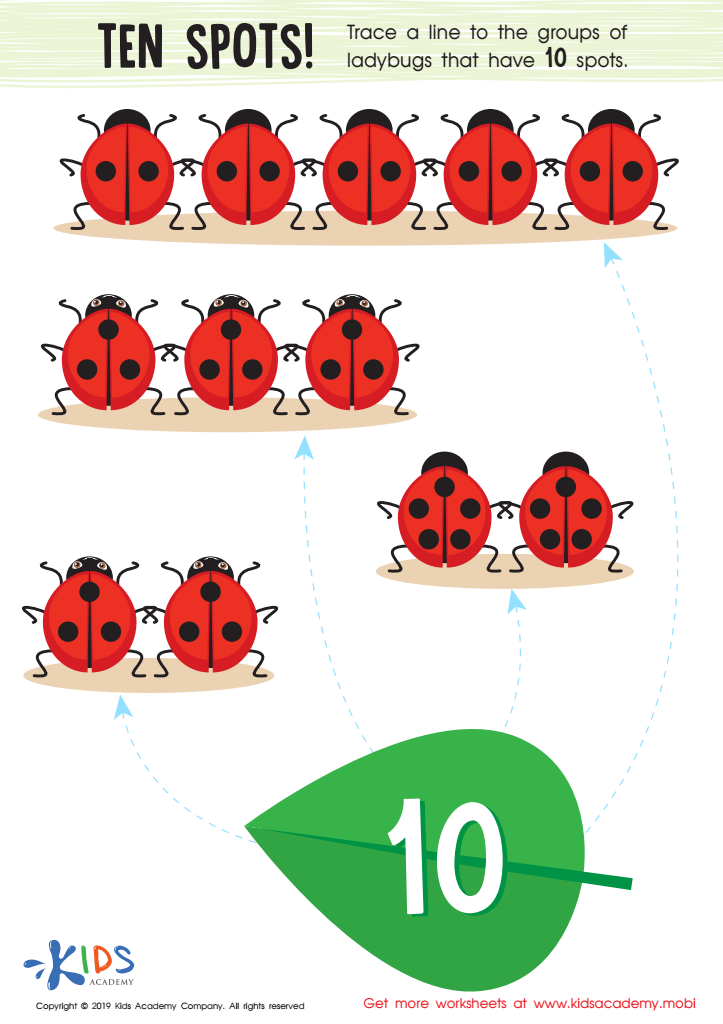
Ten Spots Worksheet
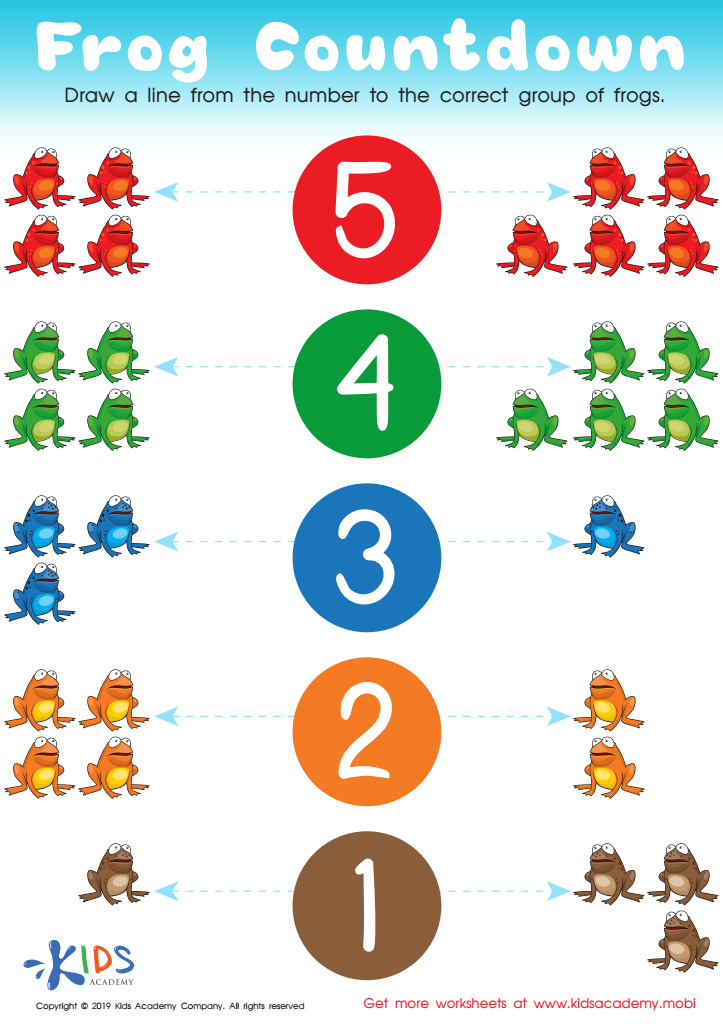
Frog Countdown Worksheet








Fine motor skills are essential for children's overall development, particularly between the ages of 4 and 6. During this formative stage, children are honing their hand-eye coordination, dexterity, and ability to perform tasks that require precision. These skills are crucial for typical activities such as writing, drawing, cutting with scissors, buttoning shirts, and manipulating small objects. When parents and teachers focus on developing fine motor skills, they are directly impacting a child's readiness for school and daily life.
Normal counting at this age is also significantly tied to fine motor skills, as children often reinforce their counting abilities through hands-on activities with small manipulatives like blocks, beads, or counters. Engaging in such activities allows children to visually connect numbers with physical quantities, enhancing their numerical understanding. Additionally, as children manipulate objects, they practice grasping, pinching, and using tools, which are integral components of fine motor development.
By encouraging activities that promote fine motor skills and counting together, parents and teachers help cultivate a strong foundation for later academic success, improve creativity, and boost self-confidence in young learners. Prioritizing these skills not only aids cognitive development but also enhances children's ability to interact with their environment effectively.