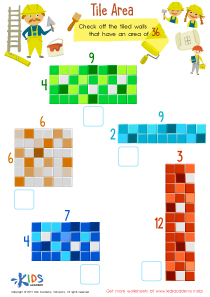
Hand-eye Coordination Normal Numbers Worksheets for Ages 4-6
3 filtered results
-
From - To
Introduce your little ones to the fascinating world of numbers with our Hand-eye Coordination Normal Numbers Worksheets, specially designed for children ages 4-6. These engaging printables offer numerous activities aimed at improving hand-eye coordination while reinforcing number recognition and basic math skills. Fun and easy to follow, our worksheets make learning an enjoyable experience, allowing kids to practice tracing, counting, and matching numbers in playful, colorful contexts. Perfect for preschoolers and kindergarteners, these tools help build essential learning skills that set the foundation for future academic success. Explore our worksheets today and watch your child thrive!
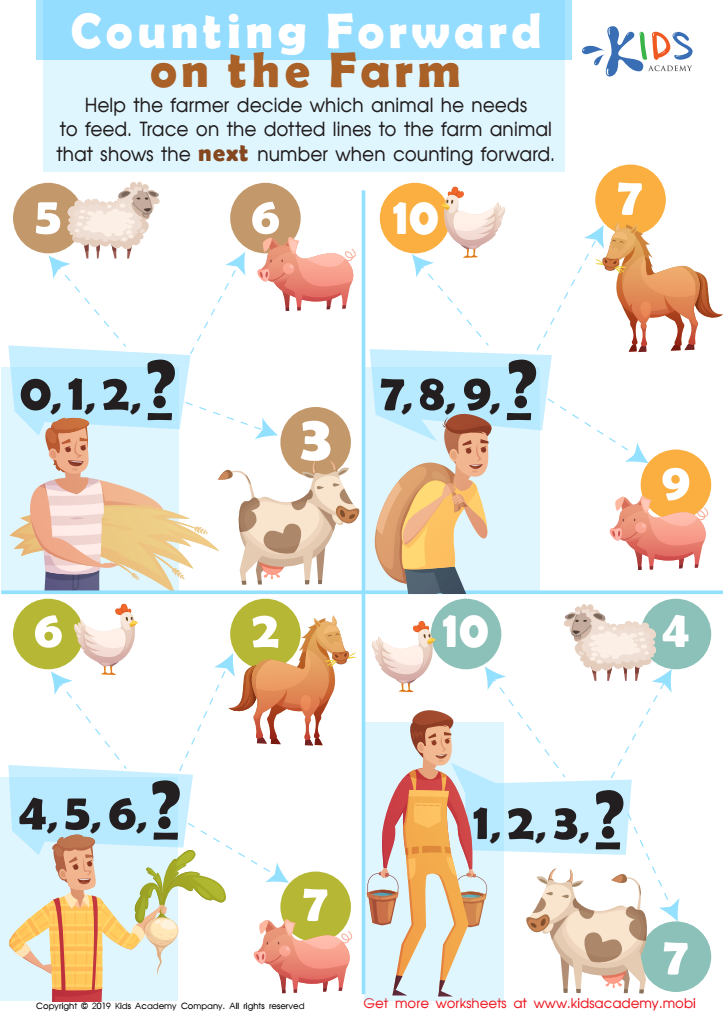
Counting Forward On the Farm Worksheet
 Assign to My Students
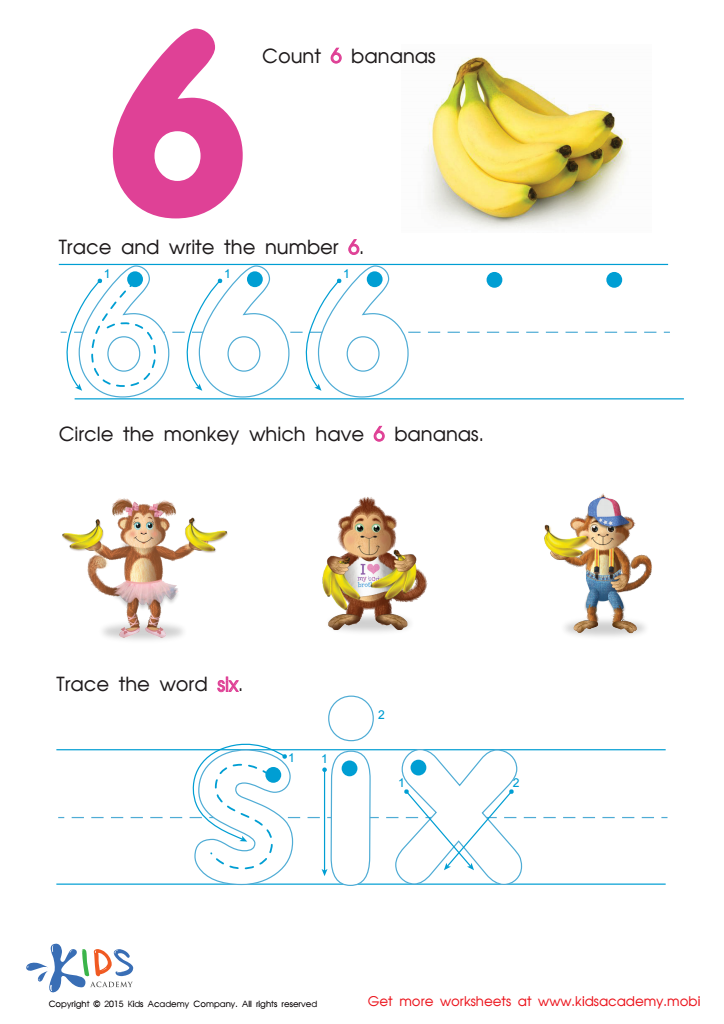
Tracing And Writing Number 6 Worksheet
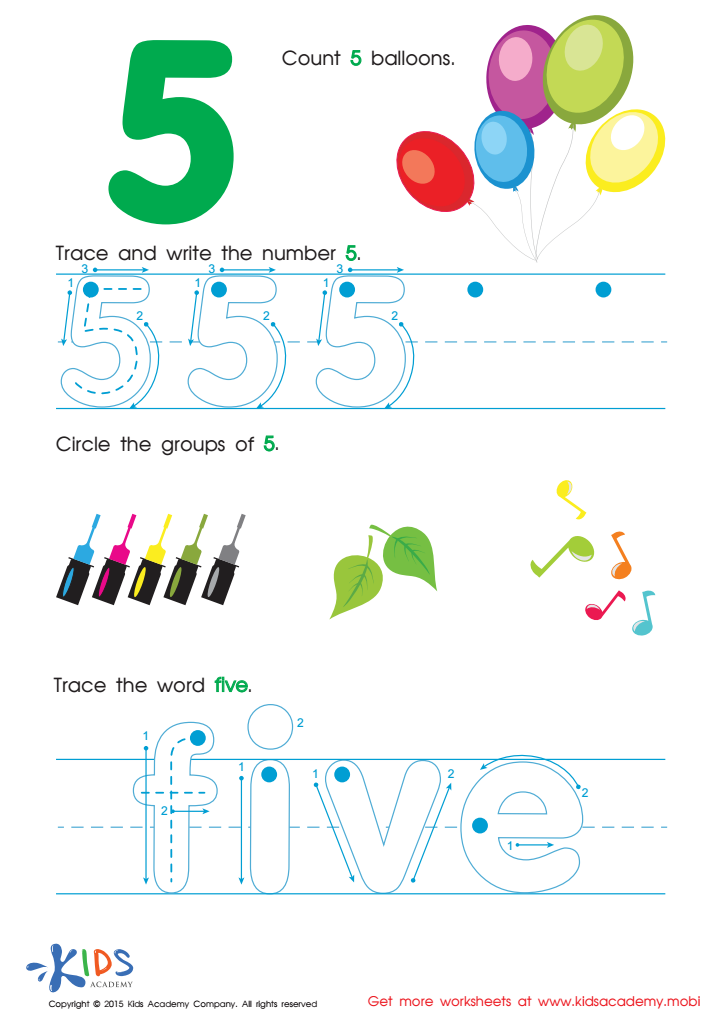
Practice Writing Number 5 Worksheet








Hand-eye coordination is a fundamental skill that allows children to effectively use their vision to guide their hand movements. This capability is crucial for various aspects of physical development, academic achievement, and everyday tasks. For children aged 4-6, this skill forms the cornerstone of their early learning experiences.
Parents and teachers should prioritize hand-eye coordination because it directly influences a child's ability to perform essential activities, like writing, cutting with scissors, and catching a ball. These tasks not only enhance fine motor skills but also build the foundation for later complex tasks. Inadequate hand-eye coordination can lead to difficulties in learning basic skills such as drawing or even assembling puzzles, which are pivotal in cognitive development and problem-solving abilities.
Moreover, activities that enhance hand-eye coordination promote better focus and concentration, which can positively affect a child's academic progress. Early interventions and practice in improving these skills can boost a child's confidence and willingness to participate in various educational and recreational activities.
Therefore, understanding the normal parameters for hand-eye coordination in this age group helps parents and teachers recognize if a child is lagging behind and could benefit from additional support. Actively engaging children in activities that promote hand-eye coordination ensures a well-rounded developmental journey.