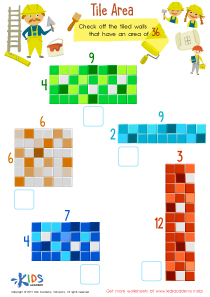
Subtraction practice Normal Numbers Worksheets for Ages 4-6
4 filtered results
Difficulty Level
Grade
Age
-
From - To
Subject
Activity
Standards
Enhance your child’s mathematical skills with our Subtraction Practice Normal Numbers Worksheets designed for ages 4-6! These engaging and interactive worksheets provide a fun way for young learners to grasp essential subtraction concepts. Tailored to promote early number recognition and basic arithmetic, each worksheet progressively builds confidence through colorful imagery and relatable examples. Kids will enjoy practicing subtraction while developing critical thinking skills. Perfect for homeschooling or classroom settings, our worksheets ensure a comprehensive understanding of subtraction in a playful manner. Start your child’s journey towards math fluency today with our thoughtfully crafted subtraction worksheets! Visit us for printable resources.
Favorites
With answer key
Interactive
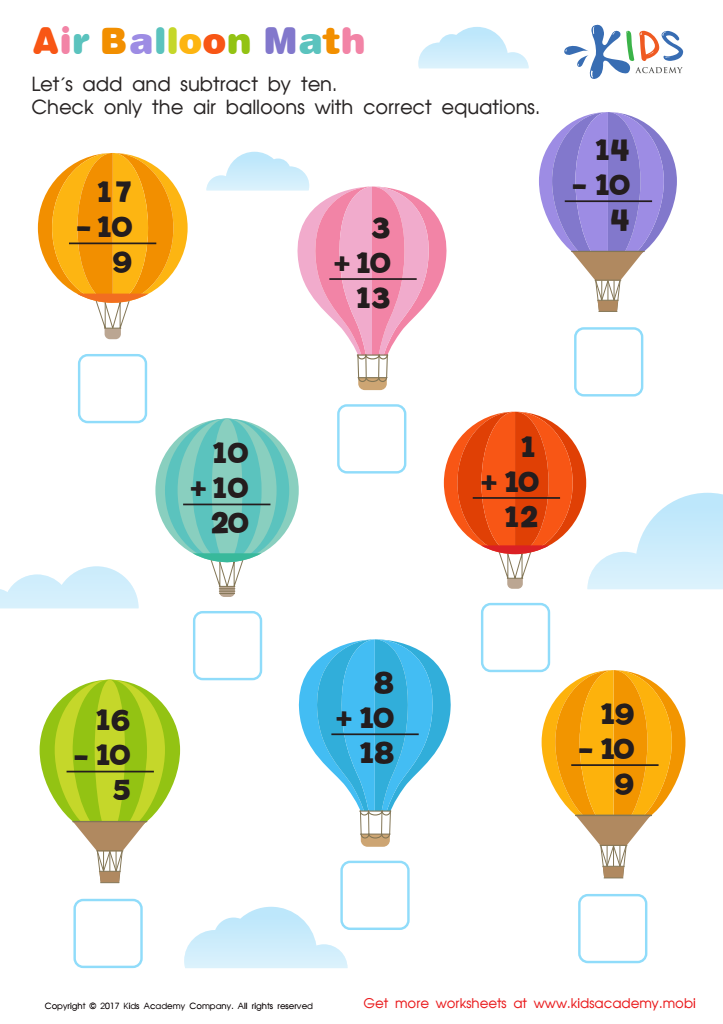
Air Balloon Math Worksheet
Revised:
Review your child's addition and subtraction skills with this fun worksheet. Featuring hot air balloons filled with math equations, help your child add or subtract by ten before ticking the boxes with the right answers. Working through the equations one-by-one is a great way to make math practice enjoyable!
 Assign to My Students
Air Balloon Math Worksheet
Worksheet
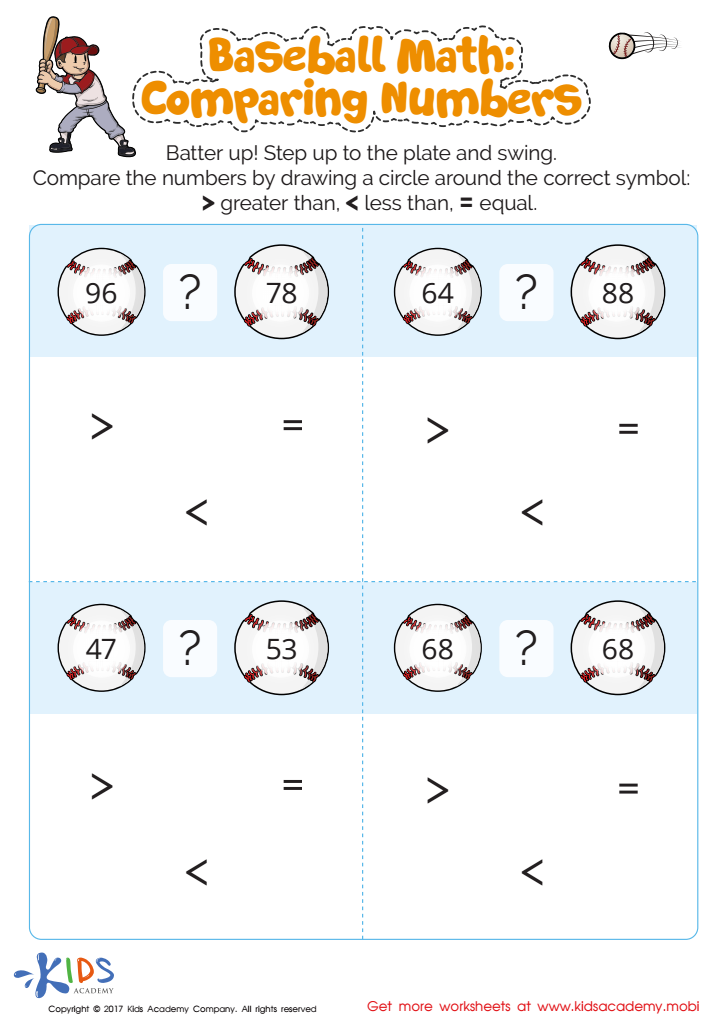
Compare Numbers Printable
Encourage your sports fan to strengthen math skills with this fun worksheet: Baseball Math! They'll learn key concepts such as 'greater than', 'less than' and 'equal to', while having a blast. Build their number sense and make learning enjoyable!
Compare Numbers Printable
Worksheet
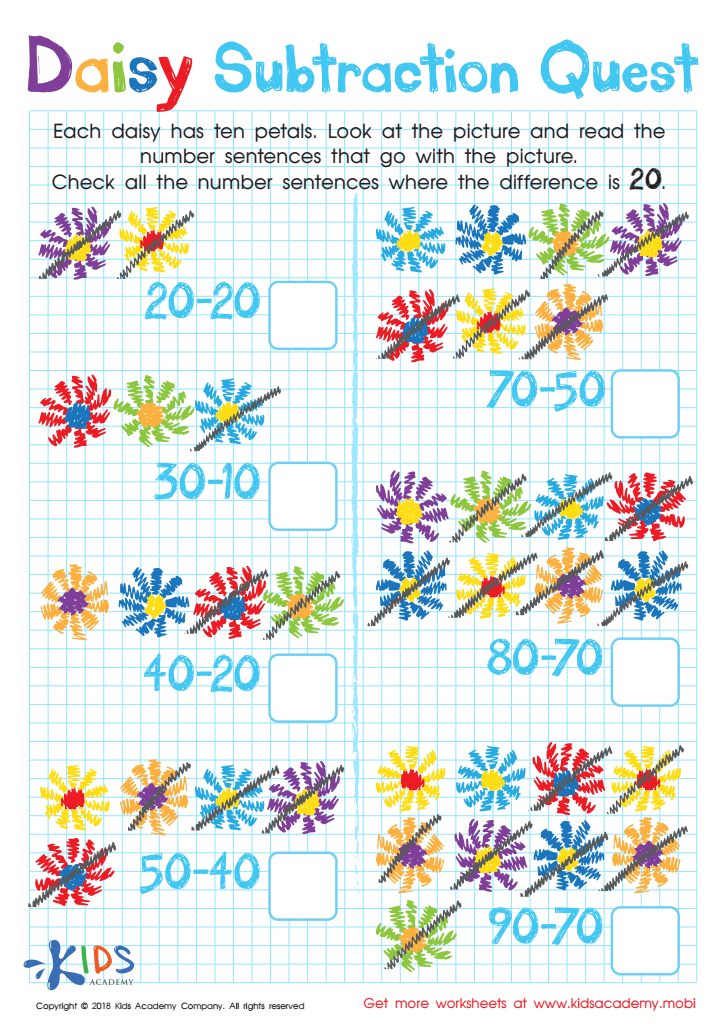
Daisy Subtraction Quest Worksheet
Ohh-la-la! These daisies are something special! With ten petals each, they're perfect for helping little math learners use tens to find number sentences that differ by 20. Our free worksheet is full of bright colors to engage and easy questions to strengthen math automaticity and confidence.
Daisy Subtraction Quest Worksheet
Worksheet
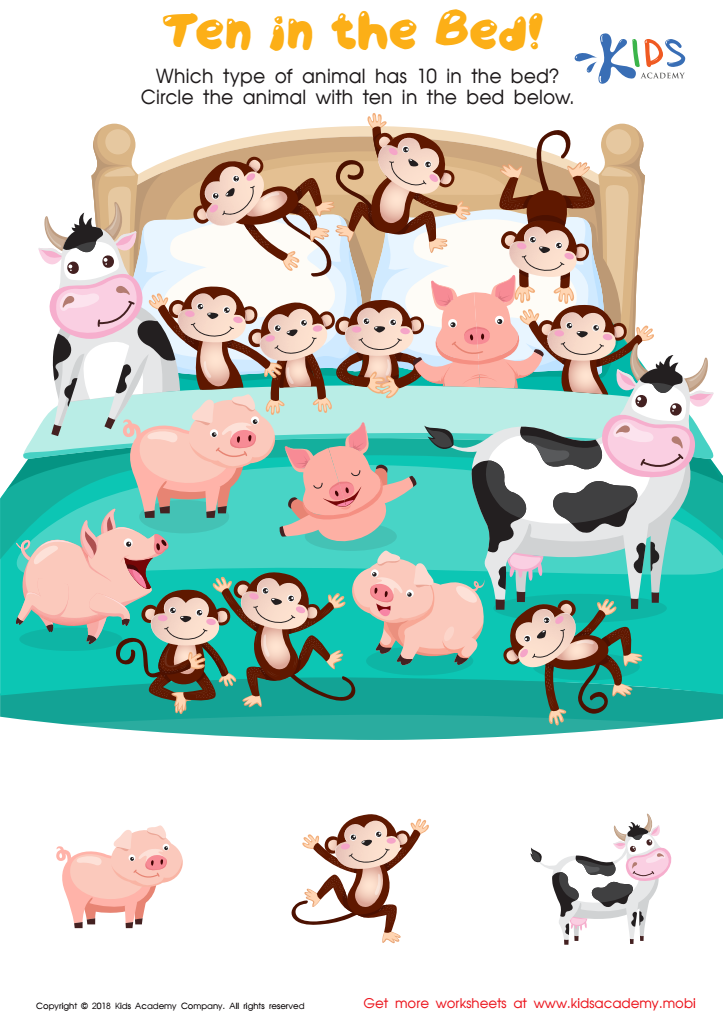
Ten in the Bed Worksheet
This fun worksheet has your kids counting and sorting friendly animal faces in a bed of ten! It's a great way for them to practice their mental math skills, like adding and multiplying more efficiently. Plus, it brings a new meaning to the classic song "Monkeys Jumping on the Bed"!
Ten in the Bed Worksheet
Worksheet
Join Kids Academy for Free
Who is primarily going to use this learning content?








Parents and teachers should prioritize subtraction practice for ages 4-6 because it forms a critical foundation for mathematical understanding. At this developmental stage, children are honing their cognitive skills and beginning to grasp the concept of numbers and quantities. By engaging in subtraction activities, they not only learn how to subtract but also enhance their problem-solving abilities and logical thinking.
Early subtraction practice boosts confidence and provides children with a sense of accomplishment as they master new skills. Familiarity with subtraction helps in building a solid number sense, which can influence future mathematical learning. These foundational skills will facilitate their ability to tackle more complex mathematical concepts as they progress in school.
Moreover, practicing subtraction supports fine motor skills when children physically manipulate objects or use drawings to represent problems. It fosters a deeper understanding of relationships between numbers, teaching children that subtraction is more than just taking away—it's about measuring differences and recognizing patterns.
Additionally, reinforcing subtraction skills at home or in the classroom can create a collaborative learning environment. Parents and teachers who engage children in these activities can nurture a positive attitude toward math, ultimately helping to develop lifelong learners who are both confident and competent in their mathematical abilities.