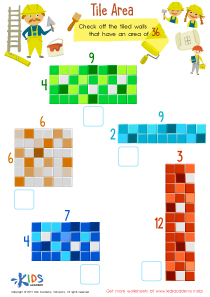
Understanding comparisons Normal Numbers Worksheets for Ages 4-6
3 filtered results
-
From - To
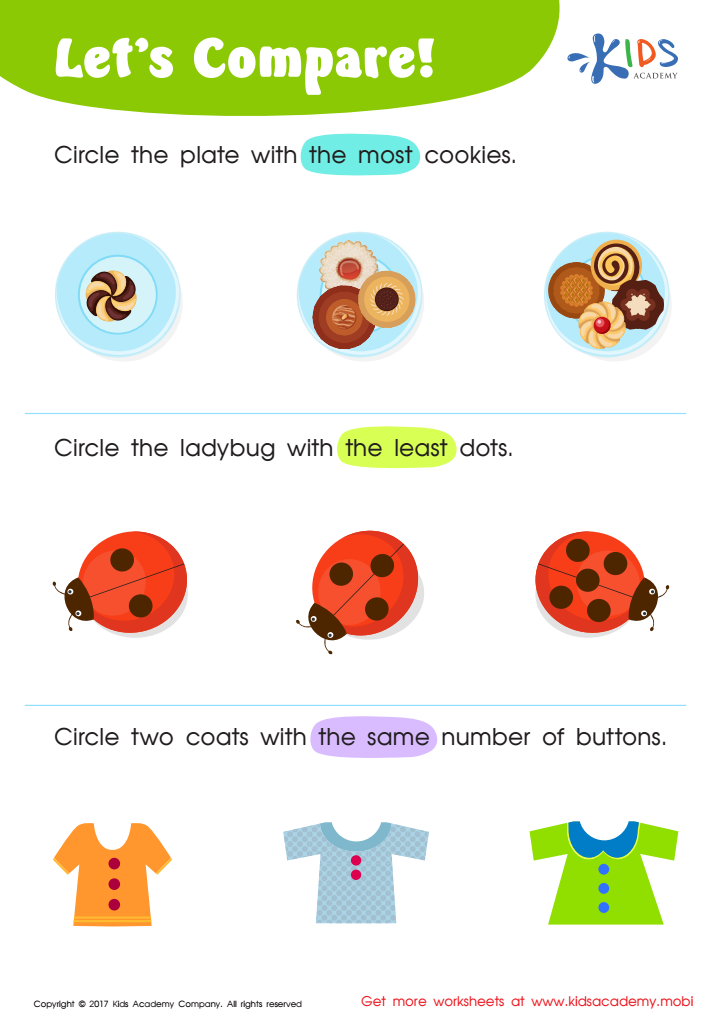
Explore our Understanding Comparisons Normal Numbers Worksheets designed specifically for kids aged 4 to 6. These worksheets provide engaging activities that help young learners grasp fundamental comparison concepts, such as more than, less than, and equal to. Through fun and interactive exercises, children will enhance their numerical understanding, critical thinking, and problem-solving skills. Our carefully crafted worksheets foster a love of learning while building a solid foundation in mathematics. Perfect for home or classroom use, our resources are designed to make learning comparisons enjoyable and effective. Start your child’s math journey today with our captivating and educational worksheets!
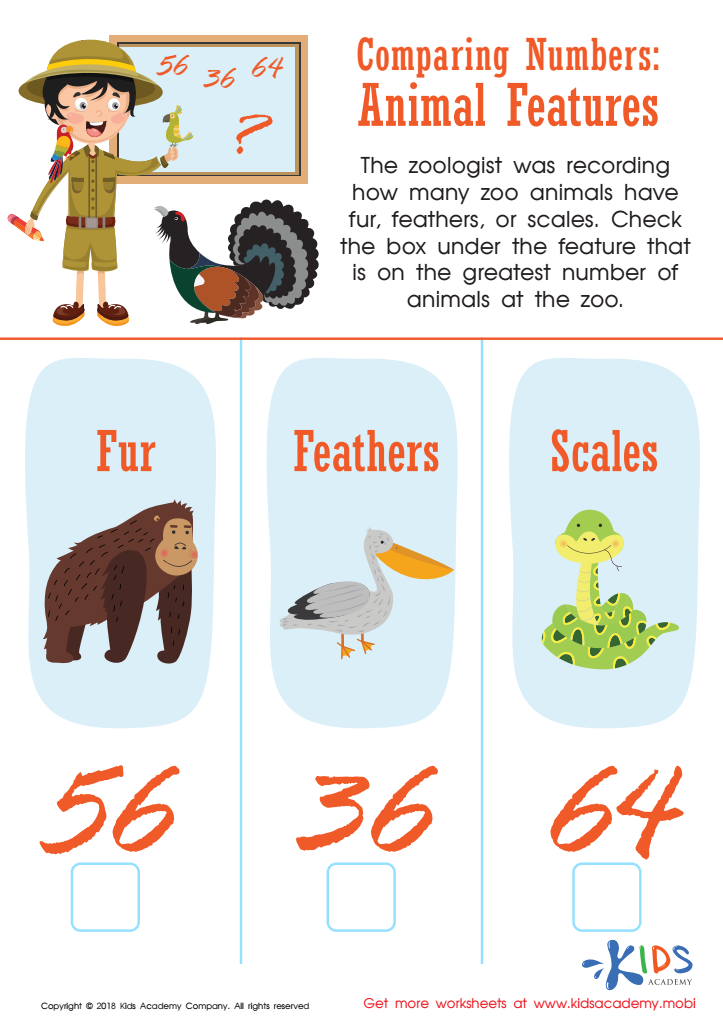
Animal Features Worksheet
 Assign to My Students
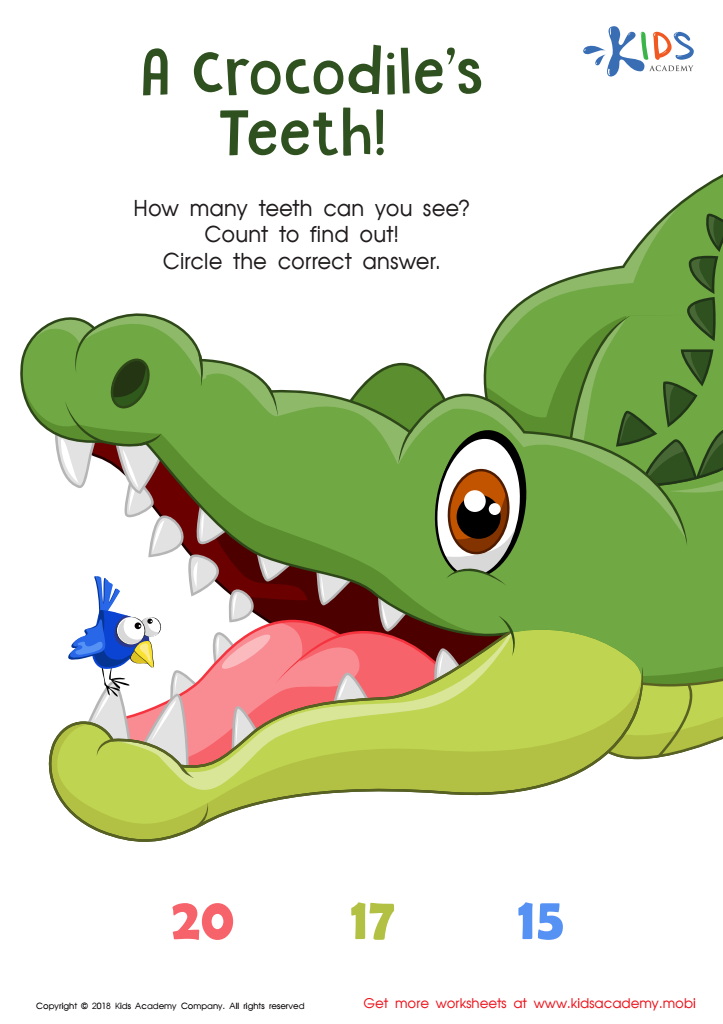
A Crocodile's Teeth Worksheet
Matching: Classifying Toys by Size Worksheet


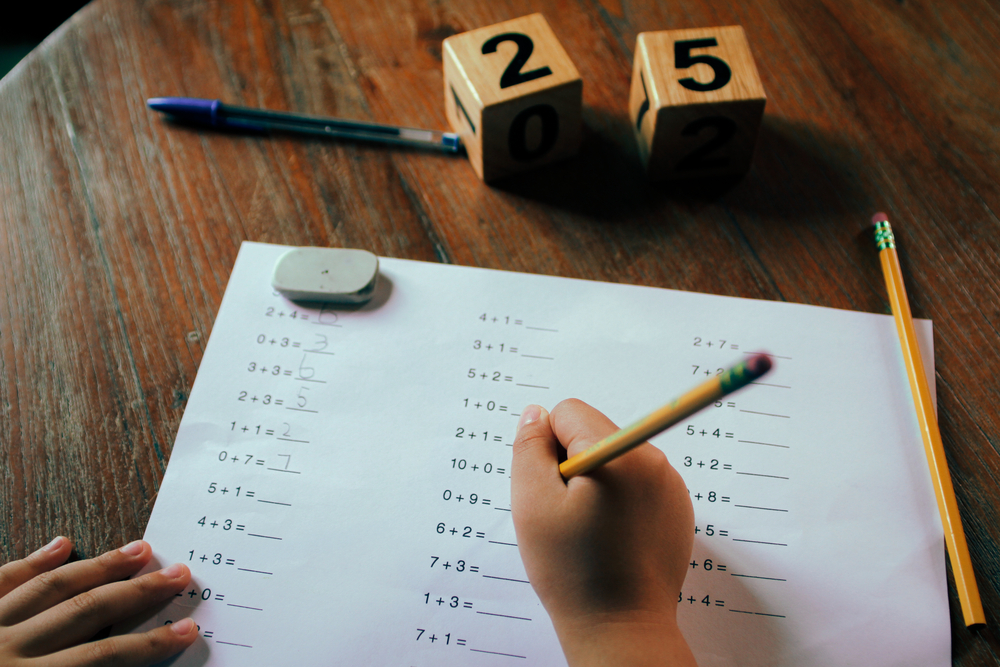




Understanding comparisons and normal numbers is crucial for children aged 4-6 as it lays the foundation for essential mathematical skills. At this age, children begin to grasp basic concepts of quantity, size, and number recognition, which are vital for their cognitive development. When parents and teachers prioritize these concepts, they help children make sense of the world around them.
Learning to compare numbers and objects fosters critical thinking and problem-solving abilities. Children learn to distinguish "more" and "less," which aids in developing reasoning skills. Furthermore, this knowledge serves as a precursor to more advanced math concepts, such as addition and subtraction.
Incorporating comparisons into daily activities makes learning more engaging. Simple games that involve counting or sorting encourage hands-on experience and facilitate collaborative learning, which strengthens social skills as well.
Additionally, understanding comparisons can enhance vocabulary and language skills as children describe and categorize their observations. By prioritizing these foundational concepts, parents and teachers not only build a solid mathematical framework but also instill a love for learning in young children. Ultimately, fostering these skills equips children for future academic challenges, promoting confidence in their abilities.