Attention to Detail Normal Math Worksheets for Ages 4-6
3 filtered results
-
From - To
Introducing our "Attention to Detail Normal Math Worksheets for Ages 4-6," designed to enhance young learners' focus and accuracy. These engaging worksheets from Kids Academy allow children to practice foundational math skills while improving their attention to detail. Perfect for preschoolers and kindergarteners, the activities include counting, number recognition, and simple addition tailored to early learners. Vibrant images and fun themes keep kids captivated, ensuring a productive and enjoyable learning experience. Help your child develop essential math skills and a keen eye for detail with our expertly crafted, age-appropriate worksheets. Try our free printables and watch them thrive!
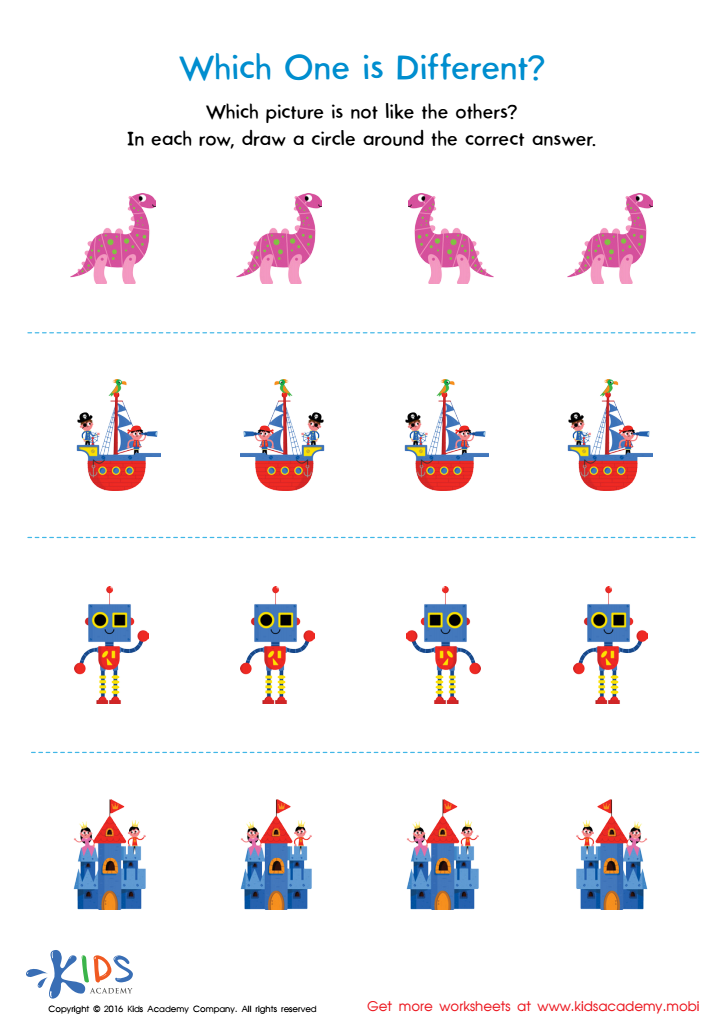
Which One Is Different Worksheet
 Assign to My Students
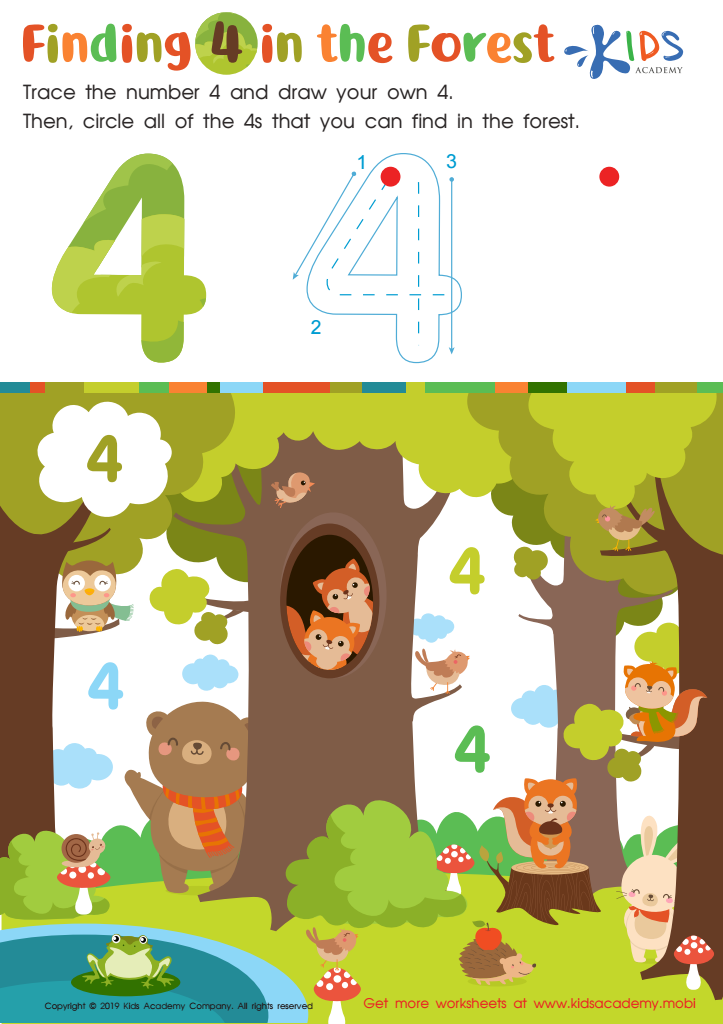
Finding 4 in the Forest Worksheet
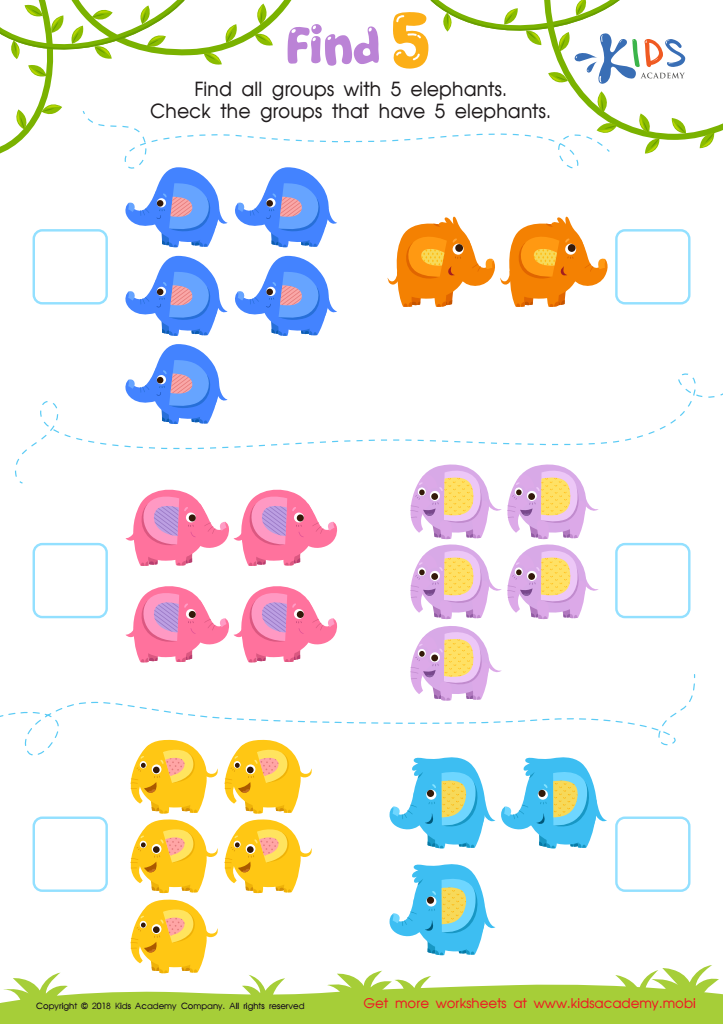
Find 5 Worksheet


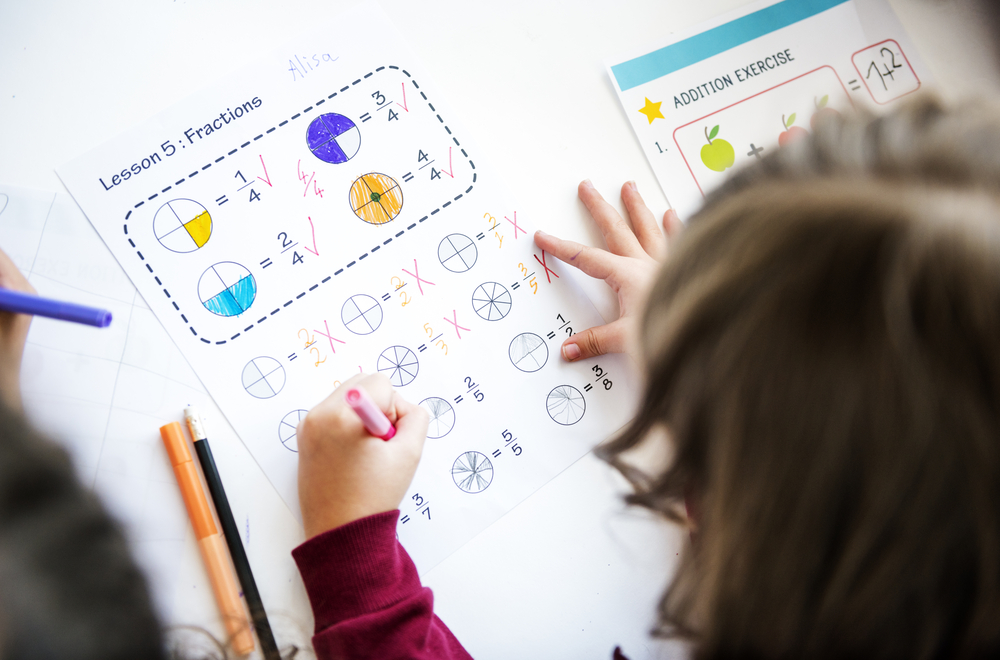





Attention to detail in early math education for children ages 4-6 plays a crucial role in their overall cognitive and academic development. At this formative stage, children are building the foundational skills that will influence their future learning and critical thinking abilities. By encouraging attention to detail in math, parents and teachers help young learners develop accurate counting, number recognition, and shape identification skills that are essential for more complex mathematical concepts.
When children focus on the details in their math activities, they learn to recognize patterns, understand sequences, and make connections between different pieces of information. This precision lays the groundwork for problem-solving skills and logical reasoning, fostering a mindset that values thoroughness and accuracy. These skills extend beyond math, aiding literacy development and other academic areas as well.
Furthermore, attention to detail in math helps children develop patience and perseverance, qualities that are invaluable in navigating future learning challenges. It also boosts their confidence as they achieve correctly solved problems, reinforcing a positive attitude towards learning and reinforcing their self-esteem.
Thus, parents and teachers should prioritize attention to detail in normal math activities for young children because it strengthens their foundational knowledge, fosters essential life skills, and sets them up for long-term academic success.








