Problem-solving abilities Normal Math Worksheets for Ages 4-6
10 filtered results
-
From - To
Enhance your child's problem-solving abilities with our engaging, normal math worksheets designed specifically for ages 4-6! Our worksheets seamlessly blend fun and education, encouraging young learners to develop critical thinking skills while tackling various mathematical challenges. Each activity is crafted to promote logical reasoning, pattern recognition, and the ability to approach problems from different angles. The colorful, user-friendly format keeps children motivated and eager to learn. Ideal for both home and classroom settings, these worksheets provide essential practice that reinforces essential math concepts. Give your little ones the tools they need to succeed with our problem-solving math worksheets today!
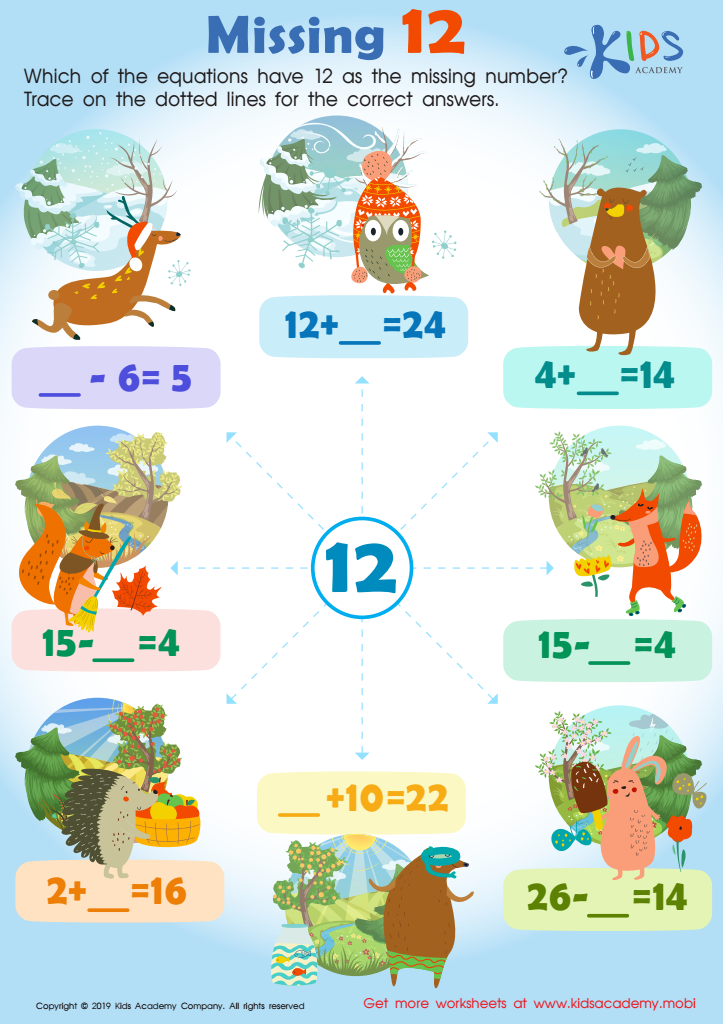
Missing 12 Worksheet
 Assign to My Students
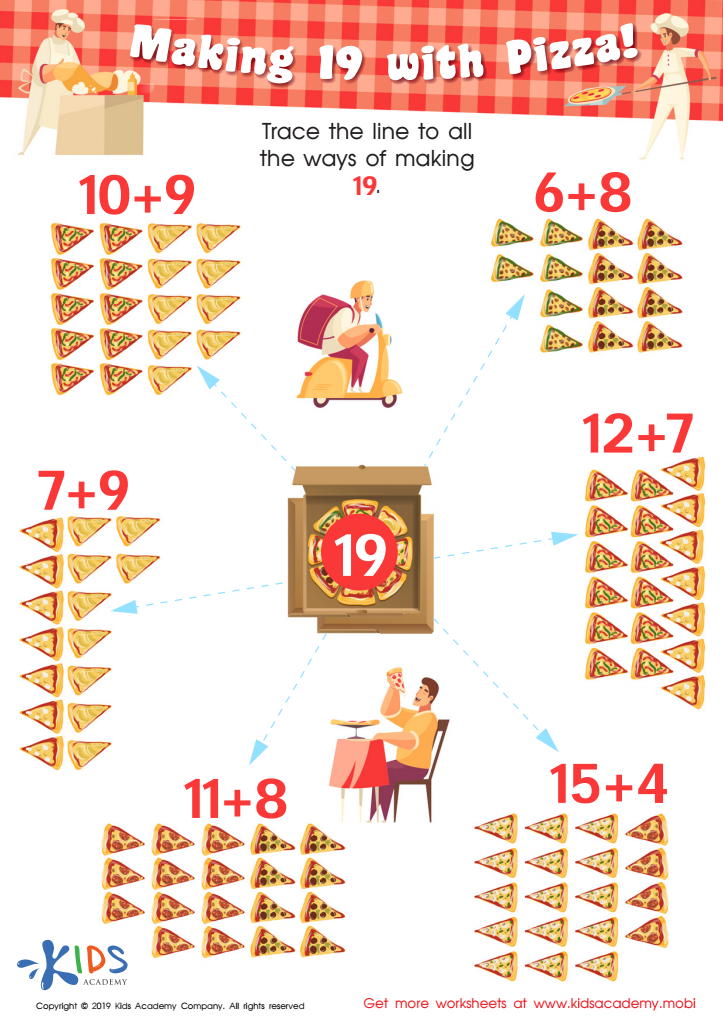
Making 19 with Pizza! Worksheet
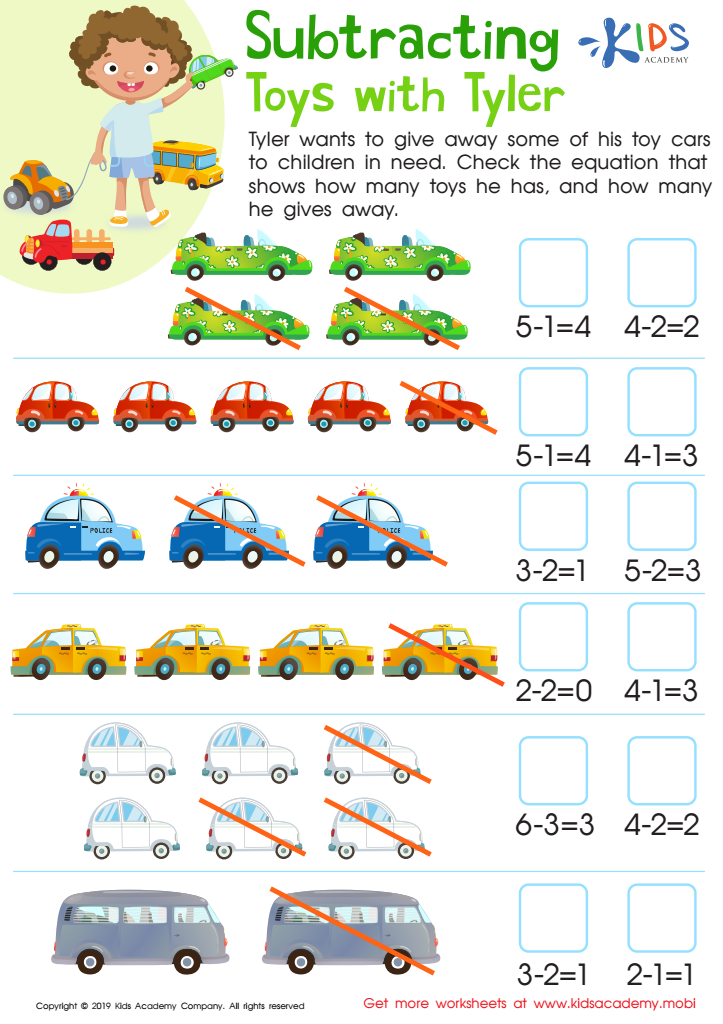
Subtracting Toys with Tyler Worksheet
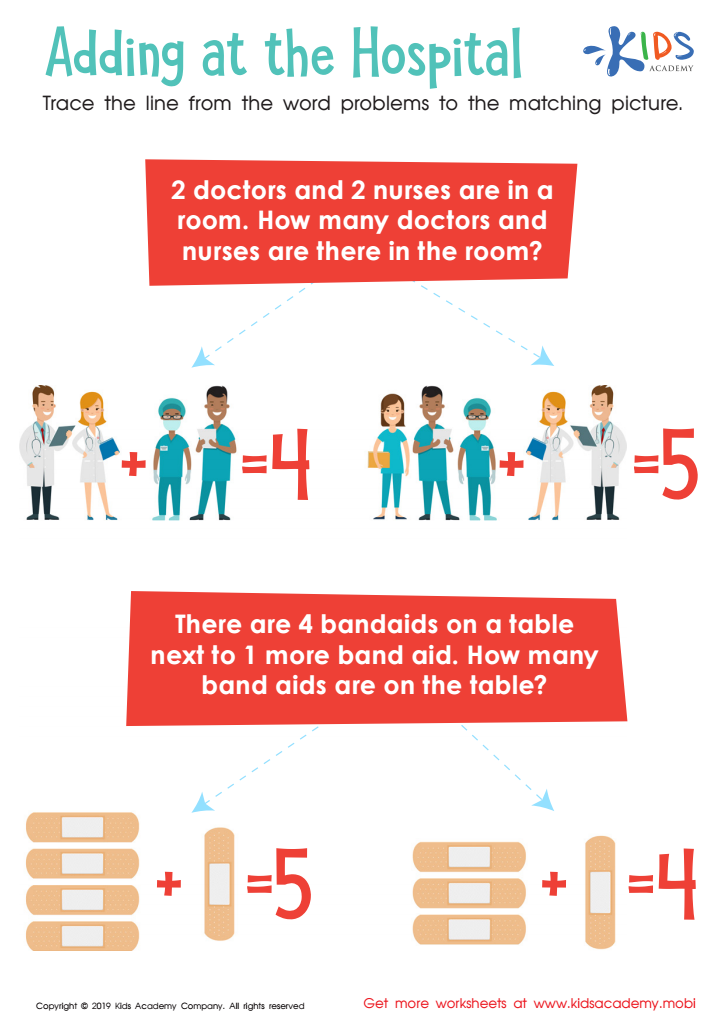
Adding at the Hospital Worksheet
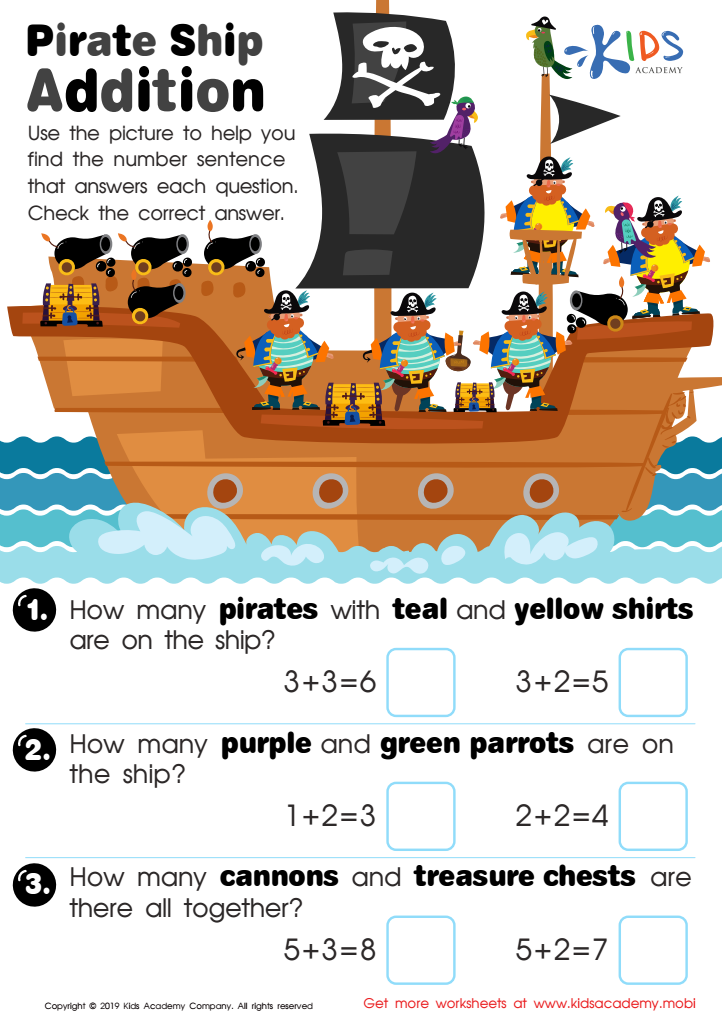
Pirate Ship Addition Worksheet
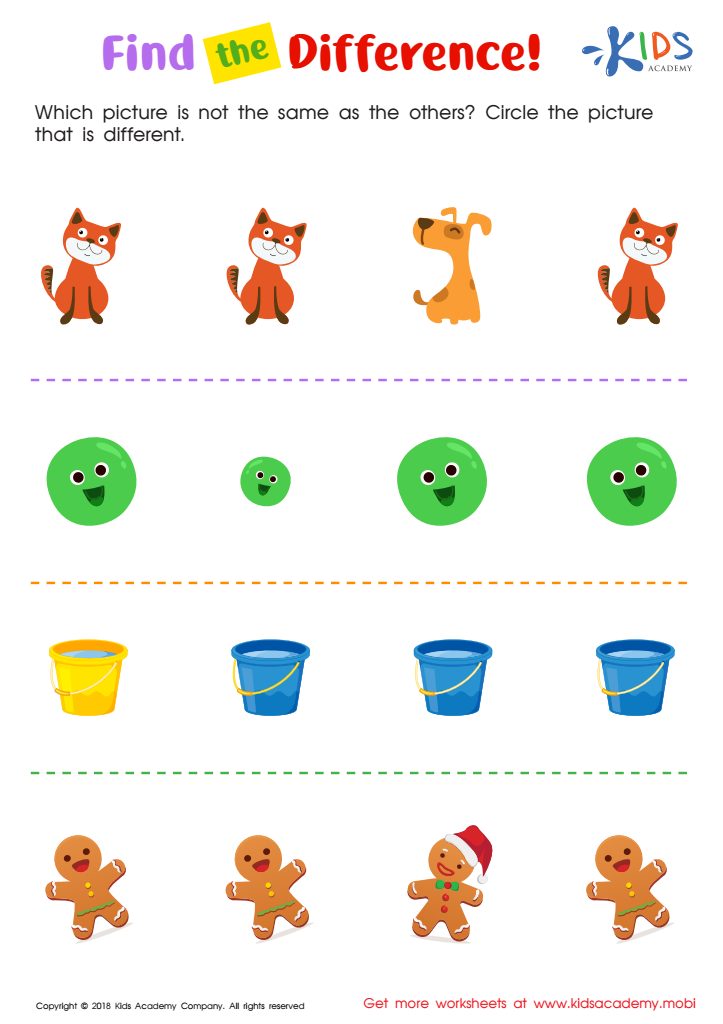
Find the Difference Worksheet
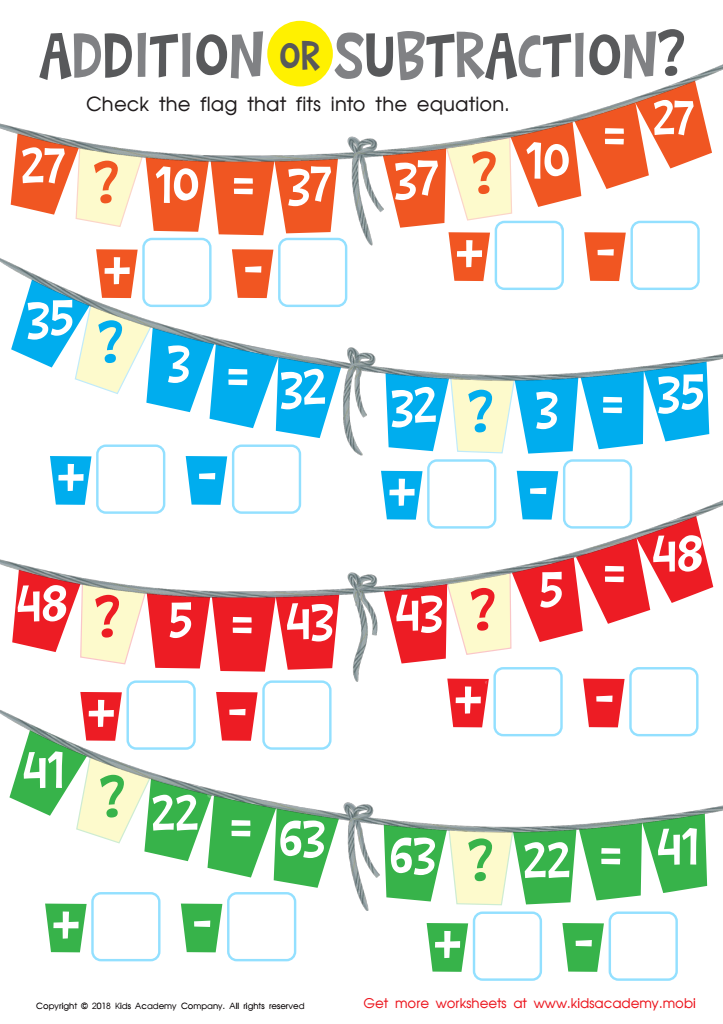
Addition or Subtraction? Worksheet
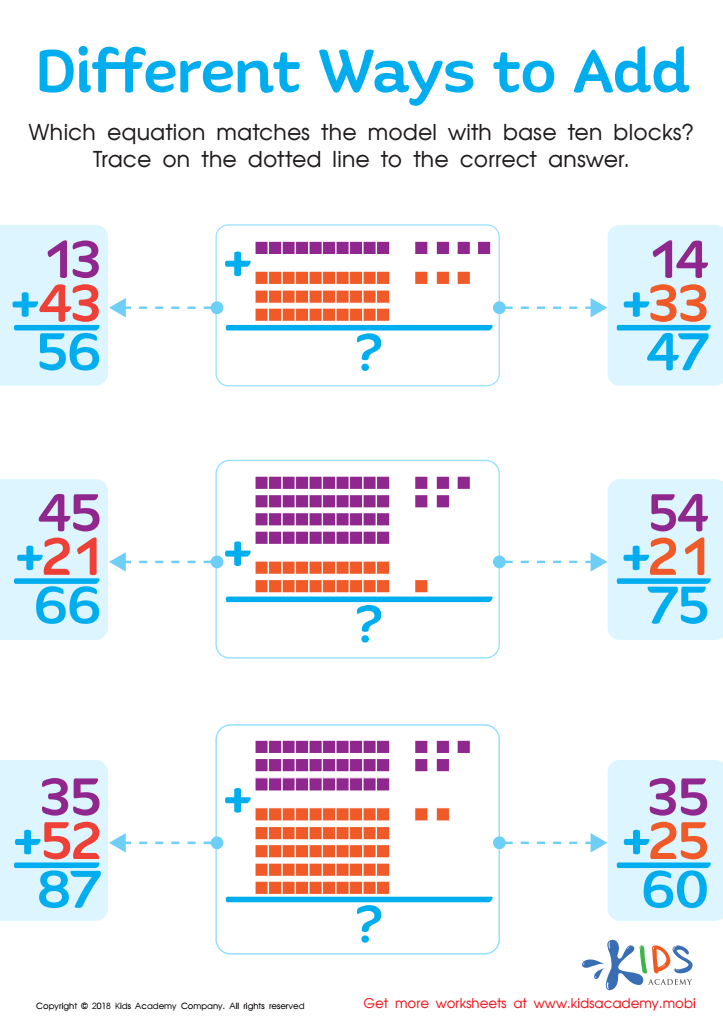
Different Ways to Add Worksheet
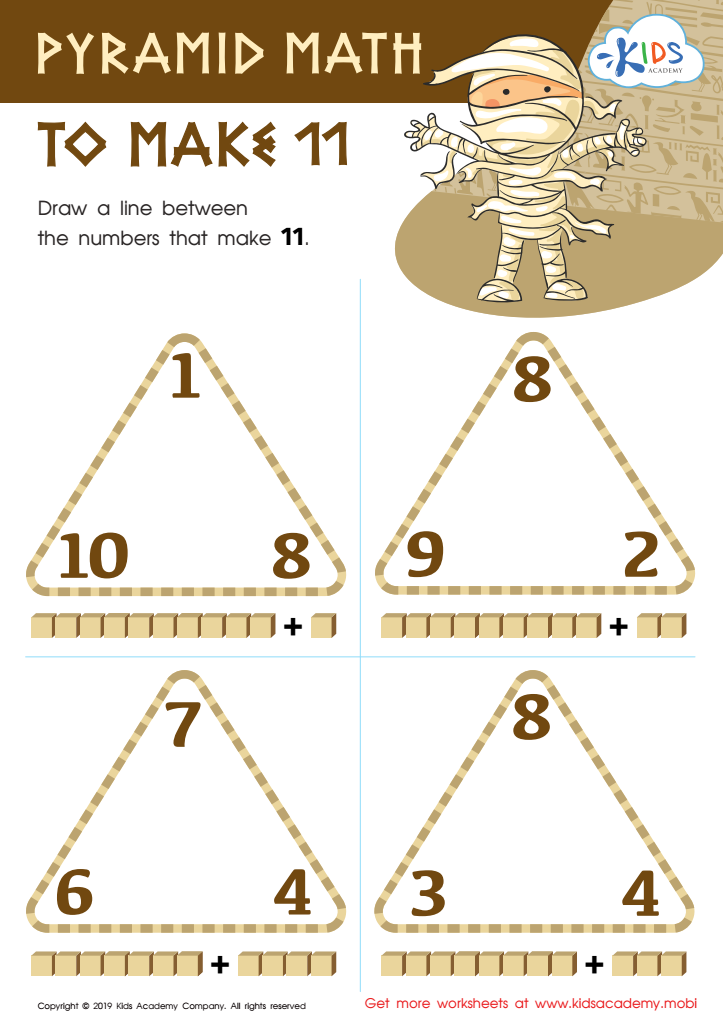
Pyramid Math to Make 11 Worksheet








Parents and teachers should prioritize problem-solving abilities in normal math for ages 4-6 because these foundational skills significantly influence a child's overall development and academic success. At this age, children are naturally curious and eager to explore their environment. Engaging them in problem-solving activities fosters critical thinking, encourages creativity, and enhances their ability to adapt to new situations.
Developing strong math problem-solving skills at an early age promotes logical reasoning and makes computations less intimidating as they progress in their education. Engaging in normal math problem-solving activities also helps children build confidence, as they learn to tackle challenges and discover solutions on their own. Additionally, these skills encourage persistence, teaching children that with effort and patience, they can overcome difficulties.
Early exposure to problem-solving in math sets the stage for more complex concepts later on, creating a solid foundation for advanced mathematical thinking. Furthermore, strong problem-solving capabilities are transferable to various life situations, aiding children in making informed decisions and enhancing their social interactions. In sum, nurturing these skills in young learners not only prepares them for future academic challenges but also supports their overall cognitive and emotional growth.








