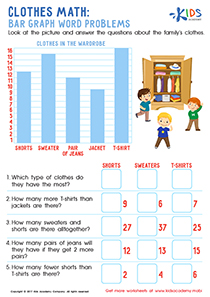
Reading comprehension Normal Two-step Word Problems Worksheets for Ages 4-6
3 filtered results
-
From - To
Introduce your child to the world of problem-solving with our "Reading Comprehension Normal Two-step Word Problems Worksheets" designed specifically for ages 4-6. These engaging worksheets combine foundational math skills with essential reading comprehension, supporting young learners in understanding and breaking down complex problems into manageable steps. Each worksheet features real-life scenarios that make learning both practical and fun, cultivating critical thinking and analytical skills. Perfect for early-grade students, these tools will enhance your child's ability to read carefully, interpret information, and solve two-step word problems confidently. Empower your child to achieve academic success with our carefully crafted educational worksheets.
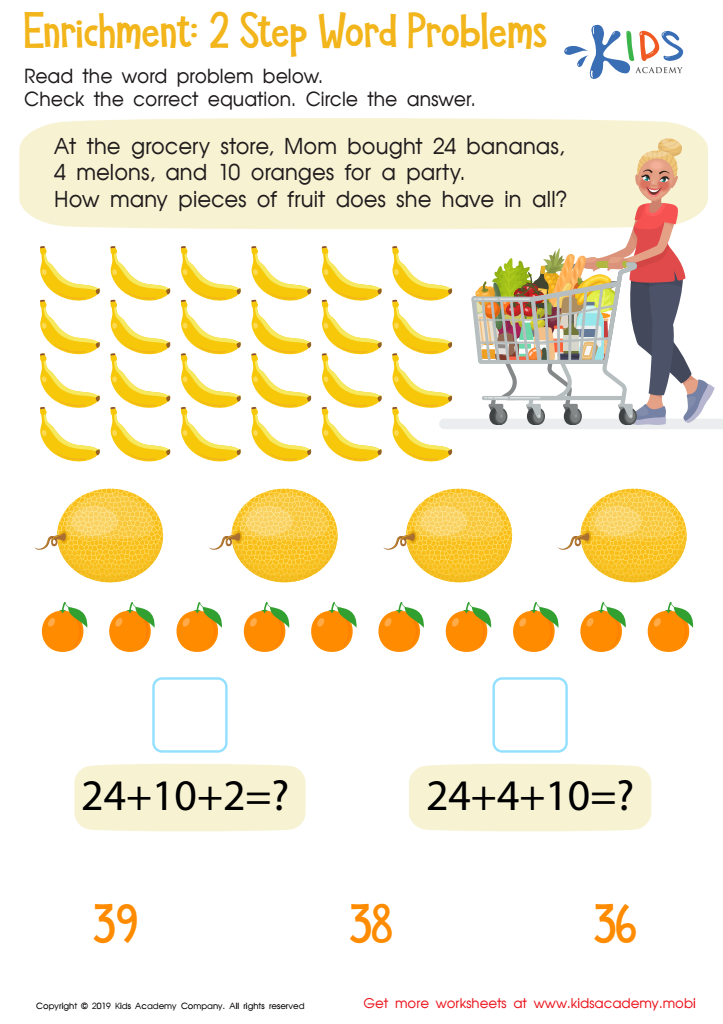
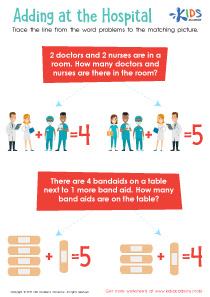
Enrichment -2 Step Word Problems Worksheet
 Assign to My Students
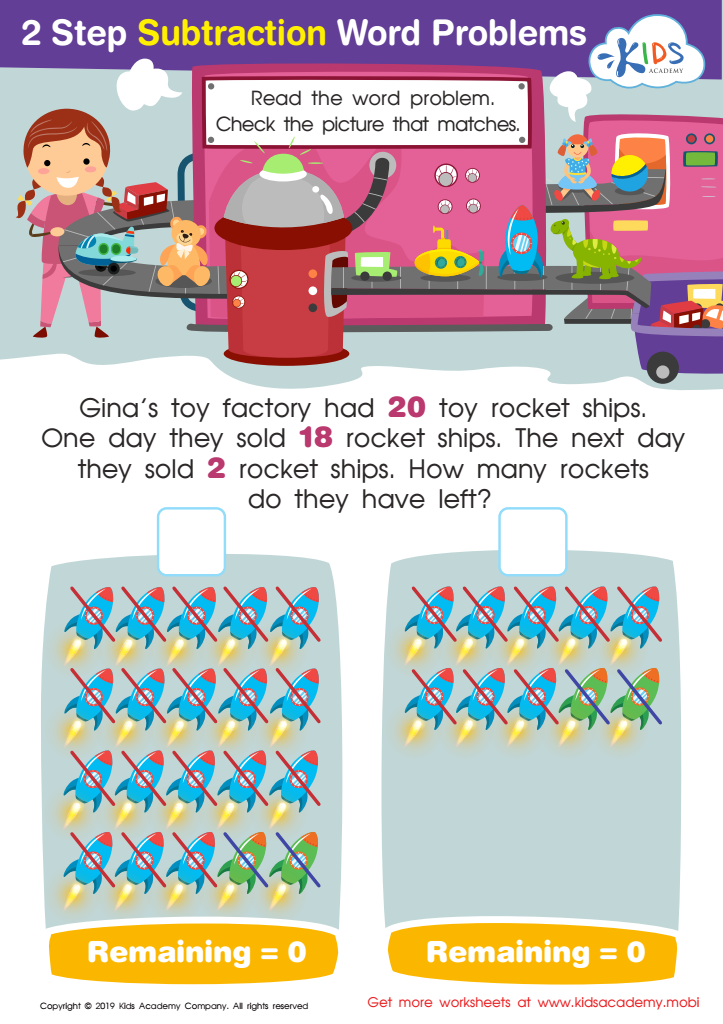
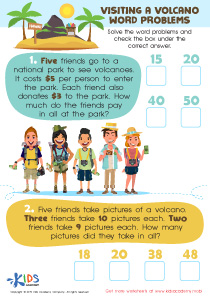
Step Subtraction Word Problems Worksheet
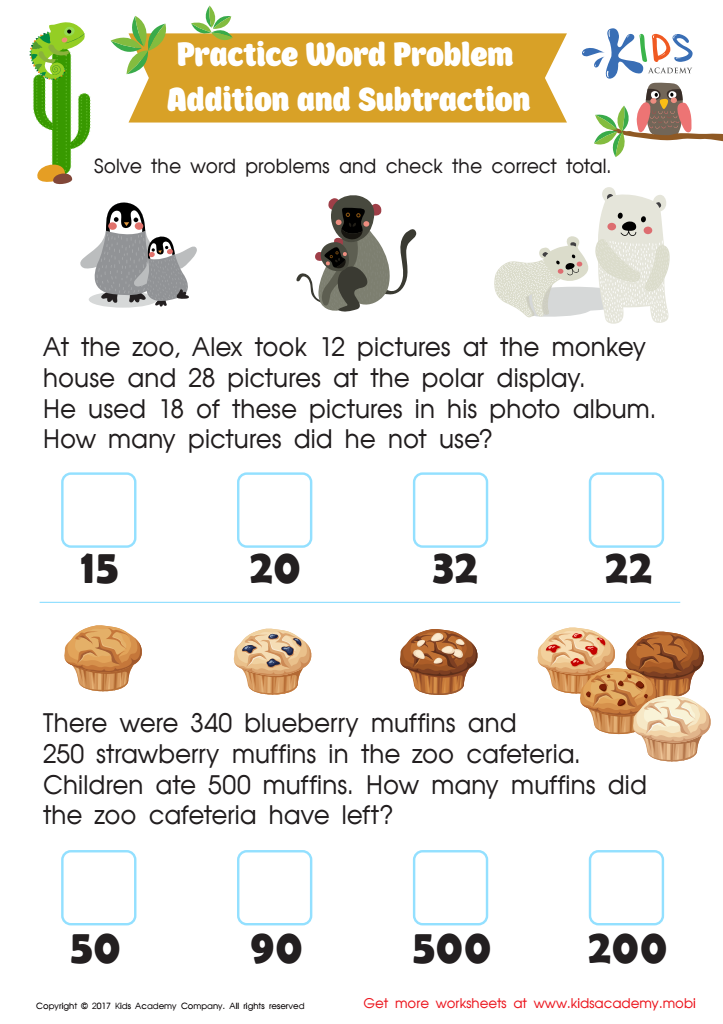
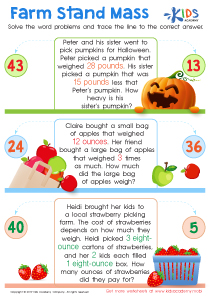
Addition and Subtraction: Word Problems Worksheet



Parents and teachers should prioritize reading comprehension in children ages 4-6 because it lays the foundation for critical thinking and successful learning across all subjects. At this early developmental stage, understanding and solving normal two-step word problems enhances a child's cognitive abilities by fostering skills in reading, comprehending information, and applying arithmetic operations sequentially.
Firstly, children learn to decode words, understand their meaning, and connect them to the problem at hand. This not only improves their vocabulary and grammatical skills but also boosts their ability to follow directions and comprehend more complex texts in the future.
Secondly, solving two-step problems requires logical thinking and strategy. It encourages children to think in stages: identifying the problem, deciding on a plan, and solving it step by step. This kind of structured approach is essential for mathematical reasoning and everyday problem-solving.
Moreover, mastering these skills builds confidence in young learners. As they experience success in comprehending and solving problems, their educational engagement and enthusiasm increase. Early competency in reading comprehension and problem-solving therefore serves as a critical predictor of academic achievement and enhances lifelong learning capabilities.
In summary, equipping children with these early literacy and numerical skills ensures well-rounded cognitive development and serves as an investment in their present and future educational prosperity.