Reading practice Normal Reading Worksheets for Ages 4-6
3 filtered results
-
From - To
Enhance your child's reading skills with our Normal Reading Worksheets designed for ages 4-6. These engaging, printable resources provide a fun and interactive way for young learners to practice essential reading comprehension skills. Each worksheet focuses on key literacy concepts such as phonics, vocabulary development, and sentence structure, tailored to support early readers at their own pace. Our worksheets foster a love for reading while building confidence and understanding. Perfect for both home and classroom use, our reading practice materials ensure that children unlock the joys of literature and language. Dive into learning with our vibrant and engaging worksheets today!
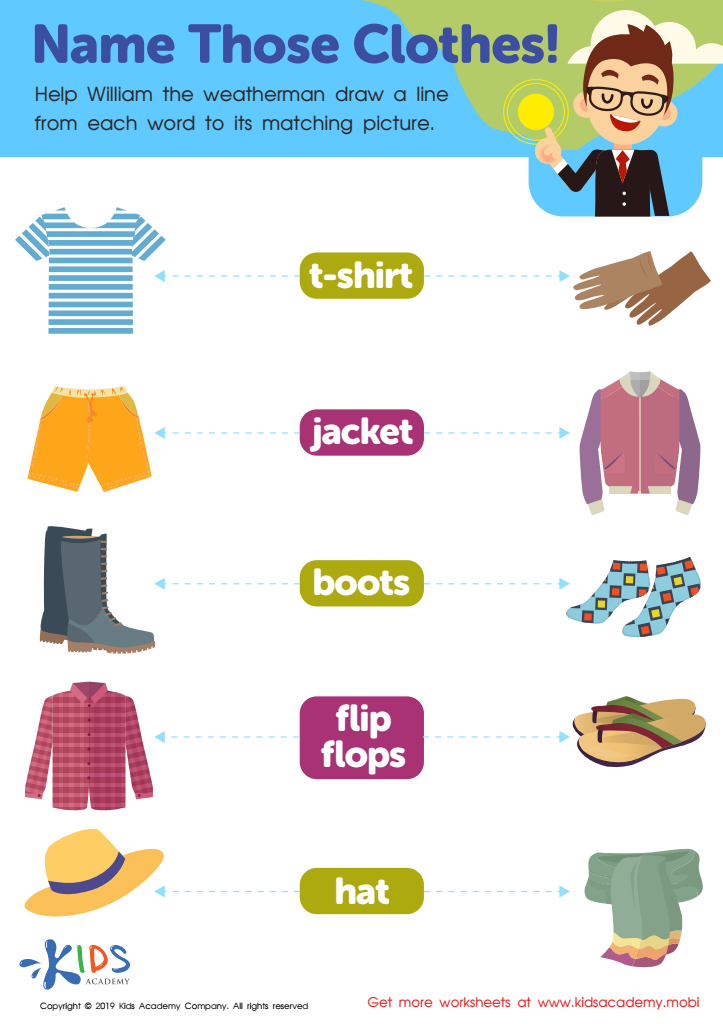
Name Those Clothes Worksheet
 Assign to My Students
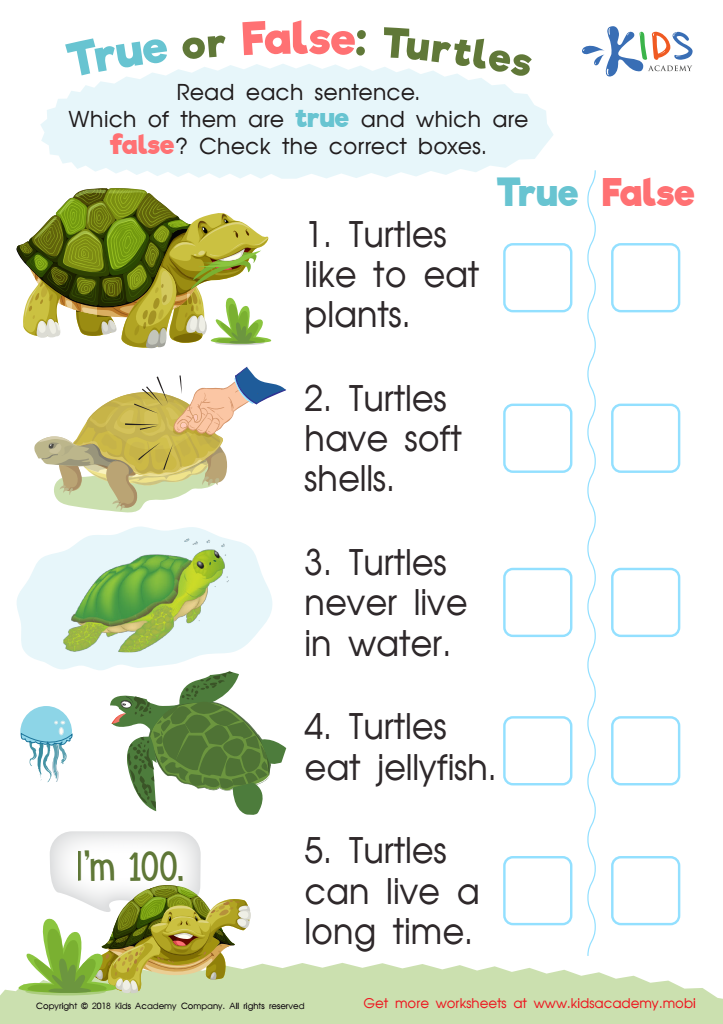
True or False: Turtles Worksheet
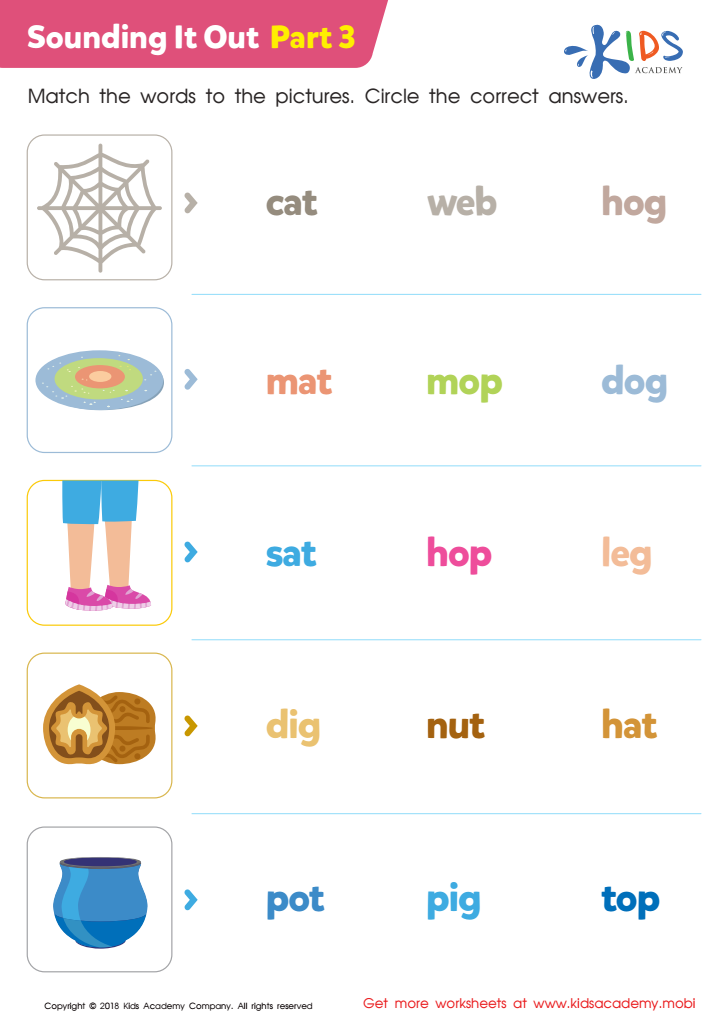
Sounding it Out: Part 3 Worksheet








Reading practice during the early years, particularly for ages 4 to 6, is crucial for several reasons. At this developmental stage, children are laying the foundation for their literacy skills, which are essential for academic success and lifelong learning. Engaging in regular reading helps young children develop vocabulary, comprehension, and critical thinking abilities. When parents or teachers prioritize reading practice, they foster an enjoyment of literature and storytelling, sparking curiosity and imagination.
Additionally, reading at this age strengthens phonemic awareness—the ability to hear and manipulate sounds in words—which is vital for decoding written text. This skill is fundamental in preventing future struggles with reading proficiency. Moreover, reading aloud with children promotes bonding, enhances listening skills, and encourages expressive language use, creating a favorable environment for communication.
Beyond academics, reading instills empathy and understanding as children encounter diverse characters and situations through stories. This awareness helps them navigate social contexts better. Ultimately, consistent reading practice during these formative years sets children on a path to becoming confident, skilled readers, equipping them with the tools they need for success in school and beyond. Consequently, both parents and teachers play a pivotal role in cultivating this lasting connection to reading.








