Problem-Solving Skills Normal Reading Fiction Worksheets for Ages 4-6
4 filtered results
-
From - To
Introduce your young learner to the world of problem-solving with our engaging fiction reading worksheets, designed for ages 4-6. These carefully crafted resources blend captivating stories with thought-provoking activities, allowing children to build critical thinking and reasoning skills while enjoying their favorite tales. Each worksheet encourages kids to recognize and solve problems presented within the stories, promoting both literacy and cognitive development. Perfect for early readers, our problem-solving worksheets make learning fun and rewarding, providing a strong foundation for future academic success. Explore our diverse selection today and watch your child’s problem-solving abilities soar!
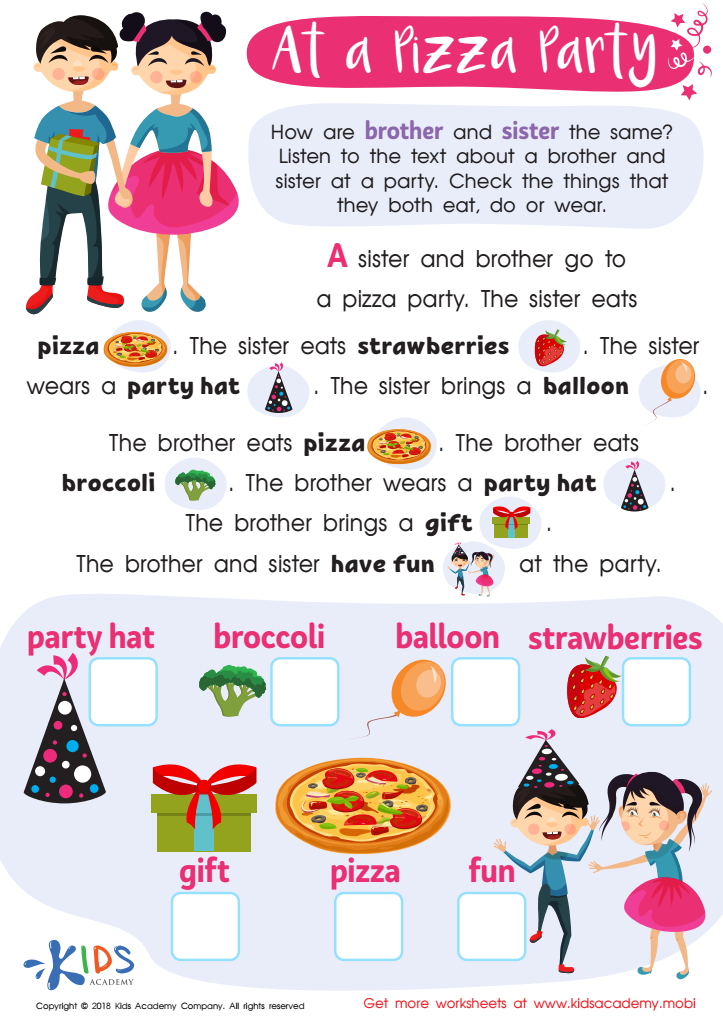
At a Pizza Party Worksheet
 Assign to My Students
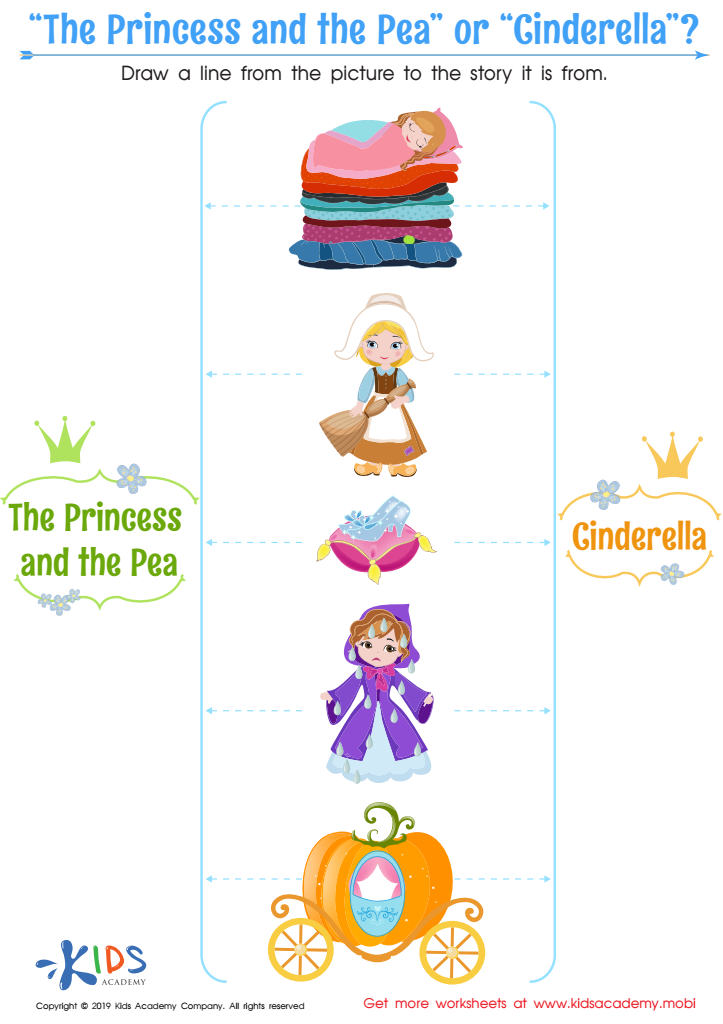
“The Princess and the Pea” or “Cinderella” Worksheet
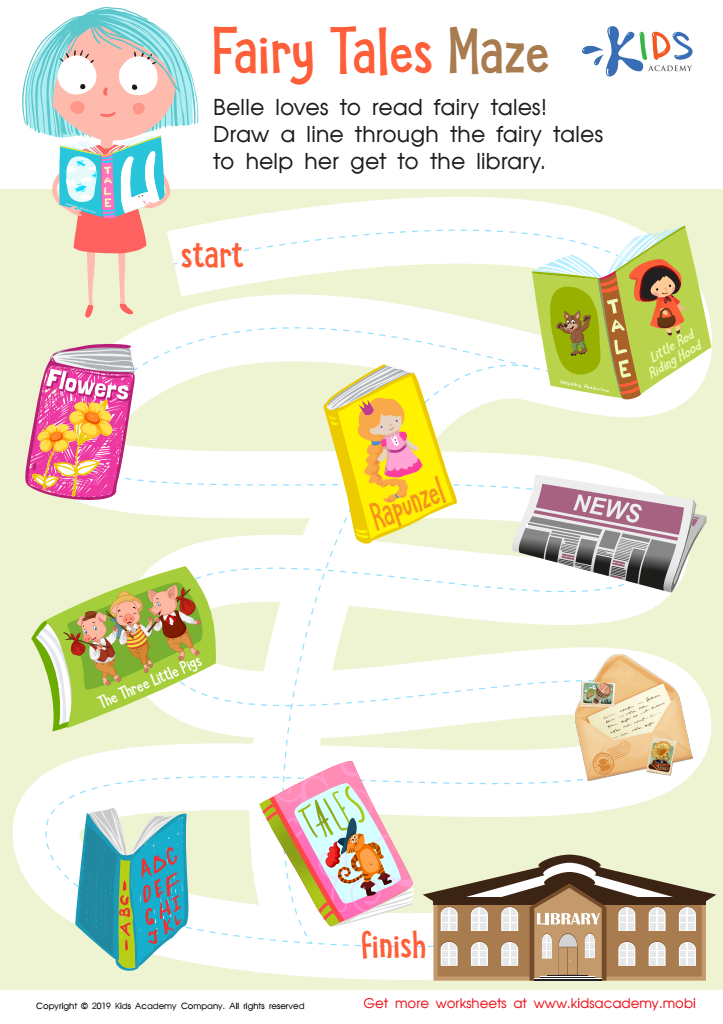
Fairy Tales Maze Worksheet
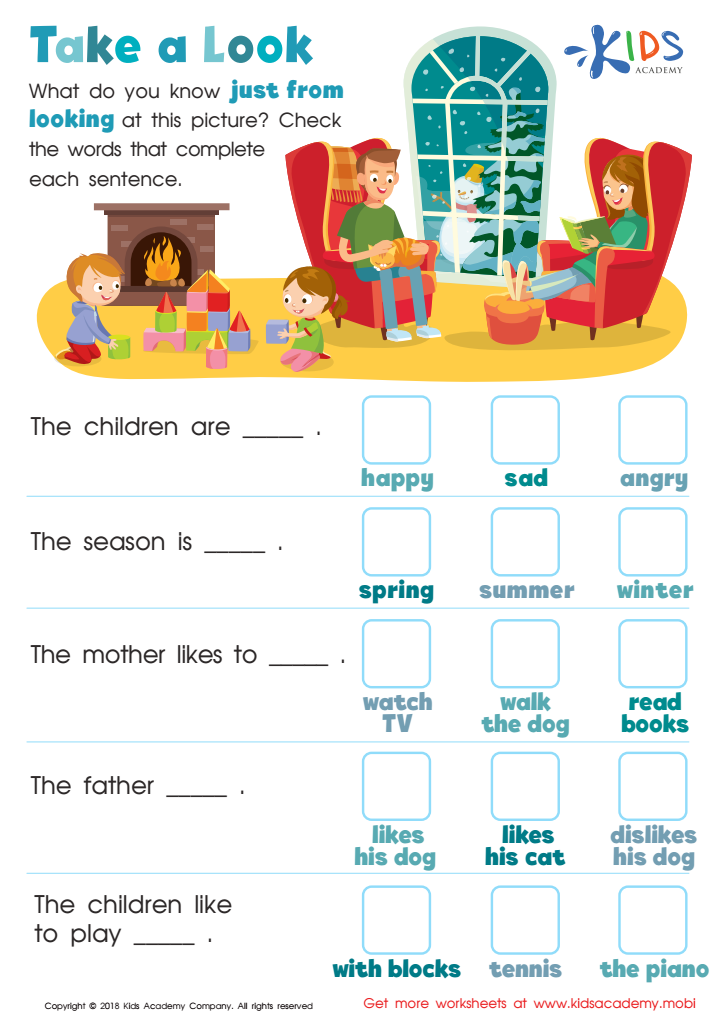
Take a Look - Part 1 Worksheet


.jpg)


.jpg)


Problem-solving skills and normal reading fiction for ages 4-6 play a crucial role in children's cognitive and emotional development. Parents and teachers should prioritize these skills because they help children learn to think critically, navigate challenges, and become more independent.
Reading fiction can stimulate a child's imagination and introduce them to different scenarios and diverse perspectives. As young readers encounter characters facing dilemmas, they witness various problem-solving approaches, fostering empathy and creativity. These stories often mirror real-life situations, allowing children to mentally rehearse solutions to similar problems they might face in reality.
Developing problem-solving skills at an early age strengthens a child’s ability to approach tasks methodically, enhances their perseverance, and reduces frustration when they encounter difficulties. It empowers them to break down complex tasks into manageable steps, fostering a sense of competence and boosting self-confidence. These abilities are foundational for academic success and everyday life.
Furthermore, engaging with fiction also supports language development, comprehension skills, and emotional intelligence. As children discuss stories with parents and teachers, they practice expressing their thoughts, predicting outcomes, and reflecting on alternative solutions.
By focusing on problem-solving and reading, parents and teachers help children build the essential skills needed for a successful and fulfilling life. These early experiences lay the groundwork for continuous learning and adaptability.







