Logical Reasoning Normal Plants and Animals Worksheets for Ages 4-6
4 filtered results
-
From - To
Discover our engaging Logical Reasoning Worksheets designed for young learners aged 4-6, featuring captivating activities centered around plants and animals. These worksheets develop critical thinking skills while introducing children to the fascinating world of nature. Through fun exercises, kids will engage in identifying similarities, classifying species, and exploring relationships between different plants and animals. Each worksheet is crafted to foster curiosity and encourage problem-solving, making learning both enjoyable and impactful. Perfect for classroom settings or home study, these resources are ideal for nurturing your child's logical reasoning abilities while enhancing their understanding of the environment. Start exploring today!
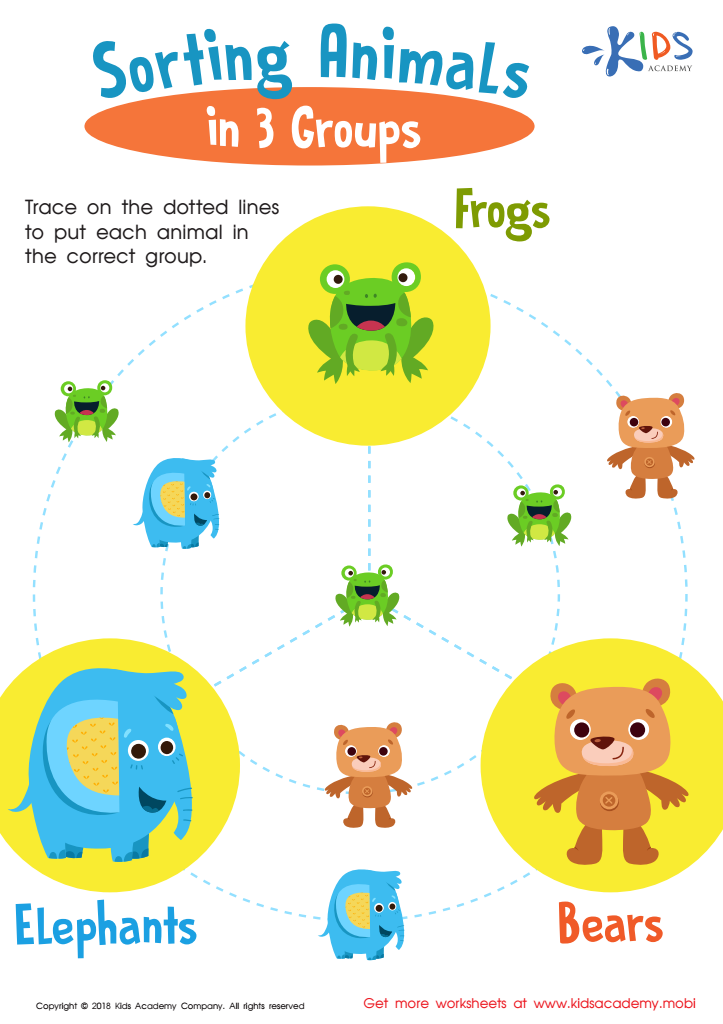
Sorting Animals in 3 Groups Worksheet
 Assign to My Students
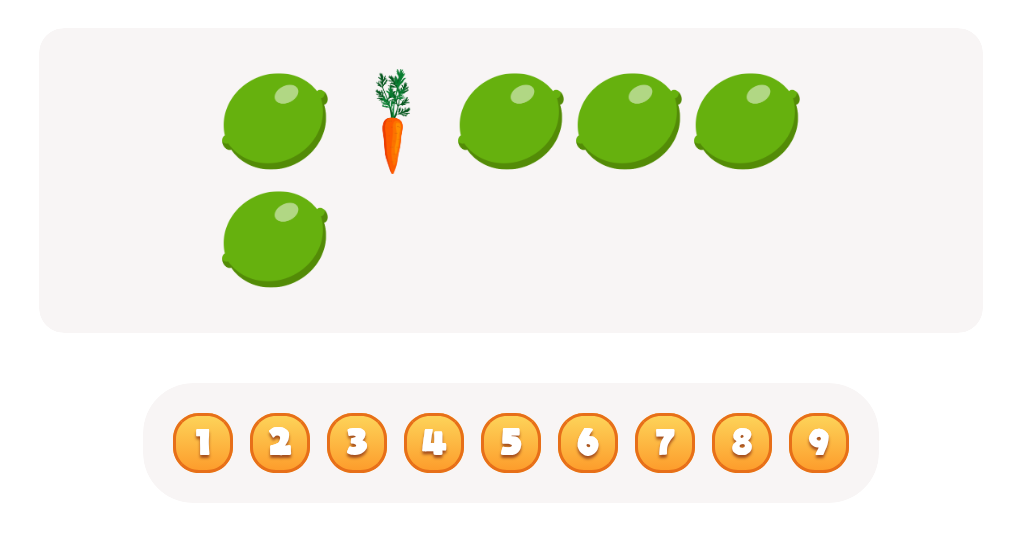

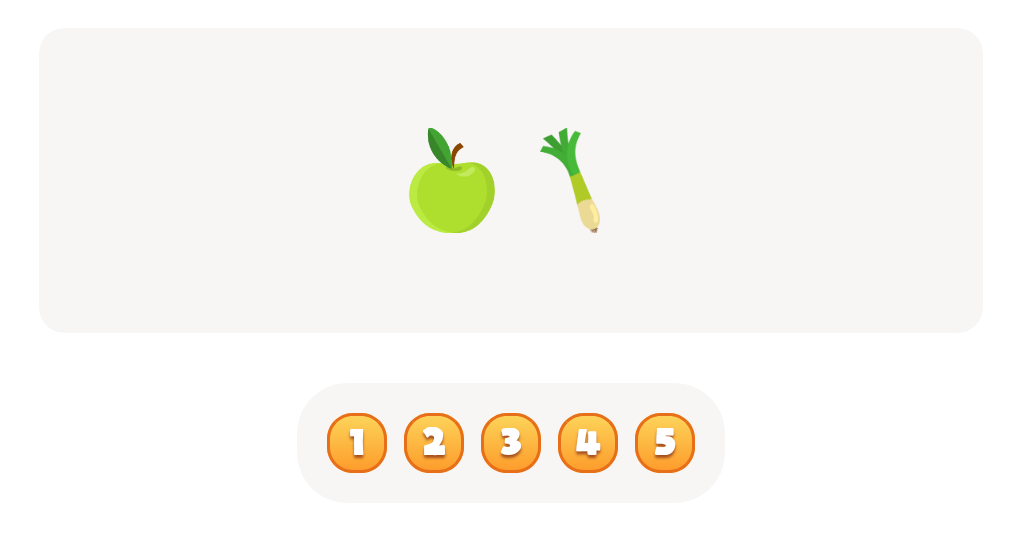
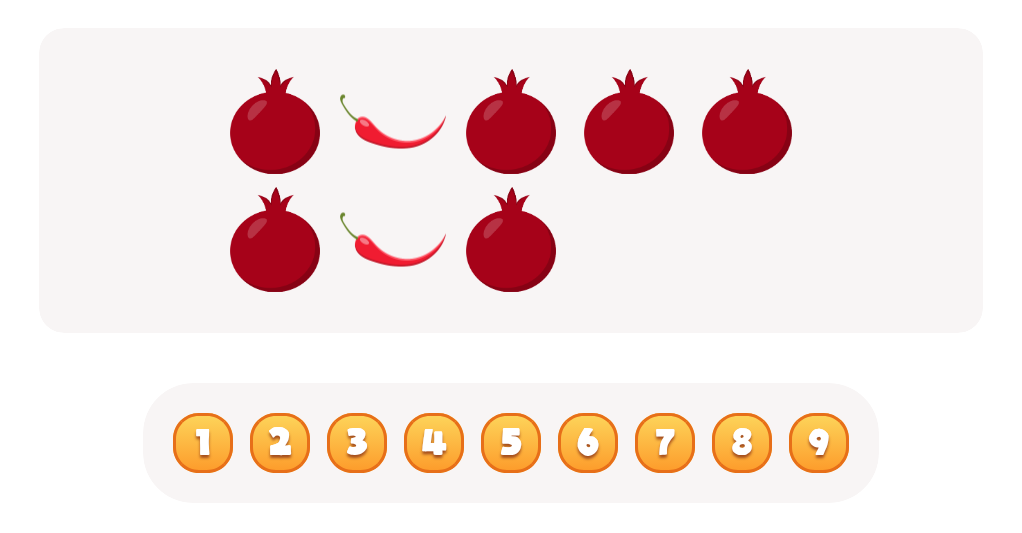
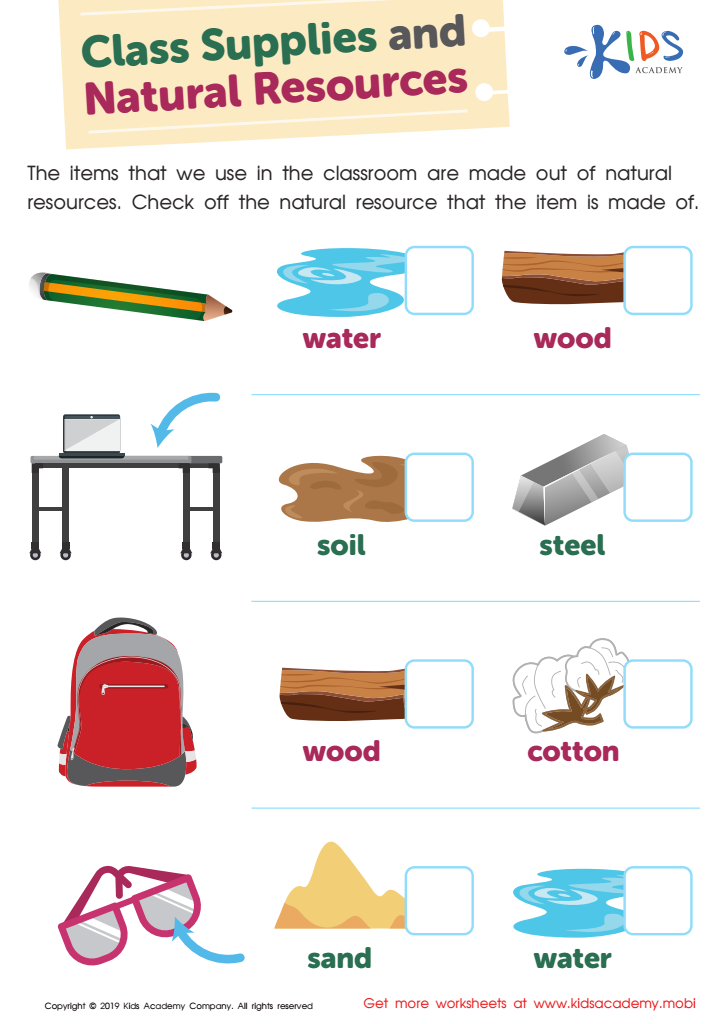
Class Supplies and Natural Resources Worksheet
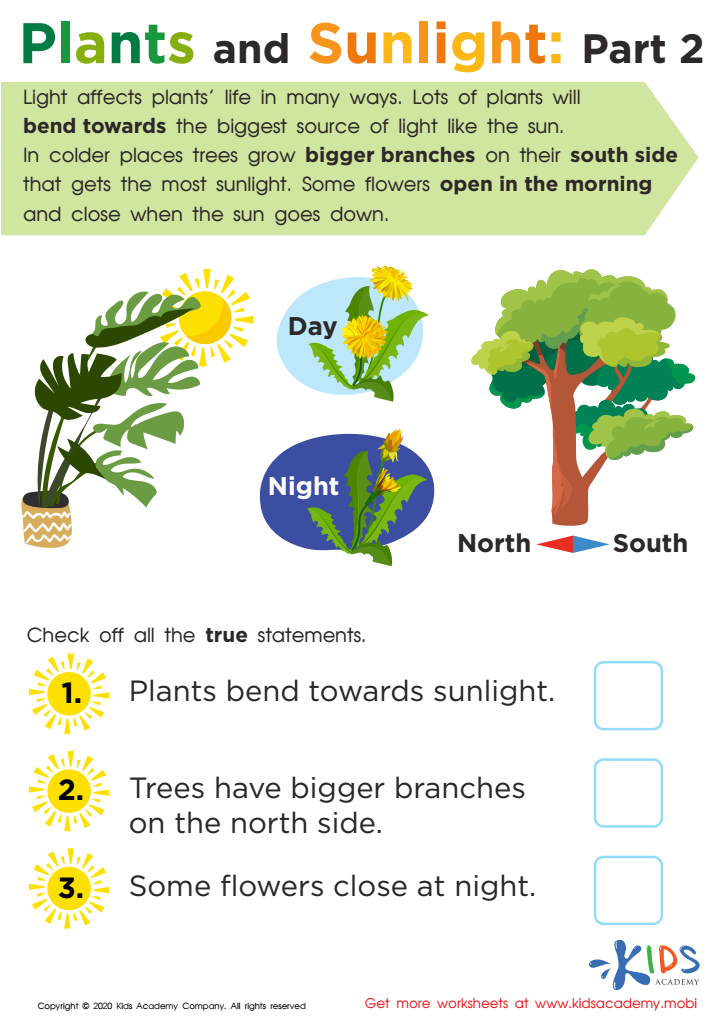
Plants and Sunlight: Part 2 Worksheet
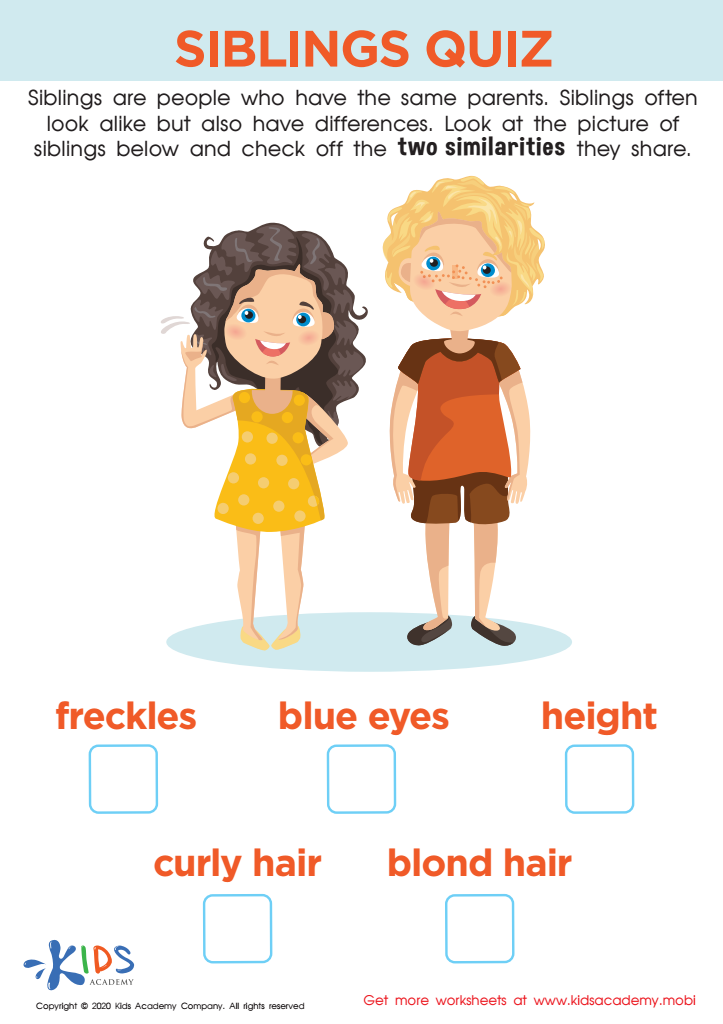
Siblings Quiz Worksheet


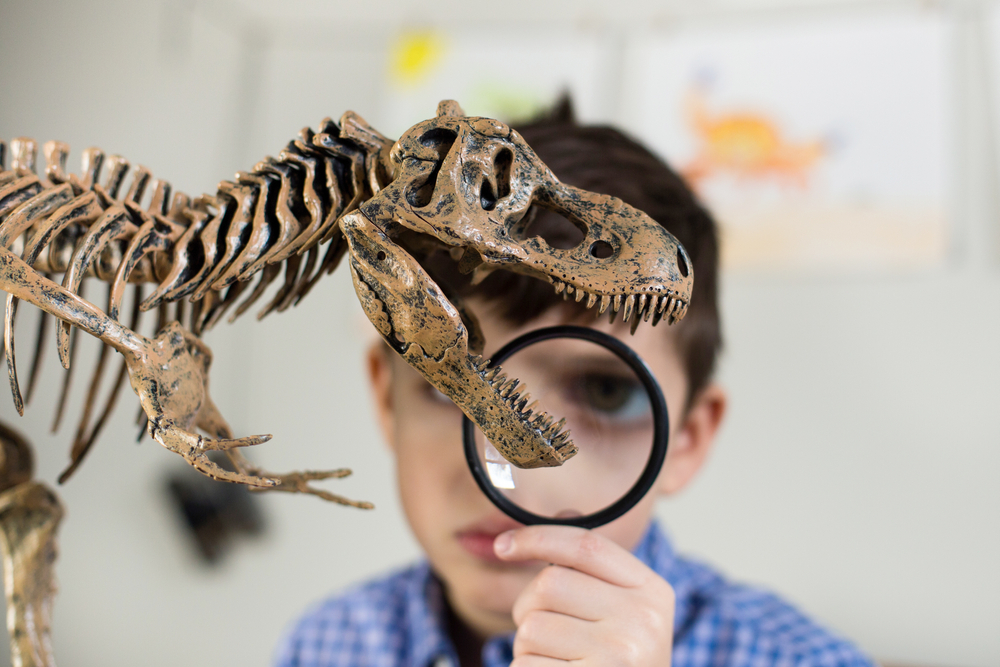





Parents and teachers should care about logical reasoning skills in young children, especially in the context of learning about normal plants and animals, because these foundational skills play a critical role in cognitive development. For ages 4-6, children are naturally curious about the world around them. By engaging with logical reasoning activities related to plants and animals, they learn to categorize information, identify patterns, and make connections, which are essential components of critical thinking.
Understanding normal plants and animals fosters children’s observational skills and nurtures their inquiry abilities. For example, reasoning through why certain plants thrive in specific environments or how animal behaviors relate to their habitats encourages investigative learning. This not only enriches their knowledge base but also enhances their ability to solve problems and think independently.
In addition, logical reasoning activities help develop language skills as children discuss their thoughts and conclusions. Integrating these themes into learning promotes a holistic educational experience, contributing not only to academic success but also to social-emotional growth. By caring about and promoting logical reasoning in this context, parents and teachers can lay a strong foundation for lifelong learning and critical thinking skills, supporting children's overall cognitive and personal development.







