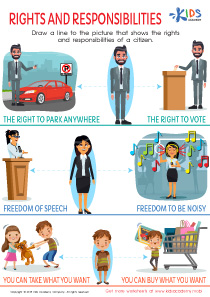
Following instructions Normal Social Studies Worksheets for Ages 4-6
3 filtered results
-
From - To
Unlock your child's potential in social studies with our “Following Instructions Normal Social Studies Worksheets for Ages 4-6”. Designed to enhance learning skills in a fun and engaging way, our worksheets help young learners grasp essential concepts while developing crucial abilities like listening, comprehension, and following instructions. Each activity is tailored to the cognitive and developmental needs of 4 to 6-year-olds, ensuring they acquire foundational knowledge in a supportive environment. Ideal for parents and educators, these printables make learning enjoyable and effective, preparing your child for future academic success. Discover the joy of learning today!
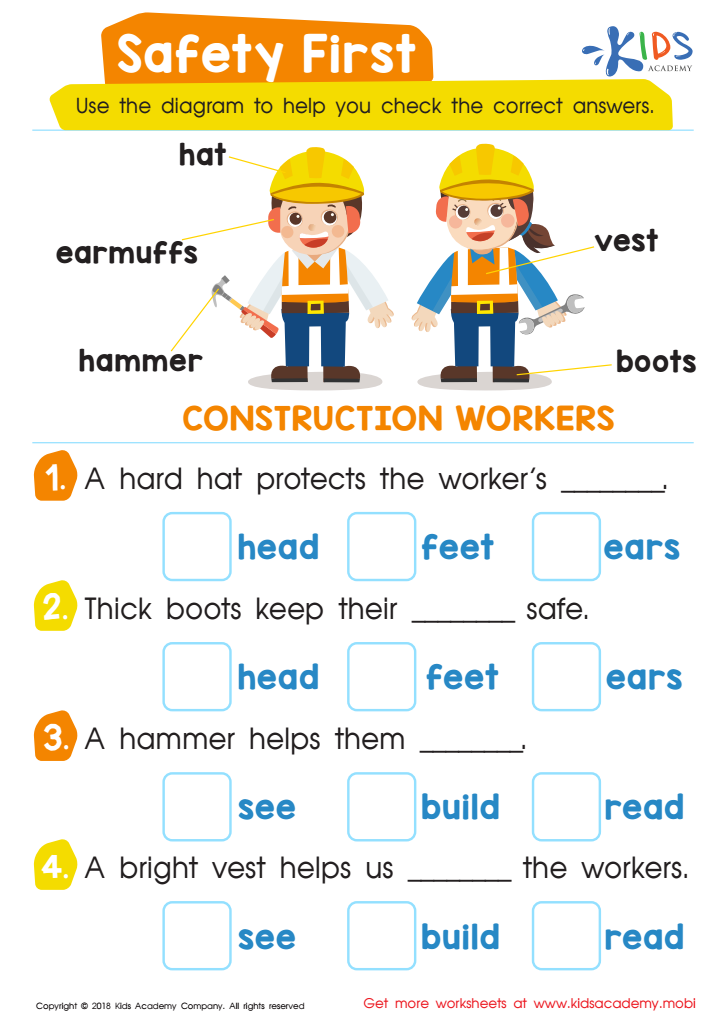
Safety First Worksheet
 Assign to My Students
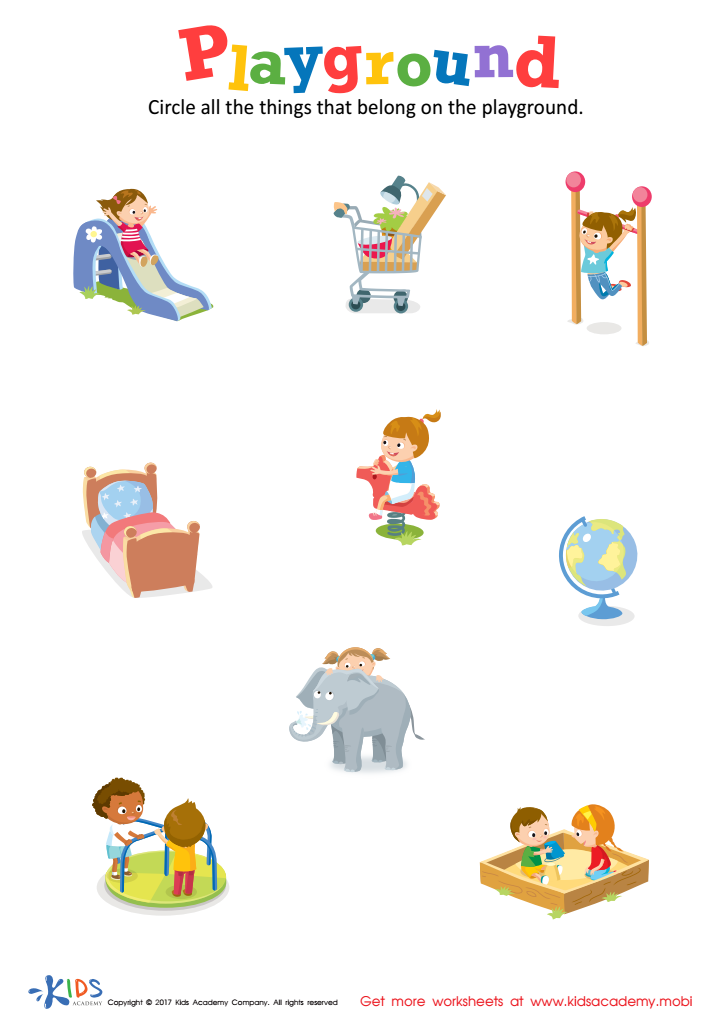
Playground Worksheet
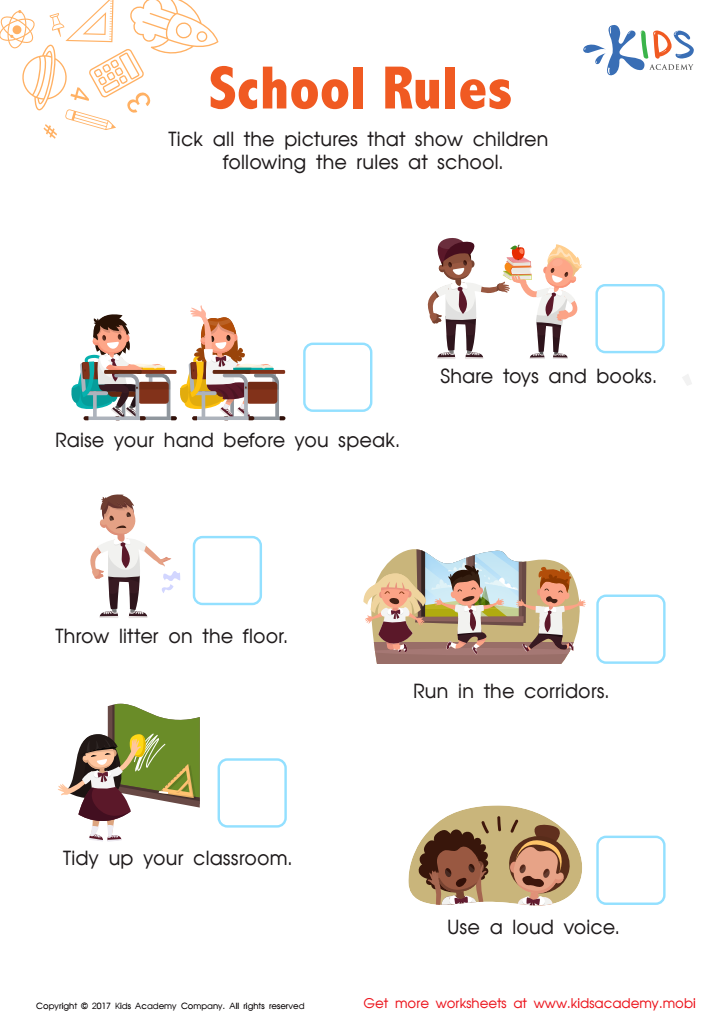
School Rules Worksheet








Following instructions and engaging in normal social studies activities are crucial for children aged 4-6, as these experiences lay foundational blocks for their holistic development. At this formative age, adhering to instructions hones essential listening skills and the ability to focus, both of which are integral to academic success and overall cognitive growth. By learning to follow steps or directives, children cultivate a sense of discipline and responsibility, instilling habits that will benefit them in all areas of life.
Social studies, though seemingly complex for young minds, are key to developing an understanding of the world and their place within it. Basic social studies concepts for ages 4-6 typically include community roles, cultural awareness, and understanding simple maps and symbols. These lessons foster children’s sense of identity and empathy, encouraging them to appreciate diversity and learn societal norms.
When parents and teachers prioritize following instructions and integrate social studies into early education, they equip children with critical life skills. This balanced focus nurtures well-rounded individuals who are not only capable of performing tasks effectively but are also aware, respectful, and engaged members of their communities. In essence, these fundamental skills create a strong scaffold for future learning and interpersonal competence.