Vocabulary development Normal Social Studies Worksheets for Ages 4-6
5 filtered results
-
From - To
Enhance your child's vocabulary with our engaging Social Studies worksheets designed specifically for ages 4-6. These thoughtfully crafted resources focus on vocabulary development through fun and interactive activities. Kids will explore essential social concepts while expanding their language skills, building a strong foundation for effective communication. Our worksheets feature colorful illustrations and age-appropriate content, making learning enjoyable and accessible. Designed to foster curiosity and critical thinking, these tools encourage children to connect with their world. Perfect for parents and educators, our vocabulary development worksheets offer a dynamic way to support early learning in a social context. Start the adventure today!
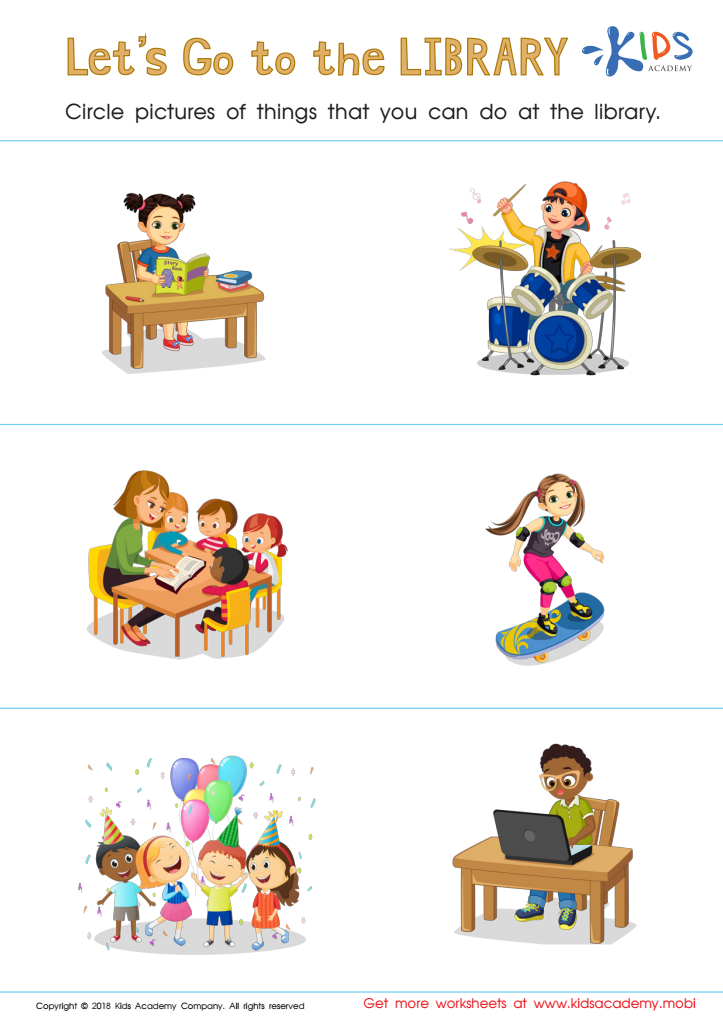
Let's Go to the Library! Worksheet
 Assign to My Students
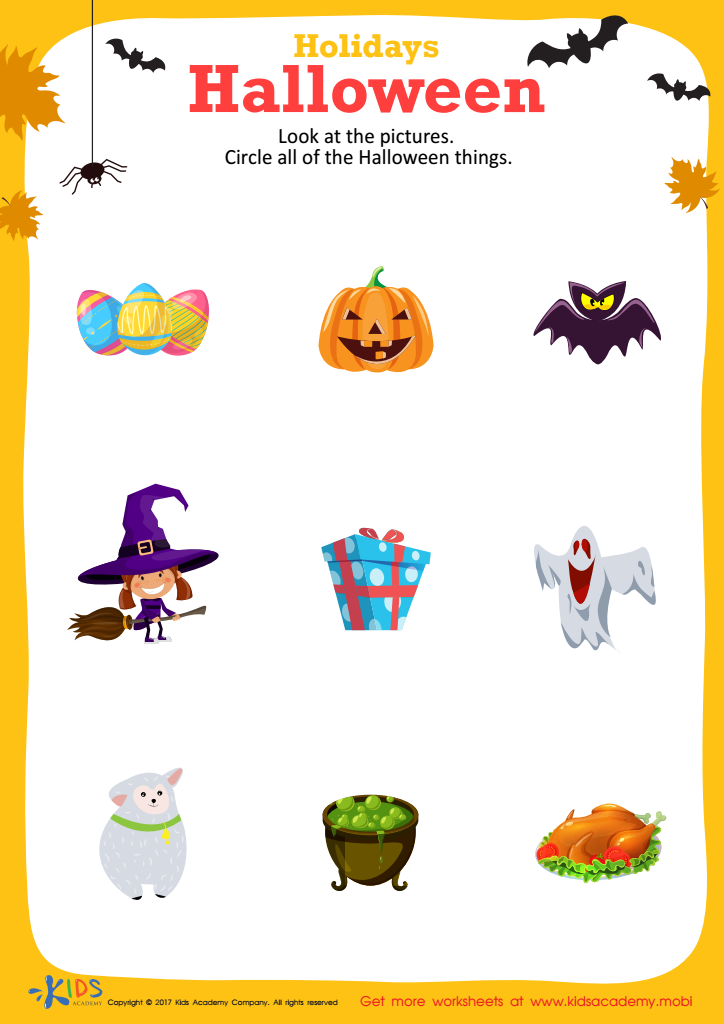
Halloween Holiday Worksheet
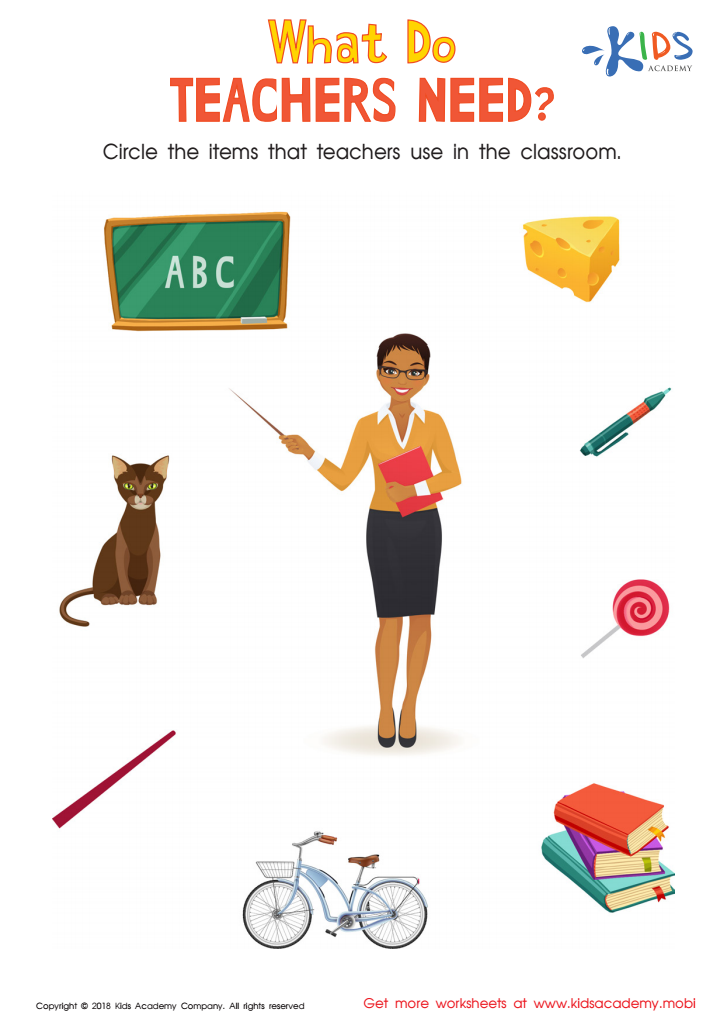
What Do Teachers Need Worksheet
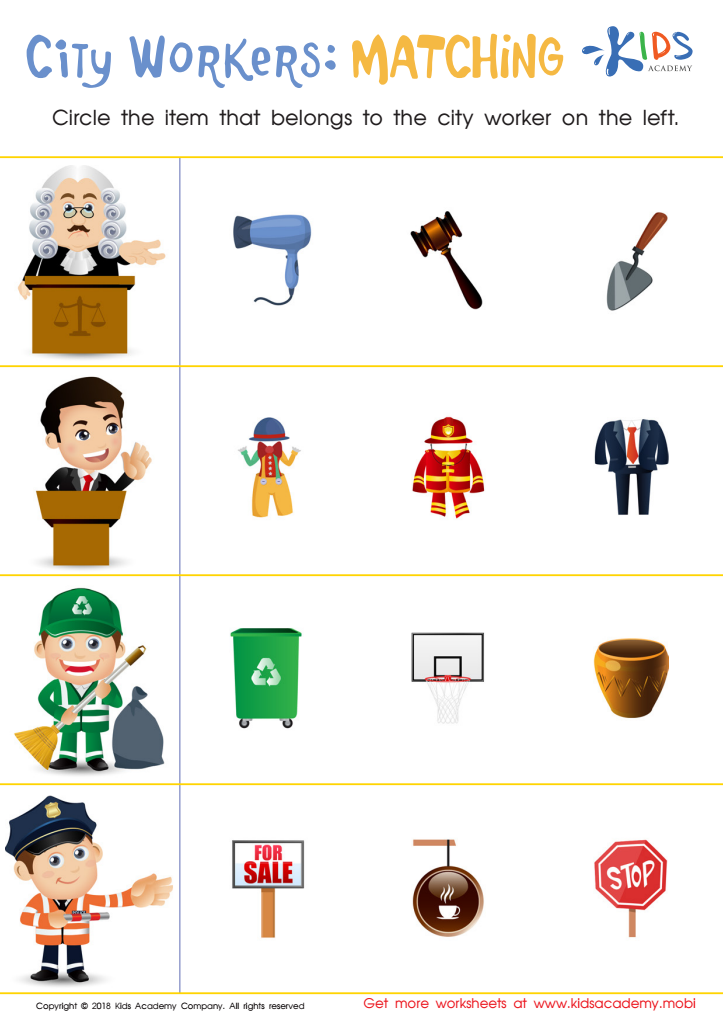
City Workers: Matching Worksheet
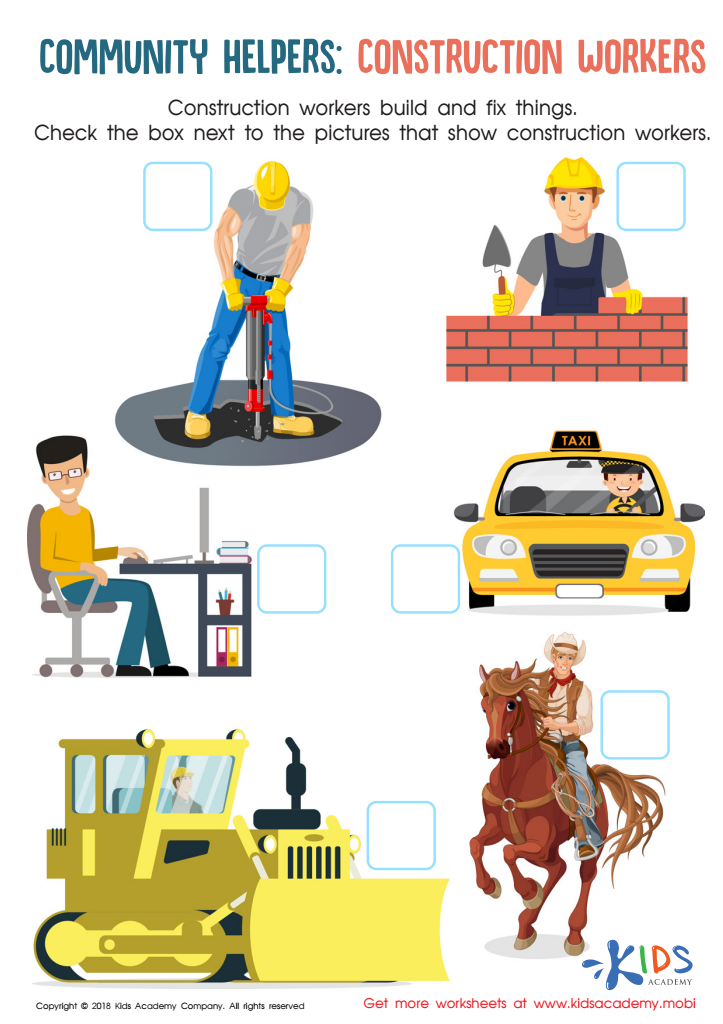
Construction Workers Community Helpers Worksheet






Vocabulary development in early childhood, particularly in the context of Social Studies for children aged 4-6, is crucial for several reasons. First, a rich vocabulary enhances a child's ability to express thoughts and ideas, enabling them to better communicate with peers and adults. This is essential for sharing experiences, asking questions, and engaging in discussions about their world.
Second, vocabulary development fosters critical thinking and comprehension skills. As children learn social studies concepts—such as community, culture, and citizenship—they encounter new terms and ideas that shape their understanding of the environment around them. Familiarity with these terms equips them to navigate complex topics, laying a foundation for higher-level cognitive abilities in the future.
Moreover, strong vocabulary skills promote social-emotional development. When children can articulate their feelings and thoughts, they are better equipped to build relationships and work collaboratively with others, which is a vital part of their learning journey.
Lastly, investing in vocabulary development early can lead to academic success down the line. Research shows that children with robust vocabulary skills perform better in school, providing them with a solid foundation in both social studies and other subjects as they progress through their education. This investment benefits not just individual learners but society as a whole.