Vocabulary development Normal World Around Us Worksheets for Ages 4-6
3 filtered results
Difficulty Level
Grade
Age
-
From - To
Subject
Activity
Standards
Enhance your child's vocabulary with our "World Around Us" worksheets, specially designed for ages 4-6. These engaging activities focus on everyday environments, offering young learners a mix of fun and education. The worksheets cover a variety of settings familiar to children, helping them recognize and name common objects, improving their word usage and comprehension. Through colorful illustrations and interactive tasks, your child will build essential language skills while exploring the world they see every day. Perfect for early grade students, these resources foster curiosity, encourage learning, and support early literacy development. Let your child discover, learn, and grow!
Favorites
With answer key
Interactive
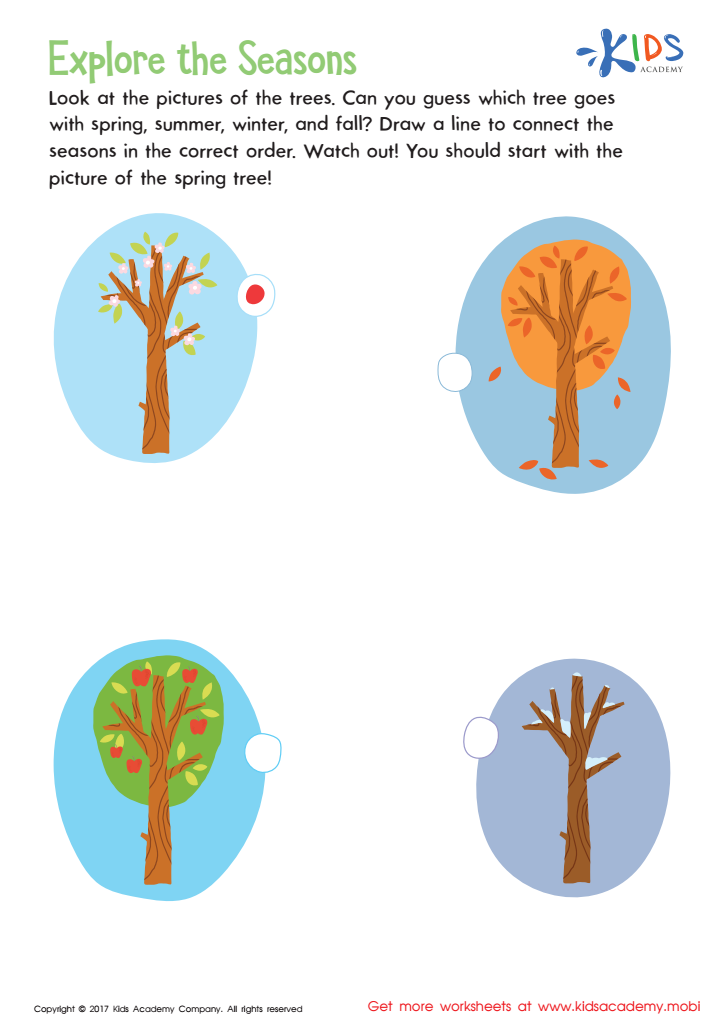
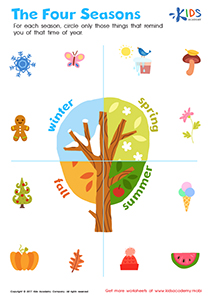
Explore the Seasons Worksheet
Introduce kids to the abstract concept of time with the explore the seasons printable. It helps build logical reasoning and problem-solving skills while teaching how trees change with the weather. Plus, it lets kids make real-life connections to what they're learning. So have them recall the seasons that have passed this year and prepare to be amazed!
 Assign to My Students
Explore the Seasons Worksheet
Worksheet
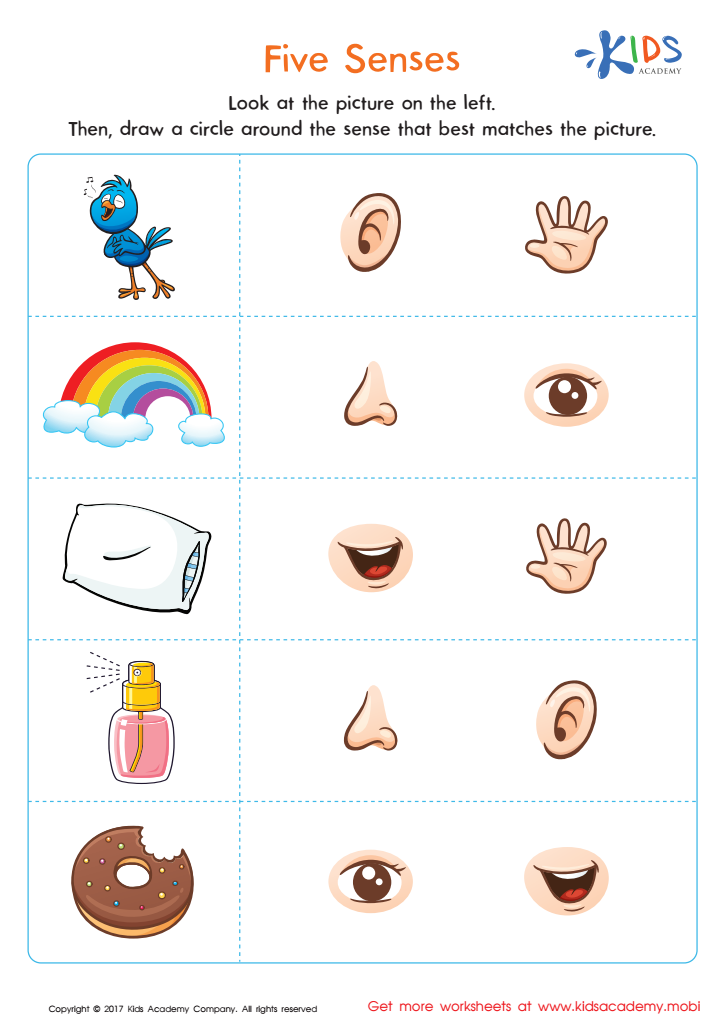
Five Senses Printable
For an easy way to jumpstart your child's critical thinking and introduce the five senses, print our free worksheets! These are great for reviewing each sense and practicing critical thinking skills. Work with your child and discuss each image. After completing the worksheet, find objects around the house so they can quiz themselves!
Five Senses Printable
Worksheet
Join Kids Academy for Free
Who is primarily going to use this learning content?








Vocabulary development is a foundational element in early childhood education that parents and teachers should prioritize for children ages 4-6. At this developmental stage, children's brains are highly receptive to language acquisition, meaning that the words and concepts they learn can significantly influence their cognitive, social, and academic growth.
First, a robust vocabulary allows children to effectively communicate their needs, thoughts, and emotions. This capability lays the groundwork for positive interactions with peers and adults, fostering essential social skills. Good communication can decrease frustration and behavioral issues too, as children can express themselves more readily.
Moreover, vocabulary development is tightly linked with reading comprehension and overall literacy. By enriching a child's word bank with terms related to the "Normal World Around Us", they become better equipped to understand and discuss everyday observations and experiences. This enrichment builds a stronger foundation for reading skills, influencing academic success in subjects across the board—from science to math, and art to social studies.
Enhancing vocabulary also spurs curiosity and a love for learning. When children can name and describe objects, inhabitants, and events in their environment, they feel empowered to ask questions and seek further knowledge.
Ensuring that children have a diverse and rich vocabulary prepares them for future learning experiences, creating confident, curious, and capable individuals ready to explore the world around them.