Vocabulary Building Normal Writing Worksheets for Ages 4-6
3 filtered results
Difficulty Level
Grade
Age
-
From - To
Subject
Activity
Standards
Discover our engaging Vocabulary Building Normal Writing Worksheets designed specifically for children aged 4-6. These worksheets foster early literacy skills by introducing young learners to new words in a fun and interactive way. Featuring colorful illustrations and easy-to-follow exercises, children will enjoy practicing their writing while expanding their vocabulary. Each worksheet encourages creativity and enhances comprehension as kids connect words to their meanings. Whether at home or in the classroom, our resources provide essential support for developing language skills. Perfect for targeted learning, our vocabulary worksheets will help your child become a confident communicator. Start their literary journey today!
Favorites
With answer key
Interactive
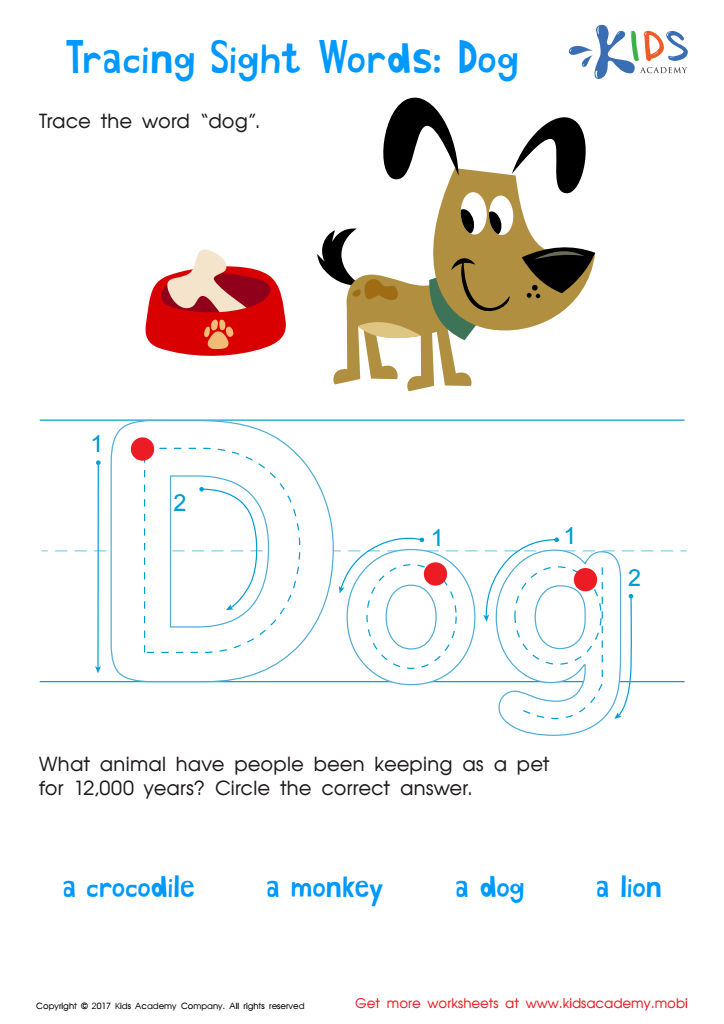
Dog Worksheet Sight Words Worksheet
Get your kids excited to read with our dog-themed sight words worksheet!
Excite your child to read with our sight words worksheet: dog edition! Featuring a lovable dog character to put a smile on any kid's face, this worksheet helps kids practice reading and writing the word "dog". Build a library of words they can read quickly and promote increasing literacy skills with early fluency! Get them ready for reading with our dog-themed sight words worksheet!
 Assign to My Students
Dog Worksheet Sight Words Worksheet
Worksheet
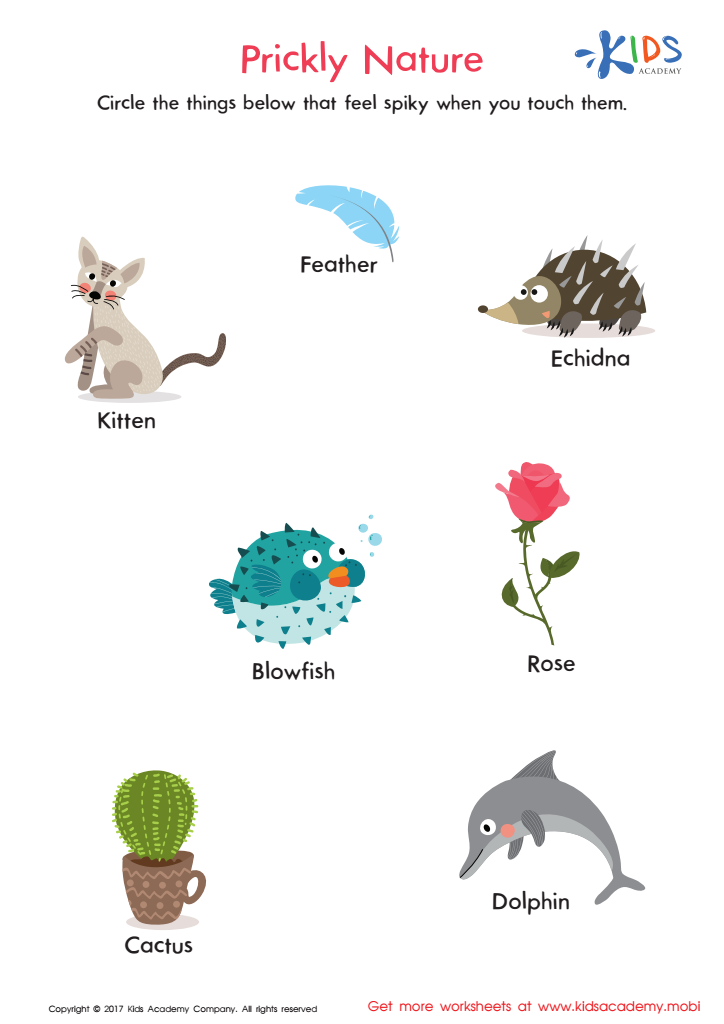
Prickly Nature Worksheet
Help your child stay safe and enhance critical thinking skills with this prickly nature worksheet. It can help them recognize spiky objects in their environment by teaching them to differentiate between prickly and soft textures. Plus, your kid will learn how to admire and avoid them. Get started today!
Prickly Nature Worksheet
Worksheet
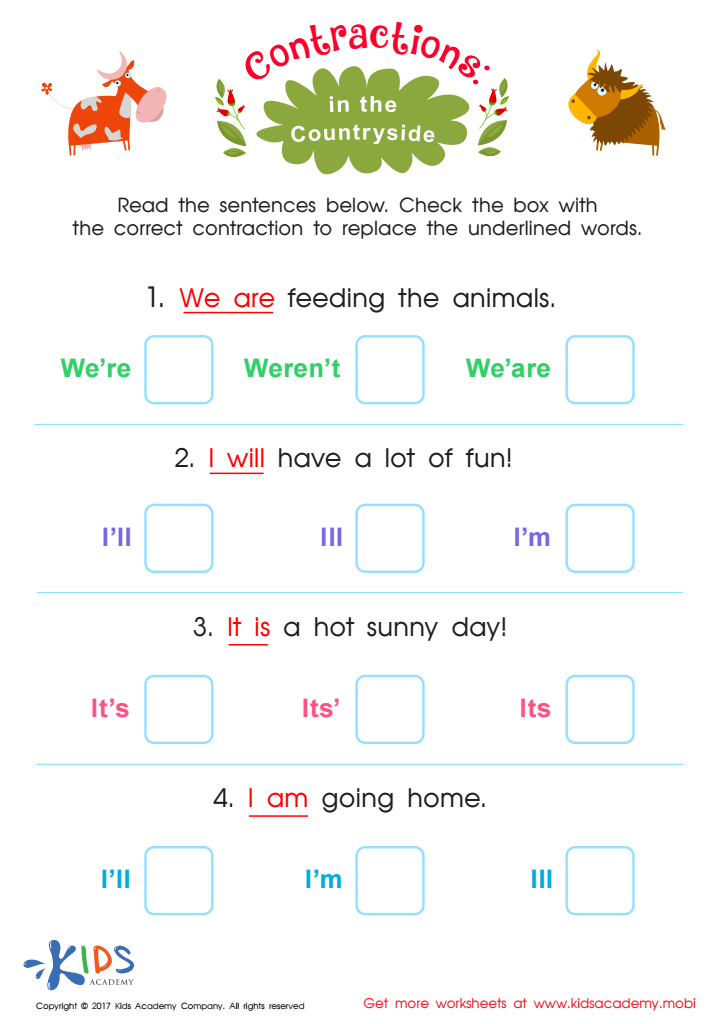
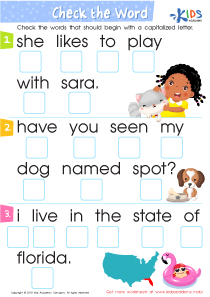
Contractions: In the Countryside Worksheet
This worksheet is great for building reading and writing skills.
Help your child master basic contractions with this printable worksheet: In the Countryside. Have them go through each sentence and select the right contraction. It's perfect for developing reading and writing skills.
Contractions: In the Countryside Worksheet
Worksheet
Join Kids Academy for Free
Who is primarily going to use this learning content?








Vocabulary building is a crucial aspect of early literacy development, especially for children aged 4-6. During these formative years, children are like sponges, eagerly absorbing language from their environment. A rich vocabulary enhances a child’s ability to express themselves, understand others, and build comprehension skills critical for reading and writing.
Both parents and teachers play a pivotal role in fostering vocabulary development. Engaging in conversations, reading aloud, and introducing age-appropriate books can significantly enrich a child's language exposure. Normal writing activities—like daily journaling, storytelling, or creative drawing with captions—encourage children to practice using new words in context.
Additionally, a robust vocabulary supports academic success, enabling children to better engage with more complex concepts in math, science, and social studies as they progress through school. Moreover, it boosts their confidence in social interactions, allowing them to articulate thoughts and emotions more effectively.
Encouraging vocabulary building through normal writing equips children not just with words, but with the tools they need to navigate their world. Both parents and teachers should be proactive in creating supportive, language-rich environments to pave the way for lifelong learning and communication skills.