Word association Normal Writing Worksheets for Ages 4-6
4 filtered results
-
From - To
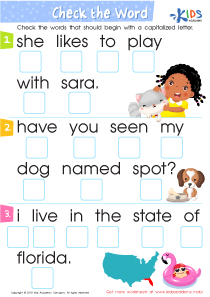
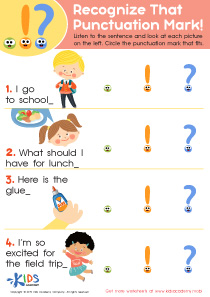
Discover our engaging Word Association Normal Writing Worksheets, designed specifically for children aged 4 to 6. These printable resources are perfect for developing essential literacy and critical thinking skills through interactive learning. Each worksheet encourages kids to connect words with images, fostering vocabulary expansion and comprehension in a fun way. Crafted to suit young learners, our activities are visually appealing and easy to understand. Word association not only boosts creativity but also lays the foundation for effective writing. Download these worksheets today and enhance your child's educational journey with enjoyable and enriching word association exercises they’ll love!
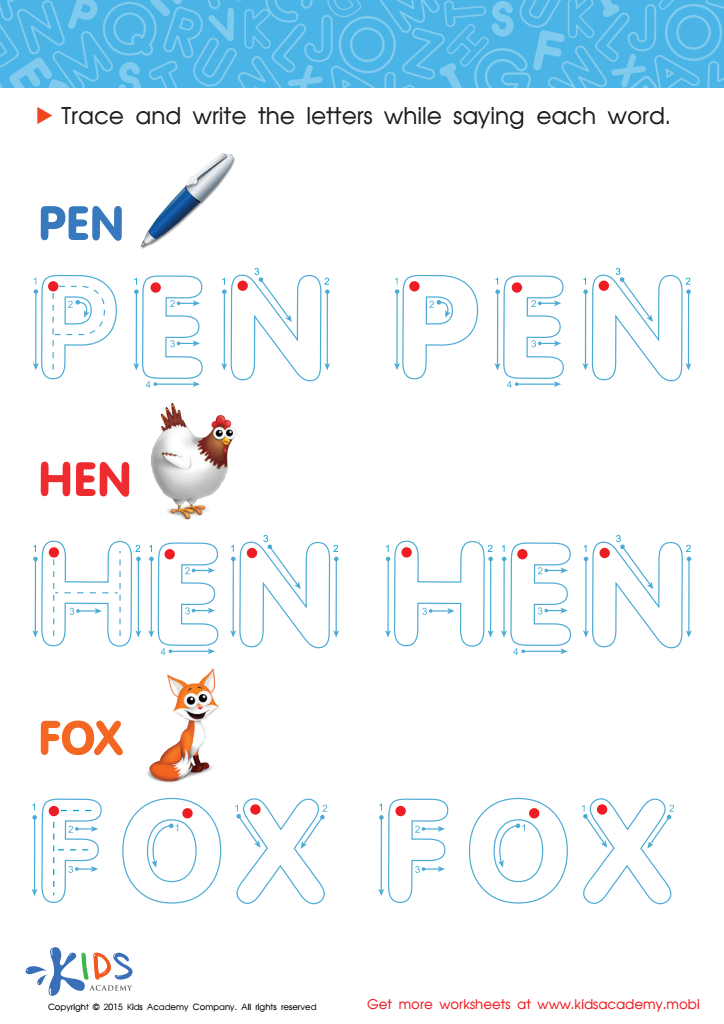
A Pen, a Hen and a Fox Spelling Worksheet
 Assign to My Students
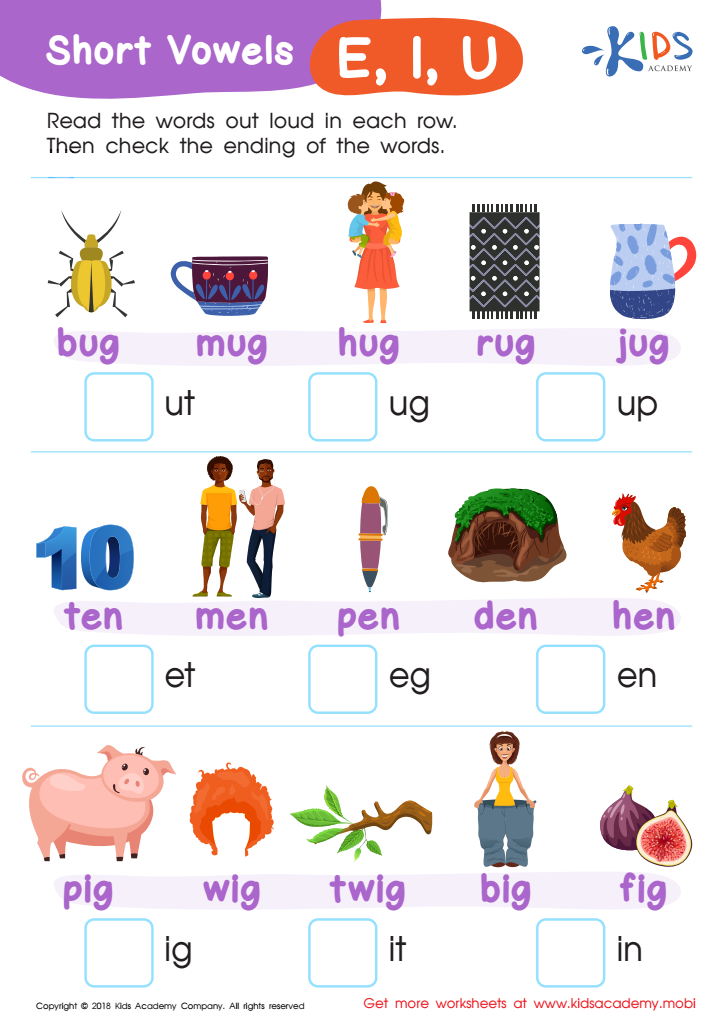
Short Vowels /e/, /i/, and /u/ Worksheet
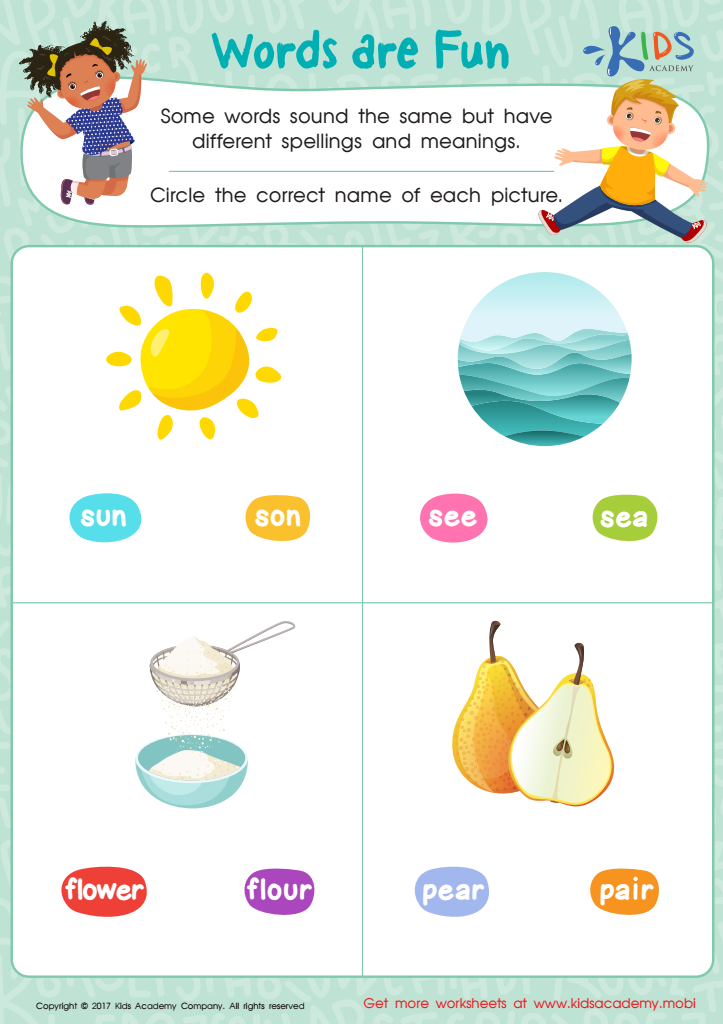
Words Are Fun Worksheet
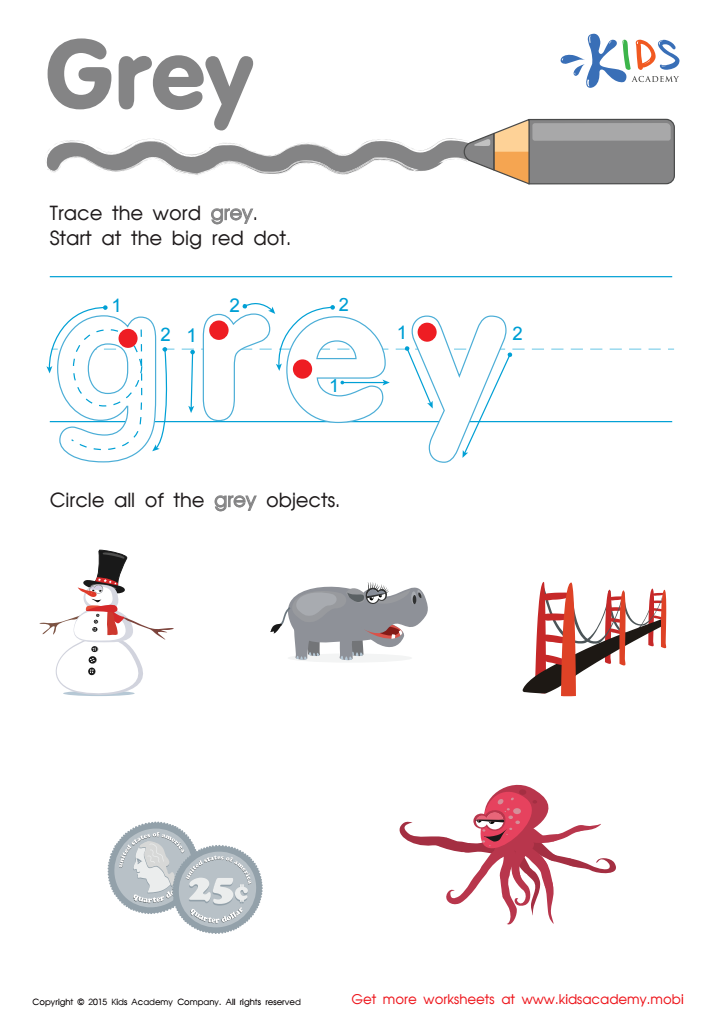
Grey Tracing Color Words Worksheet







Word association activities, particularly in the context of normal writing for ages 4-6, are crucial for developing early literacy skills. During this stage, children are forming connections between sounds, words, and meanings, which lays the foundation for their reading and writing abilities. Engaging in word association encourages vocabulary expansion, as children learn to link words with similar meanings, sounds, or contexts.
For parents and teachers, promoting these activities can significantly enhance a child’s cognitive development. It boosts creativity and critical thinking, as children begin to associate words in unique and personal ways. This process facilitates phonemic awareness, which is essential for decoding new words, ultimately leading to better reading skills. As children express themselves through writing, word associations allow them to unleash their imagination and communicate more effectively.
Furthermore, these activities can be fun and interactive, fostering a love for language and learning. This positive engagement with words can lead to increased motivation in writing tasks. Therefore, investing time in word association activities not only builds literacy skills but also nurtures a child's overall communication abilities, empathy towards various subjects, and a lifelong love for reading. Parents and teachers should prioritize these strategic activities in early education.