Sound recognition Normal Phonics Worksheets for Ages 4-7
11 filtered results
-
From - To
Explore our engaging Sound Recognition Normal Phonics Worksheets designed for children aged 4-7! These user-friendly resources help young learners identify and match sounds, laying a strong foundation for reading skills. Our worksheets feature colorful illustrations and interactive activities that make learning fun and effective. Each worksheet targets essential phonetic skills, encouraging children to connect sounds with letters through enjoyable exercises. Perfect for classroom use or at-home learning, these worksheets boost confidence and support early literacy development. Get your child ready for success in reading with our thoughtfully crafted sound recognition activities! Start enhancing their phonics knowledge today!
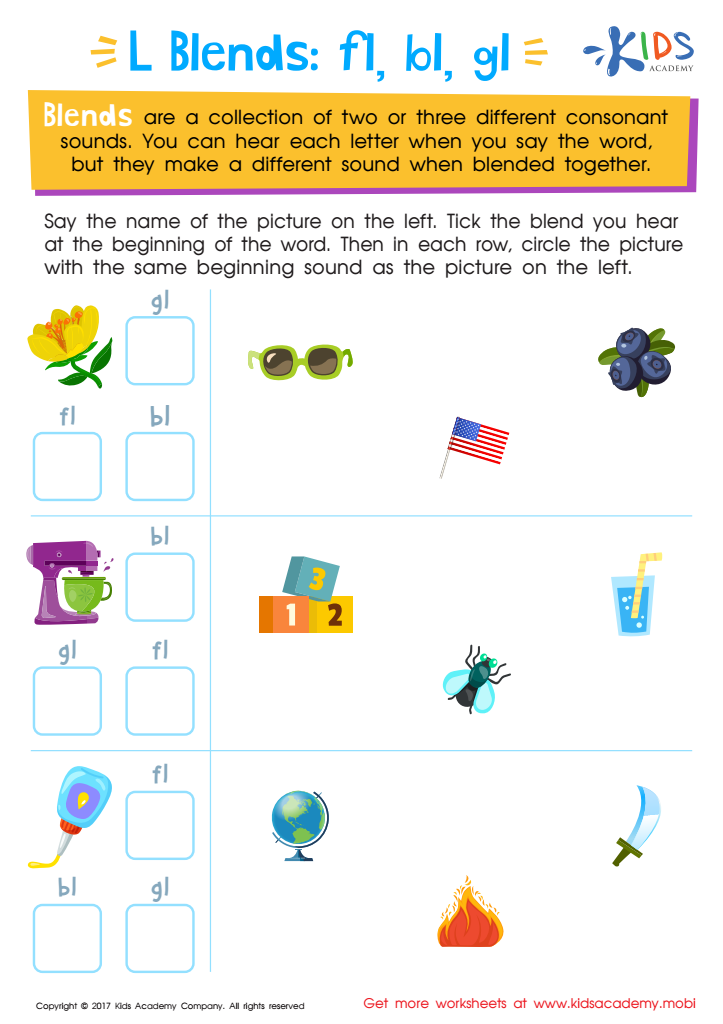
Blending Consonants: "Fl", "Bl" and "Gl" Printable
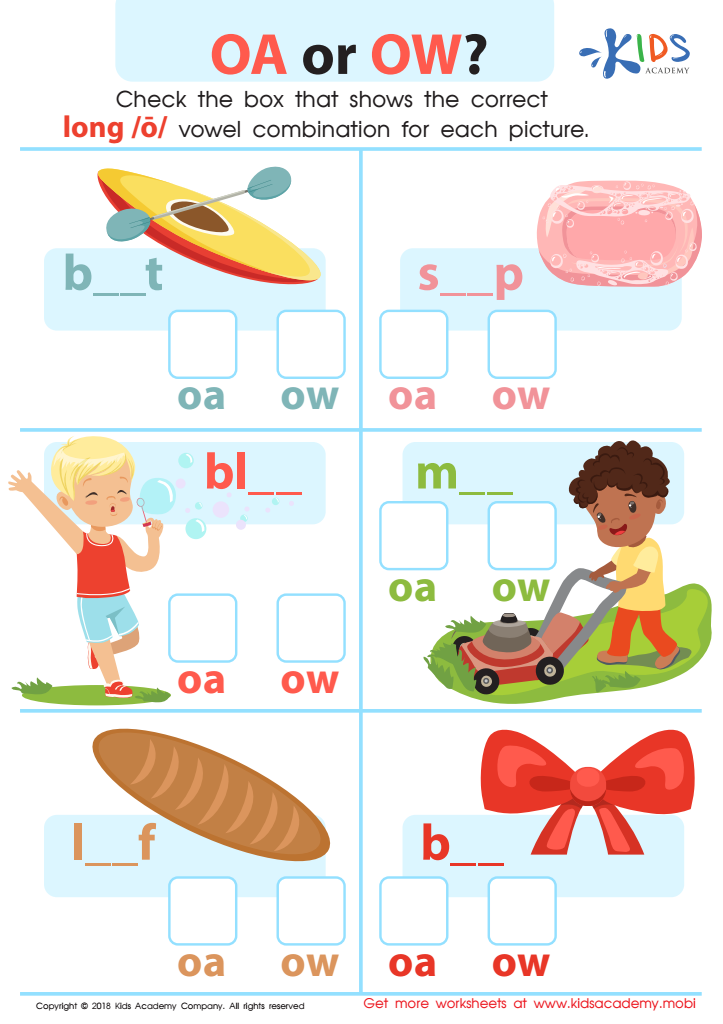
Reading: OA or OW Worksheet
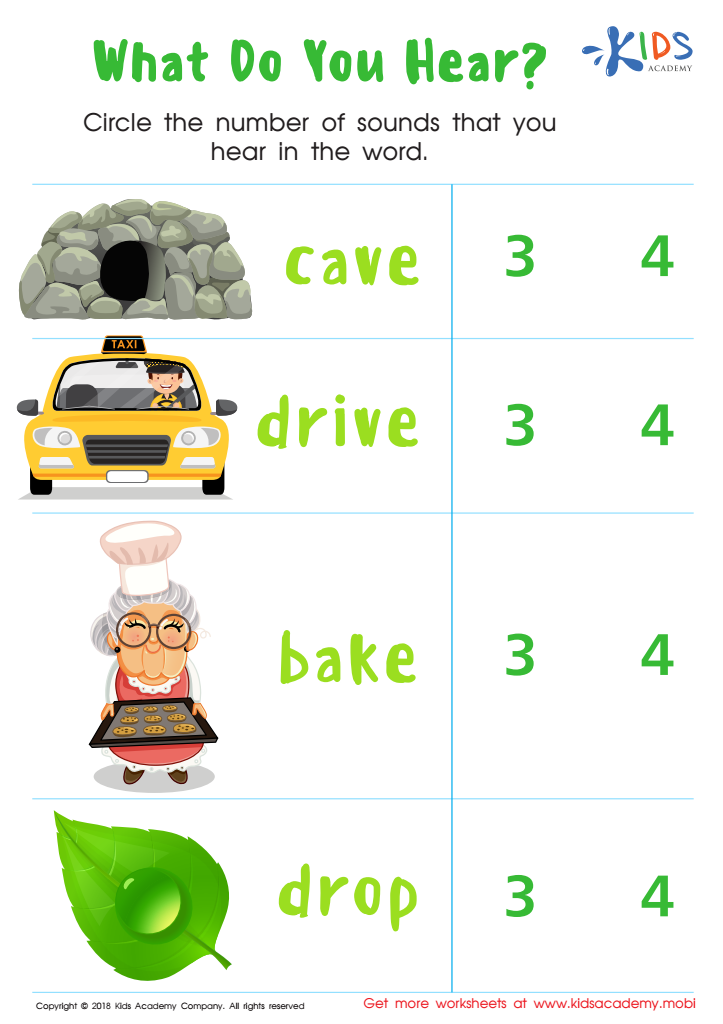
What Do You Hear? Worksheet
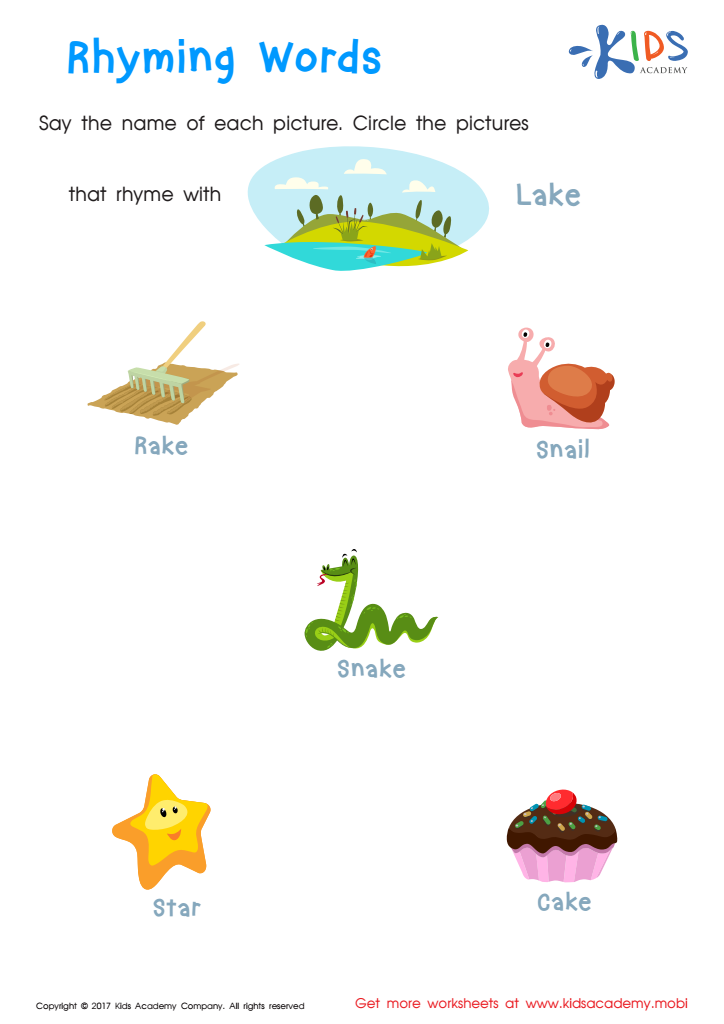
Rhyming Words Rhyming Worksheet
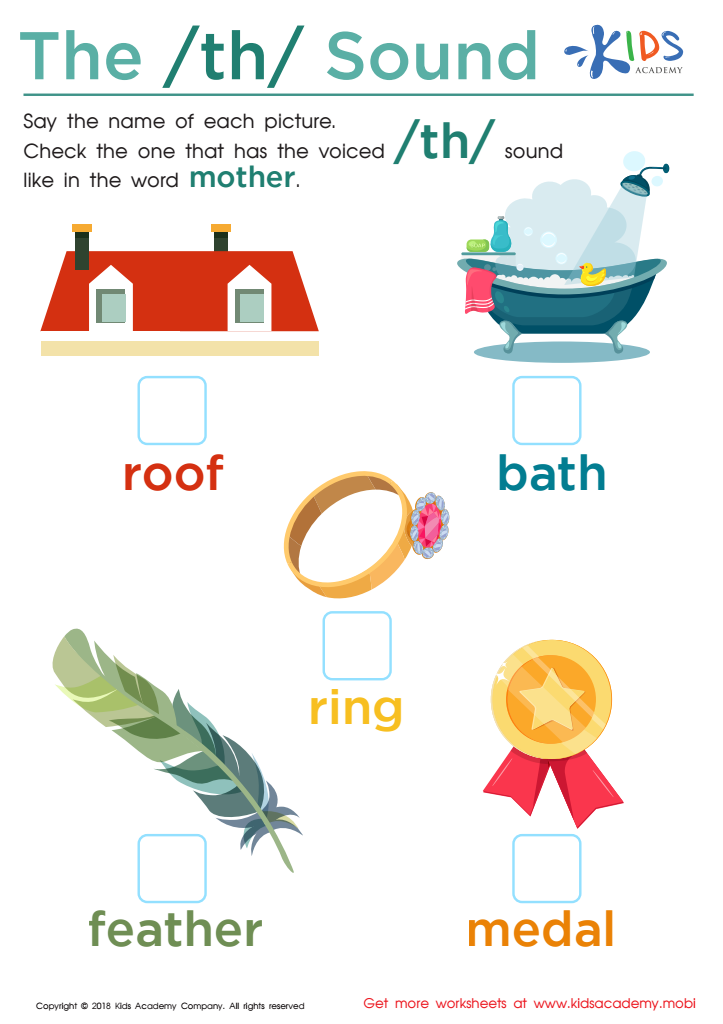
The /th/ Sound Worksheet

Long and Short U Worksheet
 Assign to My Students
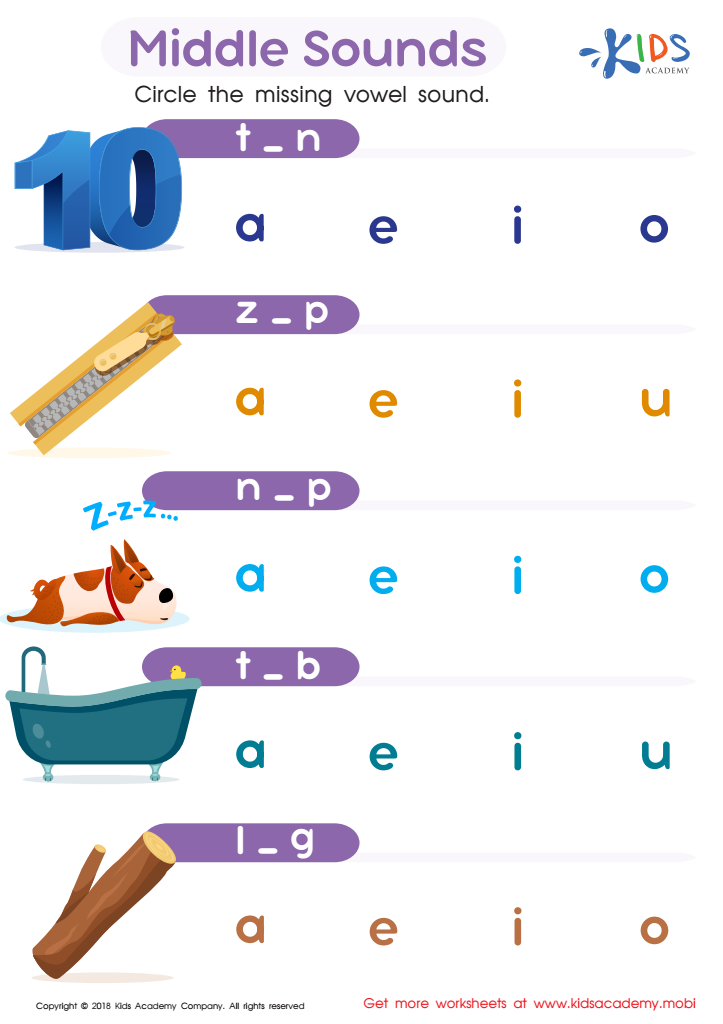
Middle Sounds Worksheet
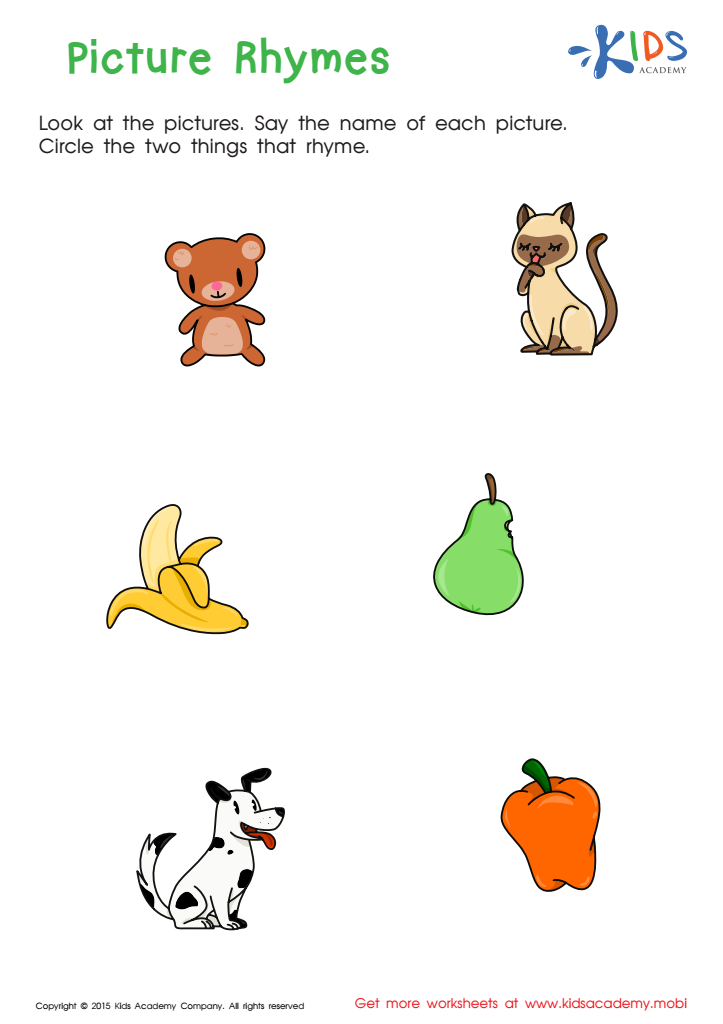
First Words: Picture Rhymes Worksheet
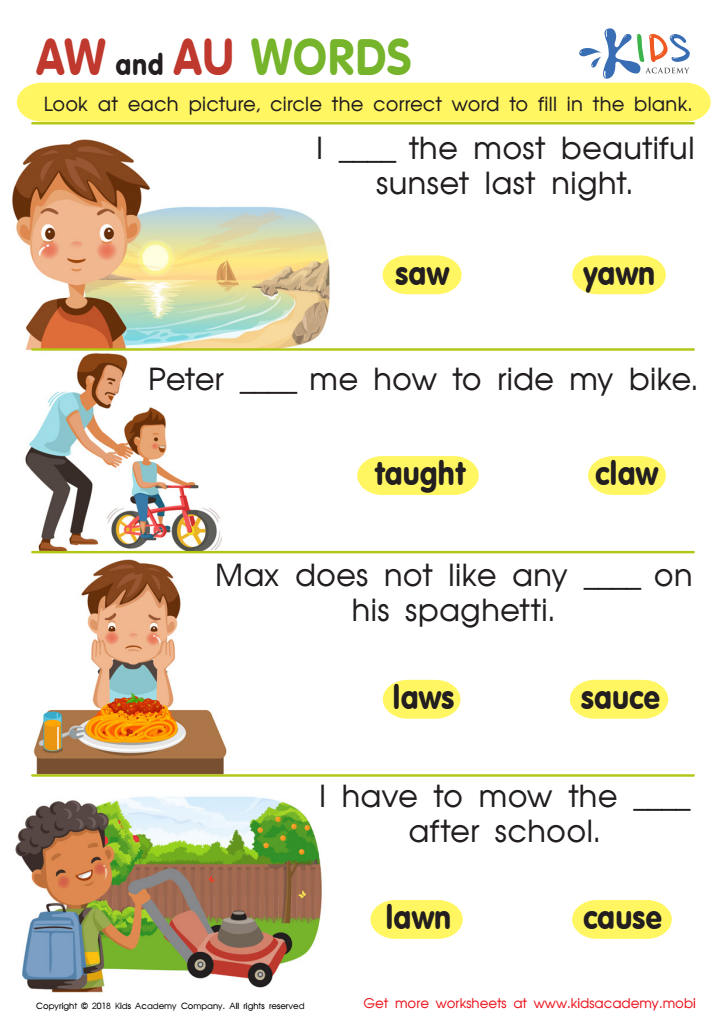
Reading: AW and AU Words Worksheet
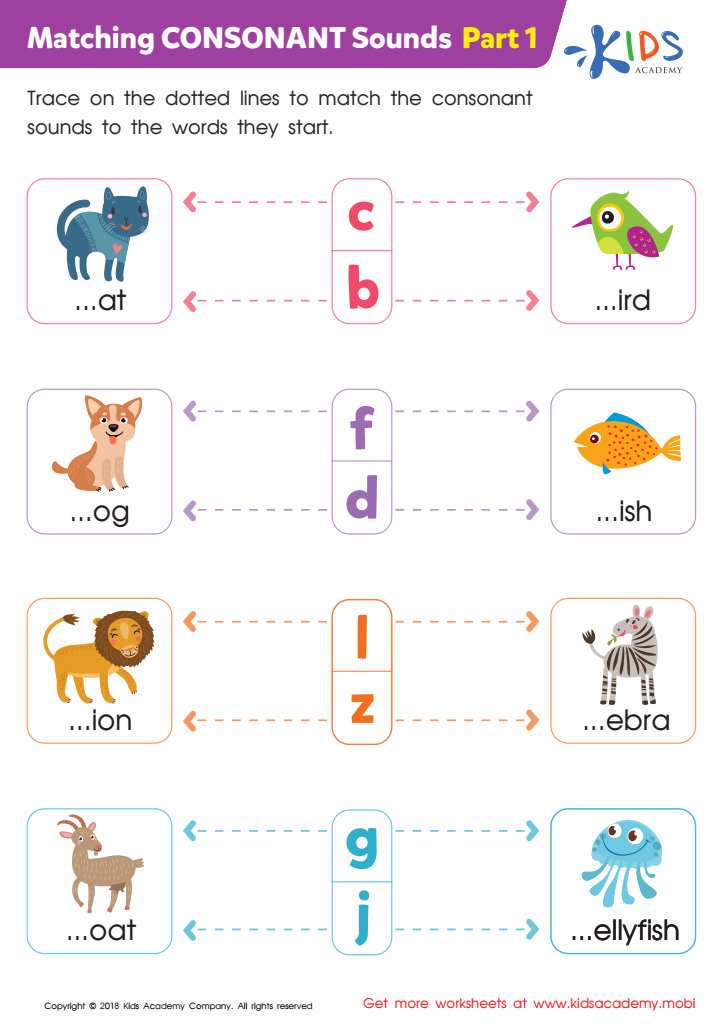
Matching Consonant Sounds: Part 1 Worksheet
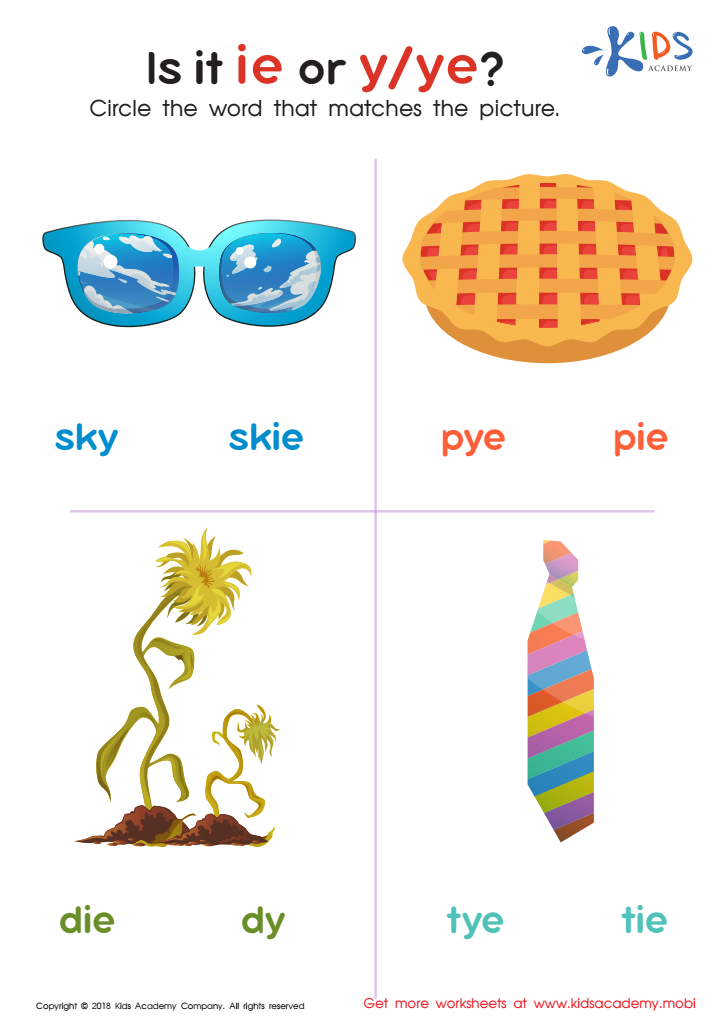
Is It IE or Y/Ye? Worksheet








Sound recognition and phonics are crucial components of early literacy development for children aged 4 to 7. During this formative stage, children are learning to connect sounds with letters, which lays the foundation for reading and writing skills. Sound recognition involves the ability to identify, differentiate, and manipulate sounds in words, which is essential for decoding and spelling. When children grasp these concepts early on, they gain confidence in their literacy abilities and a lifelong love for reading.
Parents and teachers should care about normal phonics instruction because it supports cognitive development, enhances vocabulary, and encourages language skills. Effective phonics programs teach children to blend sounds, segment words, and understand the relationship between letters and their sounds, which can significantly improve reading fluency and comprehension. Moreover, early phonics education can help identify and address reading difficulties, preventing long-term struggles.
Implementing sound recognition and phonics creates an engaging learning environment where children feel motivated to explore language. As children master these skills, they build a strong foundation for future academic success. By prioritizing phonics, parents and teachers empower children to communicate effectively, cultivating critical thinking and creativity essential for lifelong learning.







