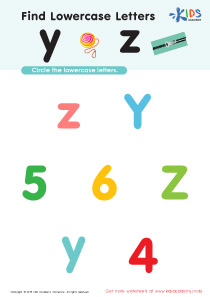
Handwriting practice Normal Uppercase Letters Worksheets for Ages 4-7
6 filtered results
-
From - To
Discover the perfect resource for teaching young children how to write uppercase letters with our "Handwriting Practice Normal Uppercase Letters Worksheets" designed for ages 4-7. These engaging and educational worksheets provide a fun and effective way for children to master uppercase letter formation. Each printable sheet includes guided practice and space for independent writing, helping children develop essential writing skills, proper letter shapes, and fine motor skills. Ideal for teachers and parents, these worksheets support early literacy and ensure your child confidently learns each uppercase letter. Explore a variety of vibrant and interactive activities to make learning enjoyable and impactful!
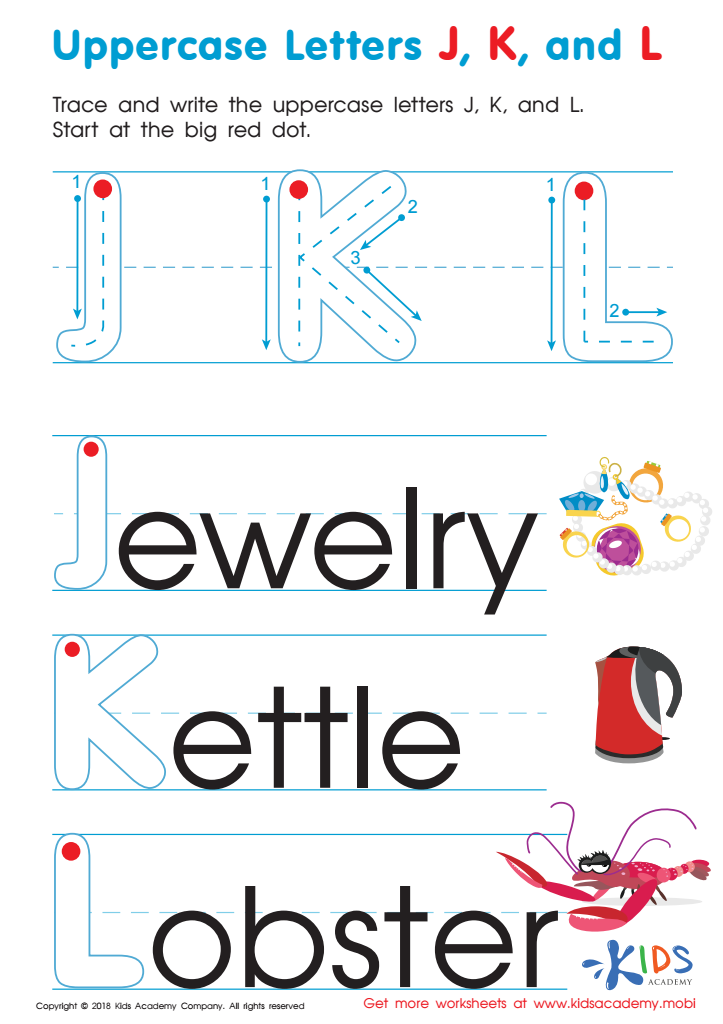
Uppercase Letters J, K, and L Worksheet
 Assign to My Students
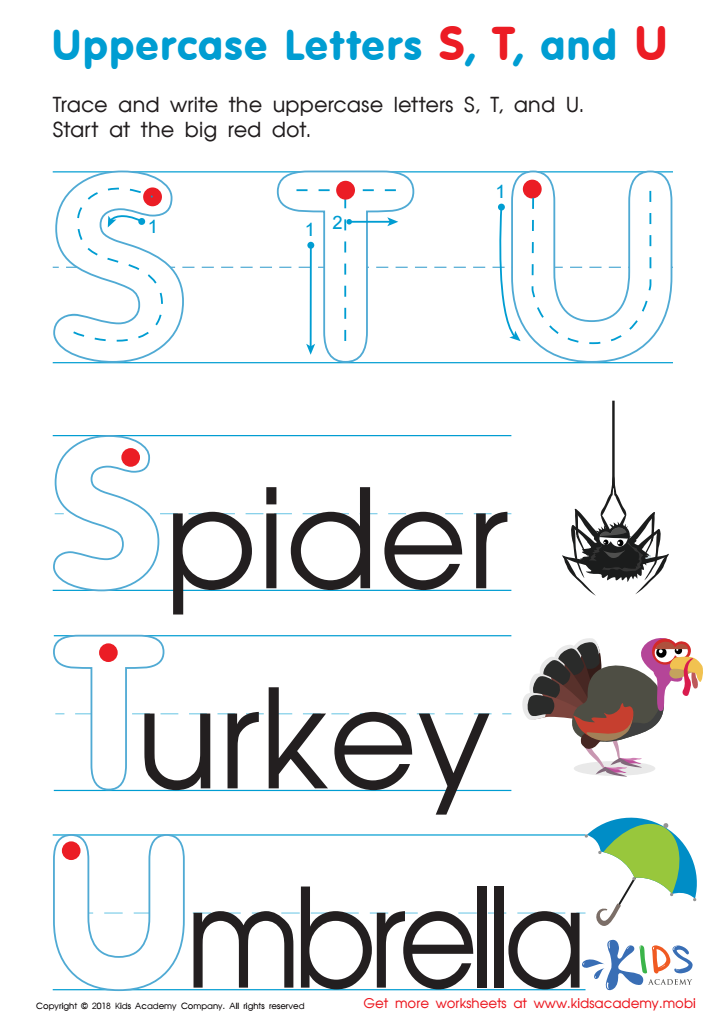
Uppercase Letters S, T, and U Worksheet
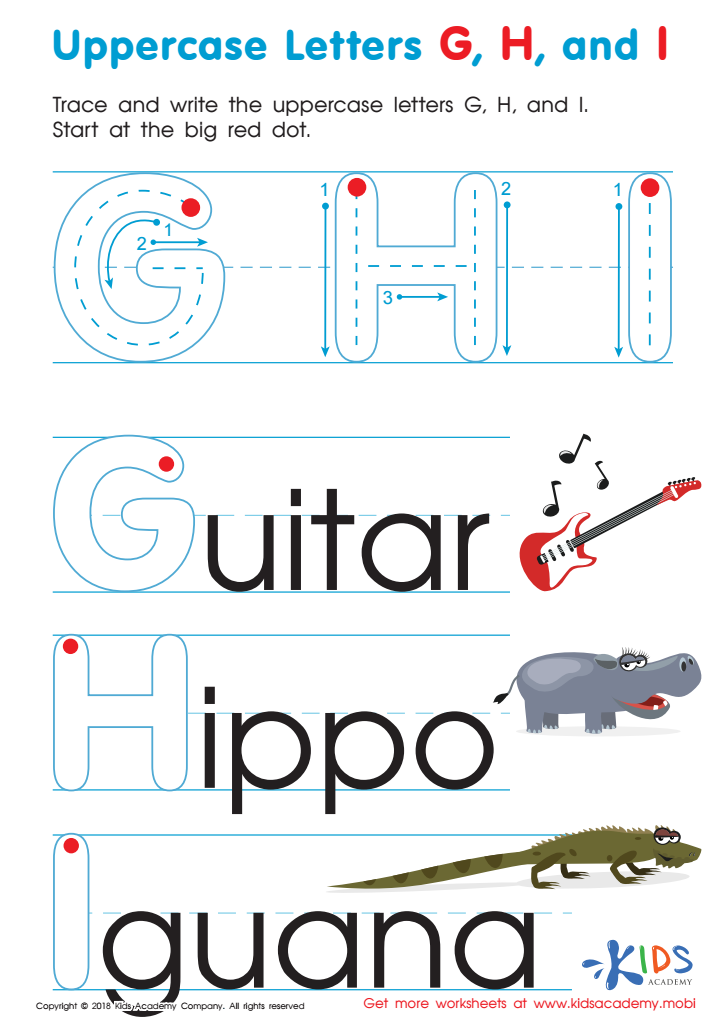
Uppercase Letters G, H, and I Worksheet
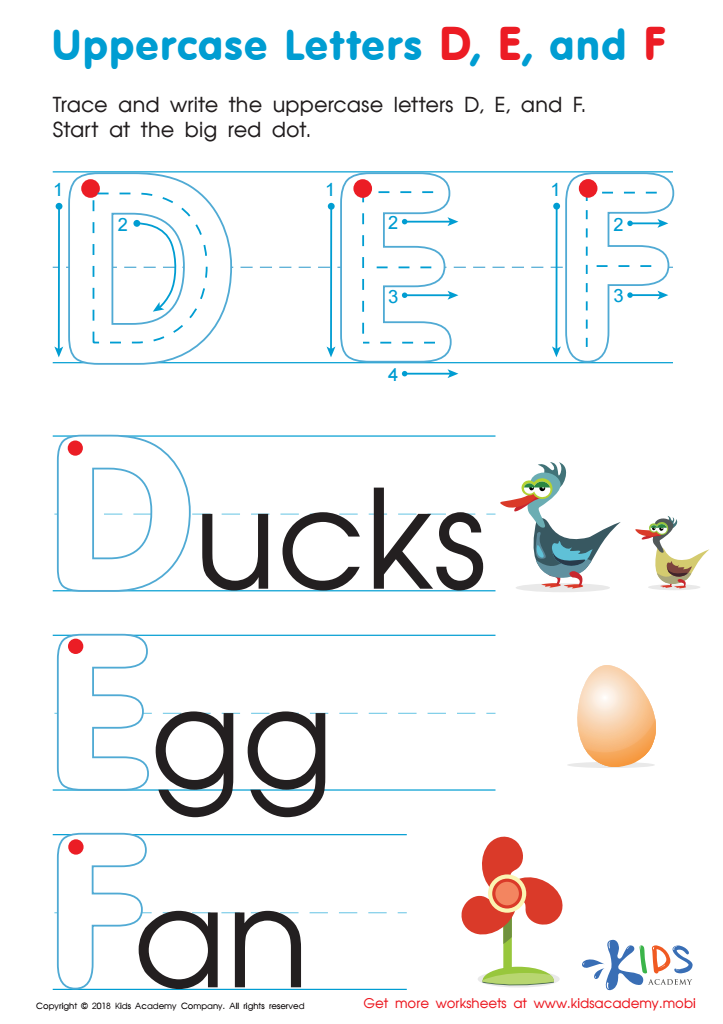
Uppercase Letters D, E, and F Worksheet
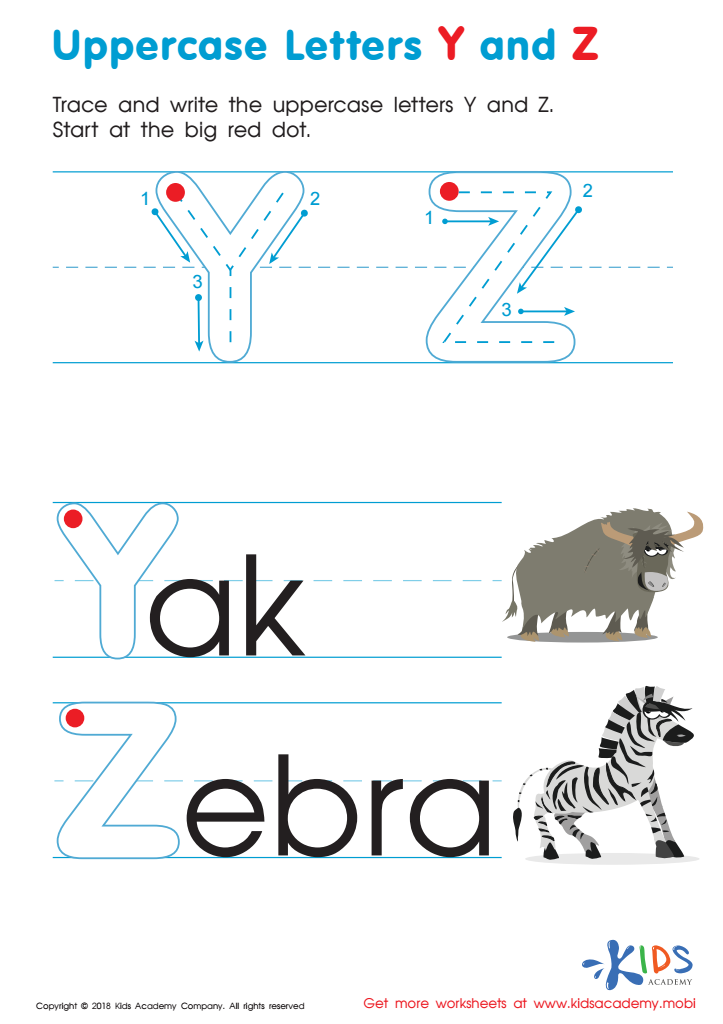
Uppercase Letters Y Z Worksheet

Uppercase Letters V, W, and X Worksheet








Handwriting practice, particularly of normal uppercase letters, holds significant value for children ages 4-7 due to its multifaceted impacts on their overall development. At this early stage, children are developing foundational skills that are crucial for their academic and personal growth. Here’s why parents and teachers should prioritize this practice:
-
Cognitive Development: Writing uppercase letters helps children understand letter recognition and the alphabet sequence, forming the basis for reading and spelling proficiency. Recognizing and replicating these symbols enhances memory, attention, and observational skills.
-
Fine Motor Skills: Handwriting aids in refining fine motor control and dexterity, critical for daily tasks such as buttoning clothes or tying shoelaces. Forming letters engages the small muscles in the hands and fingers, contributing to stronger and more coordinated hand movements.
-
Literacy Foundation: Mastering uppercase letters establishes a strong literacy foundation. It opens pathways to language skills, enabling children to decode words and foster communication abilities. Clear handwriting directly supports better reading and comprehension.
-
Confidence and Independence: Proficiency in handwriting instills a sense of achievement. Successfully writing out letters boosts self-esteem and promotes independence, encouraging children to take on new learning challenges with confidence.
Investing in handwriting practice during the formative years sets children up for long-term educational success and equips them with essential life skills.