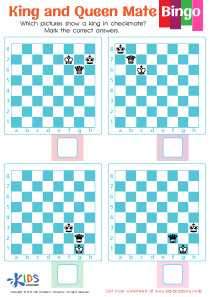
Chess strategy understanding Normal Chess Worksheets for Ages 4-7
3 filtered results
-
From - To
Unlock the captivating world of chess for young minds with our "Chess Strategy Understanding Normal Chess Worksheets" designed for ages 4-7. These engaging worksheets introduce foundational concepts in chess strategy, making learning fun and interactive. Carefully crafted to foster critical thinking and problem-solving skills, our resources include colorful graphics and easy-to-follow instructions. Children will explore strategic moves, understand the value of each piece, and develop a competitive edge while playing. Perfect for parents and educators alike, these worksheets create an enriching environment for budding chess enthusiasts to cultivate their skills and enjoy the timeless game of chess. Dive into strategic fun today!
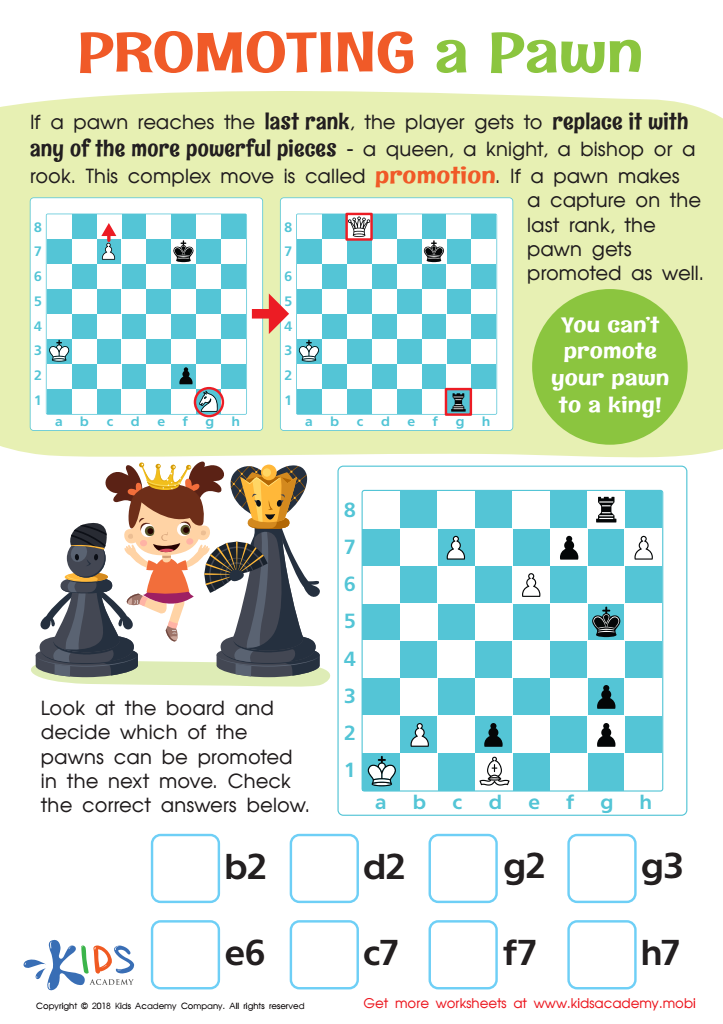
Promoting a Pawn Worksheet
 Assign to My Students
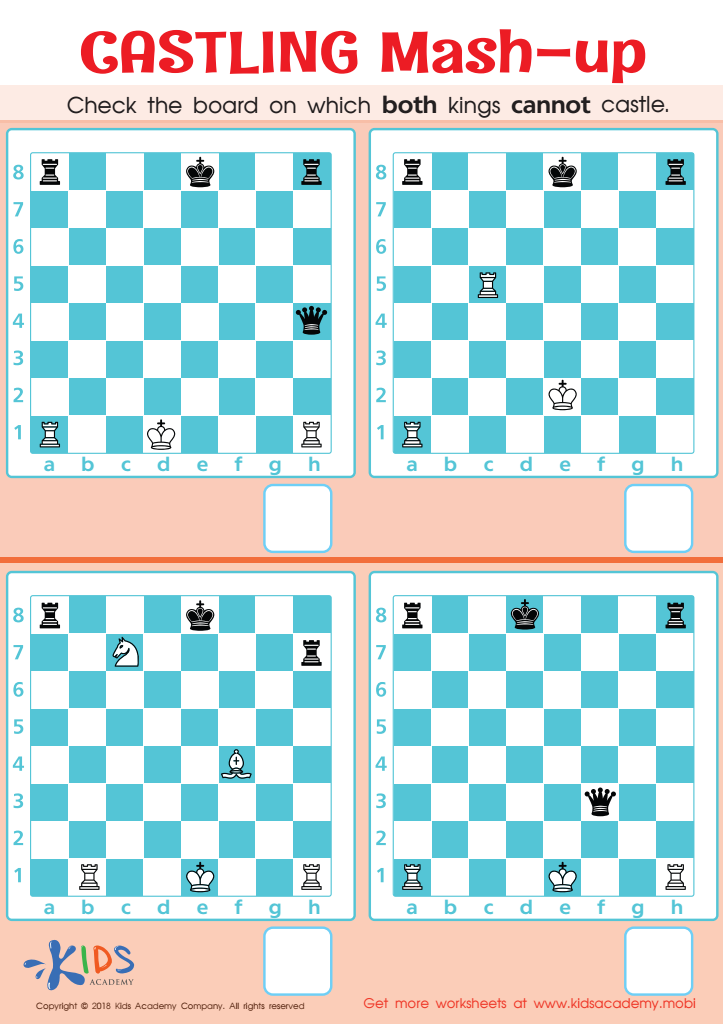
Castling Mash–up Worksheet
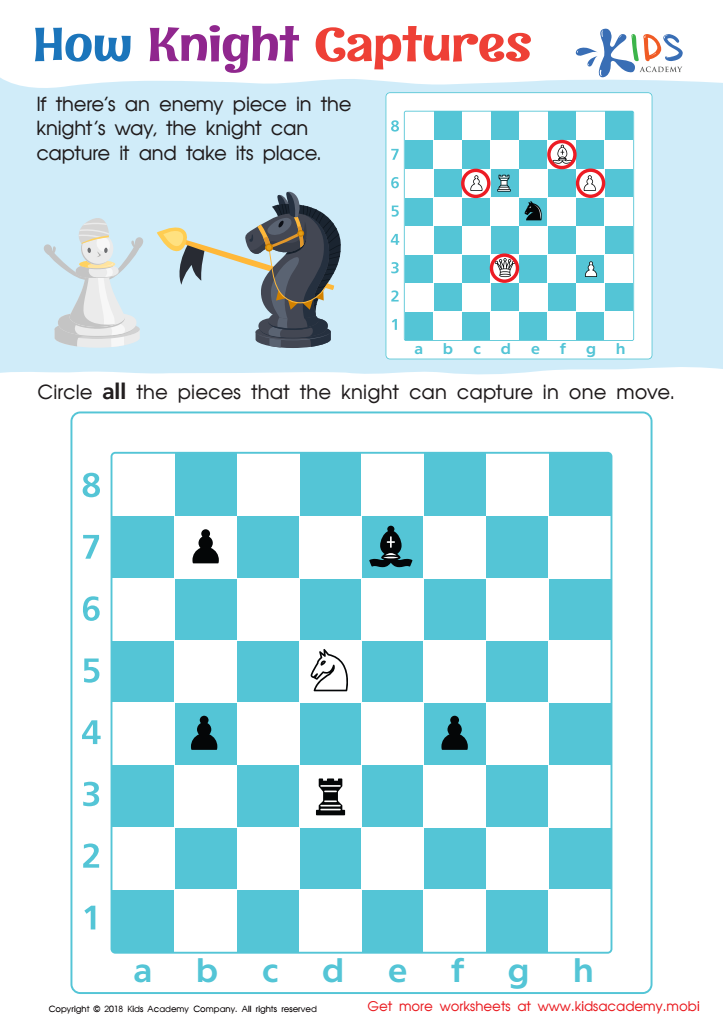
How Knight Captures Worksheet






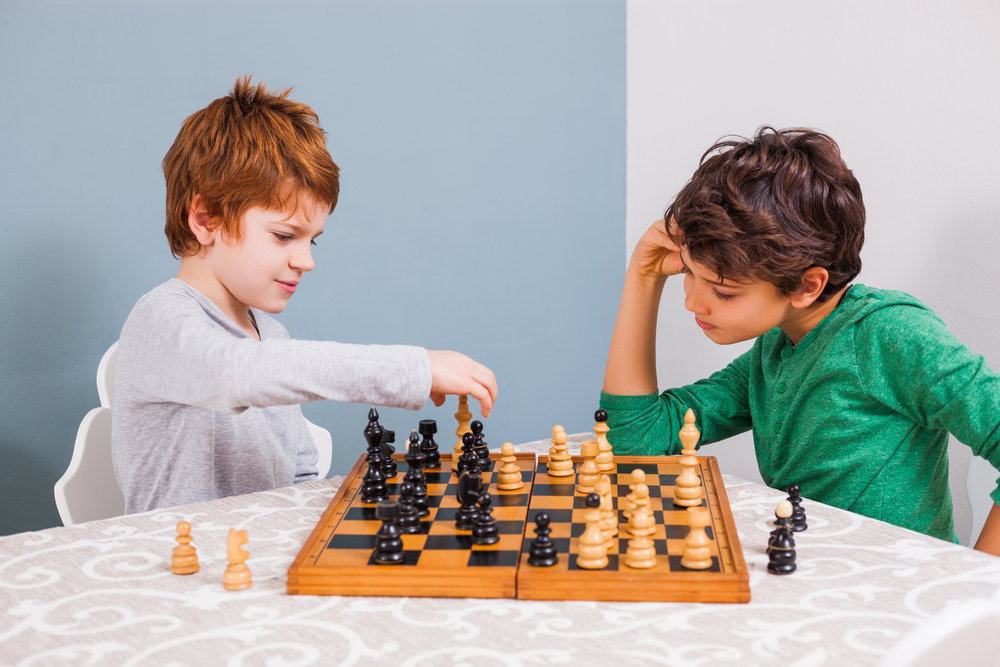
Understanding chess strategy, even at a young age, offers numerous benefits for children ages 4-7. Firstly, chess enhances critical thinking and problem-solving skills. By learning strategies, children develop the ability to analyze situations, foresee consequences, and make informed decisions—skills that transcend the game and apply to real-life scenarios.
Moreover, chess fosters emotional resilience and patience. Young players learn the importance of planning ahead, tackling challenges, and gracefully accepting defeat. This helps strengthen their coping mechanisms and promotes a growth mindset.
Engagement in chess also cultivates creativity and imagination. Kids often brainstorm novel ways to maneuver pieces and create unexpected tactics, which nurtures innovative thinking. Additionally, chess encourages social skills; playing together promotes collaboration and healthy competition among peers, building camaraderie as they share strategies and learn from one another.
Finally, introducing strategic games like chess prepares children for future academic challenges. It enhances their mathematical skills through pattern recognition and logic, promoting cognitive development. In summary, both parents and teachers should recognize the profound impact that understanding chess strategies can have on young children, equipping them with essential skills for lifelong success.