Alphabet tracing Normal Worksheets for Ages 4-7
5 filtered results
-
From - To
Introduce your young learners to the world of letters with our Alphabet Tracing Normal Worksheets, designed specifically for ages 4-7. These engaging, printable worksheets from Kids Academy help children master letter recognition, formation, and writing skills. With clear, guided tracing lines and fun illustrations, each activity captivates young minds, making learning the ABCs an enjoyable adventure. Perfectly suited for both classroom and at-home practice, our worksheets offer a foundation for effective handwriting. Encourage your child’s education journey today with these fun and interactive alphabet tracing sheets tailored to enhance early learning skills!
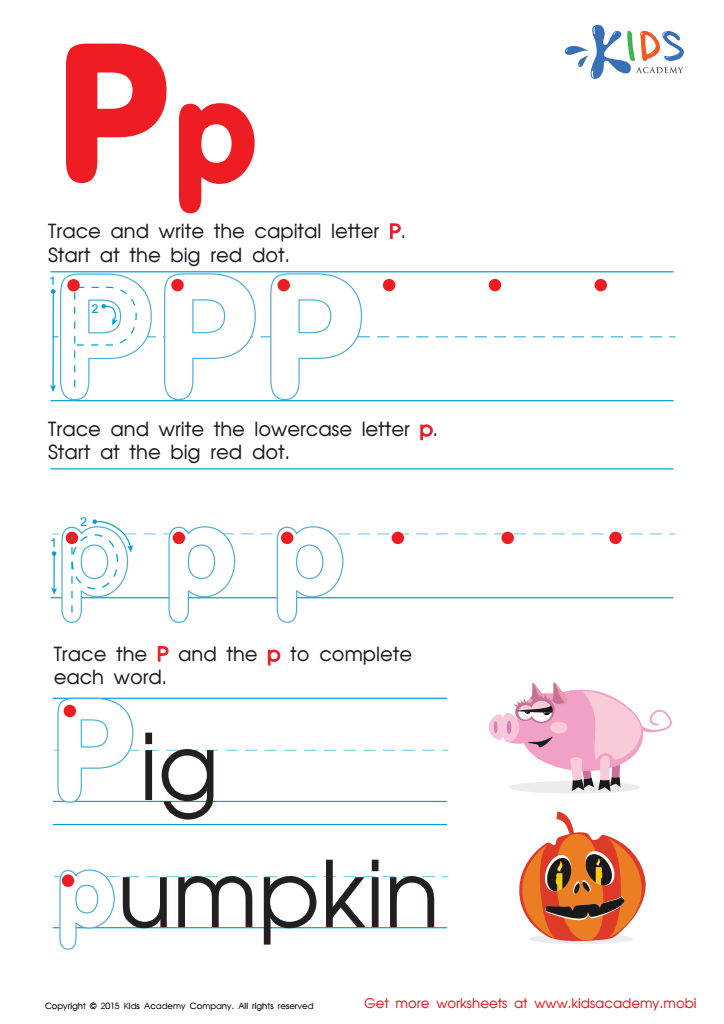
Letter P Tracing Page
 Assign to My Students
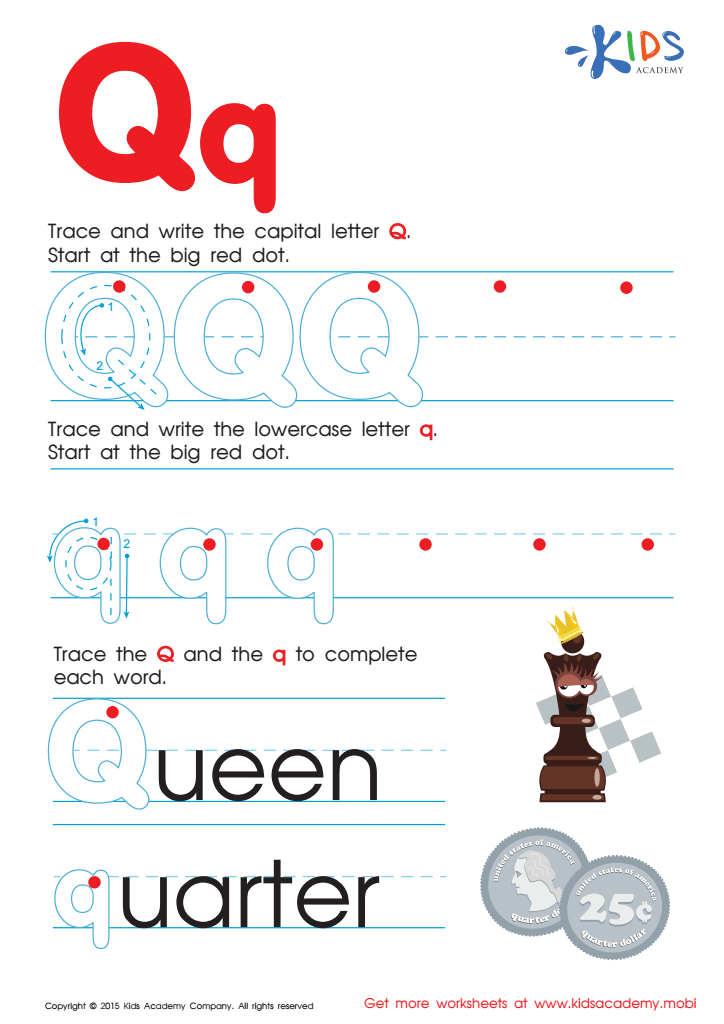
Letter Q Tracing Page
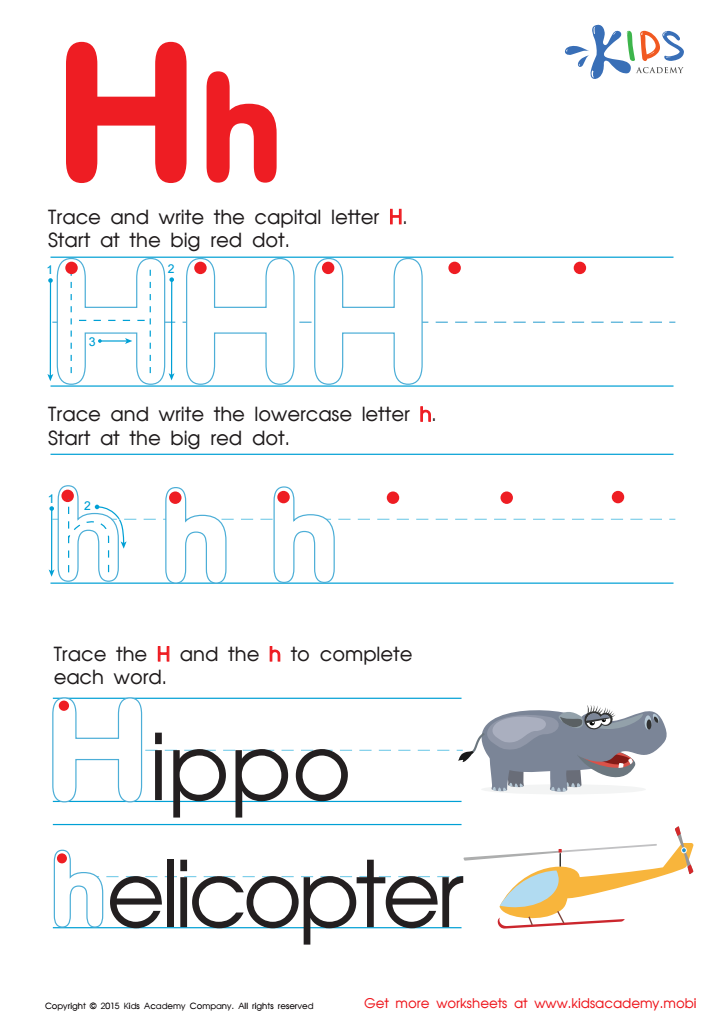
Letter H Tracing Page
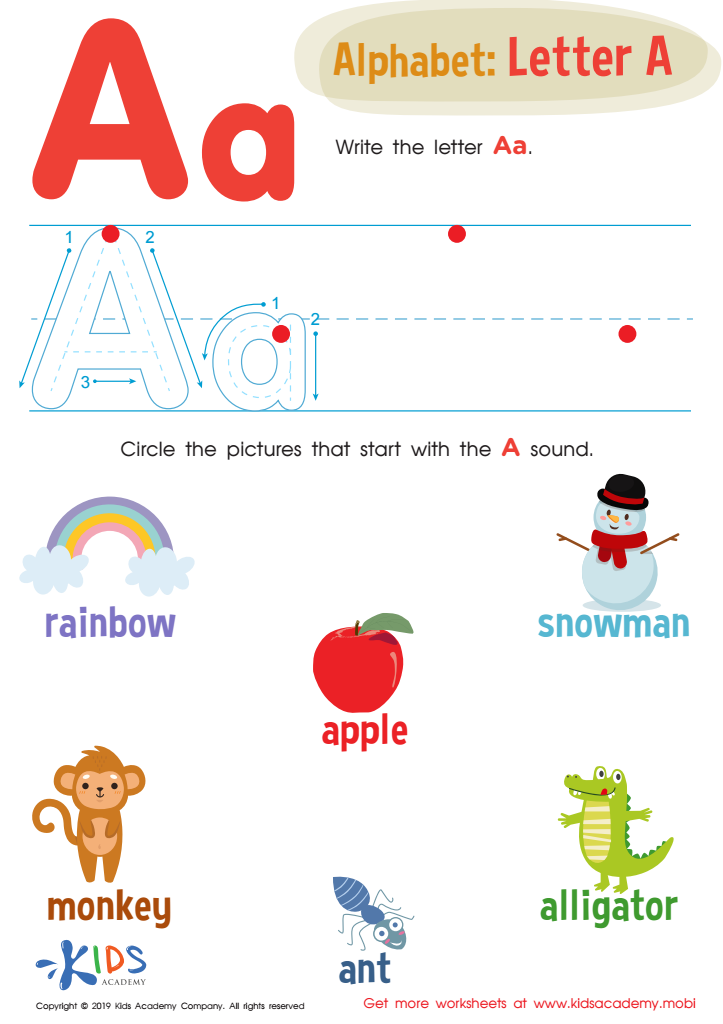
Letter A Tracing Worksheet

Letter D Tracing Page



.jpg)



Alphabet tracing is an essential activity for children aged 4-7, acting as a foundational step in their literacy development. One main reason parents and teachers should prioritize this activity is that it promotes fine motor skills. As young learners grip pencils and trace letters, they refine their hand-eye coordination and dexterity, necessary skills for writing.
Beyond motor skills, alphabet tracing aids in letter recognition. Regular tracing helps children visually and kinesthetically familiarize themselves with letter shapes, which is crucial for reading and writing fluency. When children consistently practice tracing, they can easier differentiate between similar-looking letters, such as 'b' and 'd,' thus reducing confusion and fostering better reading skills.
Moreover, tracing serves as a confidence booster. Success in these small tasks leads to a sense of accomplishment, encouraging a positive attitude toward learning and greater willingness to tackle more complex literacy skills.
Third, alphabet tracing lays the groundwork for proper handwriting techniques. Establishing correct stroke order and direction early, can prevent the development of improper habits that are hard to correct later.
By integrating alphabet tracing into daily activities, parents and teachers can provide a multifaceted approach that not only supports early literacy but also contributes to overall educational success and a lifelong love for learning.








