Color recognition Normal Worksheets for Ages 4-7 - Page 2
33 filtered results
-
From - To
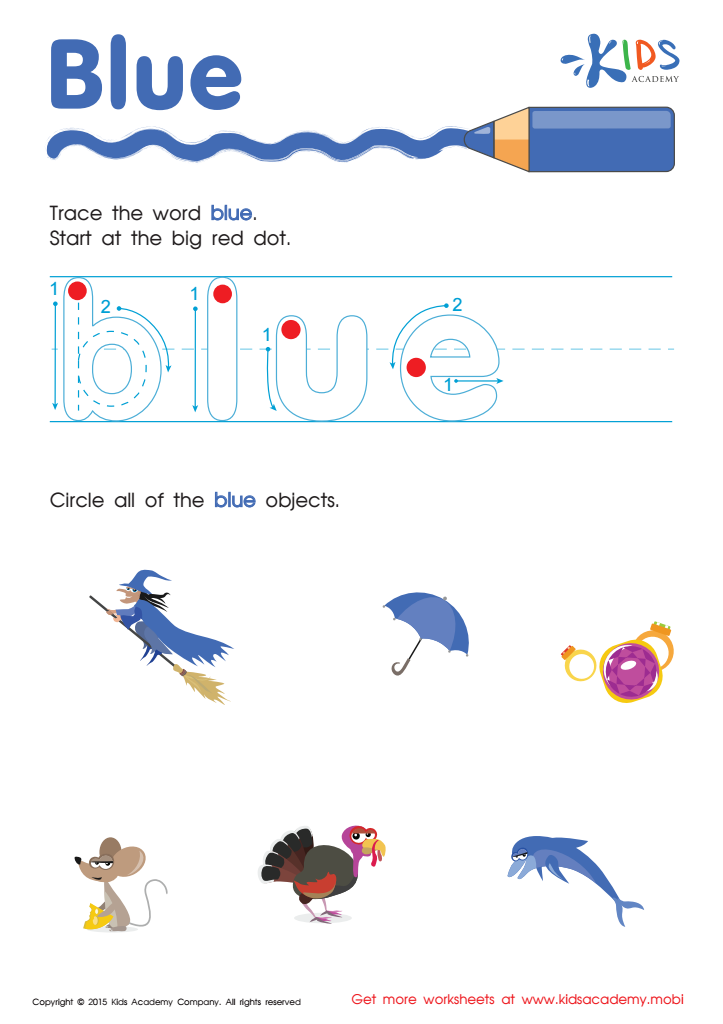
Blue Tracing Color Words Printable
Turkey Thanksgiving Day Worksheet
 Assign to My Students
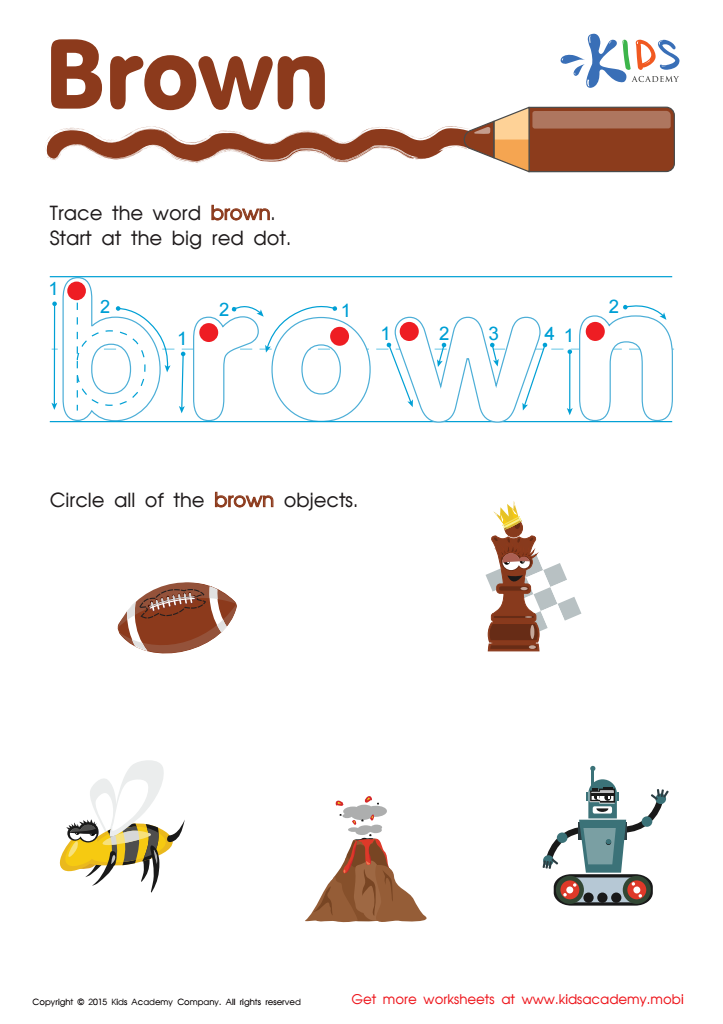
Brown Tracing Color Words Worksheet
Tower Coloring Page
Assign to My Students
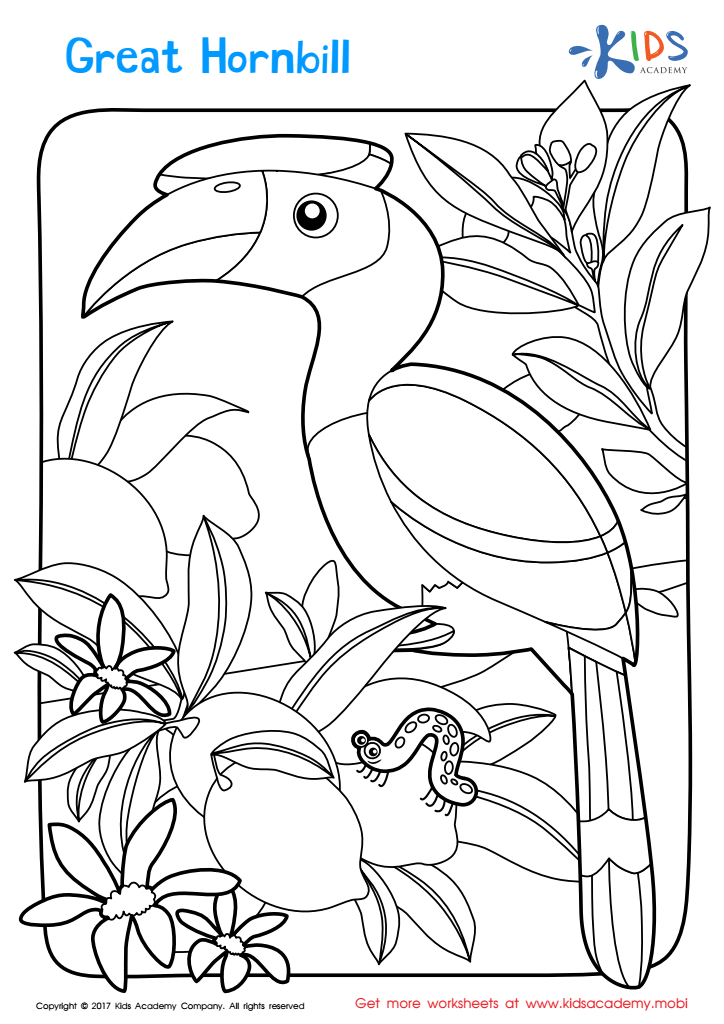
Great Hornbill Worksheet
Assign to My Students
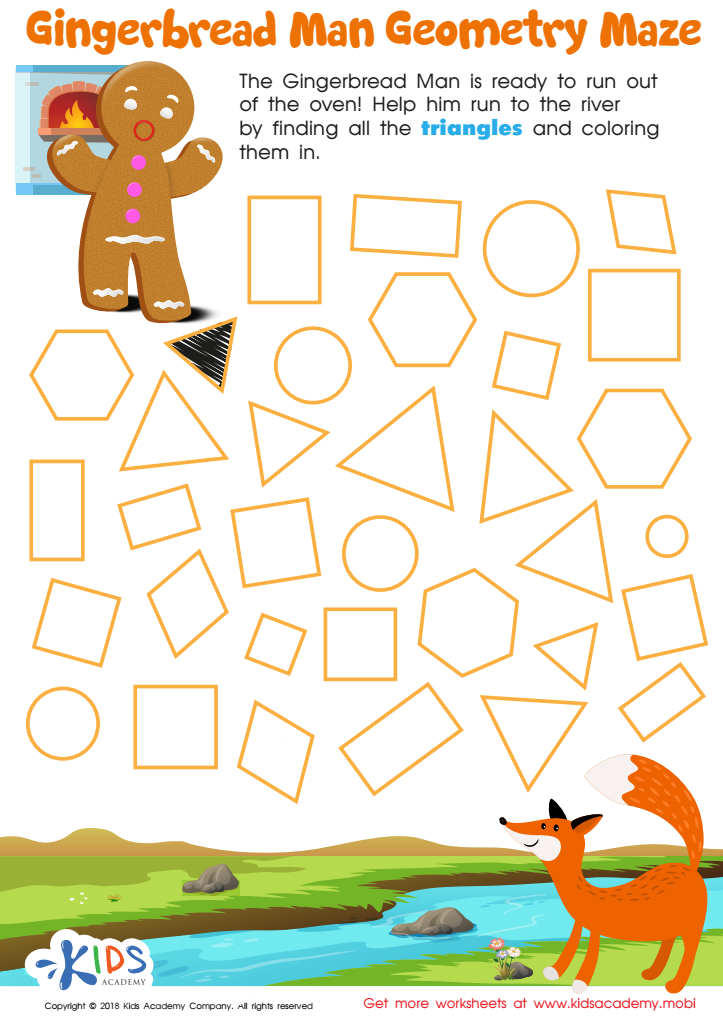
Gingerbread Man Geometry Maze Worksheet
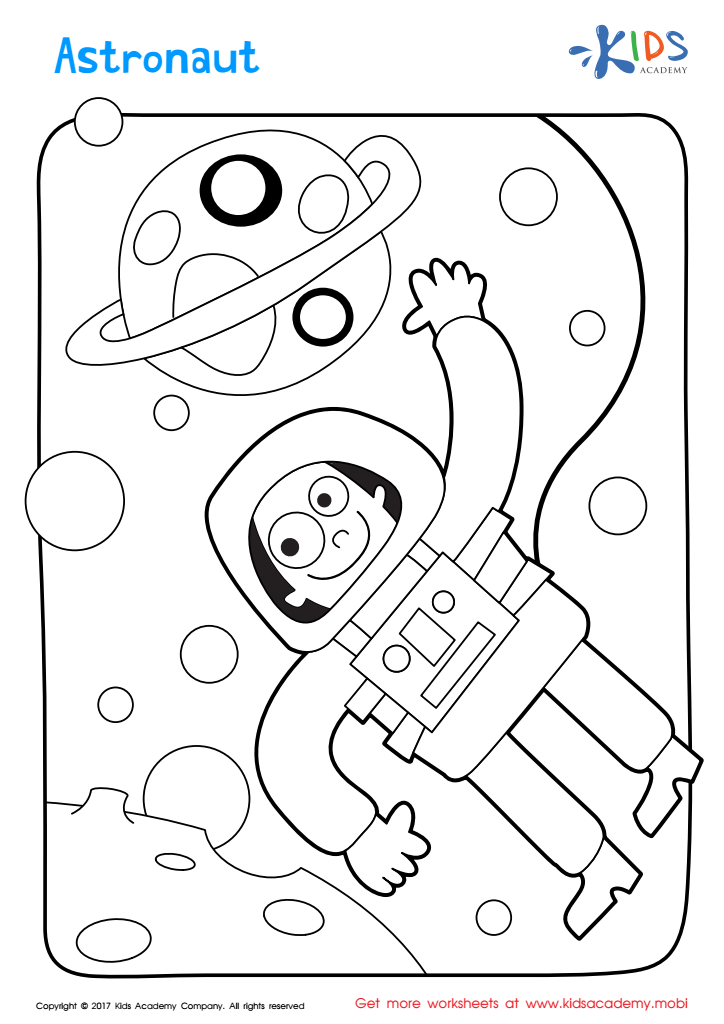
Astronaut Coloring Page
Assign to My Students
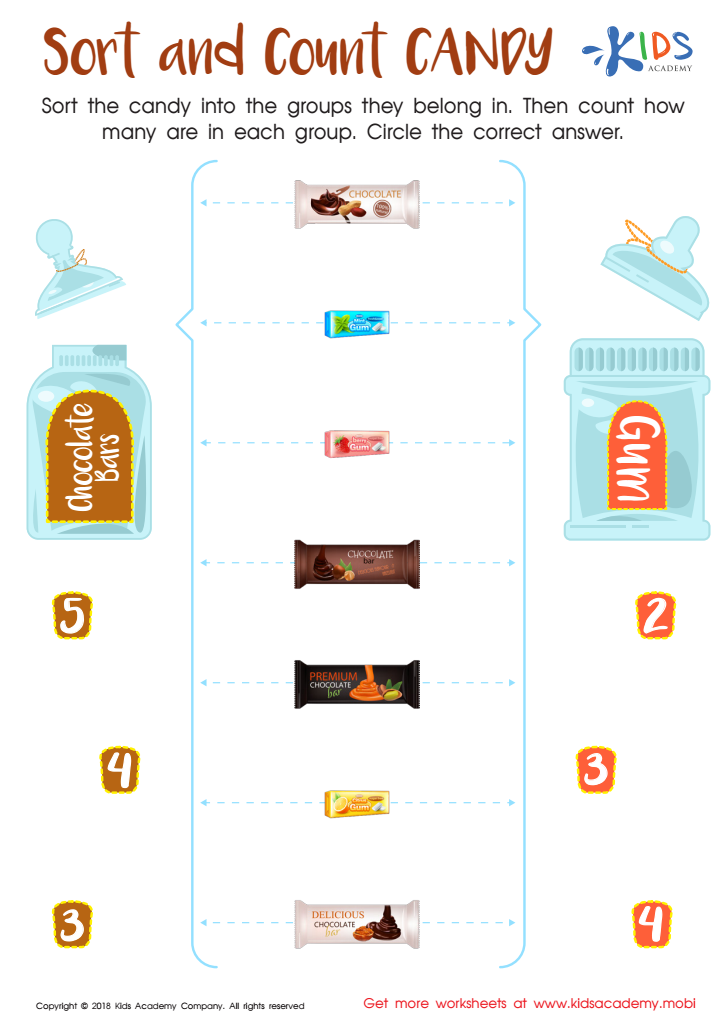
Sort and Count Candy Worksheet
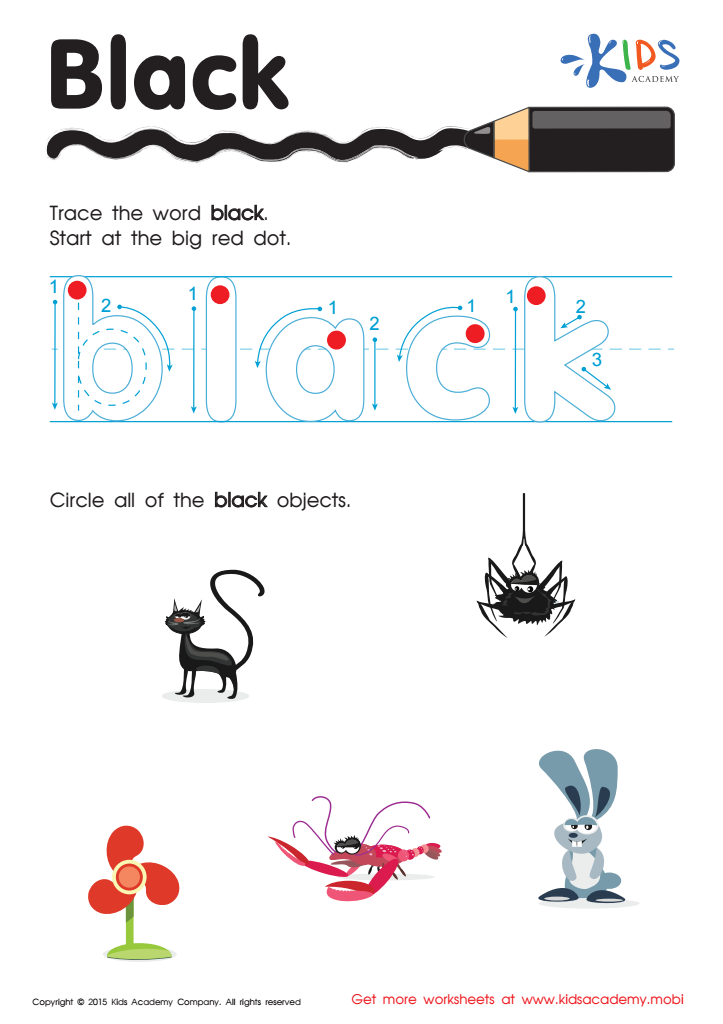
Black Tracing Color Words Printable








Color recognition is a fundamental skill for children aged 4-7, playing a crucial role in their cognitive and social development. During these formative years, kids are not only learning to identify different colors but also beginning to understand their meanings and associations. This knowledge enhances their vocabulary and stimulates creative expression, as colors are often linked to emotions, nature, and cultural artifacts.
Parents and teachers should care about color recognition because it lays the groundwork for more complex cognitive tasks. Recognizing colors helps children categorize objects, develop memory skills, and enhances their ability for problem-solving. These skills converge in activities like sorting, matching, and predicting outcomes based on colors, which are foundational in subjects like mathematics and science.
Moreover, understanding color aids in fostering inclusivity and cultural awareness, as different cultures may attribute distinct significances to colors. Engaging children in color-related activities—such as art projects, games, and nature walks—promotes not only recognition but also coordination and focus. Ultimately, supporting color recognition in young learners cultivates not just academic readiness but also nurtures creativity, self-expression, and social skills, which are essential for their overall growth and success in school and life.








