Comparative analysis Normal Worksheets for Ages 4-7
4 filtered results
-
From - To
Welcome to our Comparative Analysis Normal Worksheets for Ages 4-7! These engaging and educational worksheets are designed to help young learners develop essential comparison skills. Tailored for children in preschool through early elementary, our resources promote critical thinking through fun activities that include contrasting different objects, identifying similarities and differences, and enhancing vocabulary. With vibrant illustrations and simple instructions, kids will enjoy exploring concepts of size, shape, and quantity. These worksheets support early literacy and cognitive development, making them a perfect addition to your teaching materials. Start enhancing your child’s learning experience today with our expertly crafted worksheets!
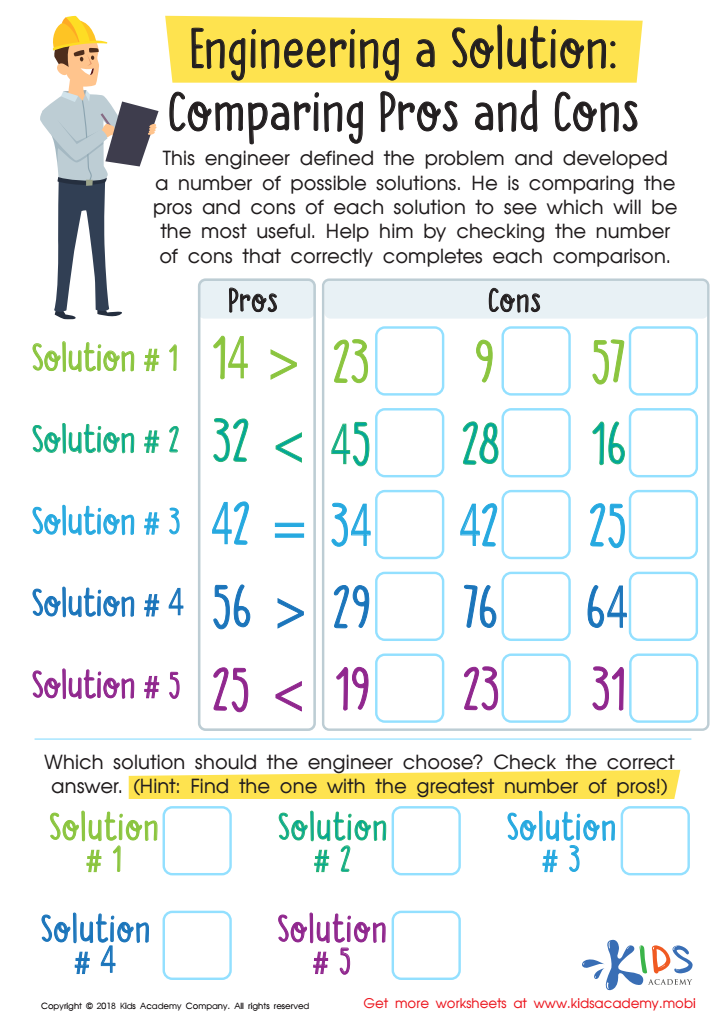
Engineering a Solution: Comparing Pros and Cons Worksheet
 Assign to My Students
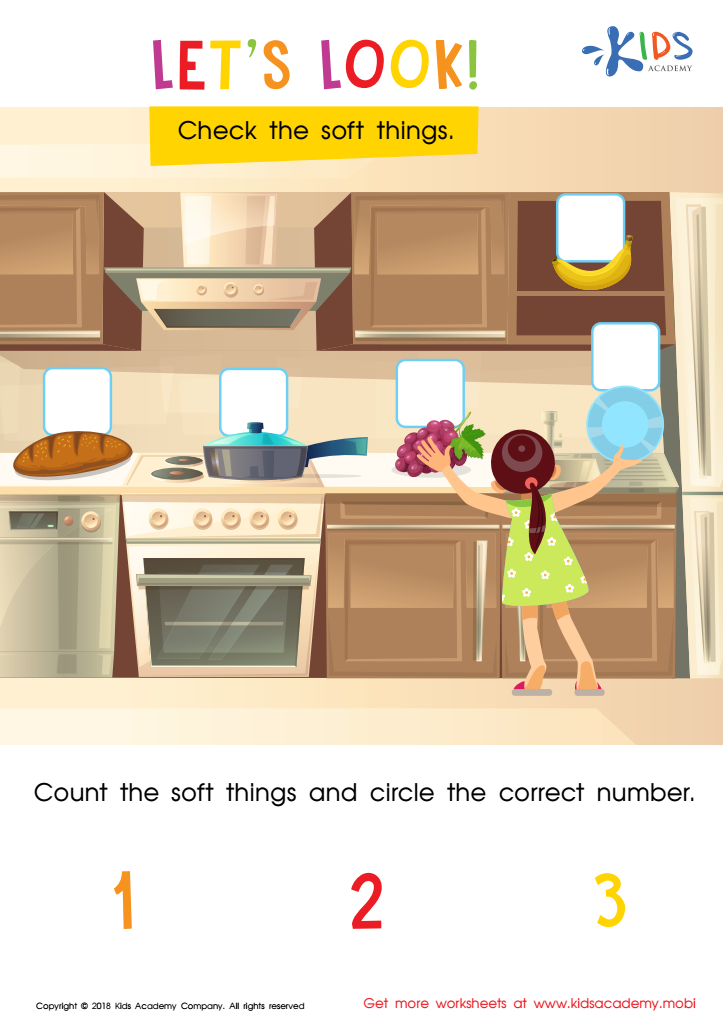
Let's Look! Assessment Worksheet
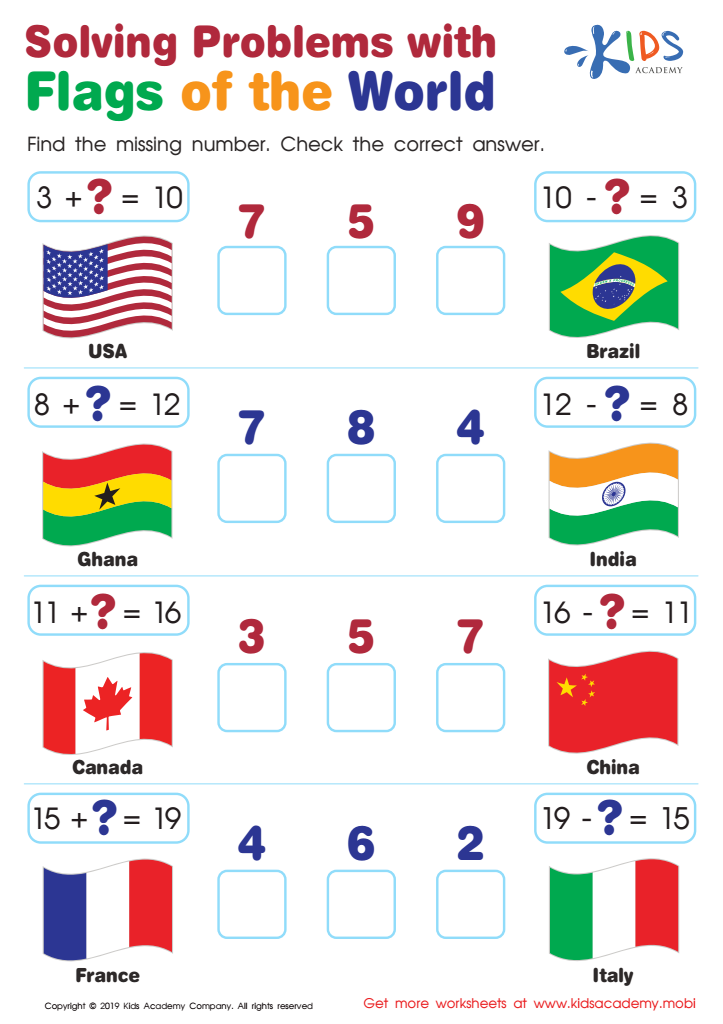
Solving Problems with Flags of the World Worksheet
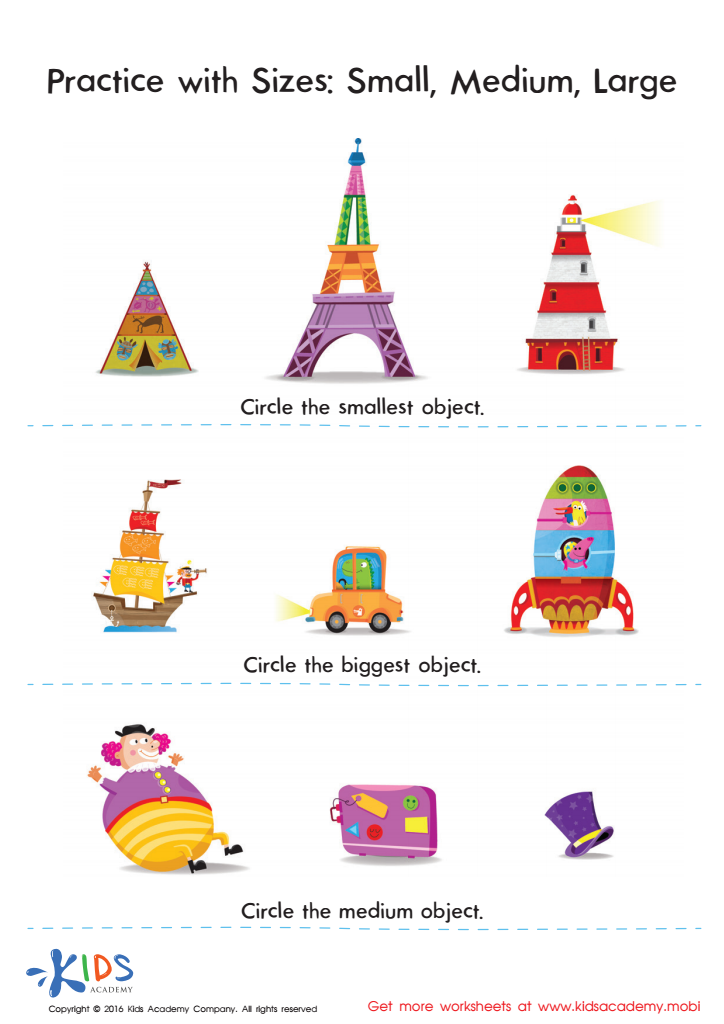






.jpg)

Comparative analysis normal for ages 4-7 is crucial for parents and teachers as it helps in understanding and gauging a child's development within a broader context. This approach allows educators and caregivers to identify benchmarks and milestones that are typical for this age group, including social, emotional, cognitive, and physical growth.
By engaging in comparative analysis, teachers can tailor their teaching strategies to better meet the varying needs of students, ensuring that all children are supported at their individual developmental levels. This method highlights areas where a child may excel or struggle, making it easier to devise interventions or enrichment activities that promote effective learning.
For parents, awareness of these developmental norms can guide their interactions with their children. It enables them to foster appropriate expectations, narrate their child’s growth journey, and understand when to seek extra help for learning challenges.
Overall, comparative analysis normal serves as a foundational tool, enhancing communication between parents and educators, allowing them to collaborate more effectively in nurturing well-rounded, thriving children. It encourages a deeper understanding of child development, ultimately benefiting the child's educational experience and emotional growth.








