Filters

104 filtered results

Clear all filters
Favorites
With answer key
Interactive

104 filtered results

Difficulty Level

Grade


Check out this FREE "Counting skills" Trial Lesson for age 4-7!

Classifying Objects and Count the Number of Objects in Each Category CCSS.Math.Content

Favorites
With answer key
Interactive
  • 4-7
  • Counting skills
  • Normal
Growing with 15 Worksheet

Growing with 15 Worksheet

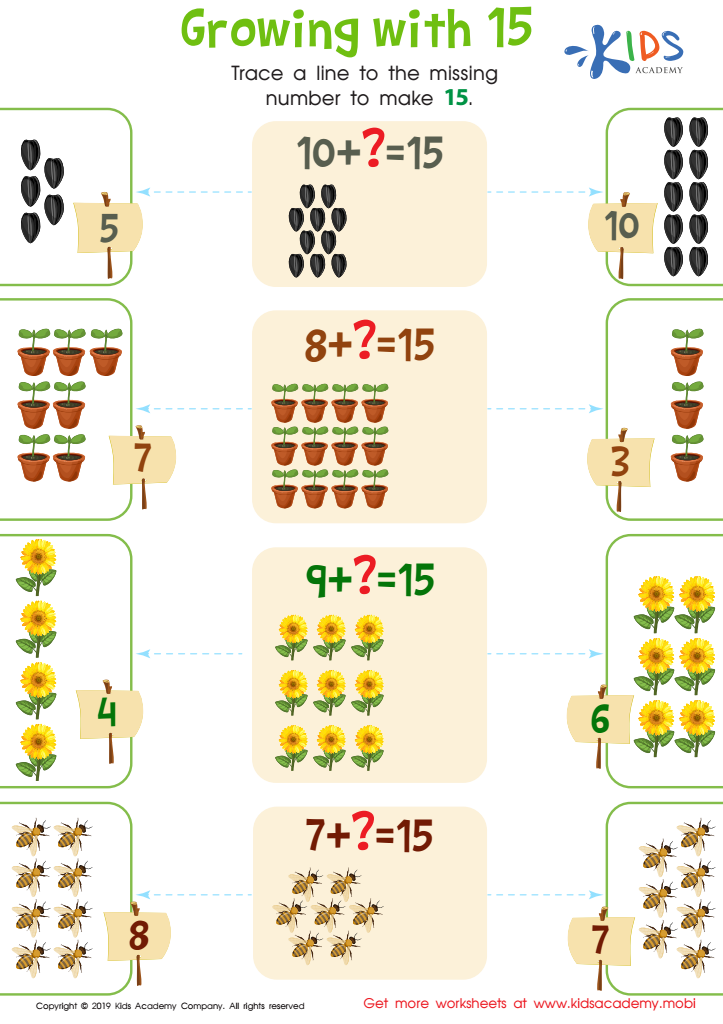
Remind your kids that adding different sets of numbers can give the same total (e.g. 2+3=5, 4+1=5). Test their understanding by asking them for more examples. Move onto the worksheet: count objects, then trace the line to the number making a total of 15.
Growing with 15 Worksheet
Worksheet
1, 2 or 3? Worksheet

1, 2 or 3? Worksheet

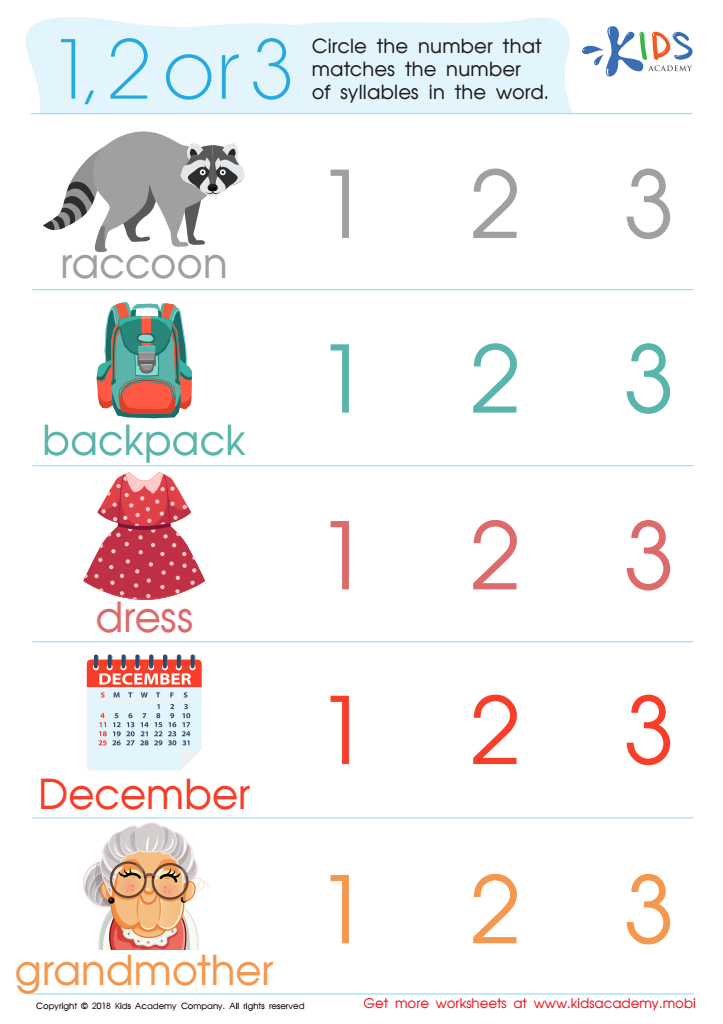
Do your kids know about syllables? Test their understanding with this worksheet. Read the words aloud and ask them to say them with you. Help them circle the number that matches the number of syllables in each word. Perfect for expanding knowledge or testing how much they've already learned.
1, 2 or 3? Worksheet
Worksheet
Sort and Count Candy Worksheet

Sort and Count Candy Worksheet

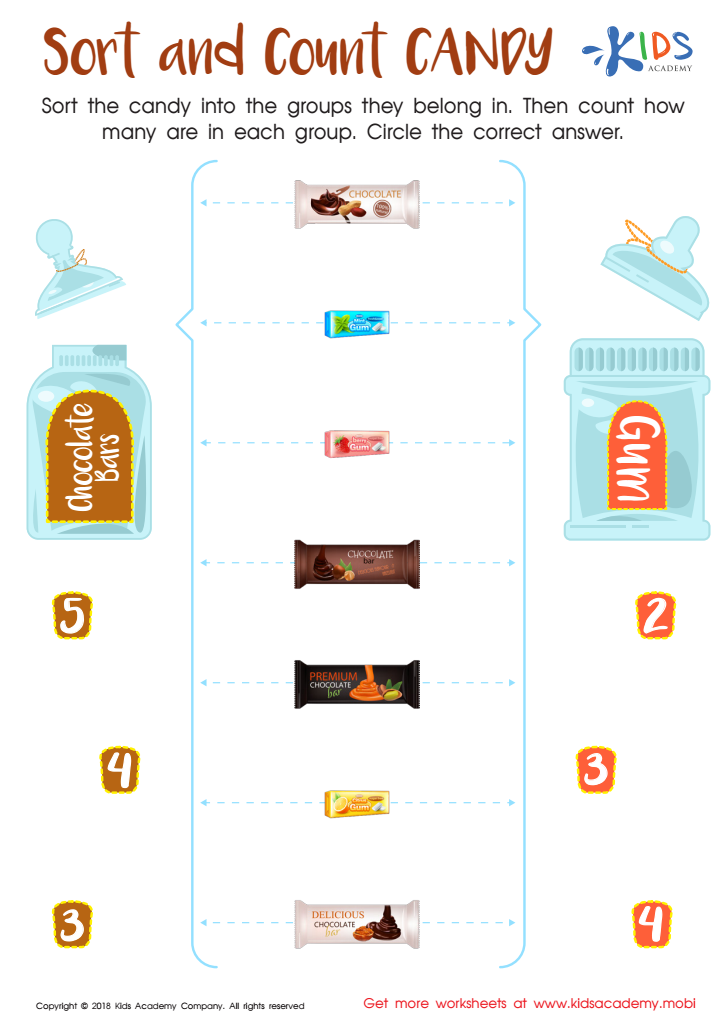
Sort chocolate and candy with your kids! Help them use recognizable items and pictures to sort, practice counting with one-to-one representation, and develop their fine motor skills with the traceable lines. Download this free worksheet to get started. Yum!
Sort and Count Candy Worksheet
Worksheet
Count and Write 6 Worksheet

Count and Write 6 Worksheet

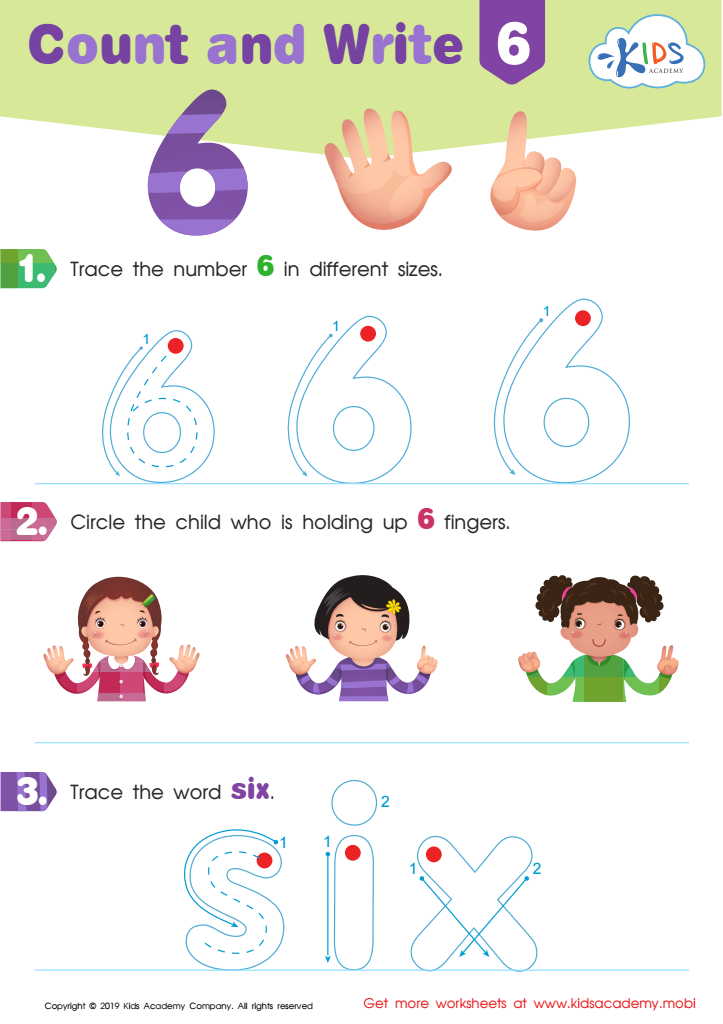
Kids begin math by mastering recognition skills. This worksheet helps with that by giving them practice writing "six" and the numeral 6, with guide dots and traceable lines. Giving kids multiple ways to learn the basics helps them build a strong math foundation.
Count and Write 6 Worksheet
Worksheet
Counting Ships to 120 Worksheet

Counting Ships to 120 Worksheet

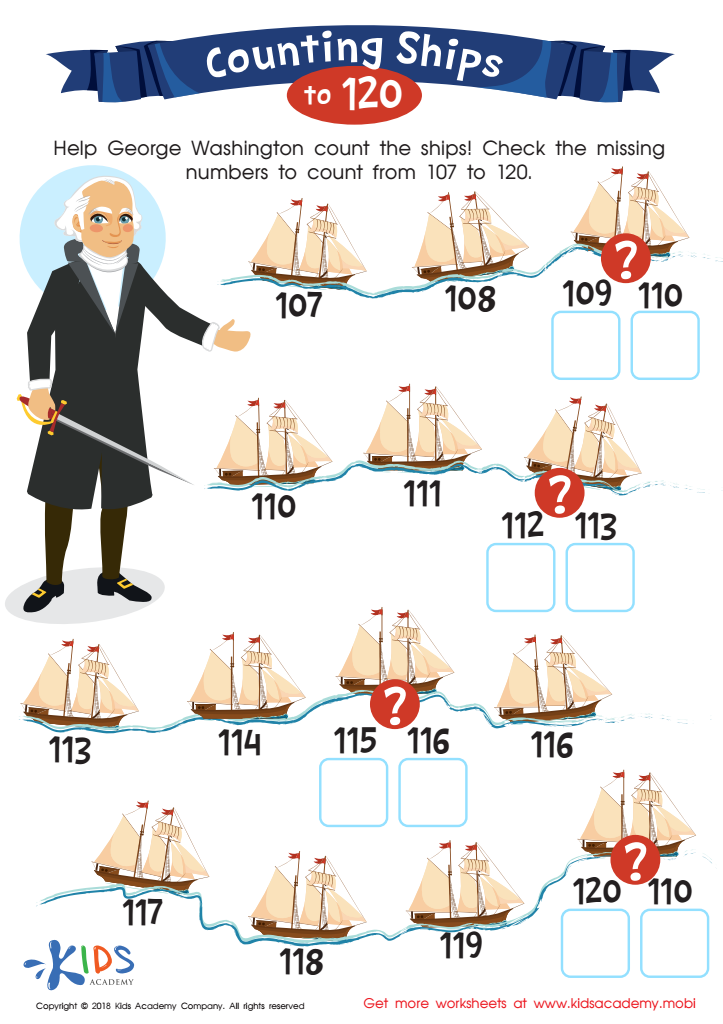
Introduce your child to George Washington and his contributions to our country's history. If they already know their numbers, have them help George count the ships! Challenge them to fill in the missing numbers between 107 and 120.
Counting Ships to 120 Worksheet
Worksheet
Count and Write 10 Worksheet

Count and Write 10 Worksheet

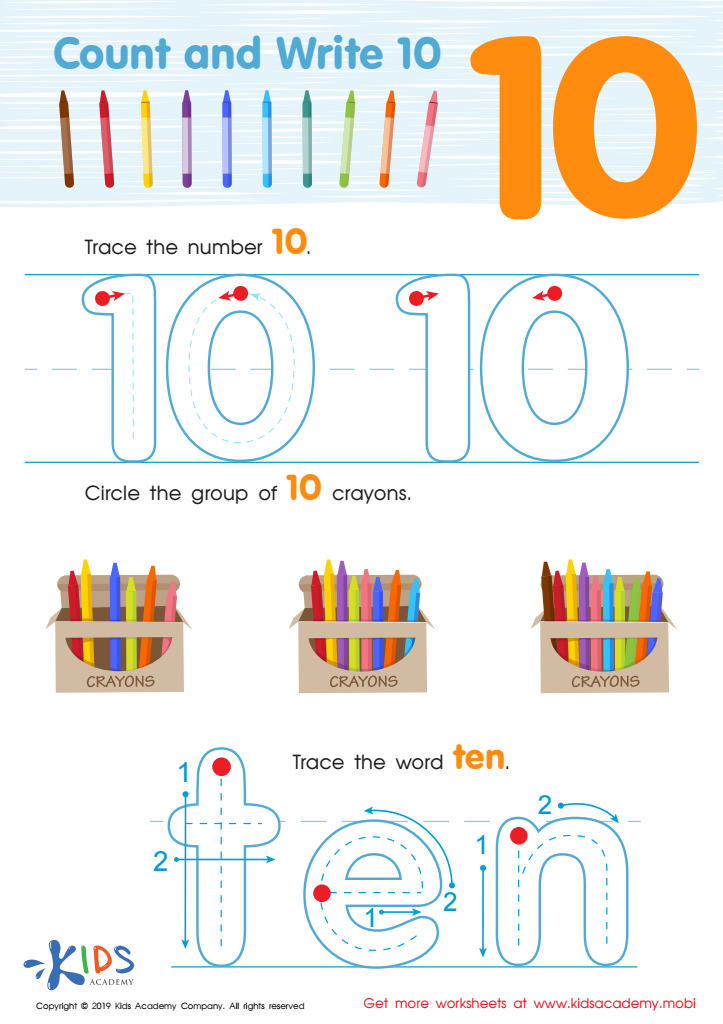
Help your child succeed by teaching them numbers! They should already know their 1,2,3s before their first day of school. This worksheet will give them the practice they need to write and count to 10. Get them to count and circle the 10 crayons, then trace the number 10. It's a great way to help them understand numbers and get a head start.
Count and Write 10 Worksheet
Worksheet
Matching Numbers to Amounts Worksheet

Matching Numbers to Amounts Worksheet

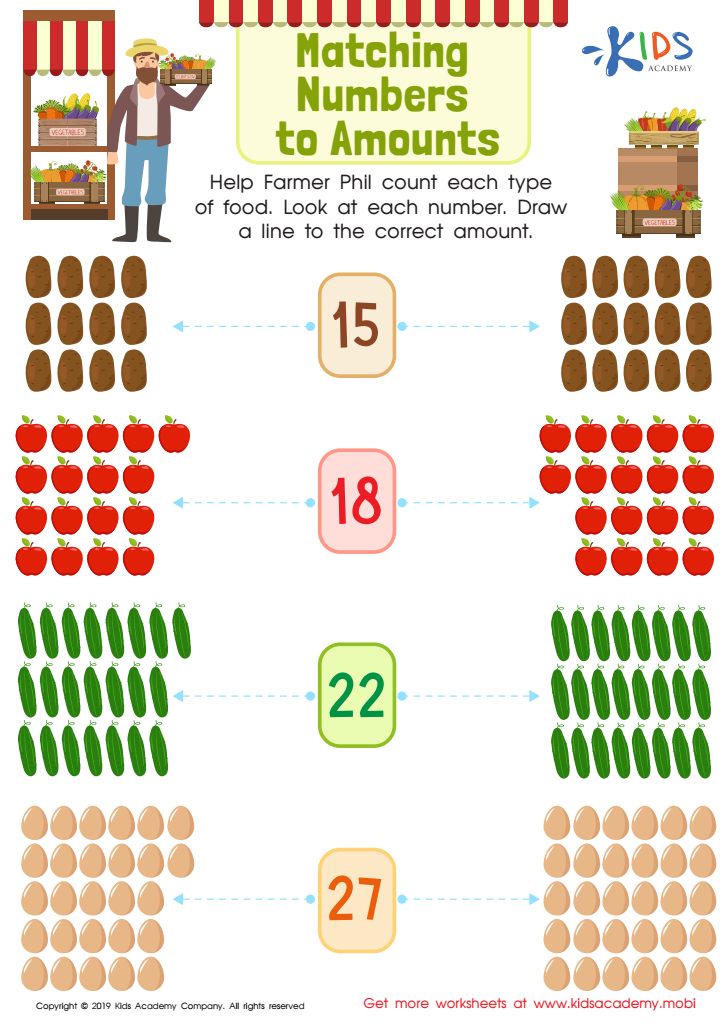
Farmer Phil needs your kid's help! Ensure they know the basics of math such as counting, adding and subtracting. Before beginning, help your child identify and count the different foods in the picture. Then, draw a line to the correct amount.
Matching Numbers to Amounts Worksheet
Worksheet
Kindergarten number tracing worksheet pdf

Kindergarten Number Tracing: Medow Flowers Worksheet

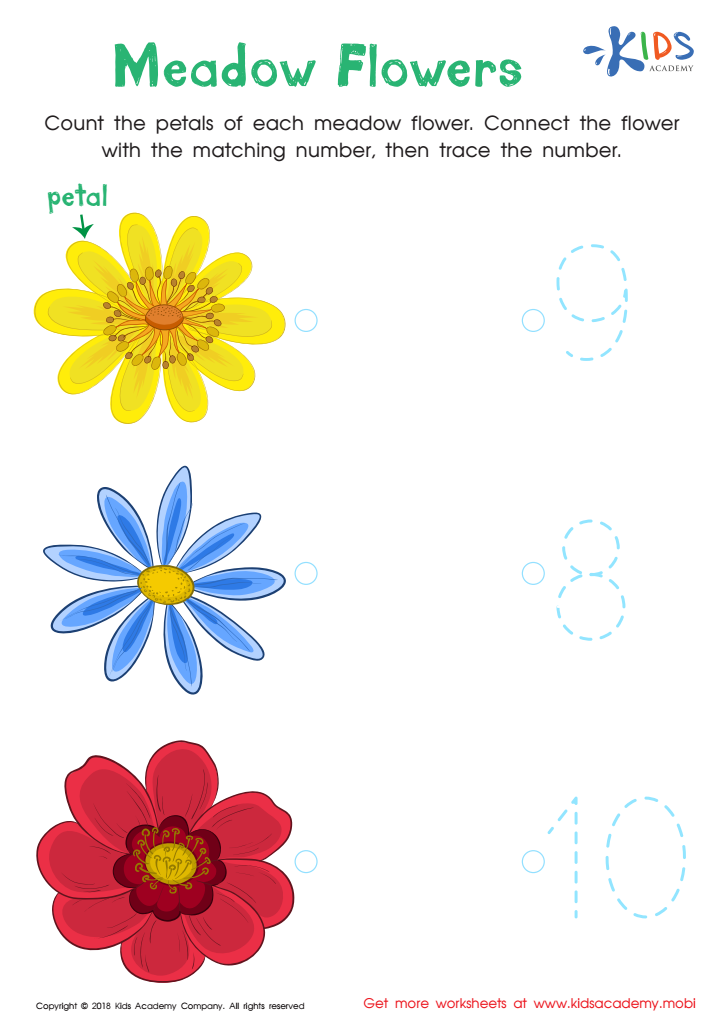
Take your child to the garden to count flower petals and trace numbers with this fun kindergarten PDF worksheet. They'll learn to count and write, all while enjoying the sweet scent of the flowers.
Kindergarten Number Tracing: Medow Flowers Worksheet

Worksheet


... 4 5

Counting skills in children aged 4-7 are foundational for their early mathematical development and overall cognitive growth. At this critical stage, children begin to understand numbers, order, and fundamental math concepts, which are essential building blocks for more complex problem-solving skills they will encounter throughout their education.

Parents and teachers should prioritize counting skills because it fosters a child's ability to recognize patterns and sequences, understand quantity and make comparisons. For example, knowing the difference between more and less is a basic skill that is used not only in math but also in everyday decision-making.

Additionally, fluency in counting helps young children develop logical and critical thinking abilities. Through counting exercises, children learn how to process information sequentially and improve their memory and concentration. It can instill a sense of accomplishment and confidence, providing positive reinforcement that encourages further learning and curiosity.

Moreover, early counting skills are often predictive of later academic achievement. Children who master counting are generally better prepared for school, exhibiting readiness for subjects beyond mathematics, including reading the time, measuring ingredients in recipes, or even organizing their toys. Thus, fostering these skills lays a solid educational foundation that supports future learning and personal growth.