Critical Thinking Normal Worksheets for Ages 4-7 - Page 4
74 filtered results
-
From - To
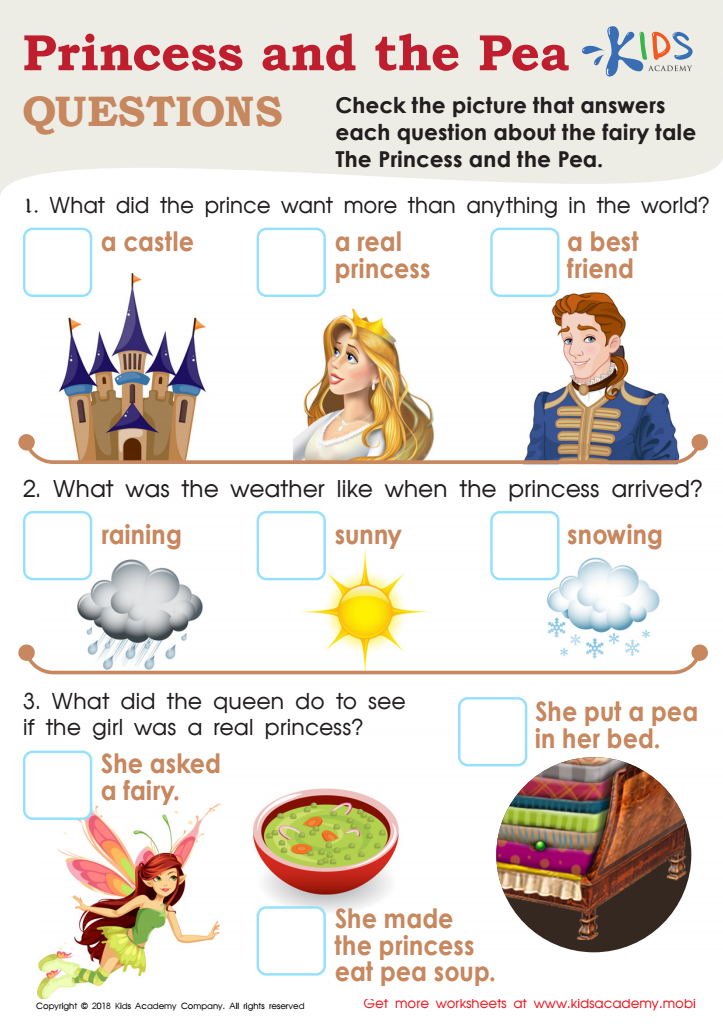
Princess and the Pea Questions Worksheet
 Assign to My Students
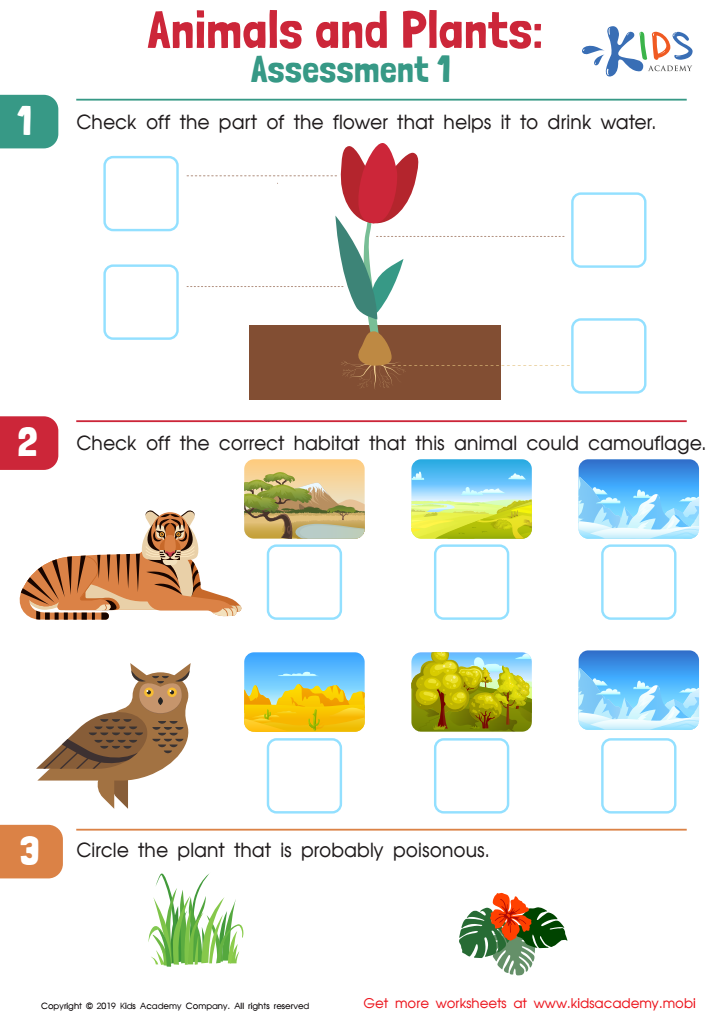
Animals and Plants: Assessment 1 Worksheet



.jpg)




Parents and teachers should prioritize critical thinking development for children aged 4 to 7 because this foundational skill is essential for lifelong learning and problem-solving. At this age, children are naturally curious and inquisitive. Encouraging critical thinking helps children learn to analyze, evaluate, and create their own ideas and solutions.
Developing critical thinking in young children fosters their ability to ask questions, explore possibilities, and think logically. It equips them to navigate challenges with confidence, promoting resilience and independent learning. Additional benefits include improved communication skills, as children learn to articulate their thoughts and reasoning clearly.
Moreover, critical thinking lays the groundwork for academic success across subjects, as it enables students to comprehend complex concepts, engage in discussions, and tackle projects creatively. It also prepares them for future challenges in an ever-evolving world, where they will need to apply reasoning in various contexts.
By nurturing critical thinking, parents and teachers create an environment where children feel valued in their ideas and opinions, leading to enhanced self-esteem. Ultimately, cultivating these skills at a young age provides children with the tools they need to become active, engaged participants in their education and communities.








