Cultural awareness Normal Worksheets for Ages 4-7
10 filtered results
-
From - To
Introducing our "Cultural Awareness Normal Worksheets for Ages 4-7," specifically designed to foster understanding and appreciation for diverse cultures in young learners. These engaging and interactive worksheets encourage children to explore global traditions, languages, and customs through fun activities, illustrations, and stories. Our resources aim to broaden perspectives, promoting inclusivity and empathy from an early age. Perfect for classroom and home use, these worksheets support educators and parents in nurturing culturally aware, open-minded future citizens. Empower your child's learning journey today with Kids Academy's expertly crafted cultural awareness materials. Unlock a world of discovery and respect!
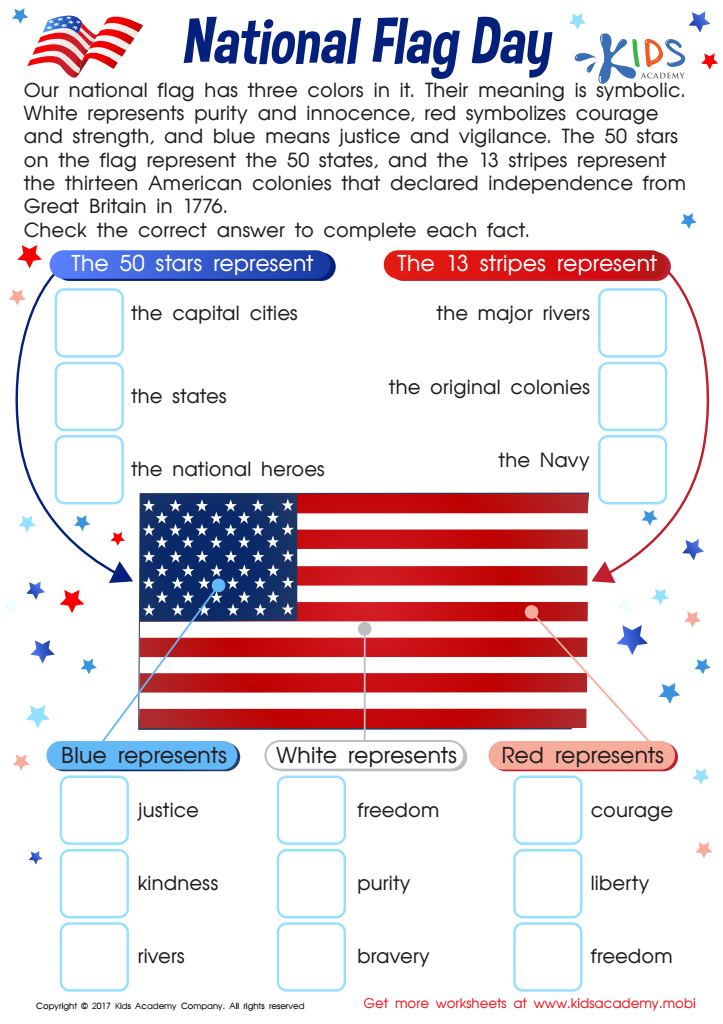
US National Flag Day Worksheet
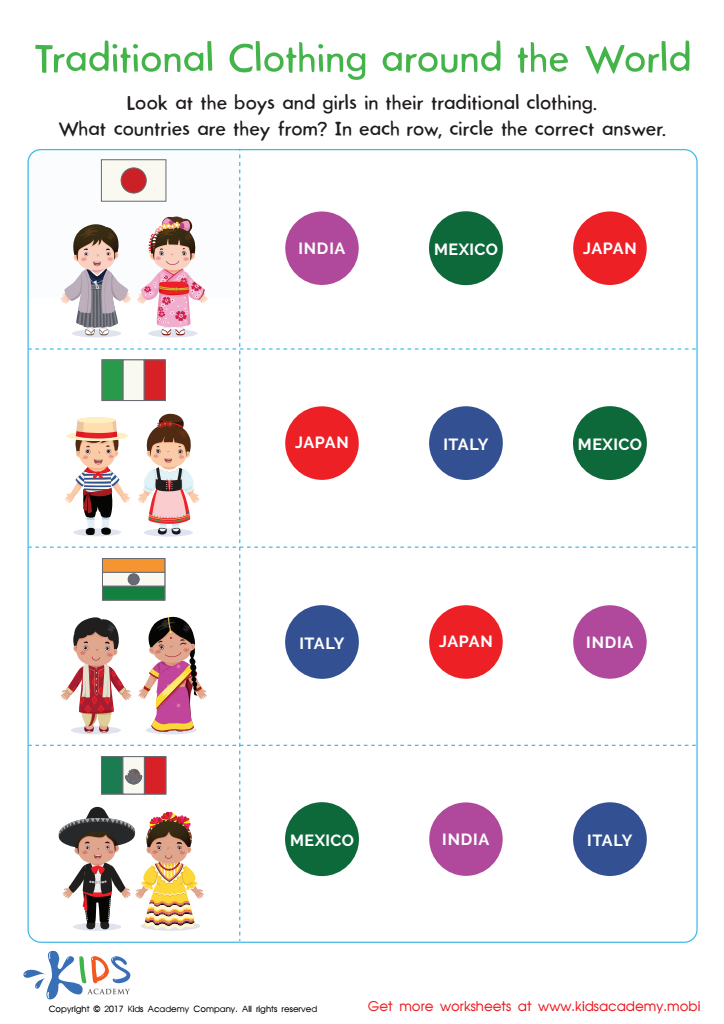
Traditional Clothing Worksheet
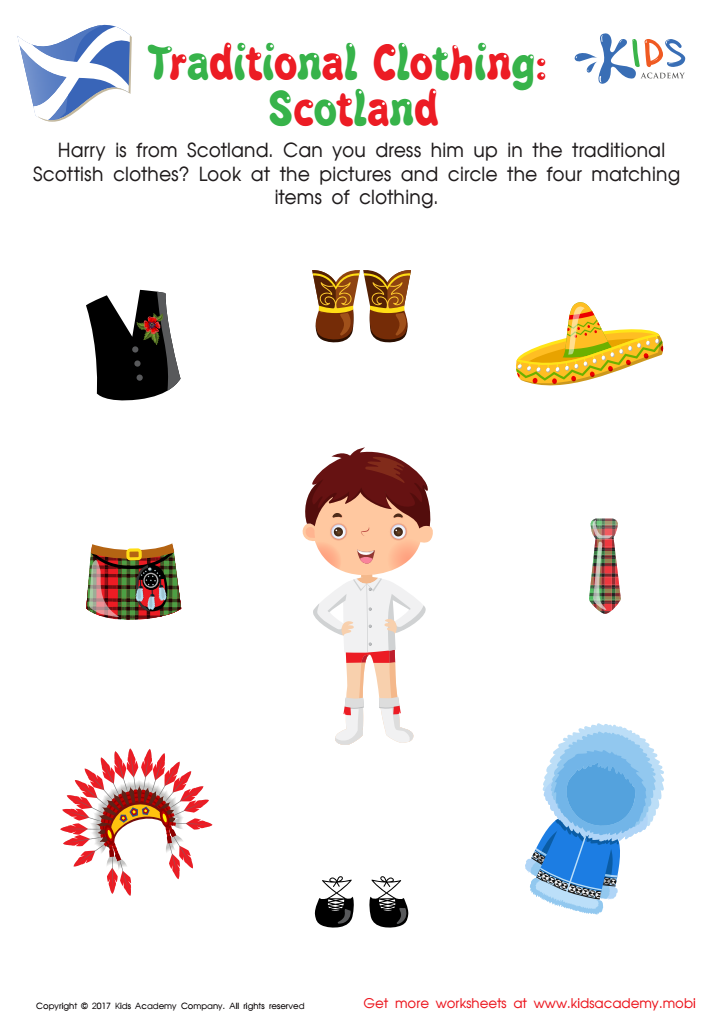
Traditional Clothing in Scotland Worksheet
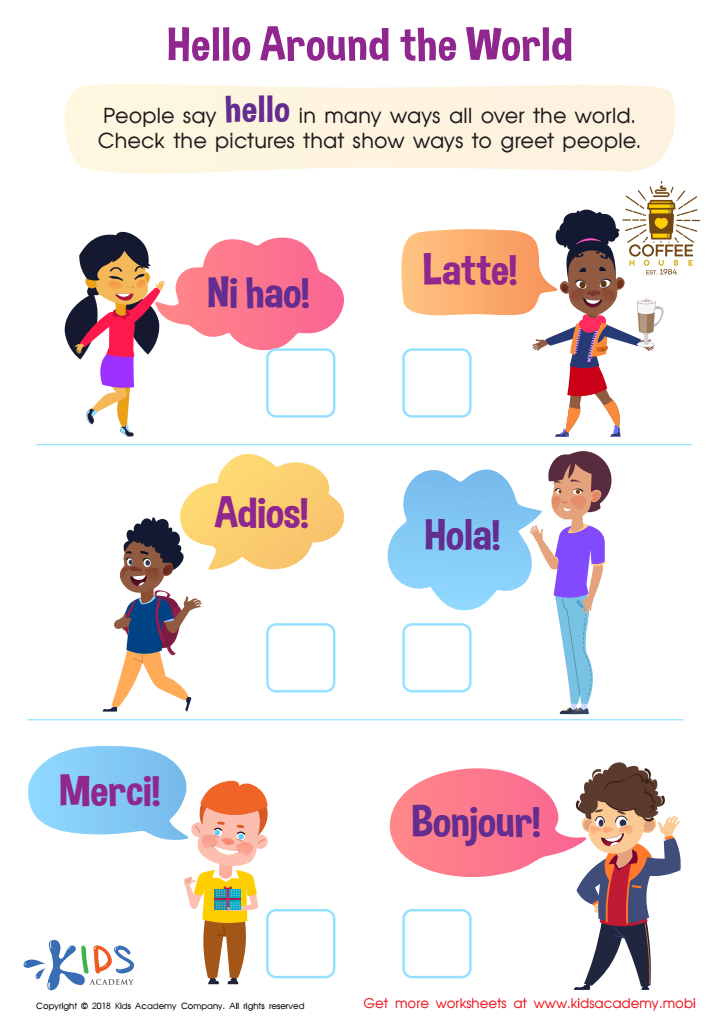
Hello Around the World Worksheet
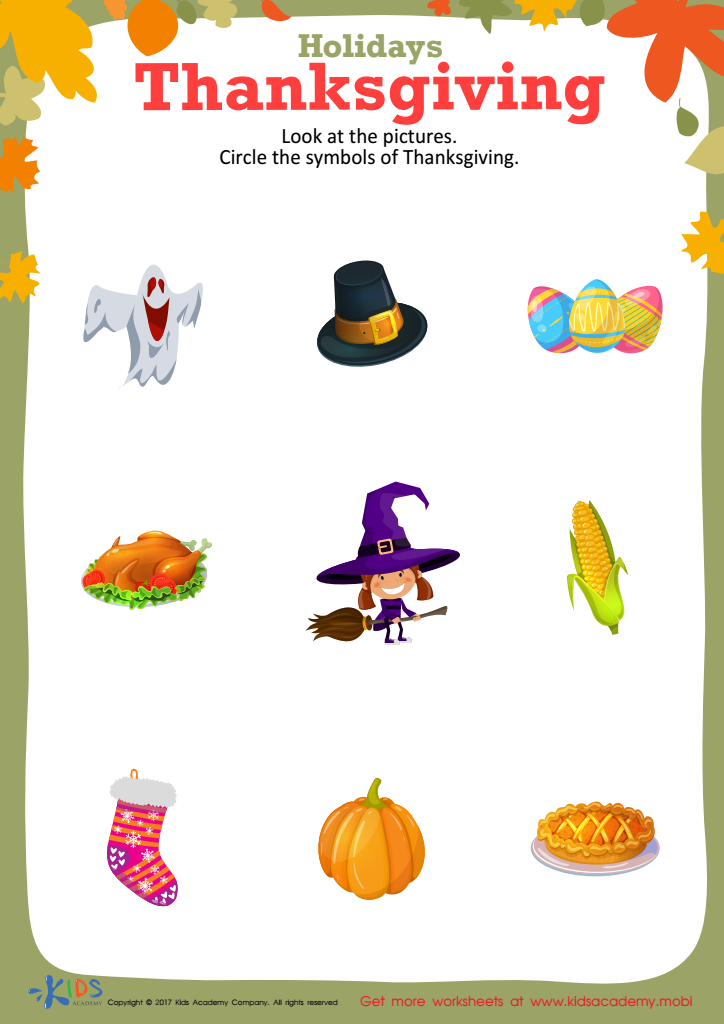
Thanksgiving Holiday Printable
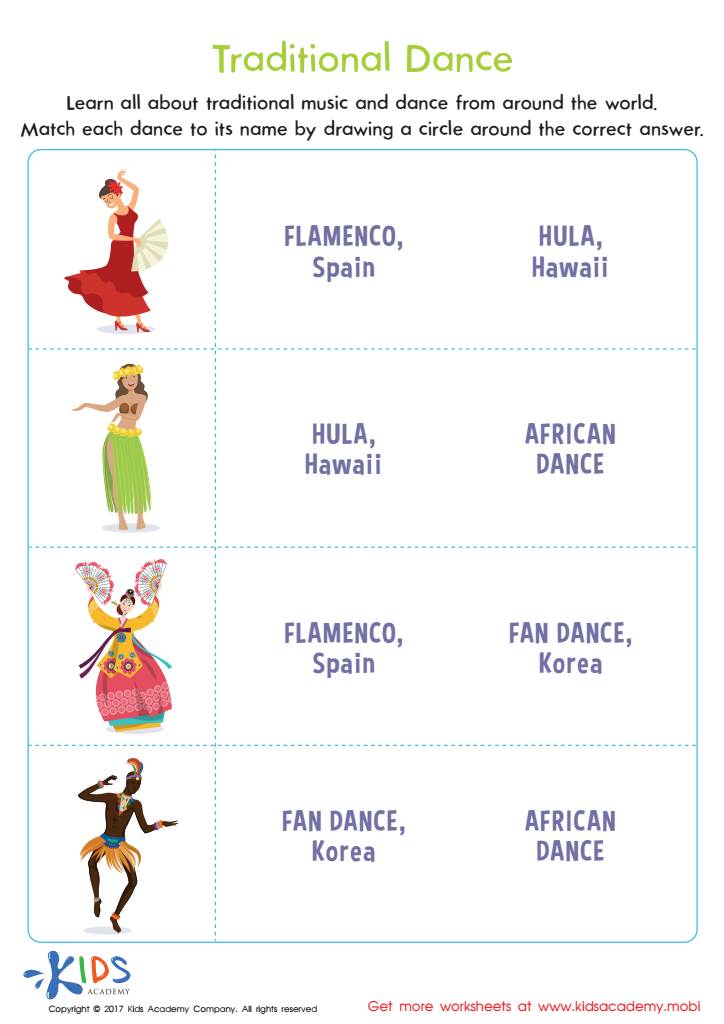
Traditional Dance Printable
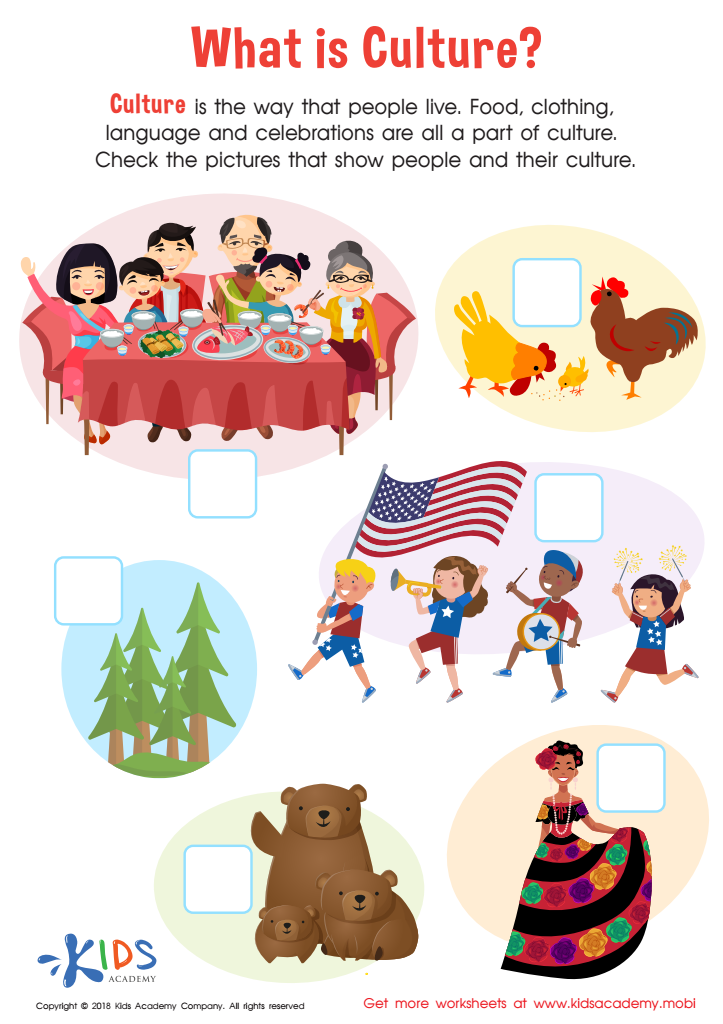
What Is Culture? Worksheet
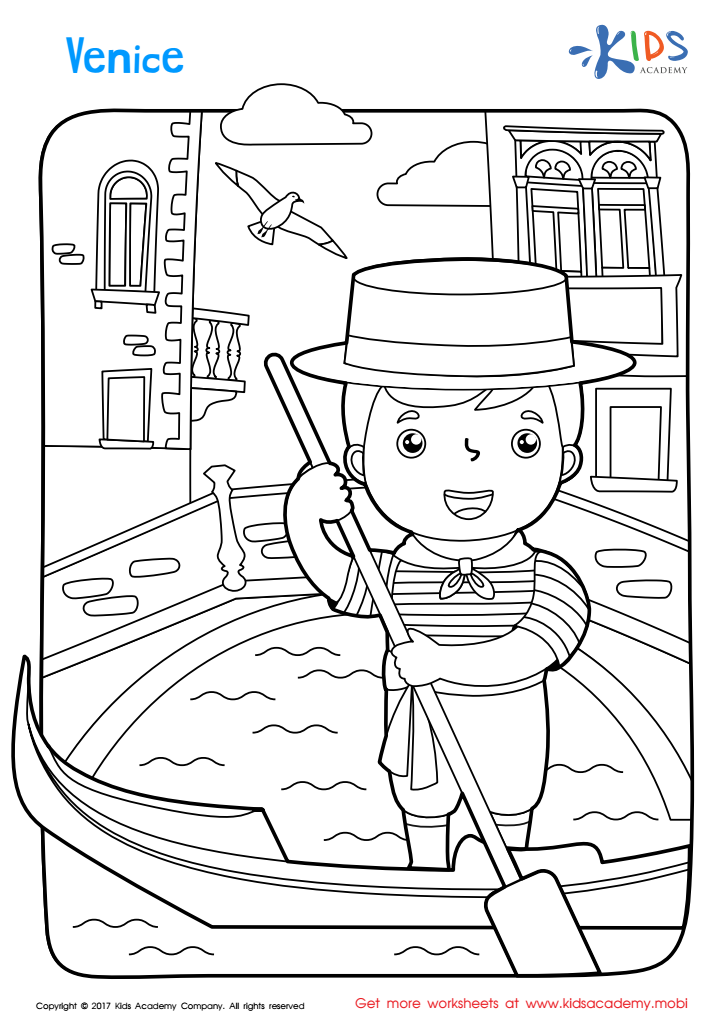
Venice Worksheet
 Assign to My Students
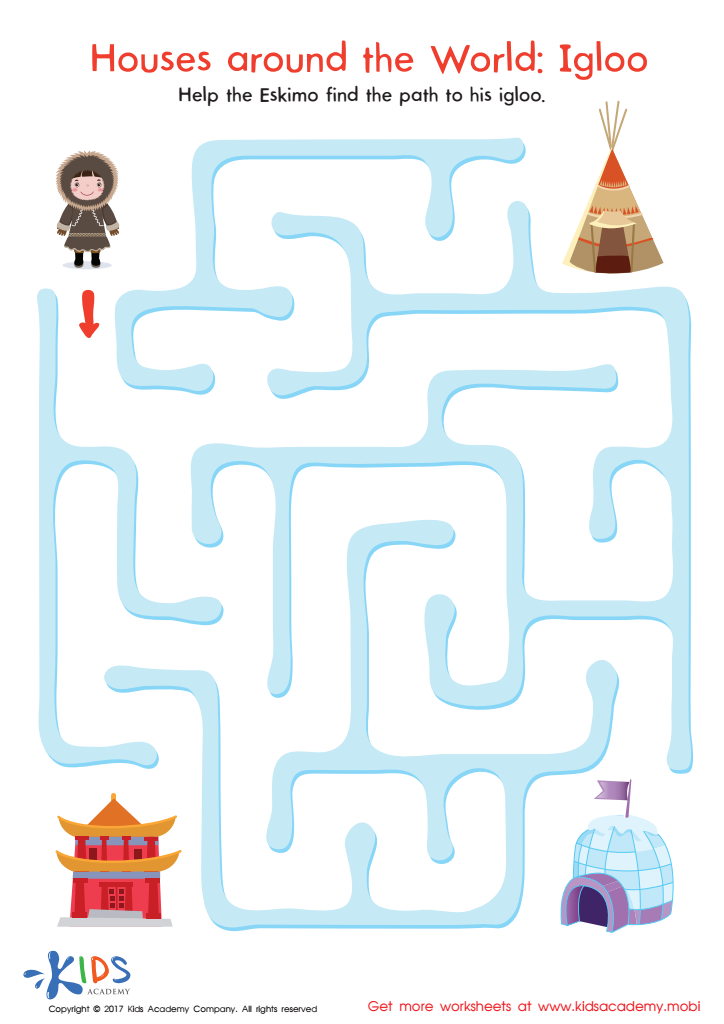
Houses Around the World: Igloo Printable








Cultural awareness is crucial for young children, and parents as well as teachers should prioritize it from an early age. For ages 4-7, children are beginning to form their understanding of the world around them, including the diversity of people, traditions, and ways of life. By introducing cultural awareness at this stage, we help them develop respect, empathy, and appreciation for differences, fostering an inclusive mindset.
Teaching children about different cultures helps to break down stereotypes and build a more accepting and open-hearted community. When kids learn about various cultural practices, languages, and traditions, they become more adaptable and cognizant of global perspectives. This awareness can reduce biases and prejudice, making children more considerate and empowering them to engage with diverse groups effectively.
Moreover, cultural awareness enhances cognitive skills by encouraging curiosity, critical thinking, and self-reflection. Educational activities rooted in different cultural contexts can stimulate their learning and creativity, making education more engaging and comprehensive.
Lastly, cultural competence builds a strong foundation for future social interactions and professional environments, where cultural diversity is the norm. Guided by their parents and teachers, young children can grow up to be well-rounded, socially responsible individuals who contribute positively to a multicultural society. In essence, cultural awareness is planting the seeds for a kinder, more understanding world.








