Hand-eye Coordination Normal Worksheets for Ages 4-7 - Page 2
33 filtered results
-
From - To
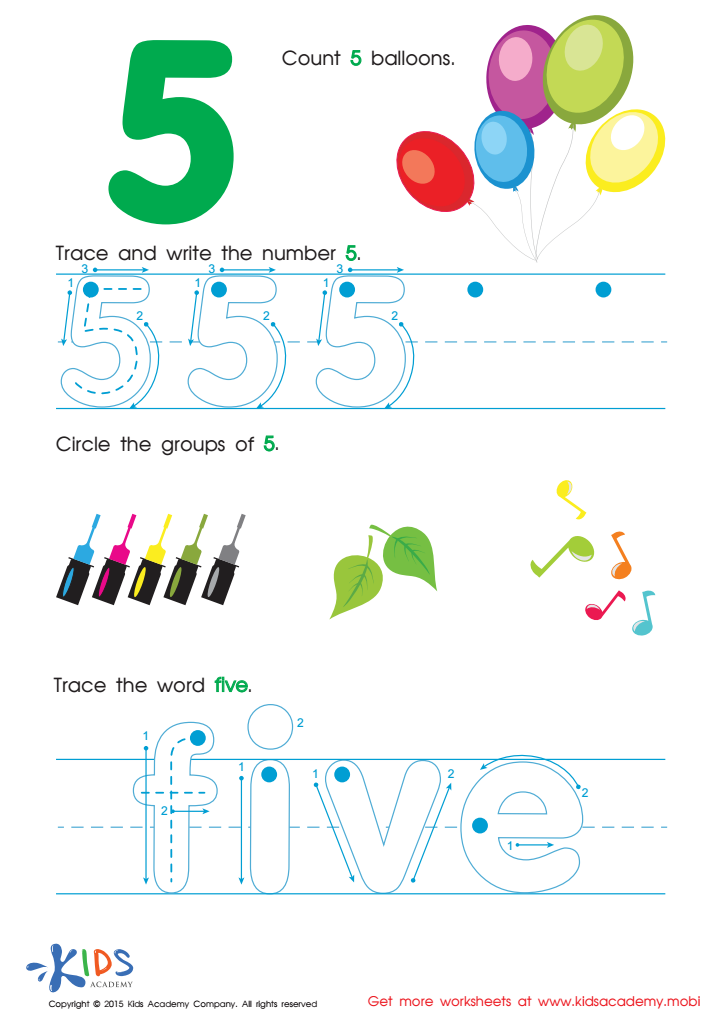
Practice Writing Number 5 Worksheet
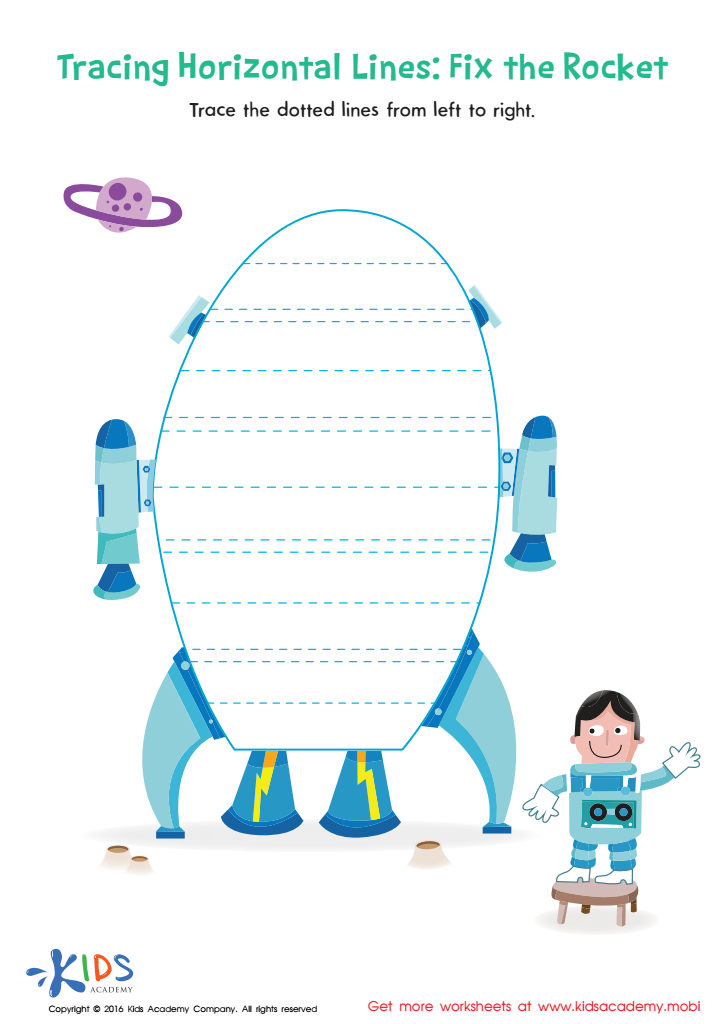
Tracing Horizontal Lines Worksheet
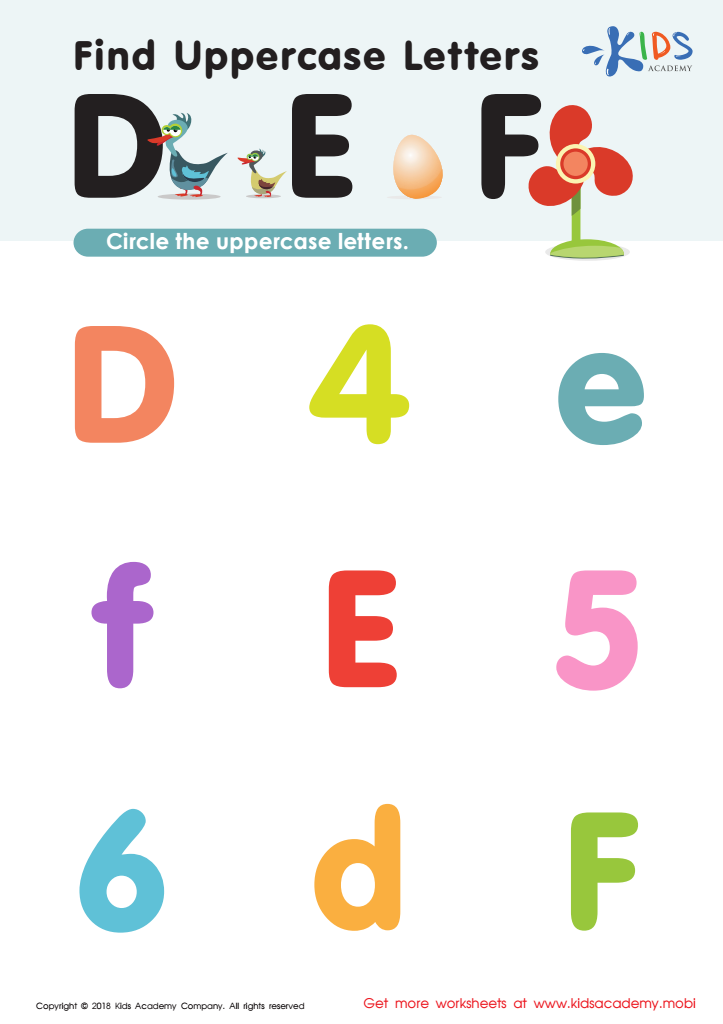
Find Uppercase Letters D, E, and F Worksheet
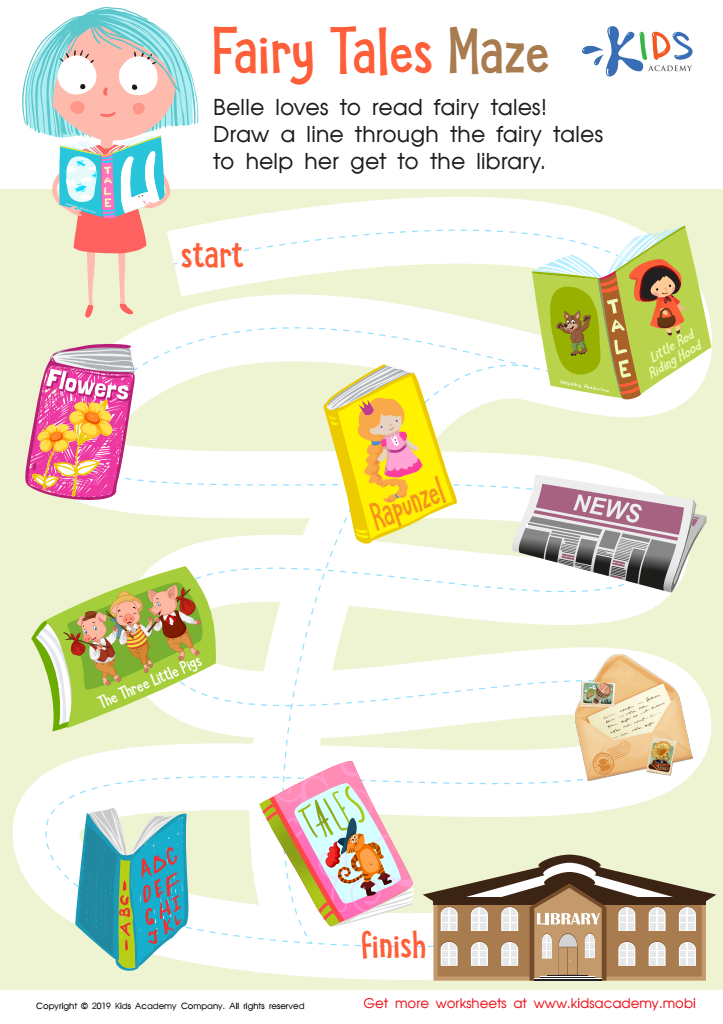
Fairy Tales Maze Worksheet
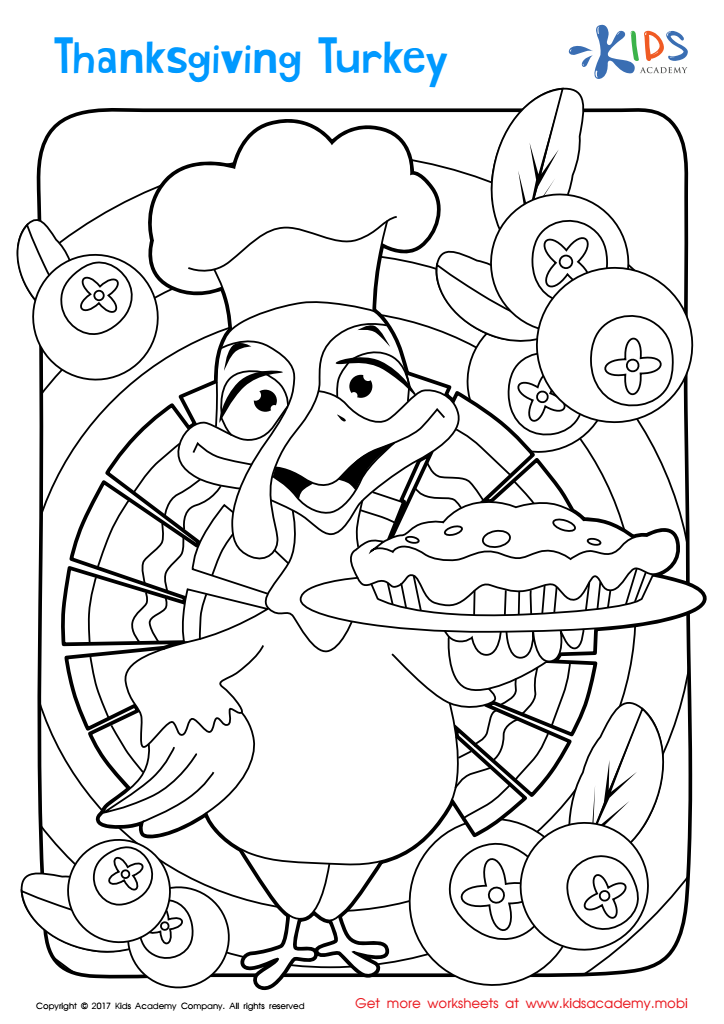
Turkey Thanksgiving Day Worksheet
 Assign to My Students
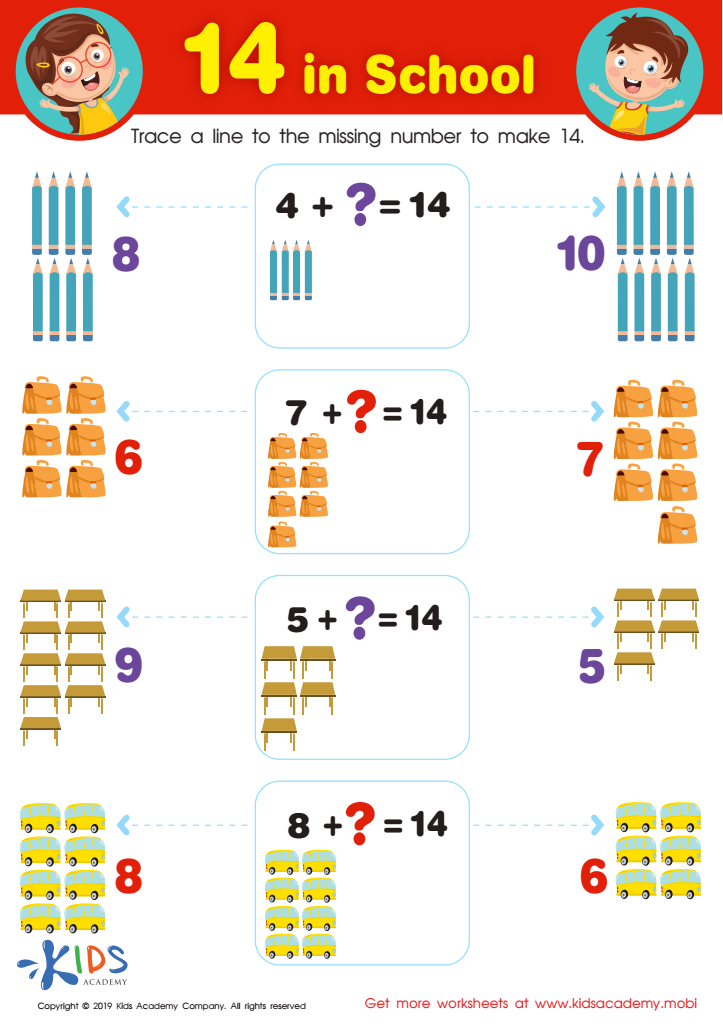
14 in School Worksheet
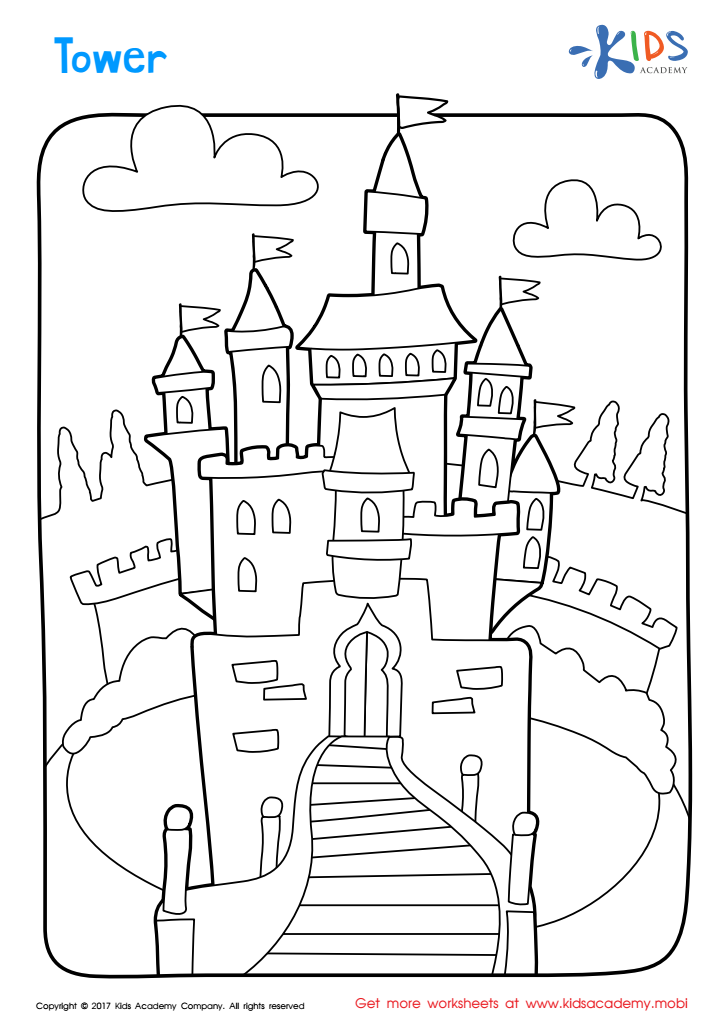
Tower Coloring Page
Assign to My Students
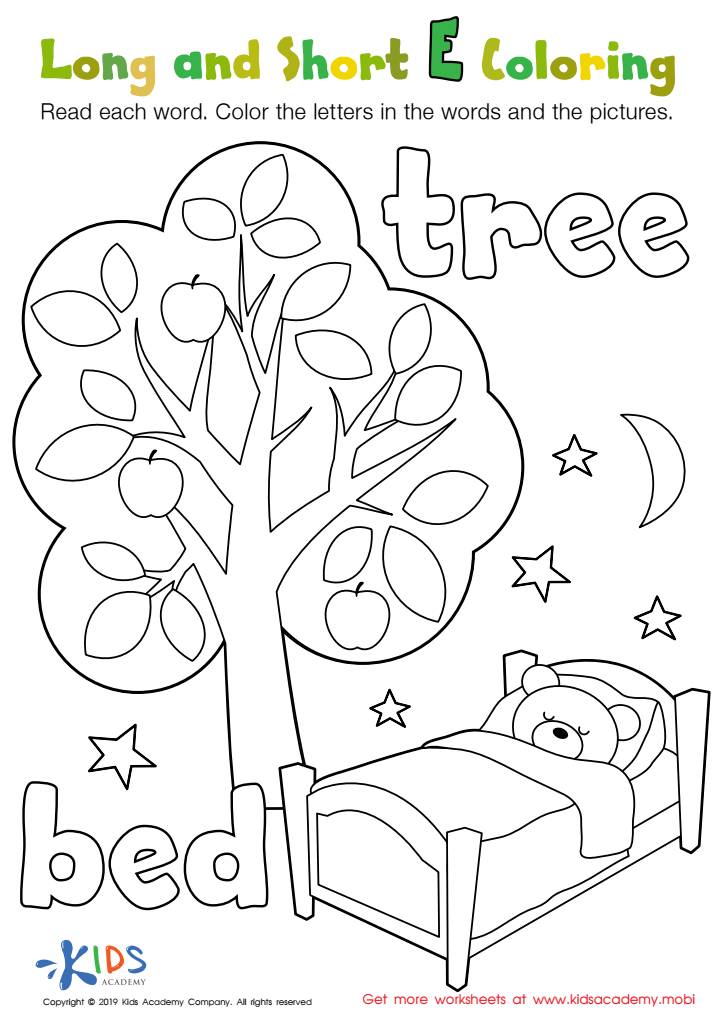
Long and Short E Worksheet
Assign to My Students
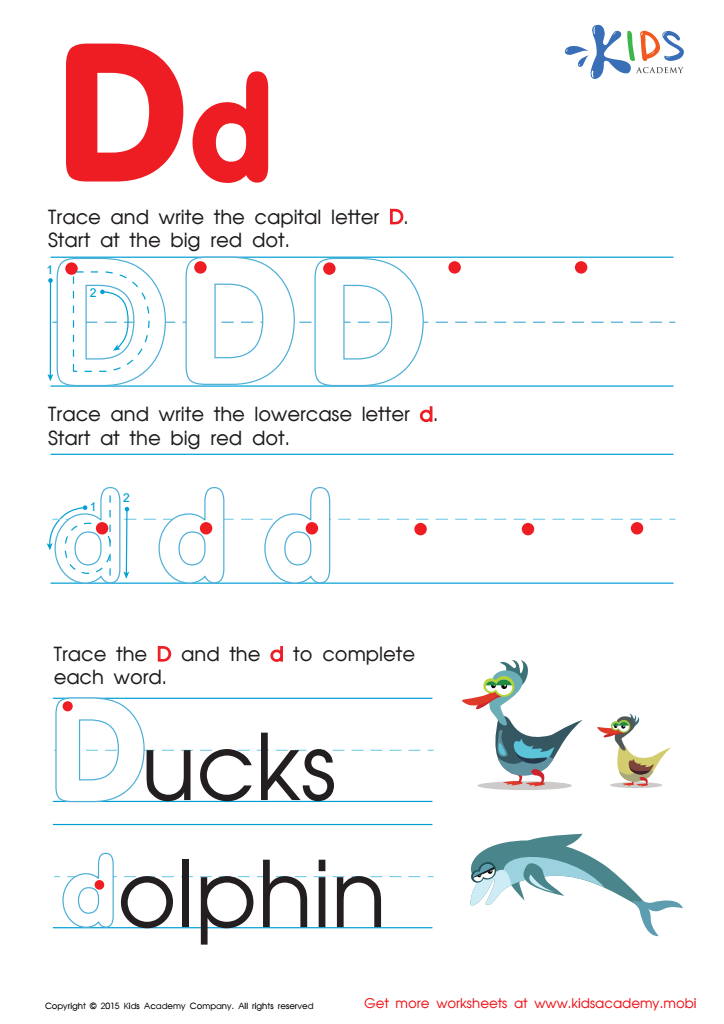
Letter D Tracing Page


.jpg)





Hand-eye coordination is a crucial developmental skill for children aged 4-7, as it significantly impacts their ability to perform everyday tasks and engage in learning activities. For parents and teachers, fostering this skill is essential for fostering independence and confidence in young learners. At this age, children begin to refine their physical abilities, transitioning from basic motor skills to more complex tasks—such as writing, drawing, cutting, and participating in sports.
Strong hand-eye coordination enables children to successfully navigate these activities, which are foundational for academic success and holistic development. For example, good coordination supports fine motor skills and is critical for tasks like using scissors, which enhances their writing prowess later on.
Additionally, hand-eye coordination promotes cognitive development, as children learn to make quick decisions and perform tasks that require focus and precision. Moreover, physical activities that enhance hand-eye coordination, such as ball games, also foster social skills, teaching teamwork and communication.
Ultimately, supporting hand-eye coordination not only facilitates children's academic and physical growth but also contributes positively to their overall confidence and social interaction, laying a strong foundation for future accomplishments. Parents and teachers play a pivotal role in nurturing these essential skills during their formative years.








