
Historical Knowledge Normal Worksheets for Ages 4-7
10 filtered results
Difficulty Level
Grade
Age
-
From - To
Subject
Activity
Standards
Discover our engaging Historical Knowledge Normal Worksheets specifically designed for children aged 4-7! These printable activities introduce young learners to foundational concepts in history through interactive fun. Each worksheet aims to spark curiosity about the world around them, covering famous figures, significant events, and cultural traditions in an age-appropriate manner. Our expertly crafted materials encourage critical thinking and creativity while promoting essential skills such as reading, comprehension, and problem-solving. Perfect for parents, teachers, and homeschoolers, these worksheets ensure an enriching learning experience. Dive into the past with your little ones and watch them thrive as budding historians!
Favorites
With answer key
Interactive
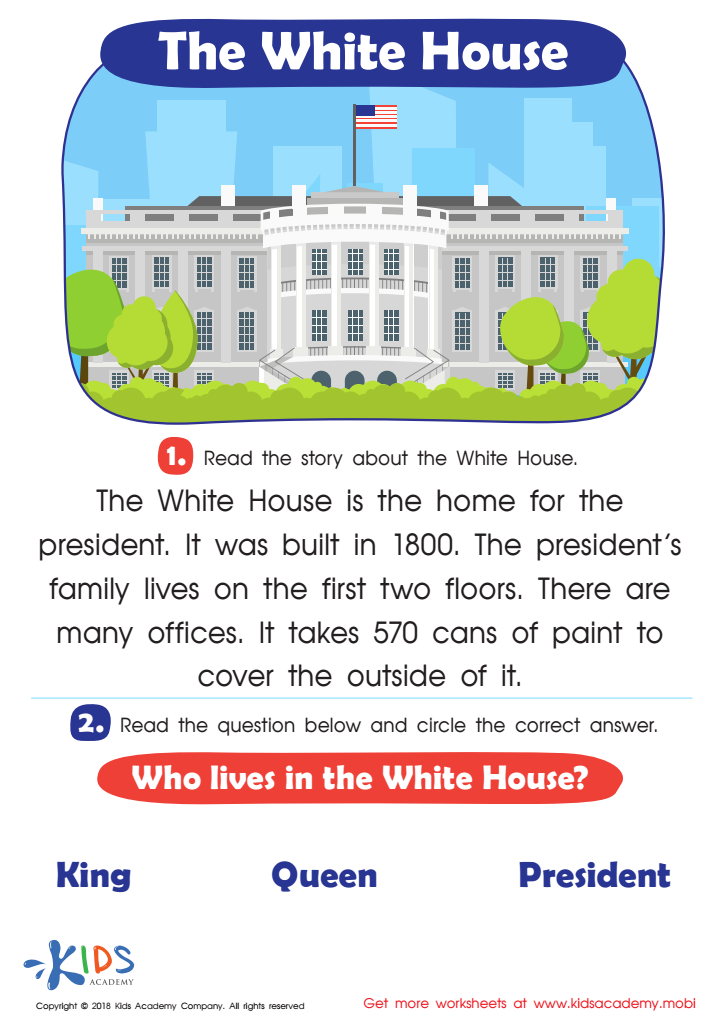
White House Worksheet
Read stories to your students to teach them new words, and about the White House. Before reading, ask your kindergartners what they already know. Then read short sentences for them to learn about the building the U.S President resides in.
White House Worksheet
Worksheet
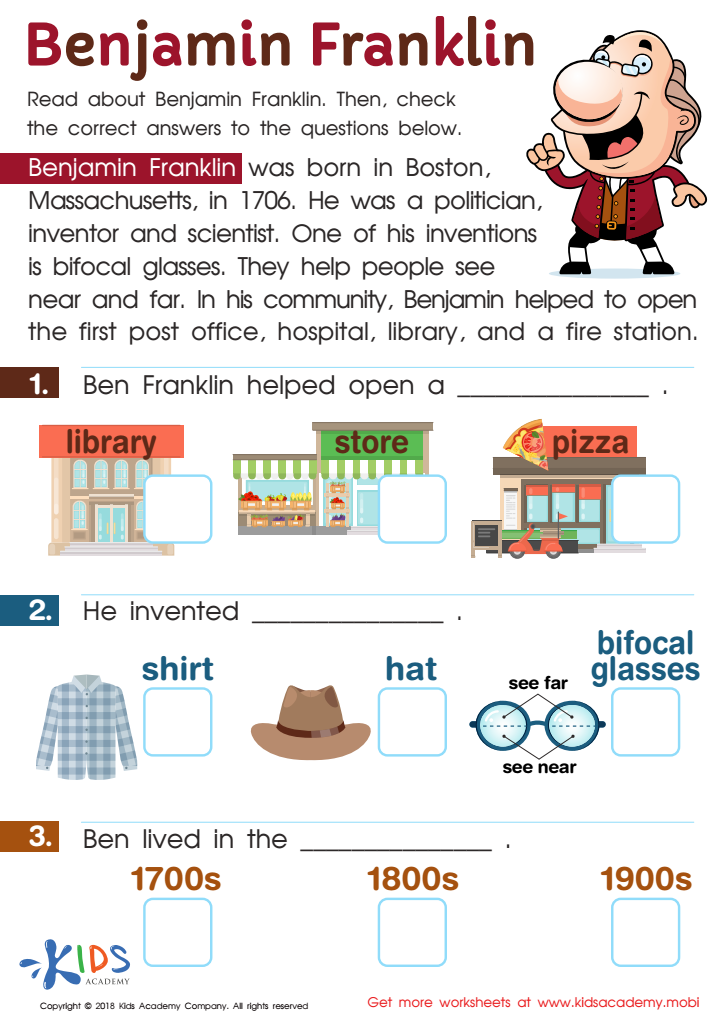
Benjamin Franklin Worksheet
Introduce your kids to one of history's most important figures - Benjamin Franklin! Tell them all about his remarkable contributions to the world and then use this worksheet to teach them even more. Read the text to them and check their answers against the questions afterwards.
Benjamin Franklin Worksheet
Worksheet
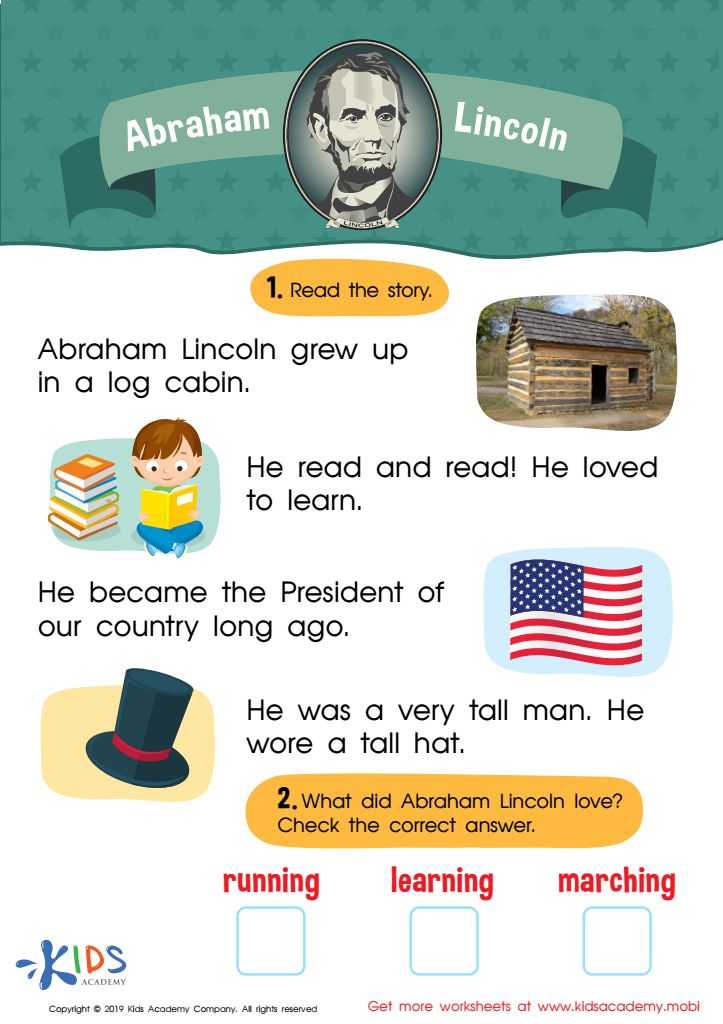
Abraham Lincoln Worksheet
Let your kids listen to interesting stories while having fun! Read the short story in this worksheet, point to the picture representing each sentence, then ask the questions and check the answers. Doing this will help your children learn new things and build their vocabulary.
Abraham Lincoln Worksheet
Worksheet
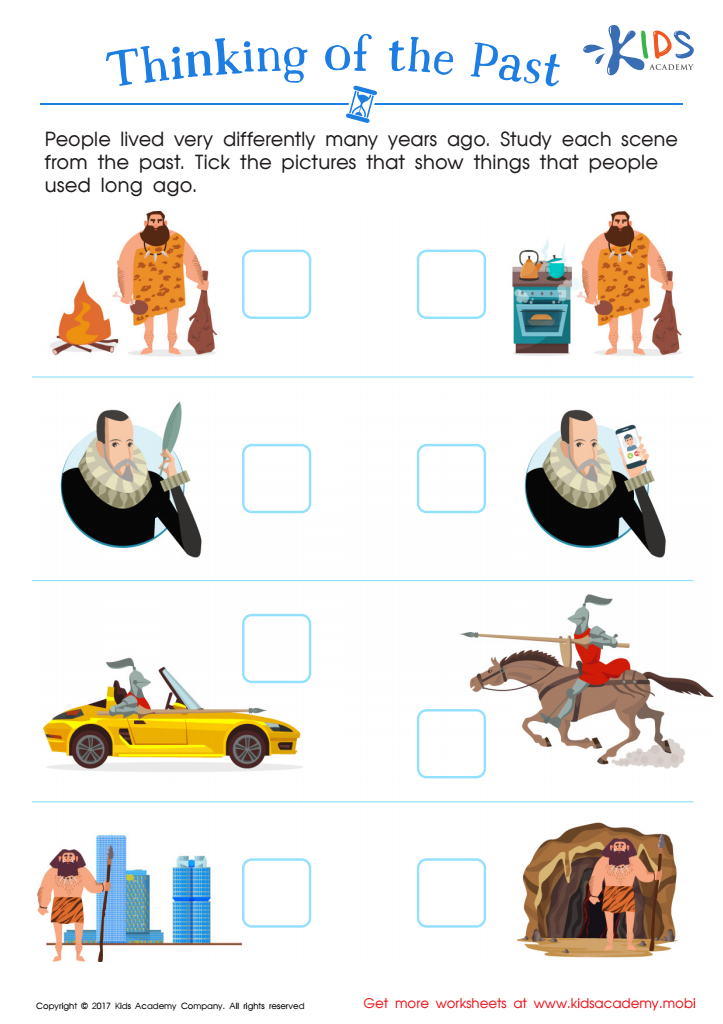
Thinking Past Printable
Bring the past to life for your kid with this fun worksheet! They'll use logic to choose the right answer, learning about different eras and how people lived in them. With a colorful caveman and modern skyscraper side by side, they won't even realize they're building historical knowledge.
Thinking Past Printable
Worksheet
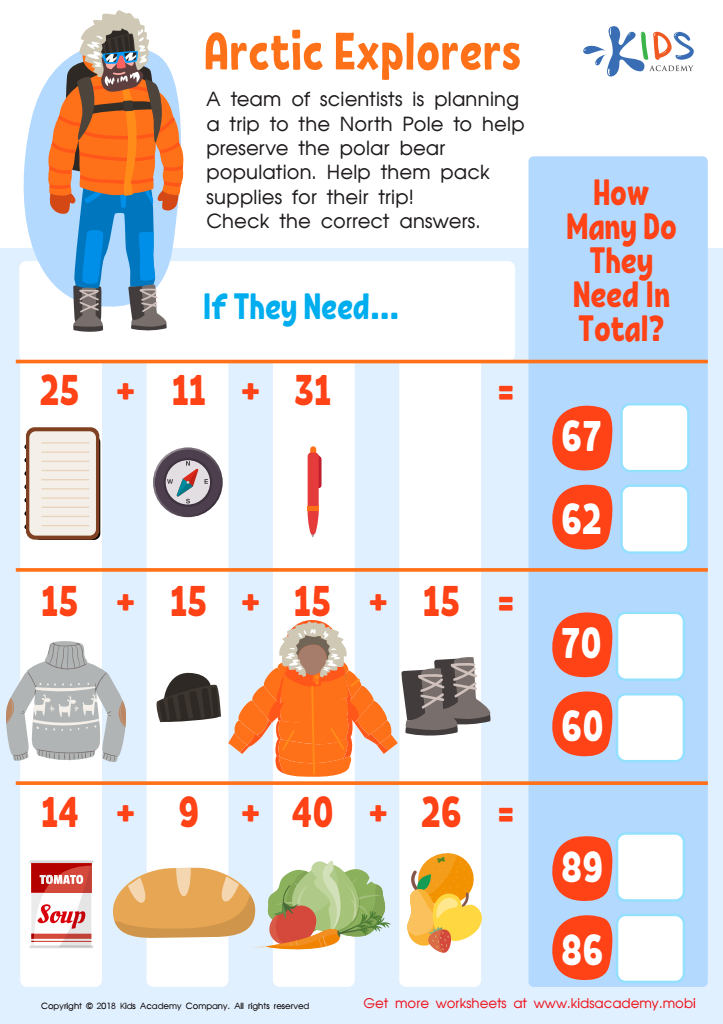
Arctic Explorers Worksheet
Help your child pack supplies for a team of scientists' trip to the North Pole! Before beginning, explain how efforts are needed to protect endangered animals like polar bears. Encourage them to check the correct clothing needed for the extremely cold region. For example, warm and protective clothing is essential.
Arctic Explorers Worksheet
Worksheet
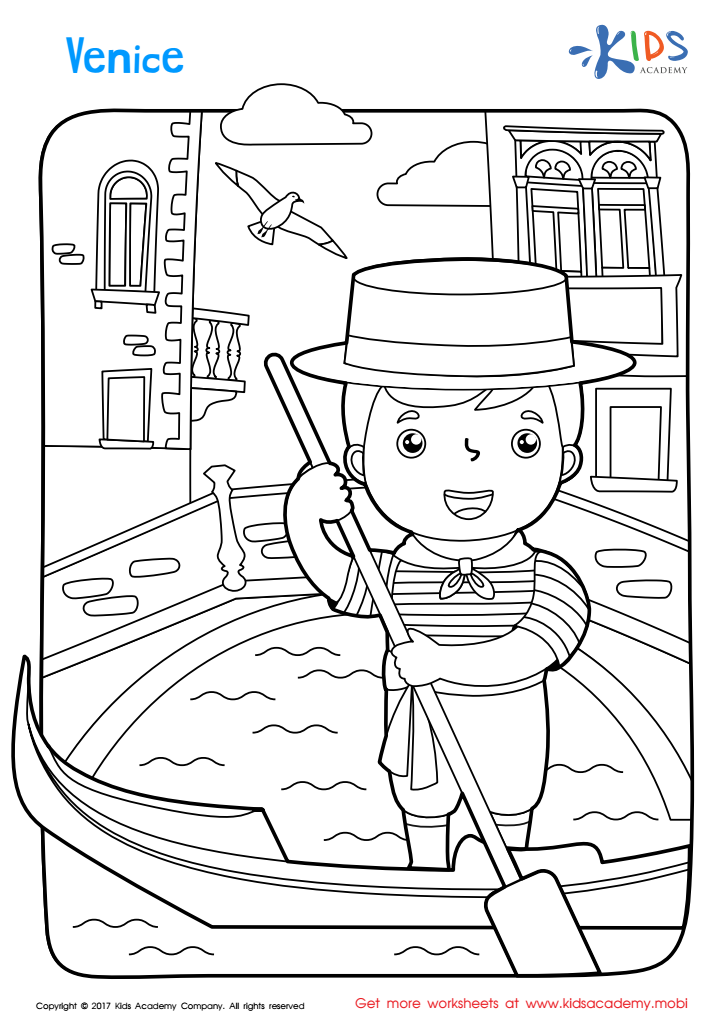
Venice Worksheet
Introduce your child to a remarkable destination with this Venice coloring page worksheet! Color this fascinating page and teach your child more about the history and culture of Venice, Italy. It's a magical experience they won't soon forget!
Download (PDF)
 Assign to My Students
Assign to My Students
Venice Worksheet
Worksheet
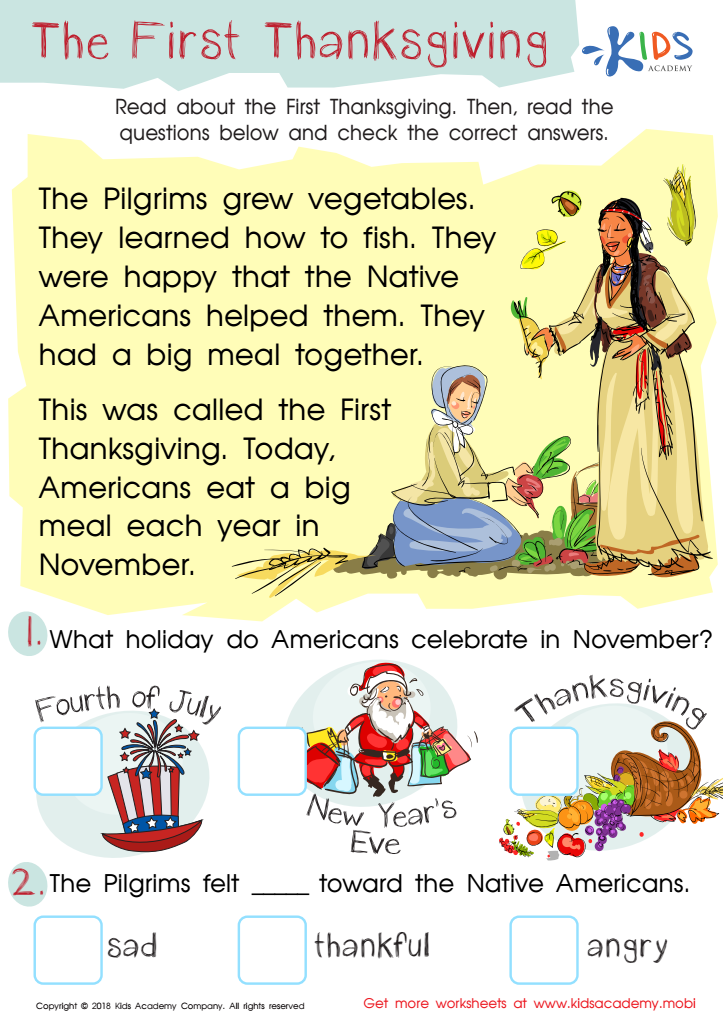
Assessment: First Thanksgiving Worksheet
When the Pilgrims arrived in America in 1620, they met the Native Americans and formed a pact to live in harmony. The Native Americans taught the Pilgrims how to survive in the new land, which helped them celebrate the First Thanksgiving. Read this text to your children and help them answer the questions below.
Assessment: First Thanksgiving Worksheet
Worksheet
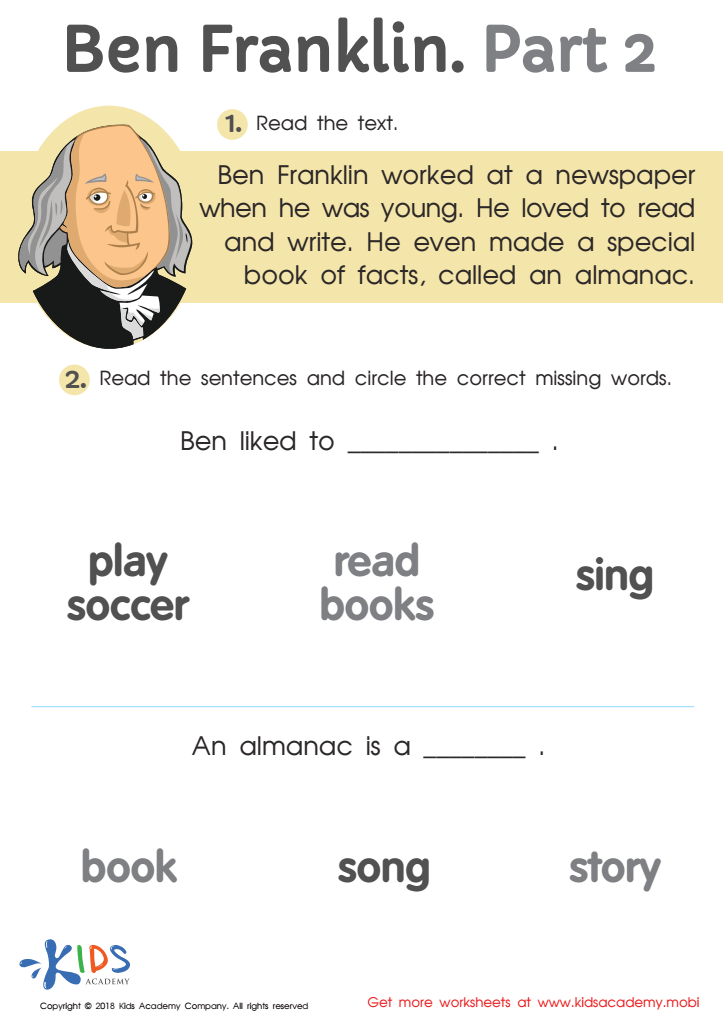
Ben Franklin Part 2 Worksheet
History is filled with great figures, like Benjamin Franklin. Let your kids in on the legacy by introducing them to the founder of the US fire department, diplomat, and inventor. Then, use a worksheet to have them fill in the blanks with the correct word to teach them more. Read the text, then read the sentences and have them circle the missing word.
Ben Franklin Part 2 Worksheet
Worksheet
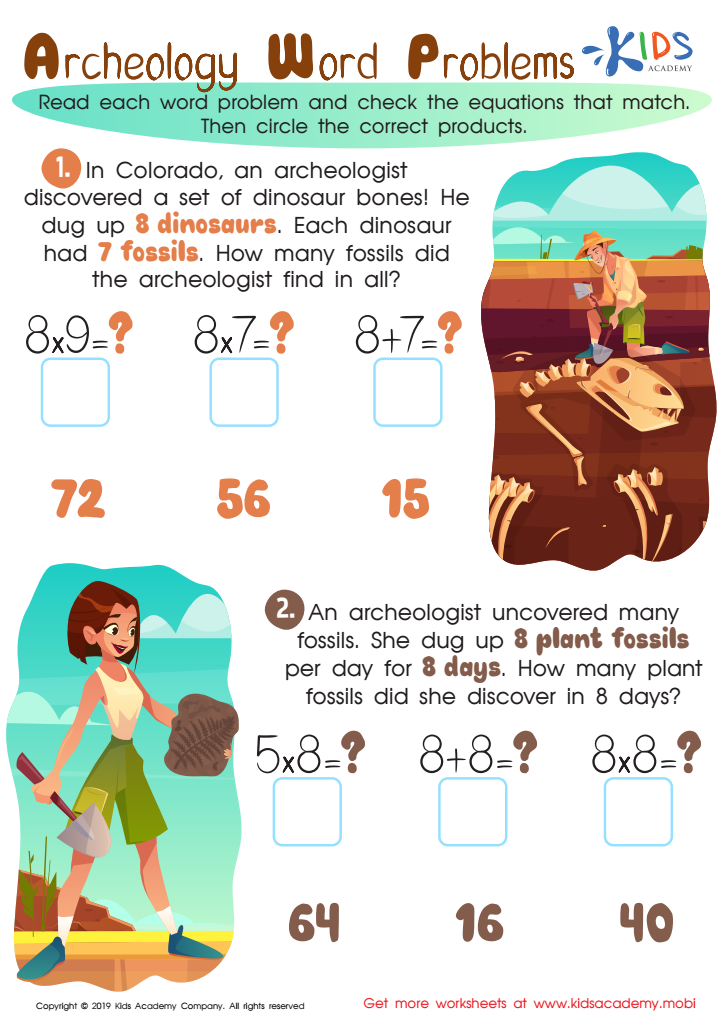
Archeology Word Problems Worksheet
Encourage your child to explore their career options! Show them an archeologist's job with this worksheet - featuring a picture of a dinosaur bone discovery. Read the accompanying text, then solve the word problems. Help your kids circle the correct answers to better understand this profession.
Archeology Word Problems Worksheet
Worksheet
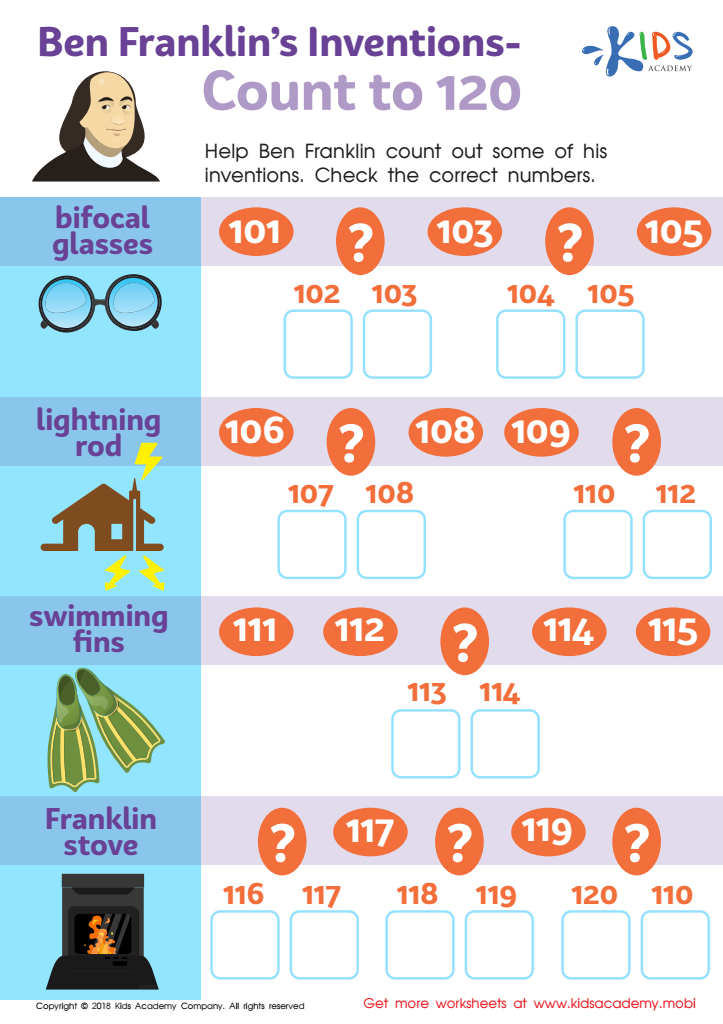
Ben Franklin’s Inventions – Count to 120 Worksheet
Benjamin Franklin is a significant figure in US history. He invented objects we use daily. If your child is interested in object history and invention, they'll love this worksheet. See if they can help Mr Franklin count his inventions and check their answers. It's a simple and enjoyable task!
Ben Franklin’s Inventions – Count to 120 Worksheet
Worksheet
Join Kids Academy for Free
Who is primarily going to use this learning content?





Parents and teachers should care about historical knowledge for children aged 4-7 because it forms the foundation for critical thinking, identity formation, and understanding the world. At this young age, children are naturally curious, and introducing them to history cultivates their imagination and fosters a sense of belonging. By learning about the past, children can connect personal stories and experiences to broader historical contexts, aiding the development of their identity and cultural awareness.
Moreover, early exposure to history encourages empathy by allowing children to comprehend diverse perspectives and experiences through the lens of time. It helps them appreciate differences among cultures, leading to inclusivity and a more accepting mindset. Historical knowledge also sparks interest in stories that shape humanity, encouraging literacy and communication skills through discussions and storytelling activities.
In addition, developing a historical consciousness at a young age sets the stage for lifelong learning and critical inquiry. By nurturing curiosity, educators and parents empower children to ask questions and seek answers about their world, creating informed citizens who can shape their communities positively. Overall, instilling a sense of historical knowledge early on can lead to thoughtful, compassionate, and engaged individuals.








