Phonics practice Normal Worksheets for Ages 4-7
18 filtered results
-
From - To
Enhance your child's reading skills with our Phonics Practice Normal Worksheets designed for ages 4-7! These engaging worksheets make phonics fun and exciting, helping young learners master essential sounds and letter relationships. Our curated activities includeAlphabet recognition, letter blending, and sound manipulation exercises, perfect for nurturing early literacy. Each worksheet fosters confidence and encourages independent practice, making learning enjoyable. Explore a variety of themes and tailored exercises that align with early learning standards. With our phonics worksheets, you can support your child's educational journey while encouraging a love for reading. Download and watch your child thrive as they unlock the world of words!
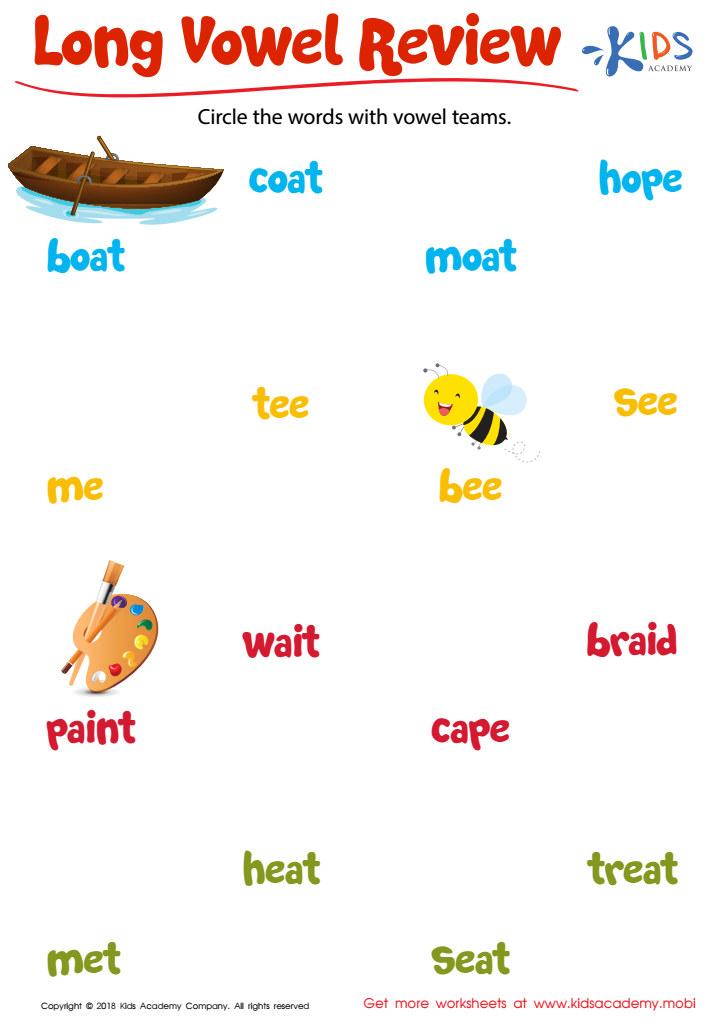
Long Vowel Review Worksheet
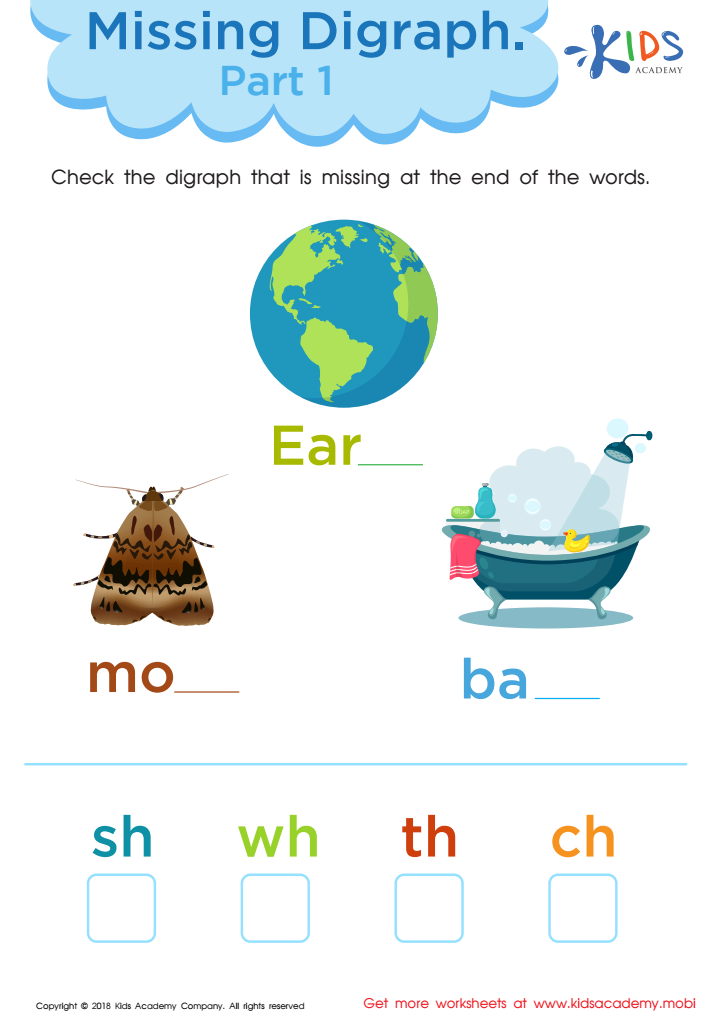
Missing Digraph: Part 1 Worksheet
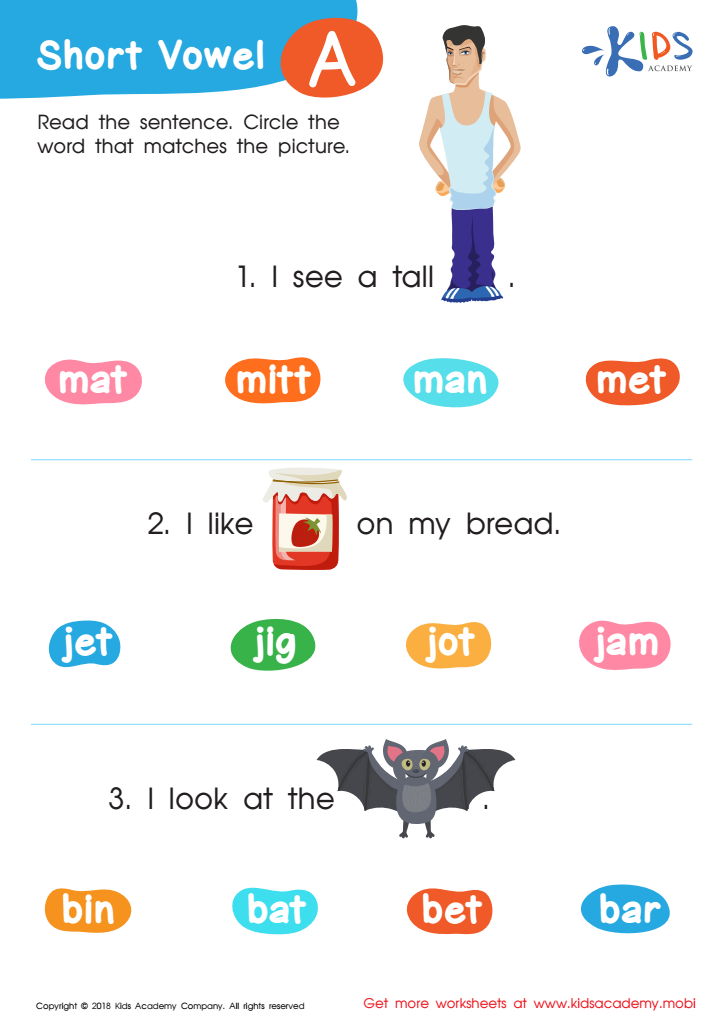
Short Vowel /a/ Worksheet
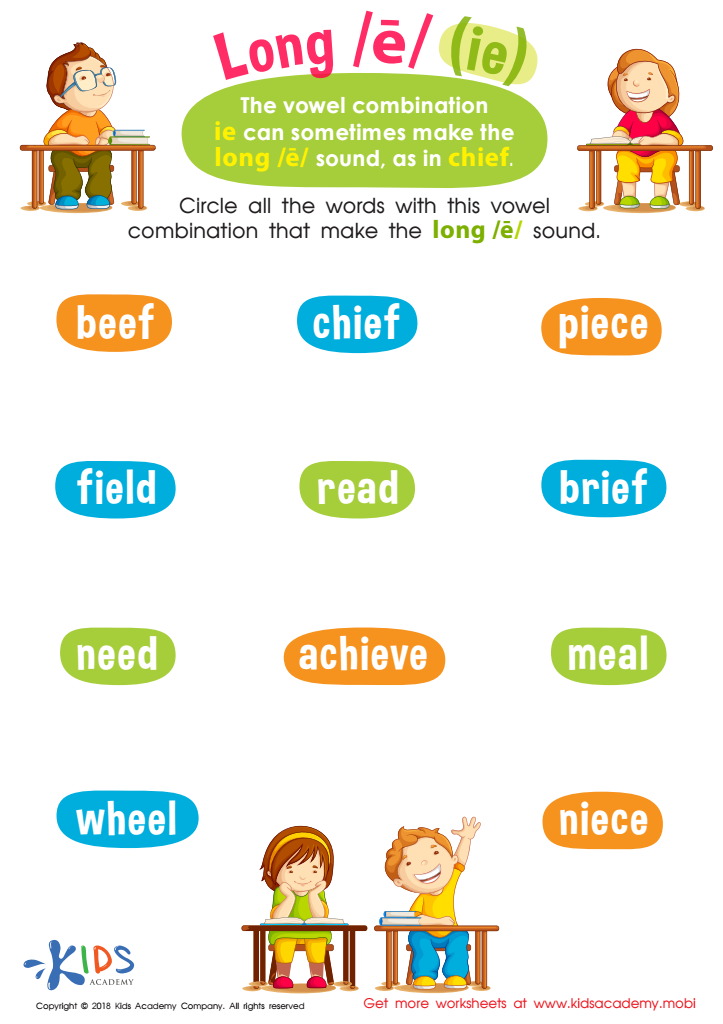
Reading: Long E and IE Worksheet
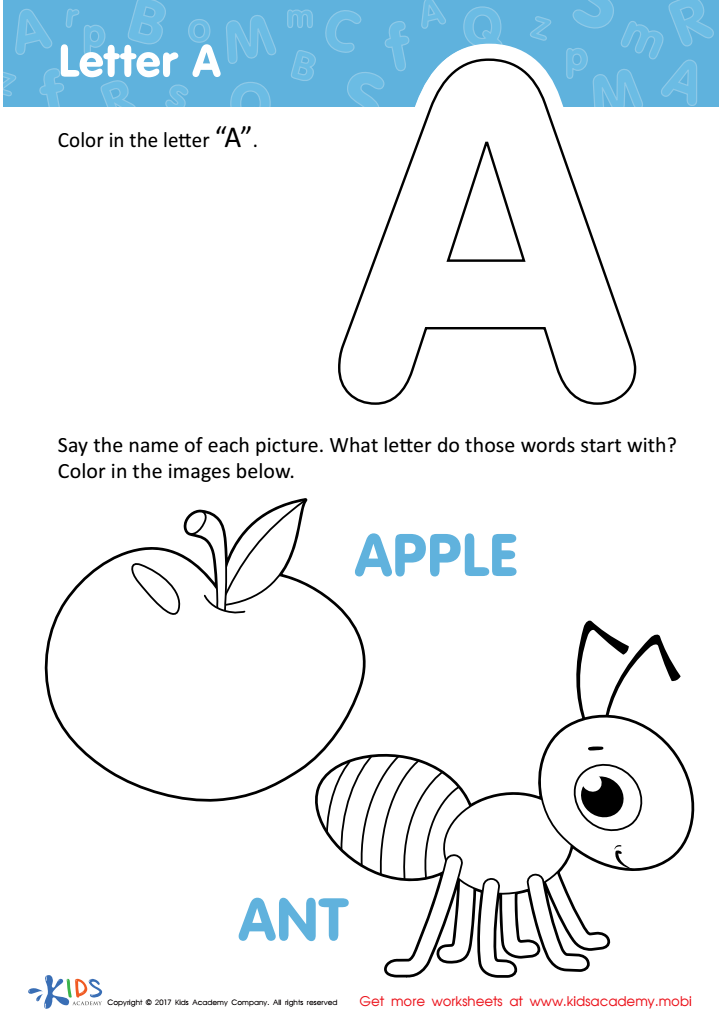
Letter A Coloring Sheet
 Assign to My Students
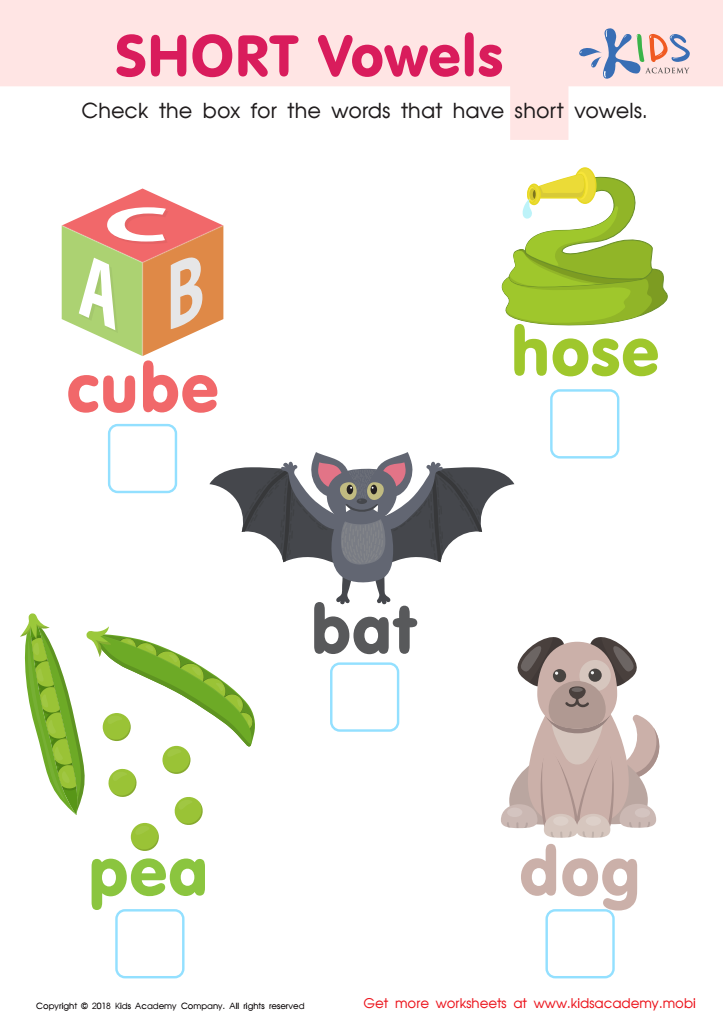
short vowels Worksheet
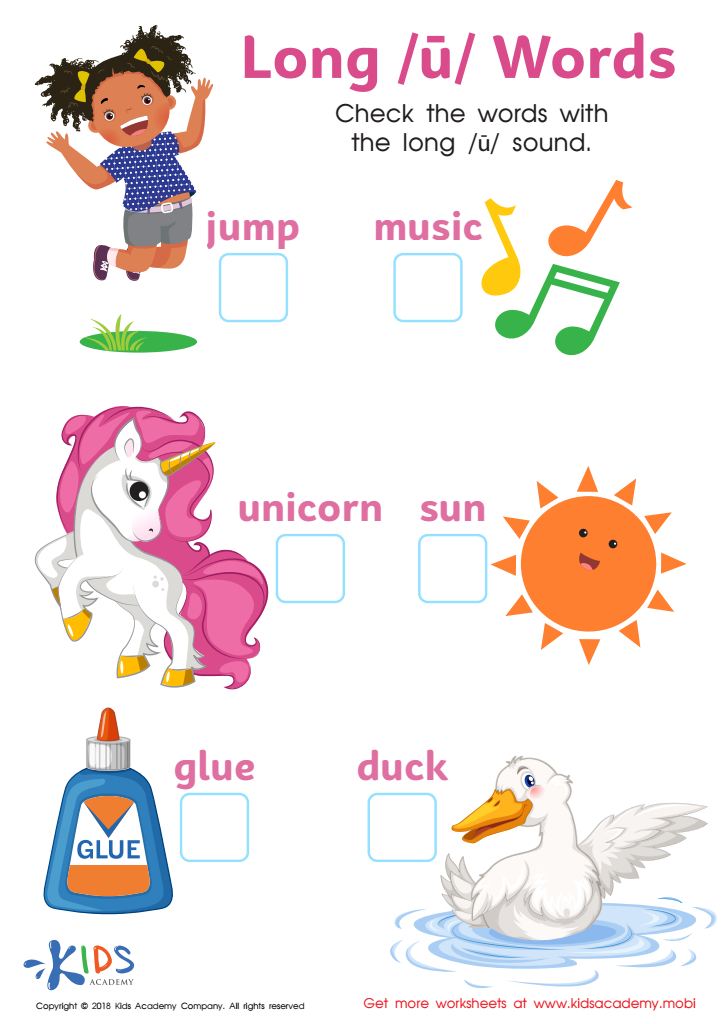
Long U Words Reading Worksheet
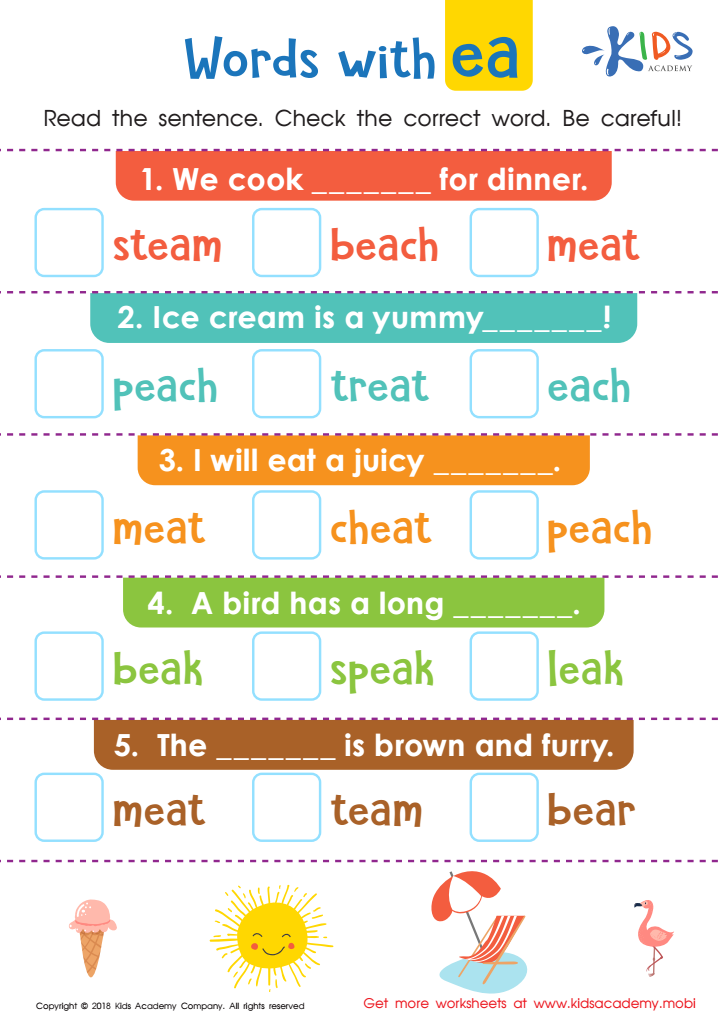
Words with ea Worksheet
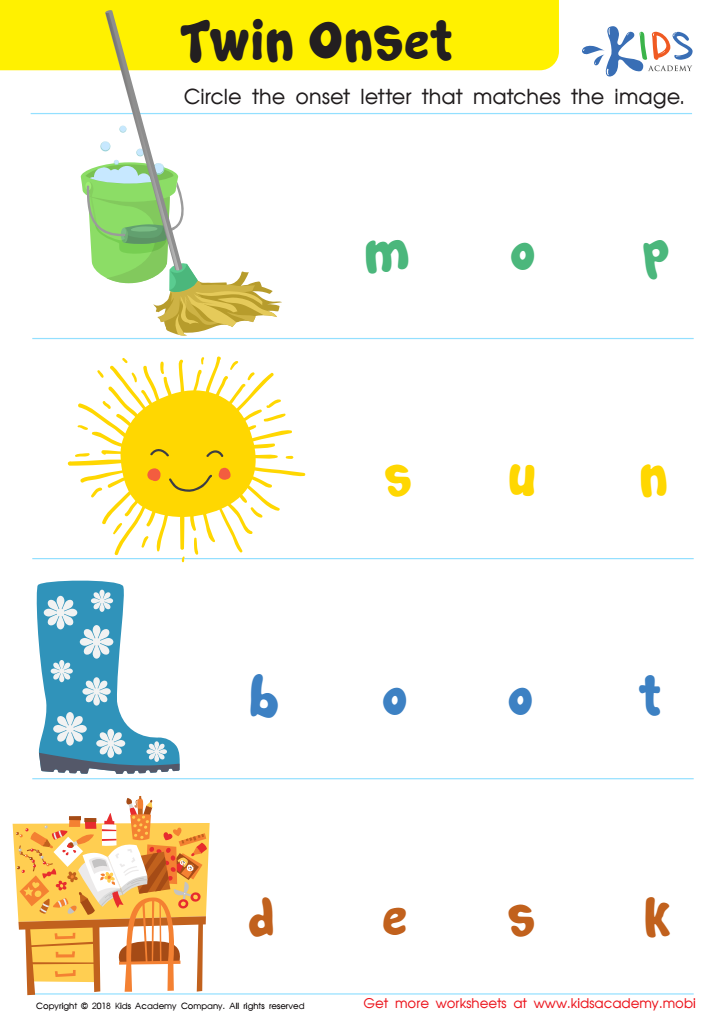
Twin Onset Worksheet
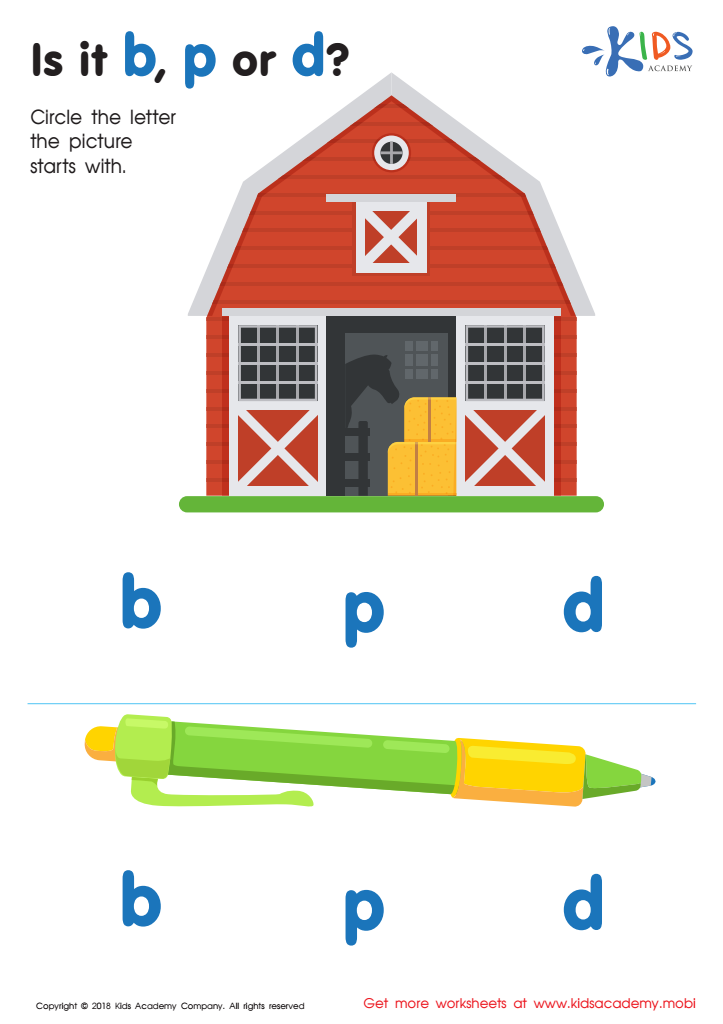
Is it b, p or d? Worksheet
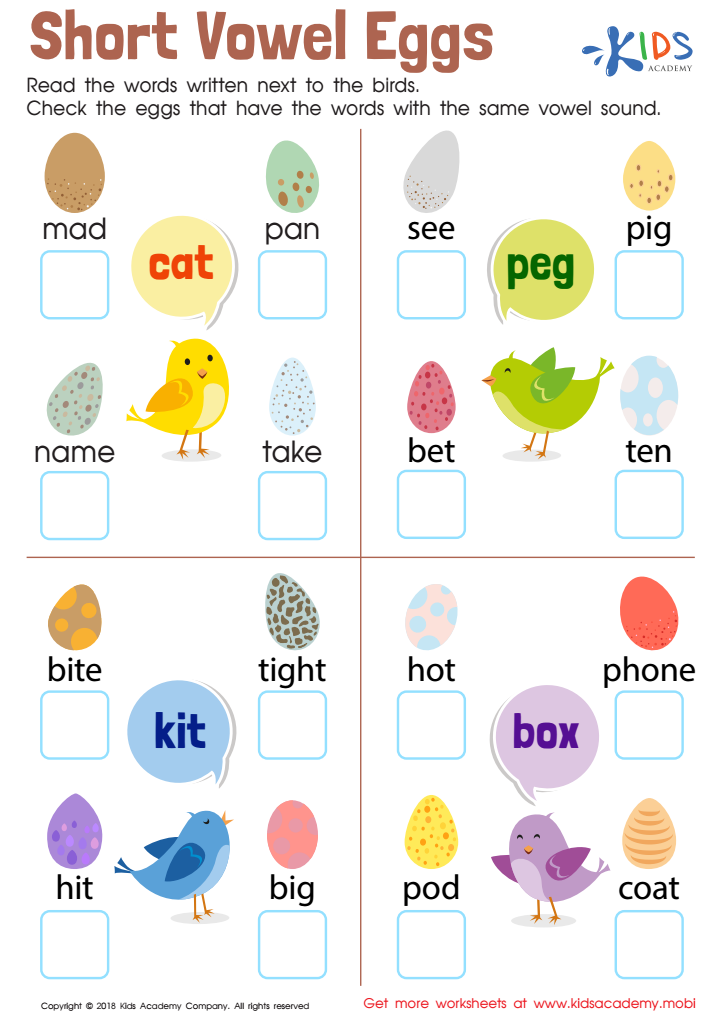
Short Vowel Eggs Worksheet
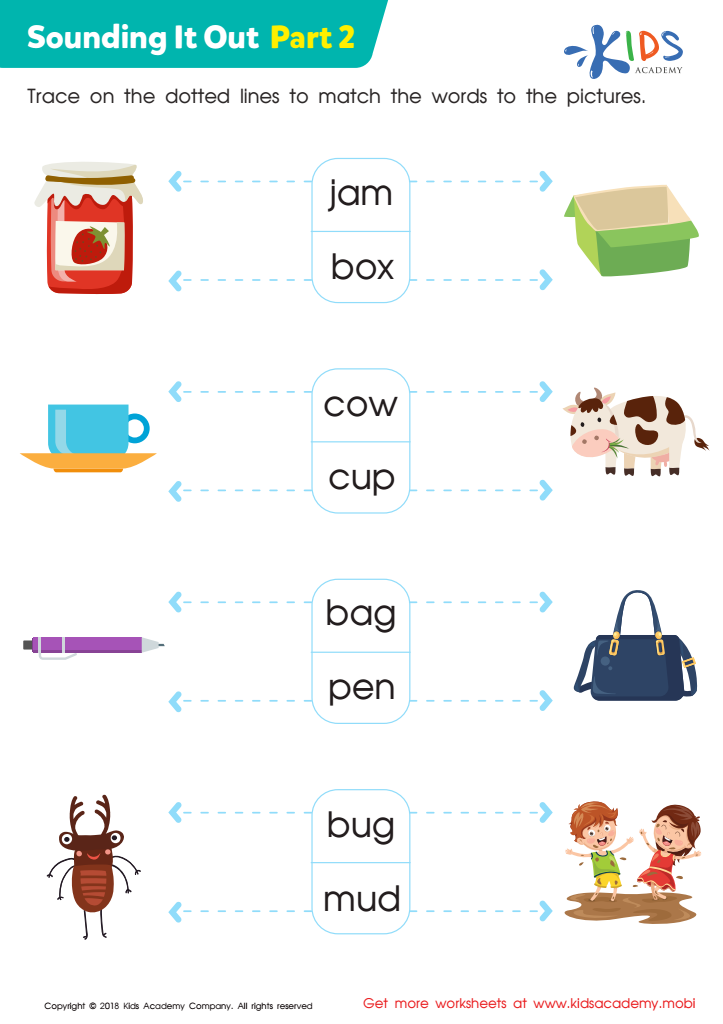
Sounding it Out: Part 2 Worksheet
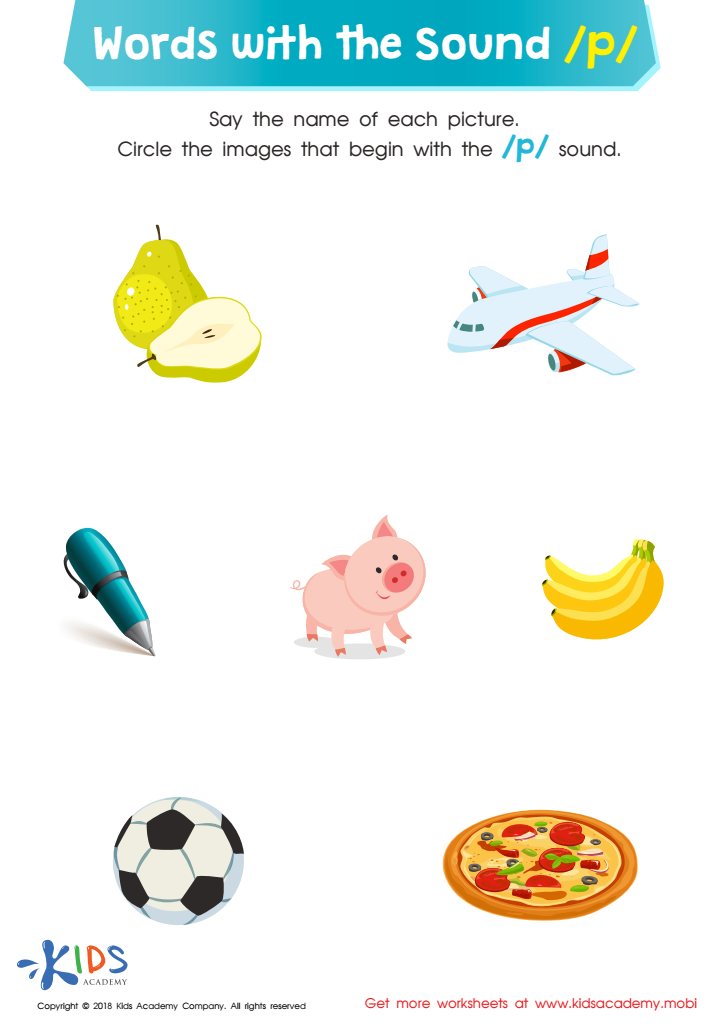
Words with sound p Reading Worksheet
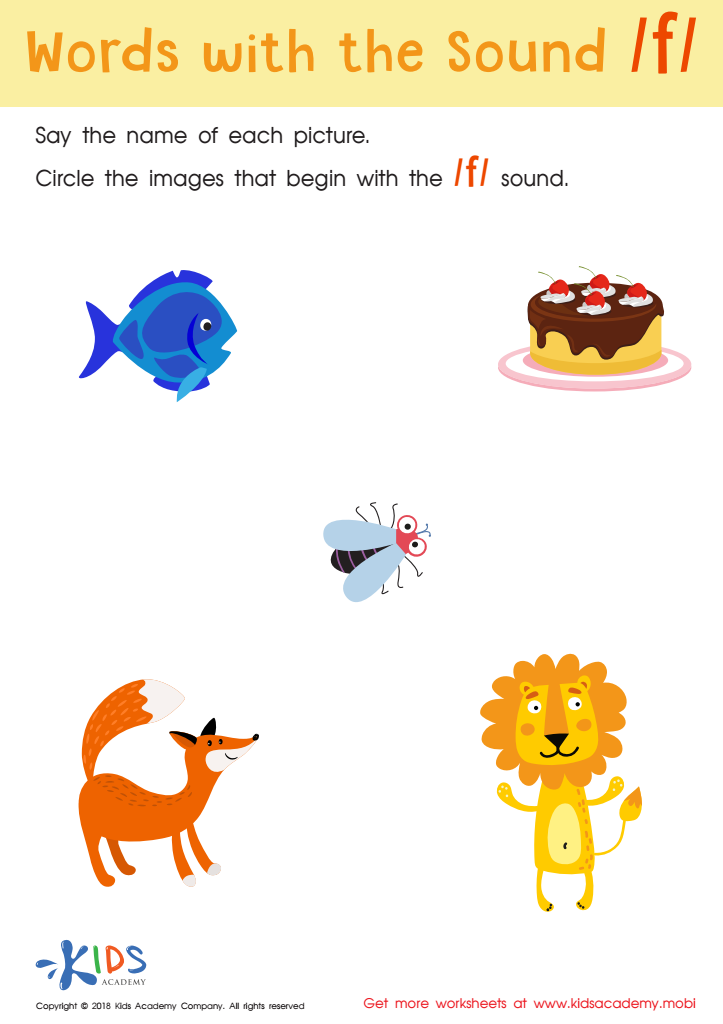
Words with sound f Reading Worksheet
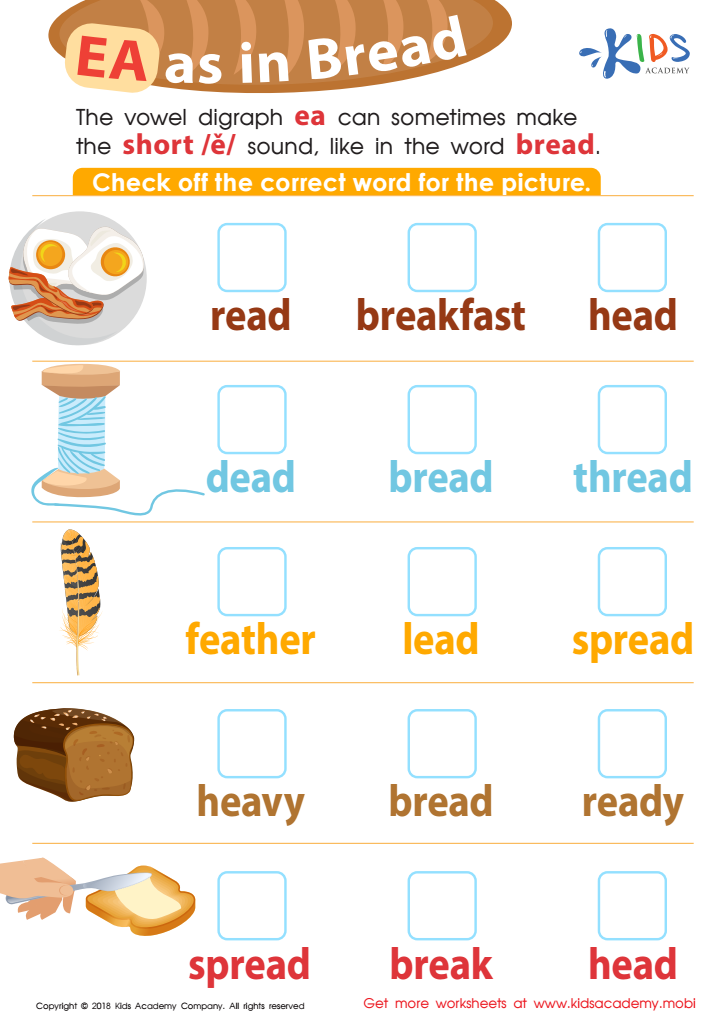
Reading: EA as in Bread Worksheet
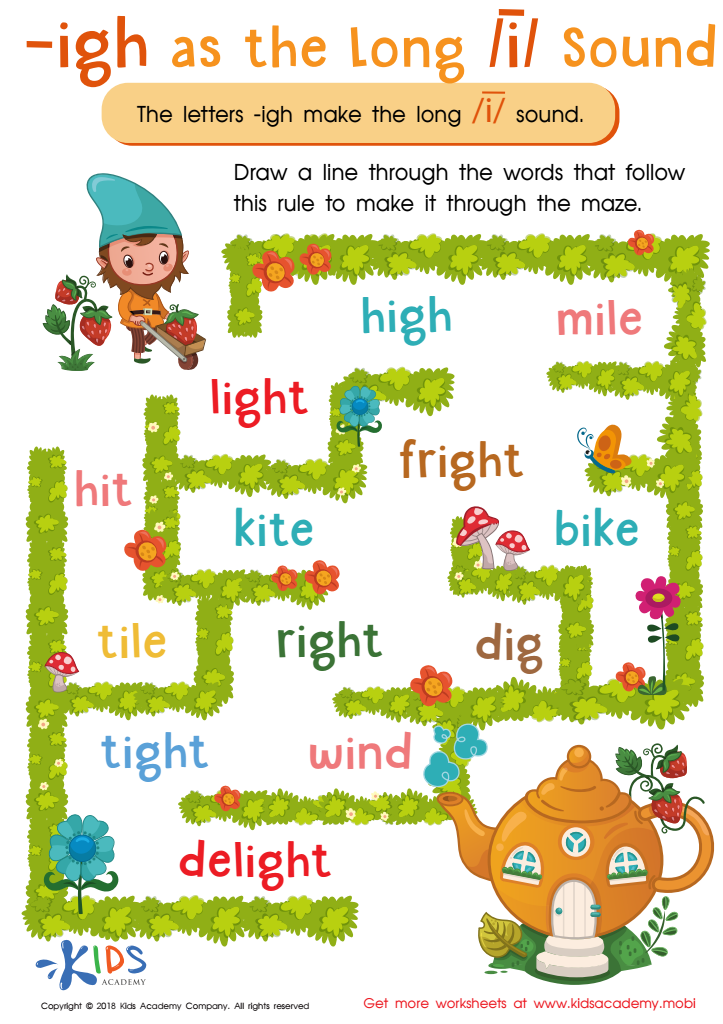
Reading: IGH as Long I Worksheet
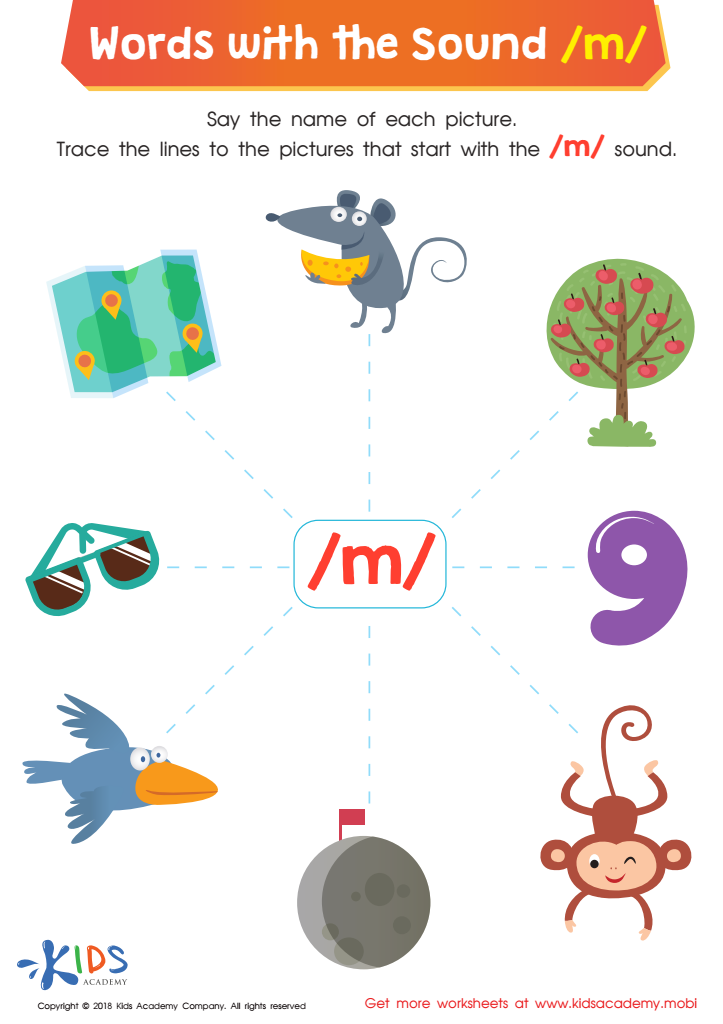
Words with Sound M Reading Worksheet
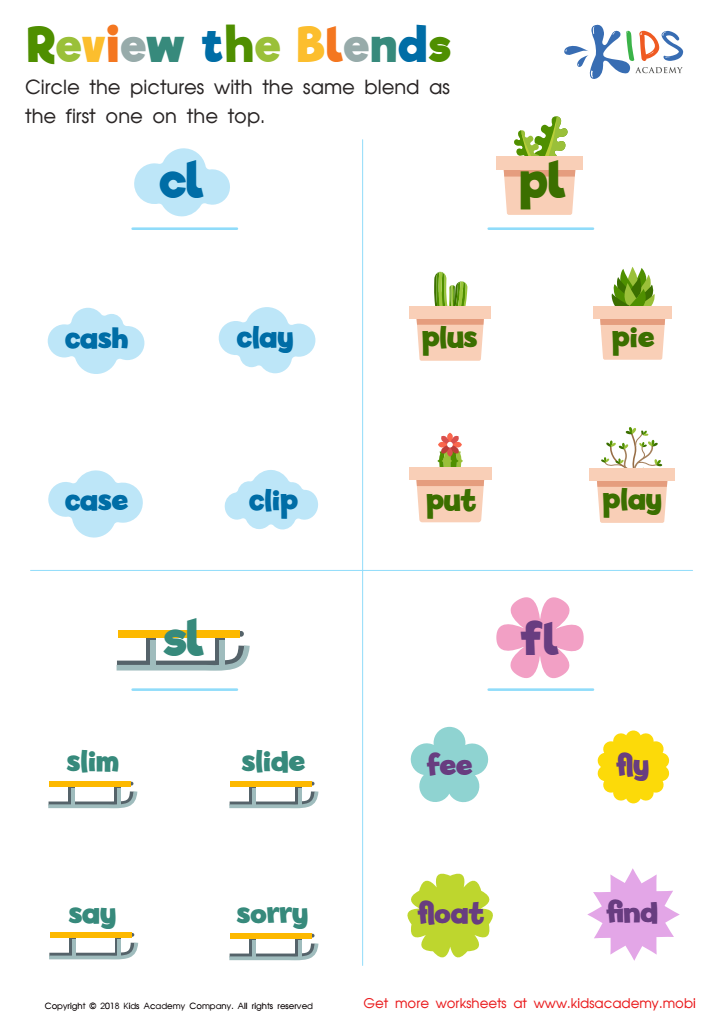
Review the Blends Worksheet








Phonics practice is crucial for children aged 4-7 because it lays the foundation for reading and literacy skills. At this age, children are developing their understanding of the relationship between letters and sounds, which is essential for decoding words. By focusing on phonics, parents and teachers can help children build essential reading skills that promote confidence and a love for reading.
Engaging in phonics practice benefits children by enhancing their ability to recognize words, leading to improved comprehension skills. When children grasp phonics principles, they are better equipped to tackle unfamiliar words and texts, boosting their overall literacy competency.
Moreover, phonics is especially important in these formative years, as it contributes to language development and cognitive growth. According to research, children who receive explicit phonics instruction score higher on reading assessments compared to those who don’t. In addition, phonics practice aids in developing listening and speaking skills, further enriching their language experiences.
For parents and teachers, supporting phonics practice creates a strong pathway for academic success. It fosters a supportive and enriching environment,setting the stage for lifelong learning and literacy, empowering children to become proficient readers and critical thinkers.








