Phonics recognition Normal Worksheets for Ages 4-7
14 filtered results
-
From - To
Our Phonics Recognition Normal Worksheets are expertly designed for children ages 4-7, providing an essential foundation for reading and literacy skills. These engaging and educational worksheets focus on helping young learners identify and understand the sounds that letters make, which is crucial for developing early reading abilities. Through fun activities like matching, tracing, and word-building, kids can confidently grasp phonics concepts at their own pace. Perfect for both classroom and at-home learning, our worksheets support children in their journey to becoming proficient readers. Explore our comprehensive collection today to jump-start your child's phonics recognition skills!
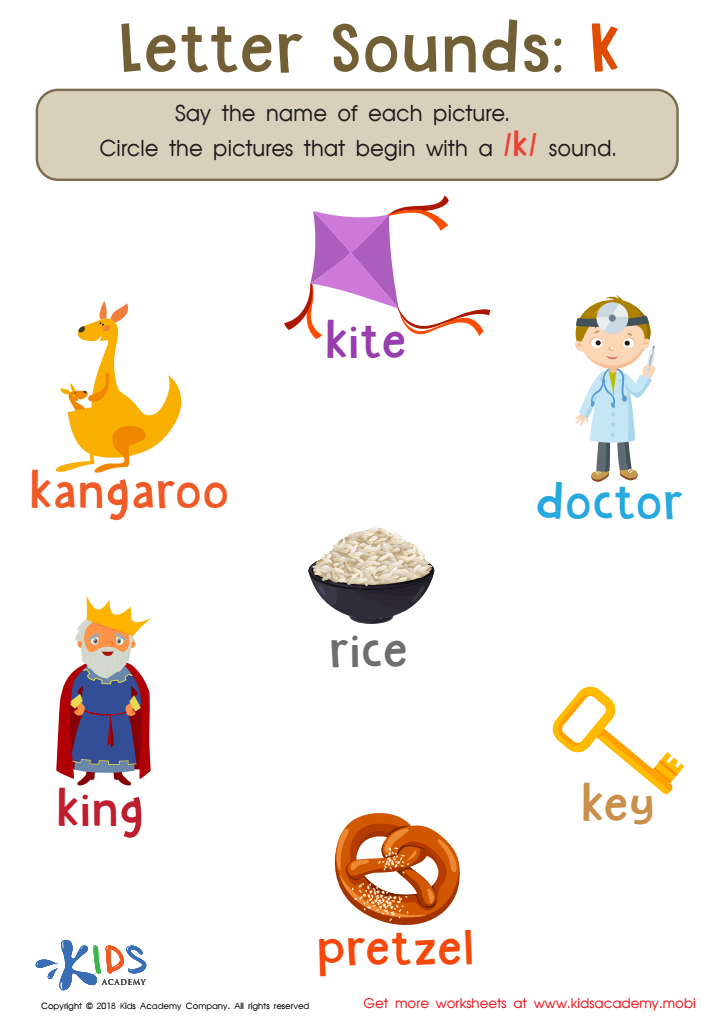
Letter K Sounds Worksheet
 Assign to My Students
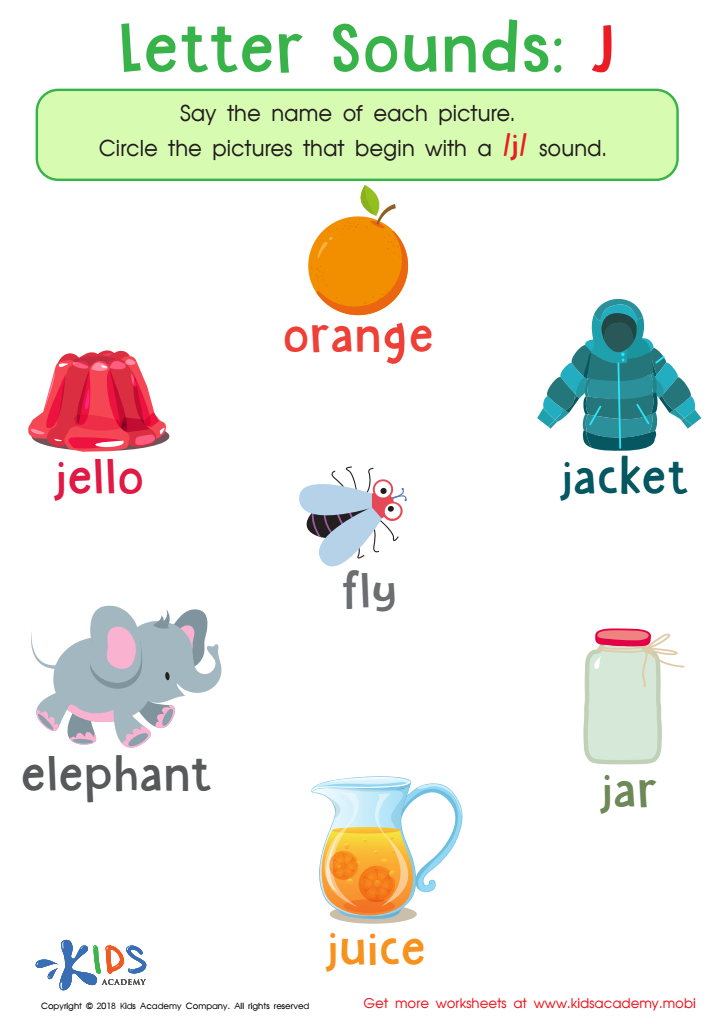
Letter Sounds: J Printable Worksheet
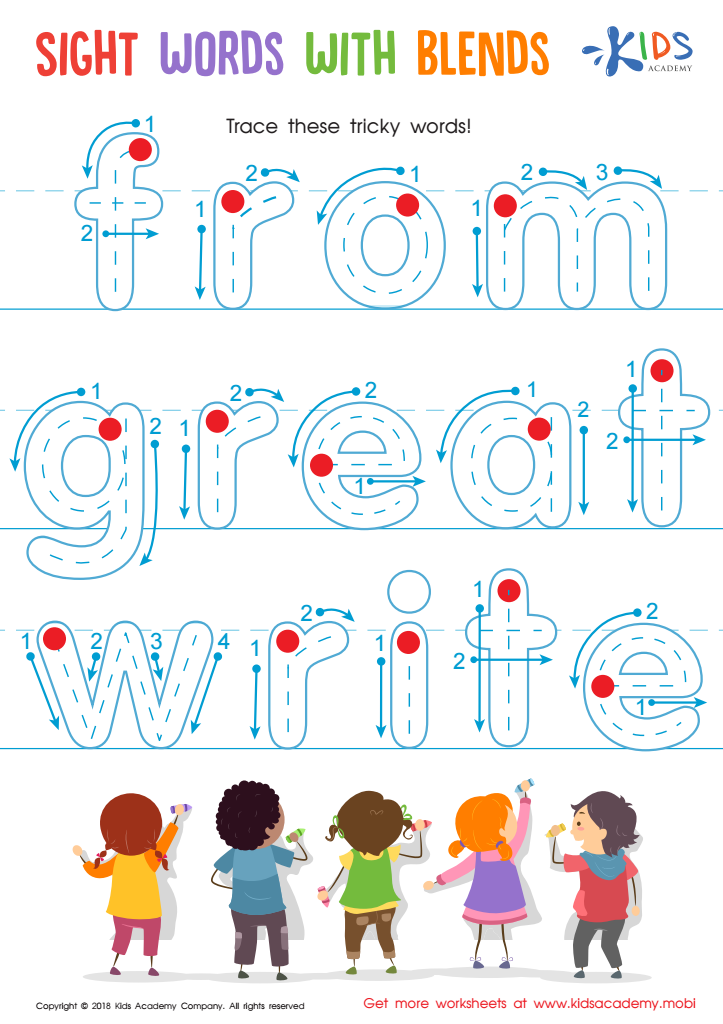
Sight Words with Blends Worksheet
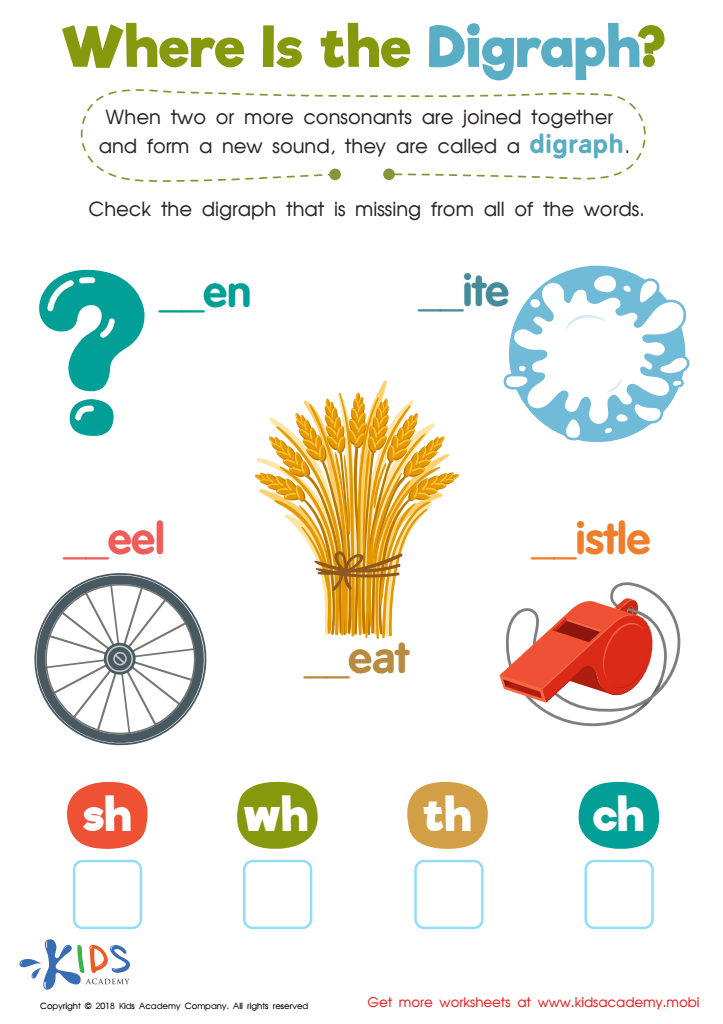
Where Is the Digraph? Worksheet
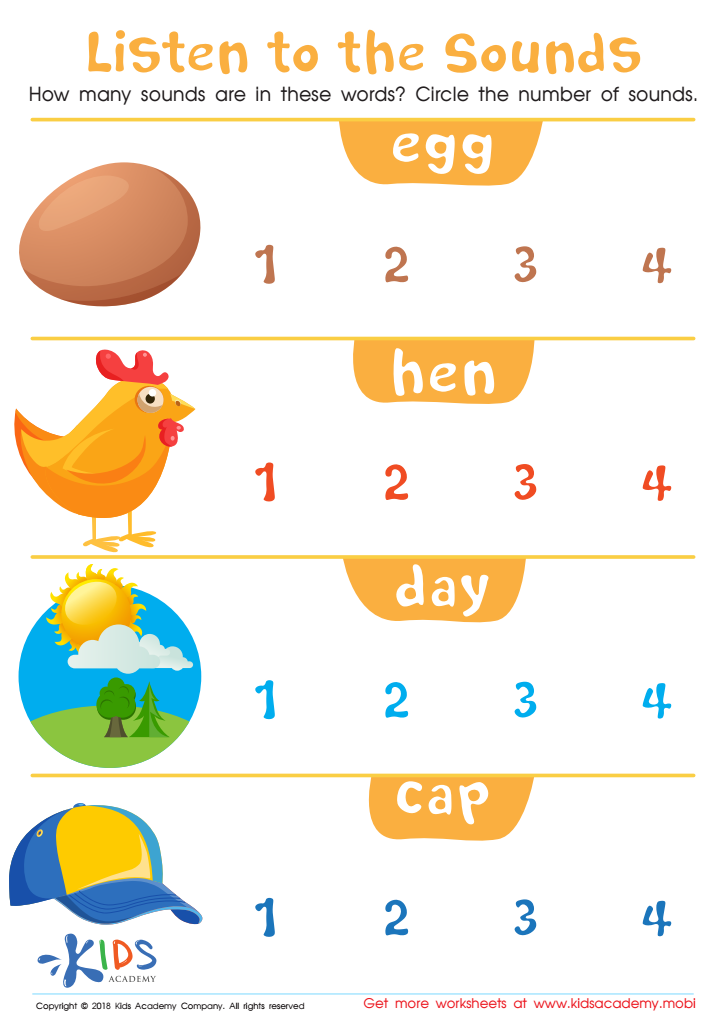
Listen to the Sounds Worksheet
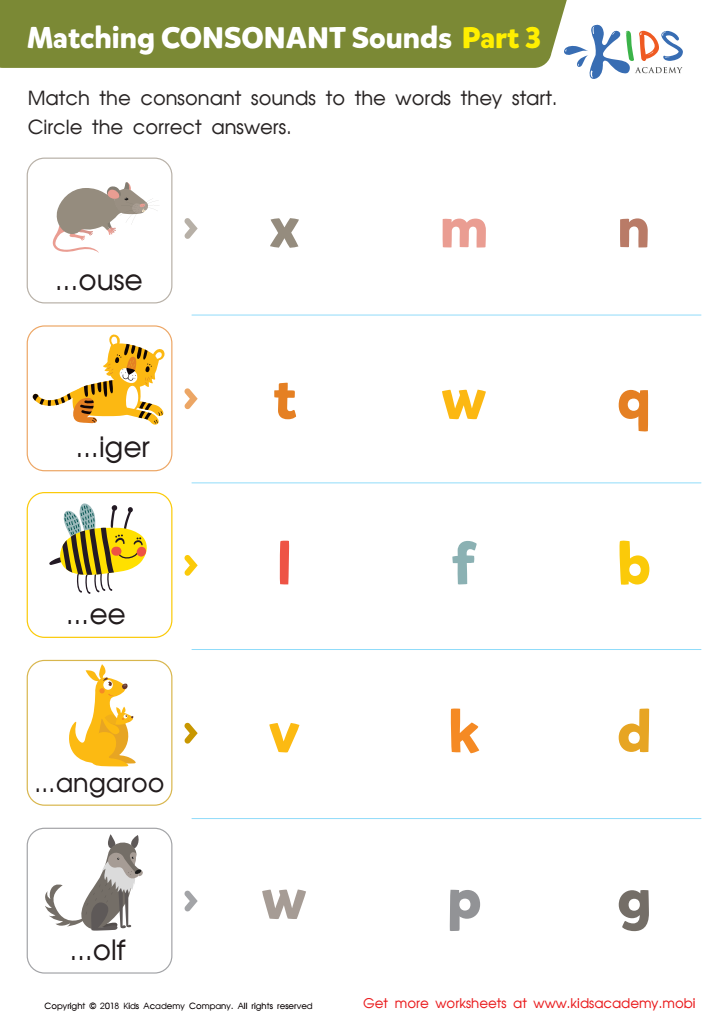
Matching Consonant Sounds: Part 3 Worksheet
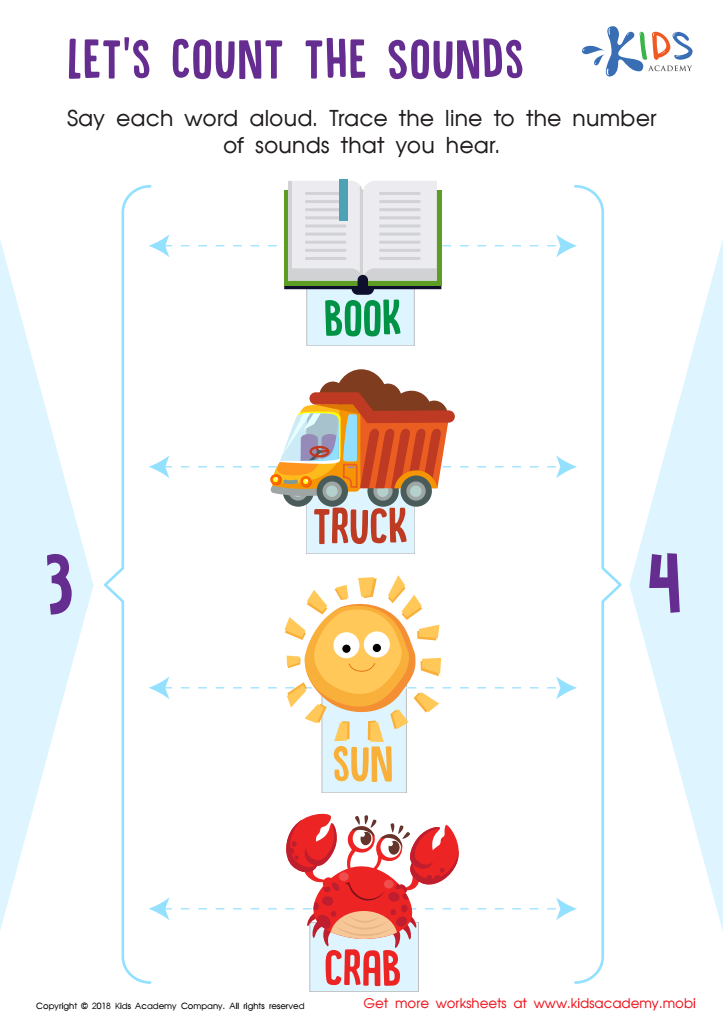
Let's Count the Sounds Worksheet
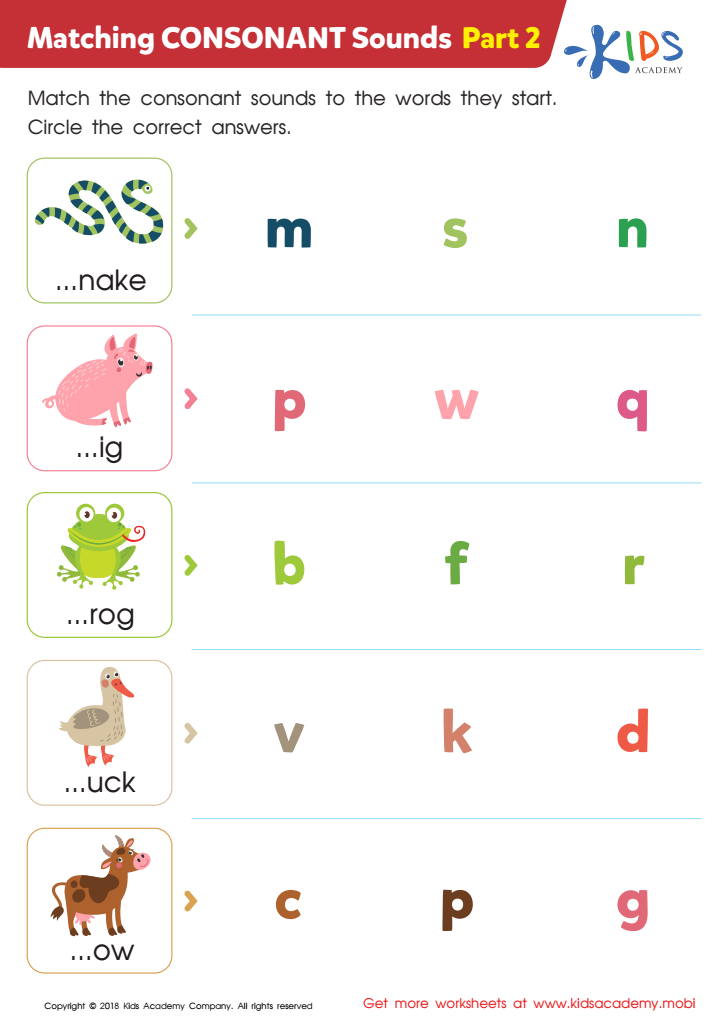
Matching Consonant Sounds: Part 2 Worksheet
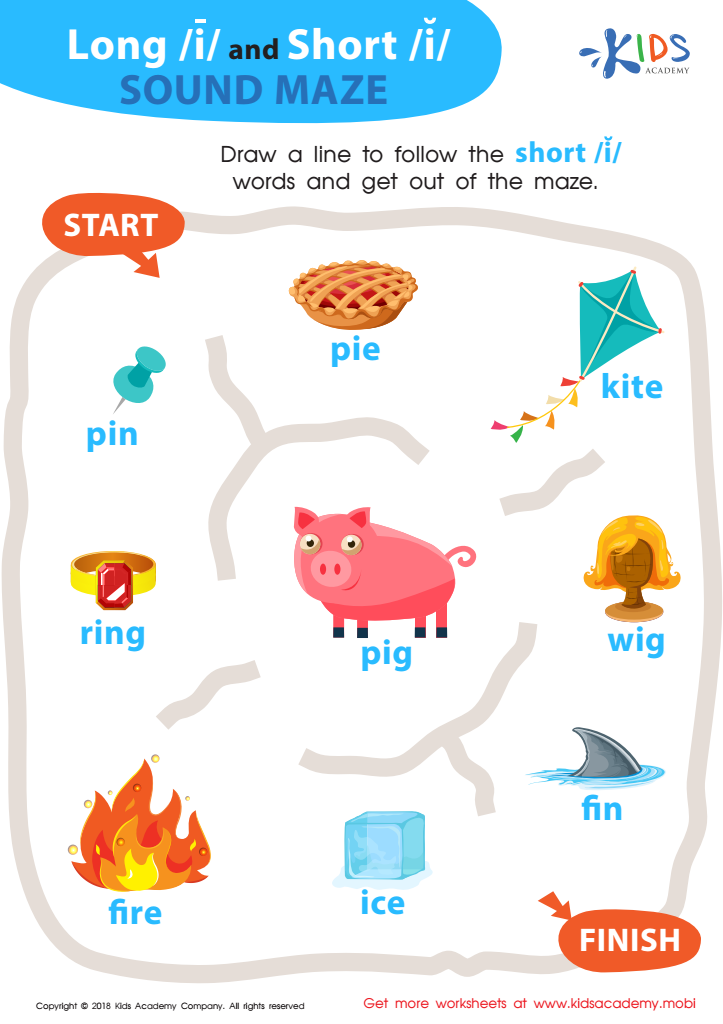
Reading: Long I and Short I Sound Maze Worksheet
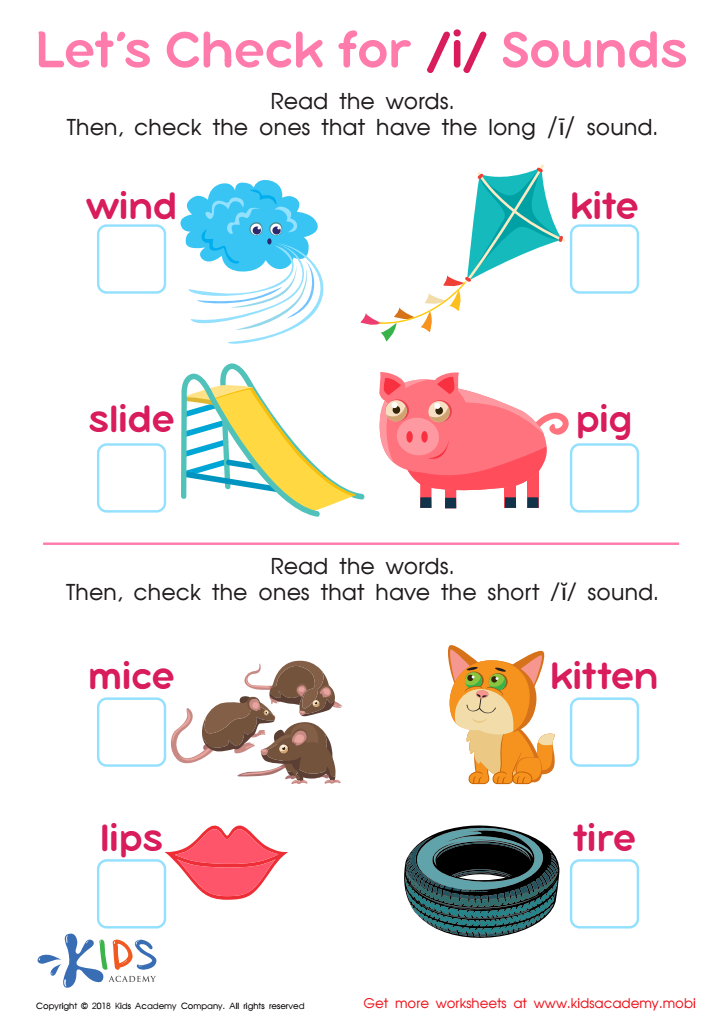
Let's Check for «i» Sounds Worksheet
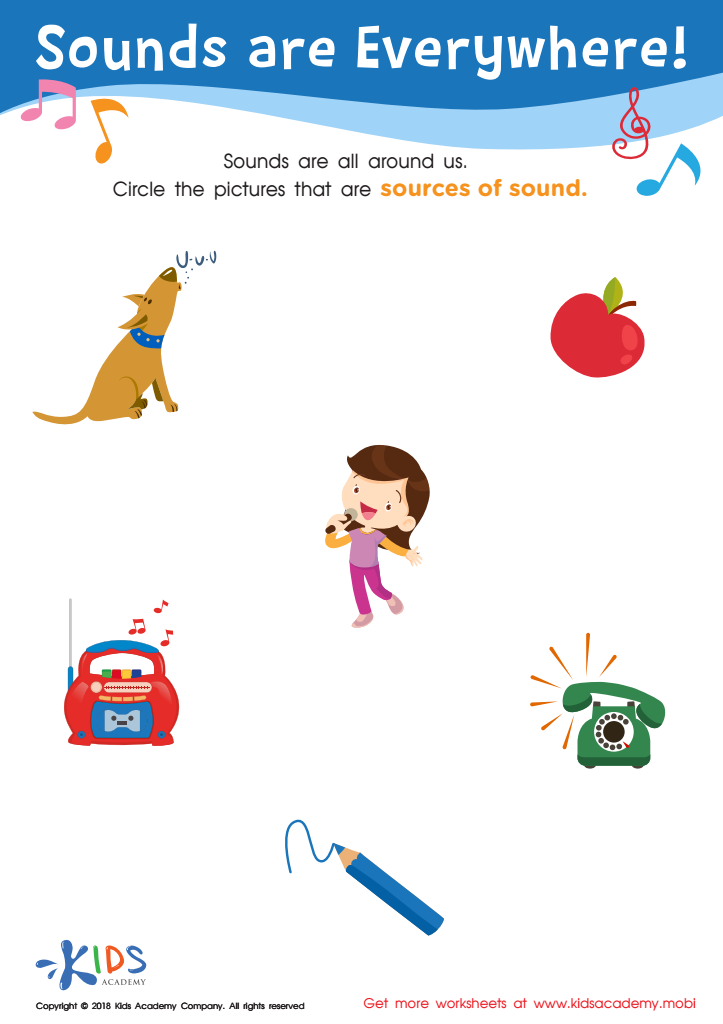
Sounds Are Everywhere! Worksheet
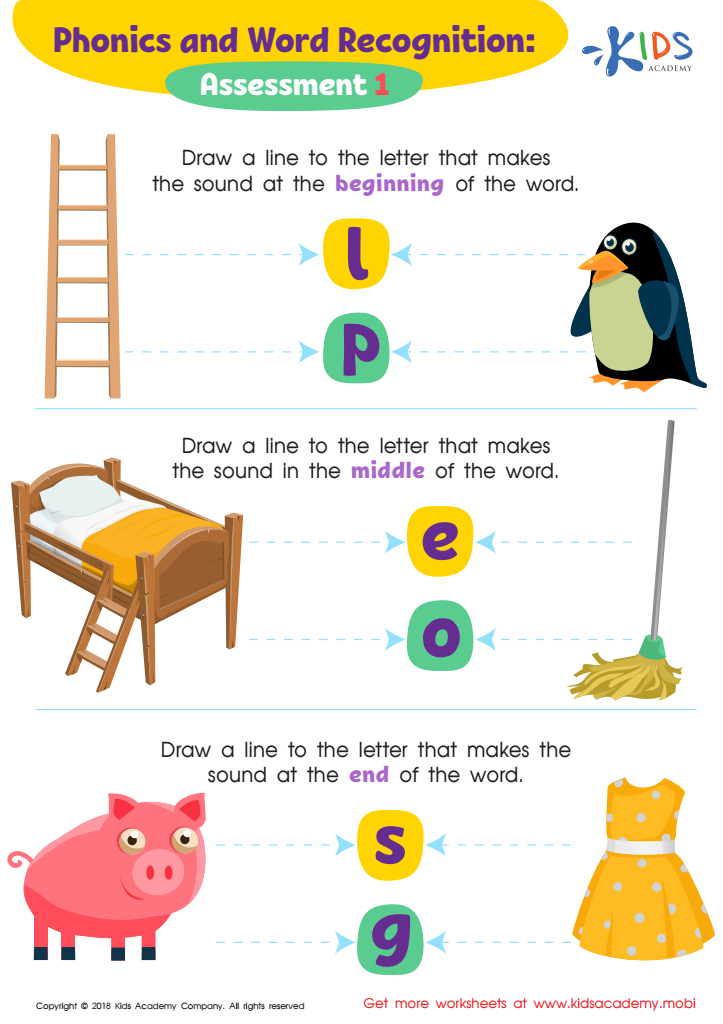
Phonics and Word Recognition: Assessment 1 ELA Worksheet
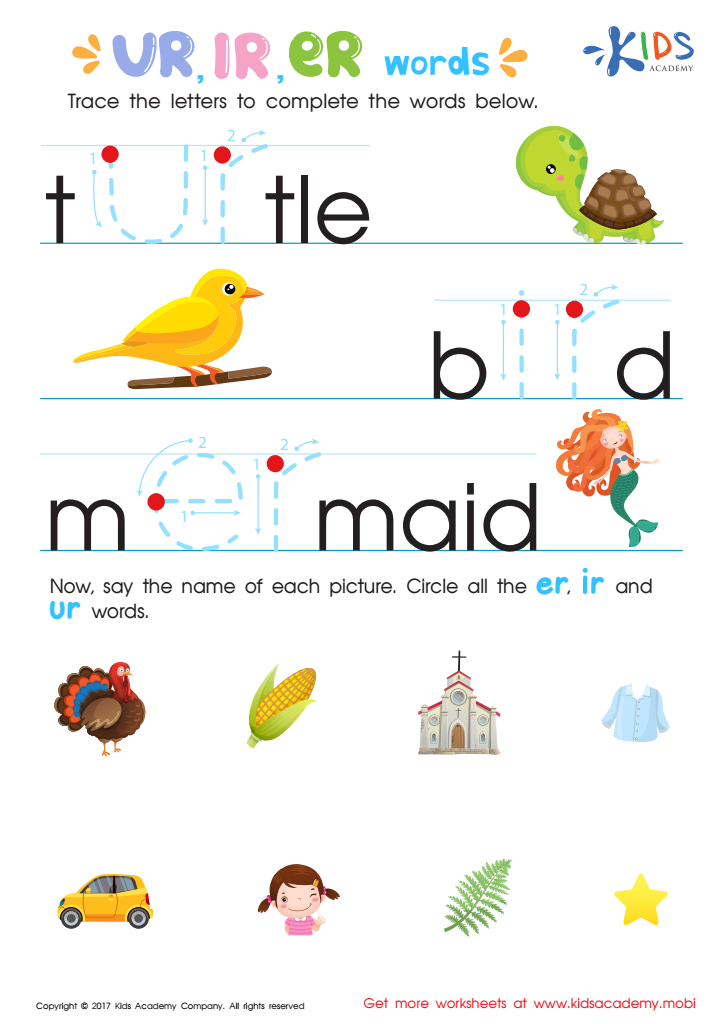
IR UR ER Words Worksheet
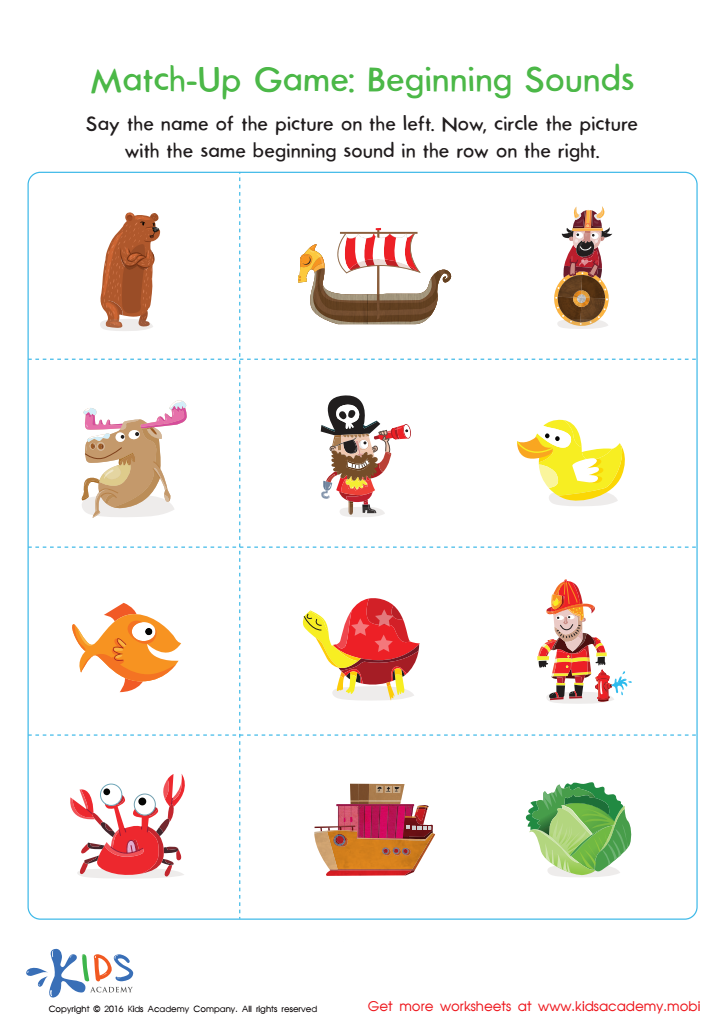
Match–Up Game: Beginning Sounds Worksheet





Phonics recognition is a fundamental component of early literacy development for children ages 4-7. It involves teaching children the relationships between the sounds of spoken language and the letters of written language. This early mastery is crucial for several reasons:
First, phonics recognition significantly boosts reading abilities. By understanding how letters and sounds combine to form words, children can decode new and unfamiliar words more easily, increasing their reading fluency and comprehension skills. This strong reading foundation is essential for academic success in all subjects.
Second, early proficiency in phonics can prevent reading difficulties. Children who struggle with reading often face long-term educational challenges, such as poor academic performance, reduced motivation, and decreased self-esteem. Early intervention through phonics instruction can help mitigate these risks.
Third, phonics instruction supports effective communication skills. As children become more adept readers, they improve their vocabulary, spelling, and writing abilities. These enhancements allow them to express themselves more clearly and accurately, both in academic settings and everyday life.
Parents and teachers should prioritize phonics recognition because it sets a solid groundwork for future learning. By dedicating time and resources to phonics instruction during these formative years, they can foster a love for reading and equip children with the essential skills needed for lifelong learning and success.








