Reading development Normal Worksheets for Ages 4-7
5 filtered results
-
From - To
Welcome to our "Reading Development Normal Worksheets" designed specifically for children aged 4-7! These engaging worksheets aim to foster early literacy skills through fun and interactive activities. Your child will explore letter recognition, phonics, vocabulary building, and simple reading comprehension tasks, all while developing essential reading habits. With colorful illustrations and age-appropriate exercises, our worksheets make learning enjoyable and accessible. Ideal for both home and classroom settings, these resources support educators and parents in nurturing young readers. Help your child become a confident reader today with our specially crafted materials tailored for their developmental needs!
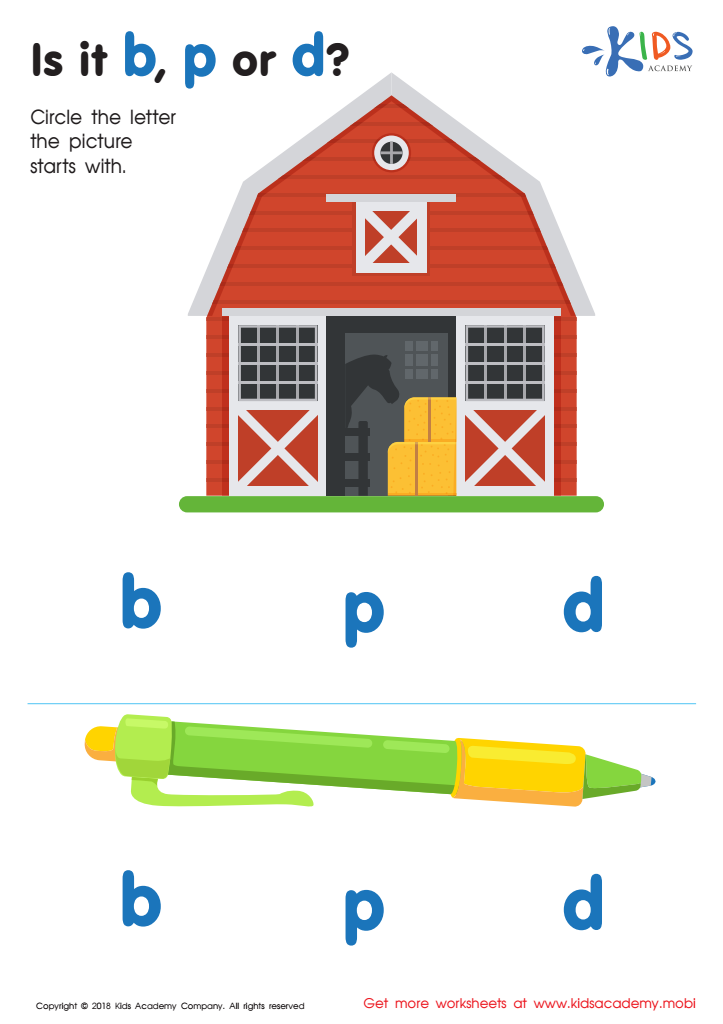
Is it b, p or d? Worksheet
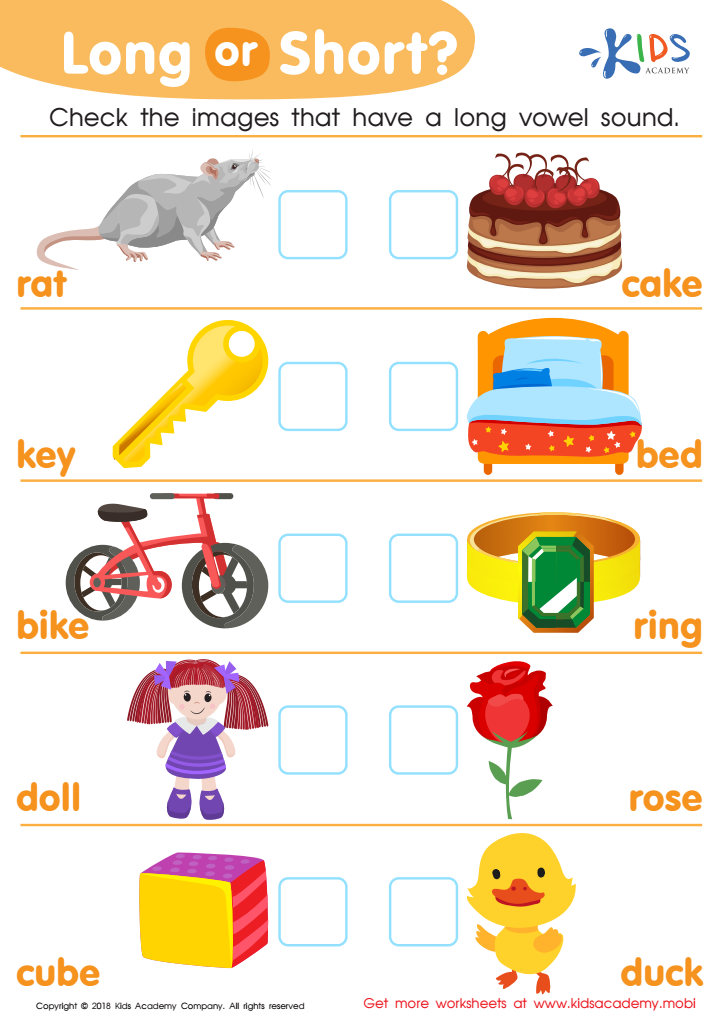
Long or Short Reading Worksheet
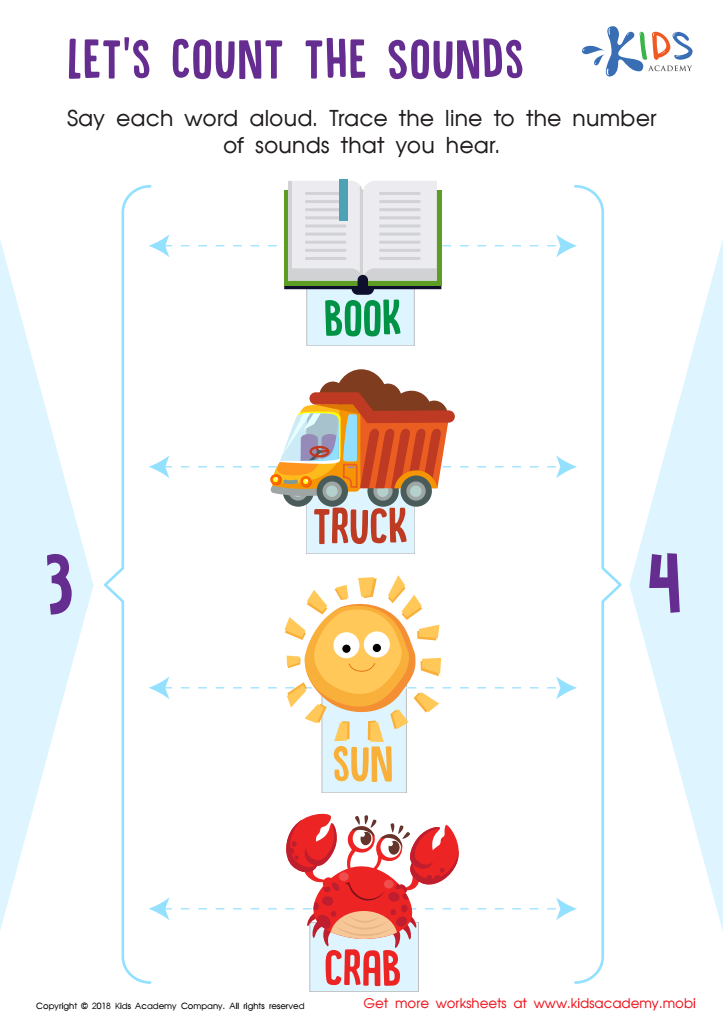
Let's Count the Sounds Worksheet
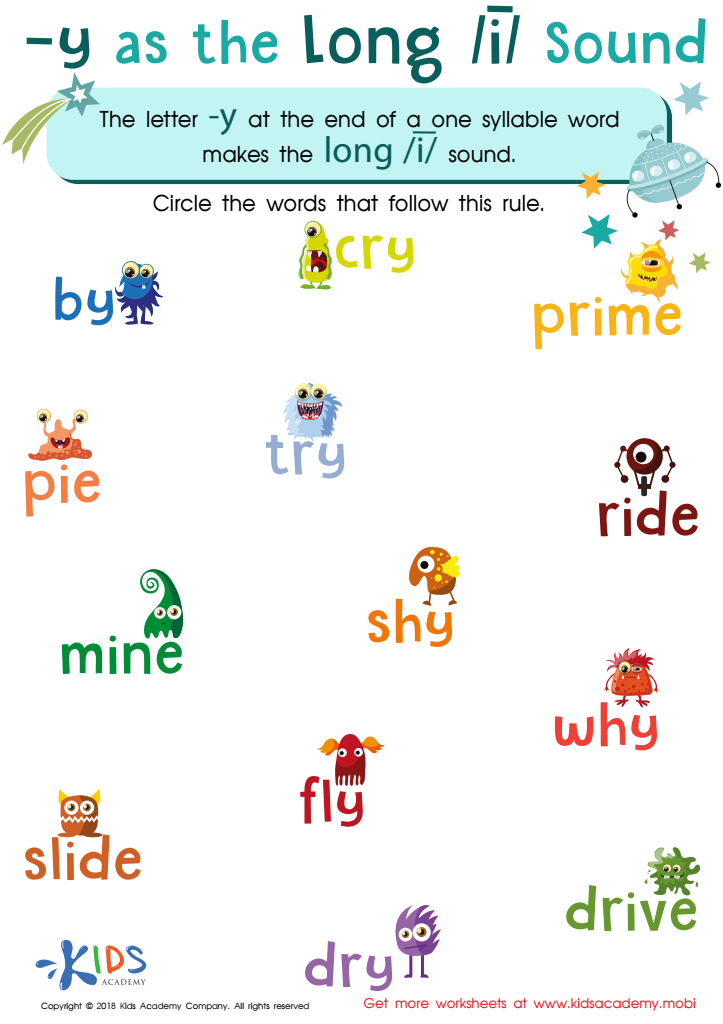
Reading: Y as Long I Worksheet
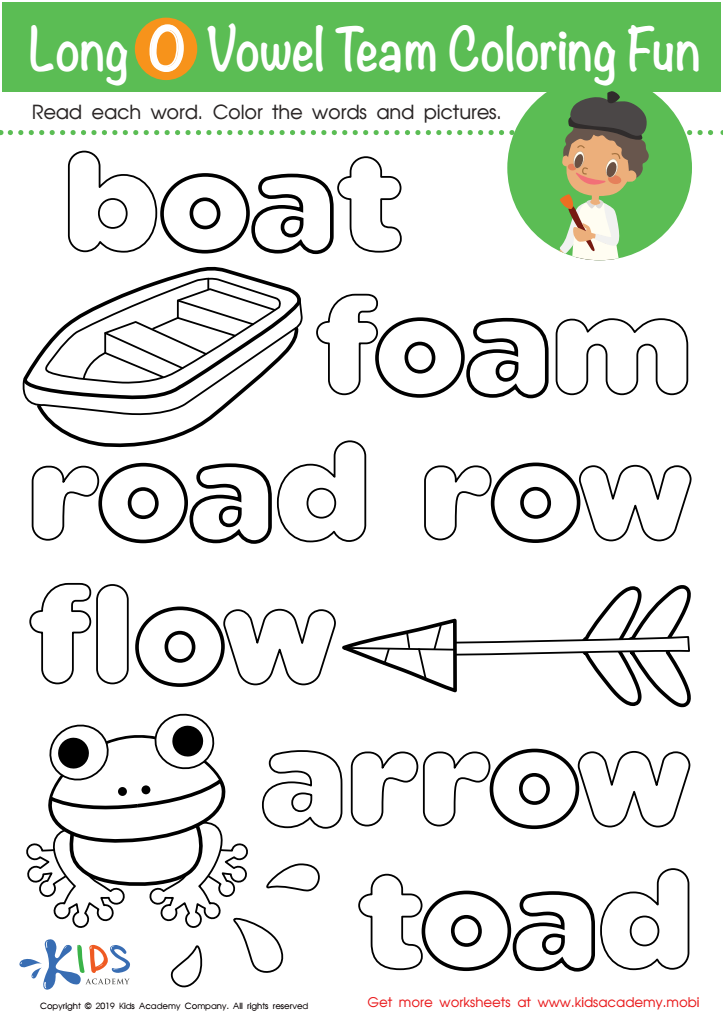
Long O Vowel Team Coloring Worksheet
 Assign to My Students







Reading development from ages 4 to 7 is a critical stage in a child's educational journey, laying the foundation for future learning. During this period, children begin to recognize letters, understand the sounds they make, and start decoding simple words. This early literacy skill set is essential not only for academic success in subjects like math and science but also for overall cognitive development.
Parents and teachers should care about this aspect because reading facilitates comprehension, critical thinking, and communication skills. Engaging children in read-alouds, phonics activities, and storytelling ignites their imagination and curiosity about the world around them. Moreover, strong reading skills foster independence, build confidence, and encourage a lifelong love for learning.
Additionally, early identification of reading difficulties can lead to timely intervention, which helps to close gaps in literacy development. Being proactive in promoting a positive reading environment, both at home and in the classroom, can significantly impact a child's self-esteem and social skills. Overall, prioritizing reading development during these formative years supports not just academic achievements but also emotional and social growth, setting children on a path to success in their future endeavors.








