Understanding directions Normal Worksheets for Ages 4-7
9 filtered results
-
From - To
Discover our "Understanding Directions Normal Worksheets" designed specifically for children ages 4-7. These engaging worksheets focus on enhancing listening and comprehension skills, helping young learners follow and understand directions effectively. Each activity encourages critical thinking while making learning fun. Perfect for classrooms or at-home use, these worksheets cover a variety of topics, from following simple oral instructions to interpreting written directions. As children work through these interactive exercises, they will build confidence in their abilities to understand and communicate effectively. Start nurturing your child’s directional skills today with our comprehensive resources! Explore the full collection now!
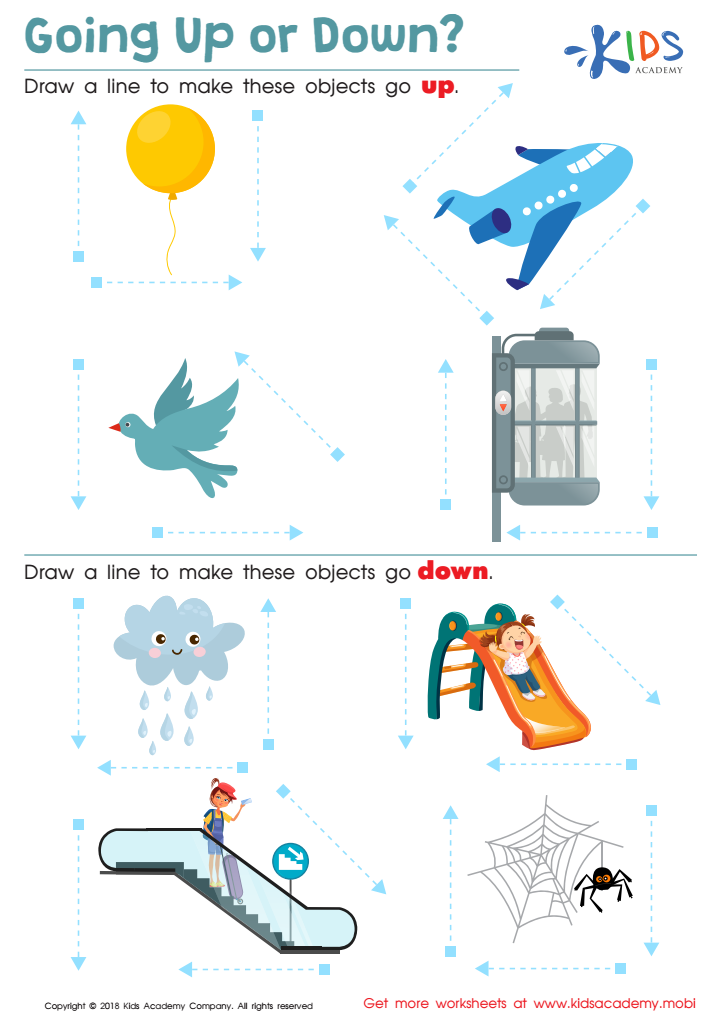
Going up or Down? Worksheet
 Assign to My Students
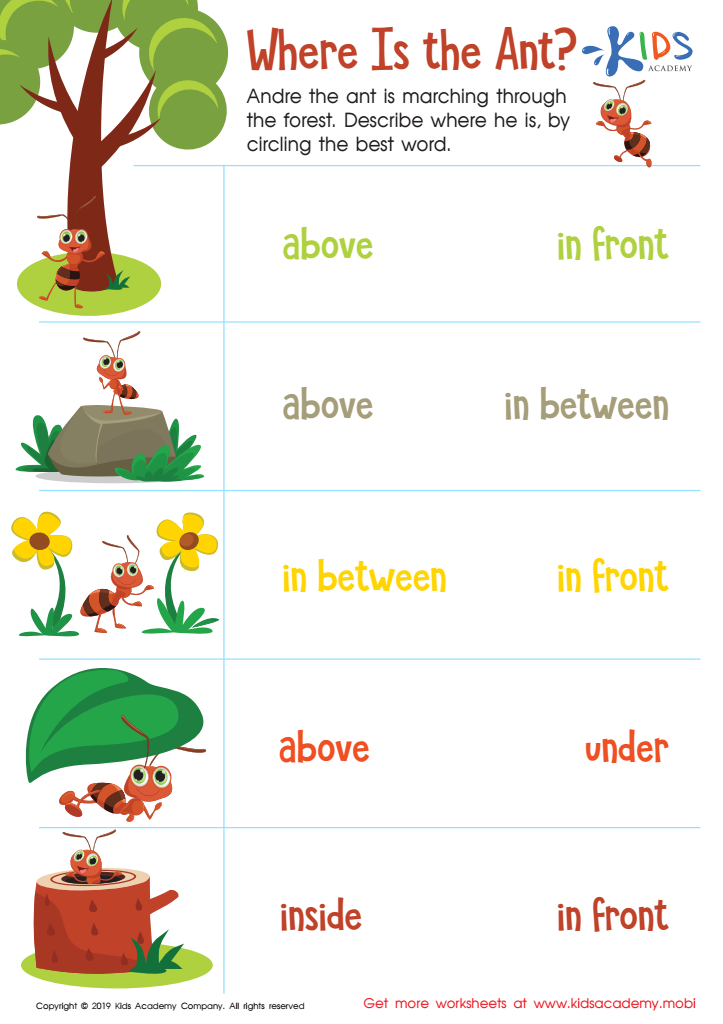
Where Is the Ant? Worksheet
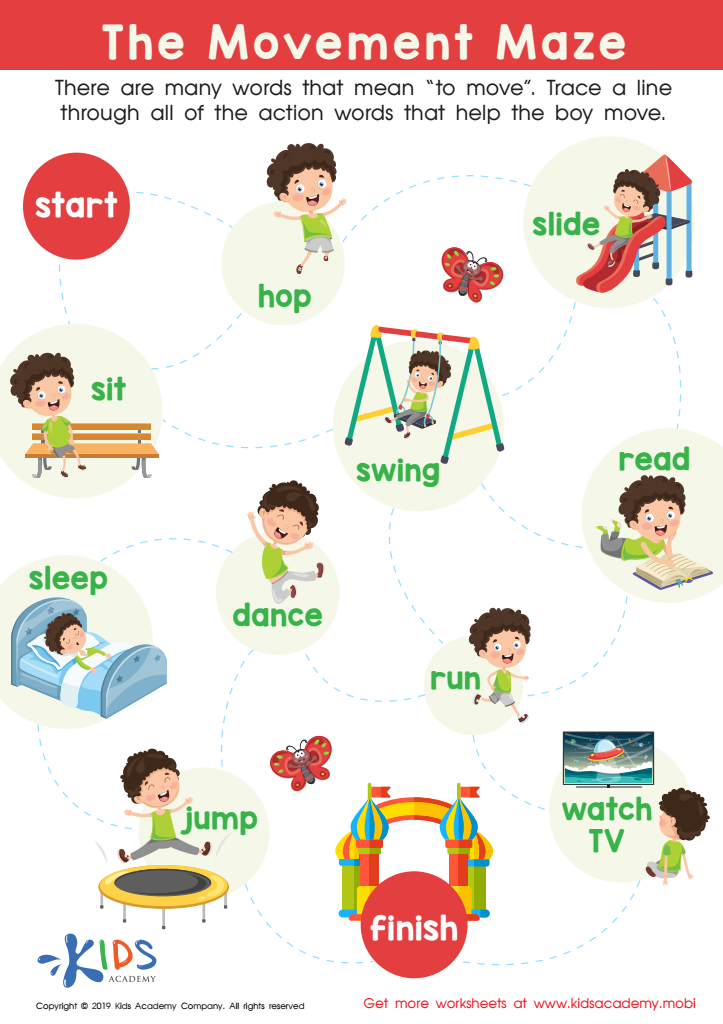
The Movement Maze Worksheet
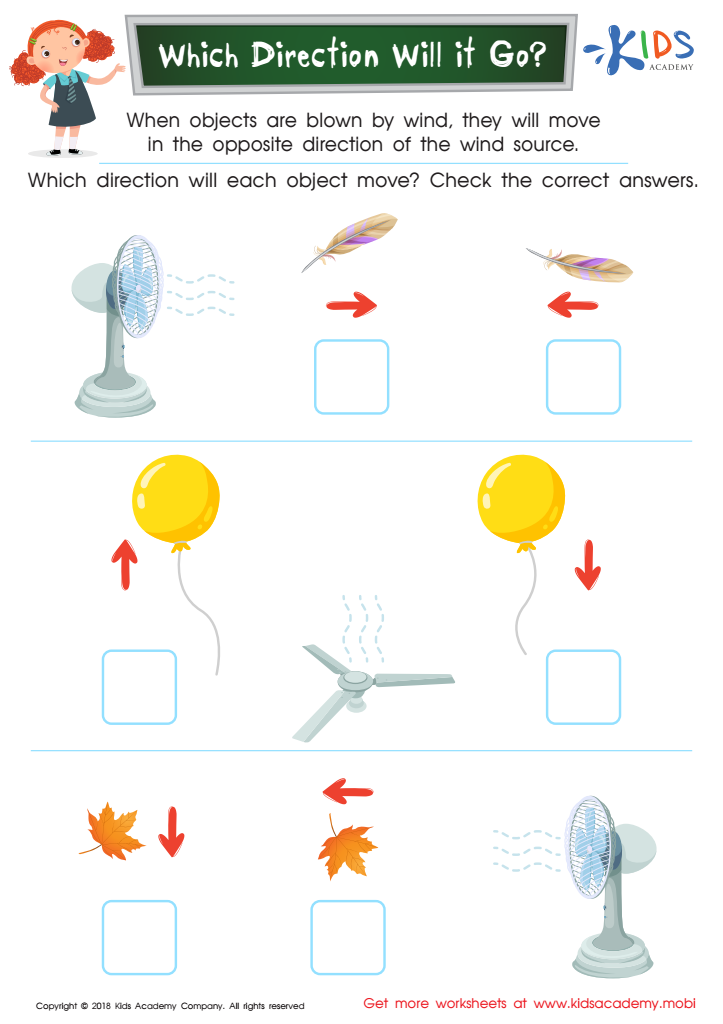
Which Direction Will it Go? Worksheet
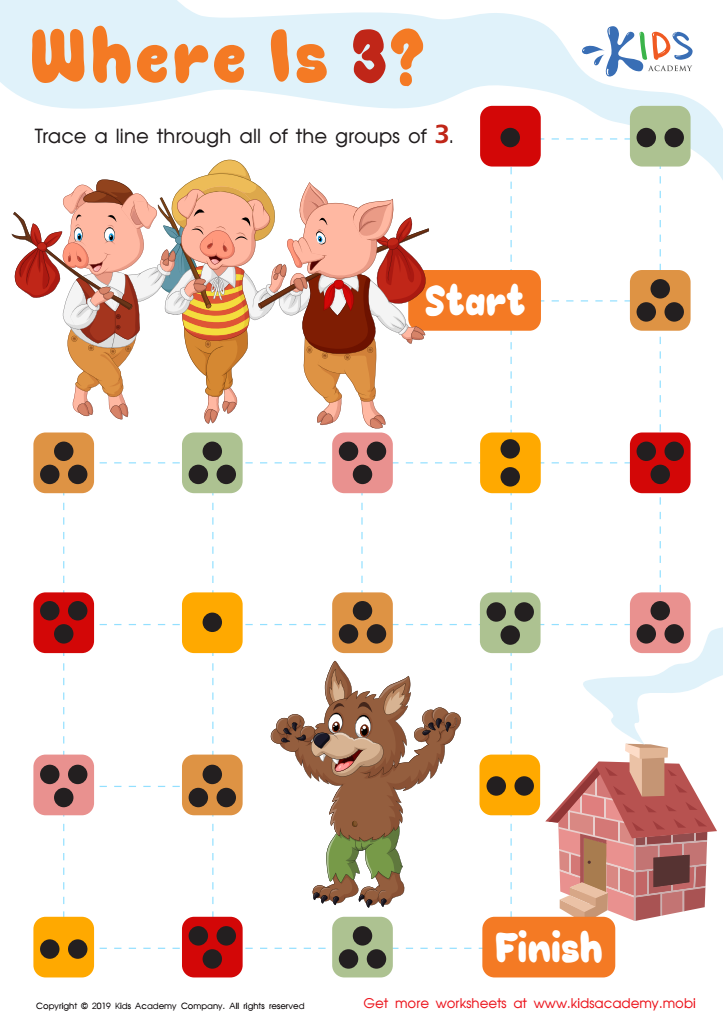
Where Is 3? Worksheet
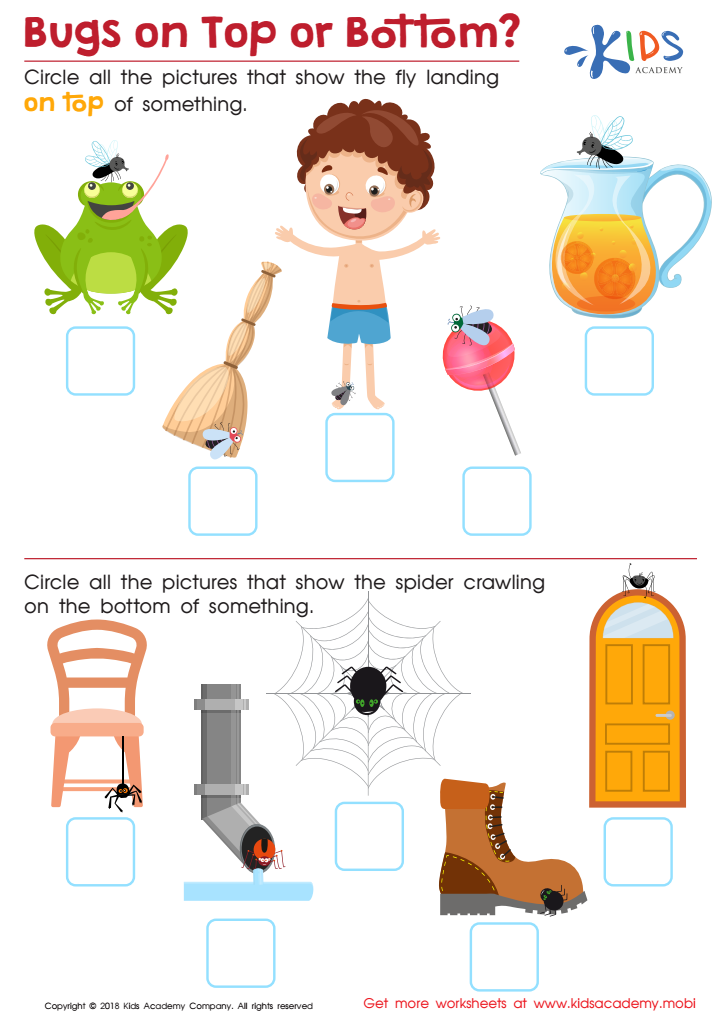
Bugs on Top or Bottom? Worksheet
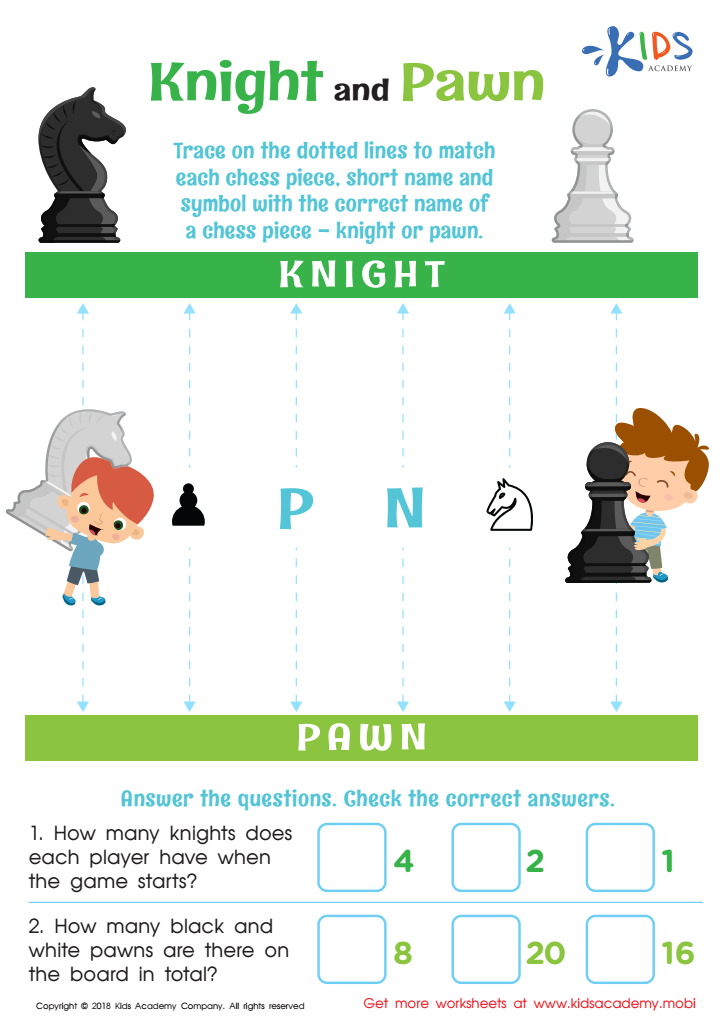
Knight and Pawn Worksheet
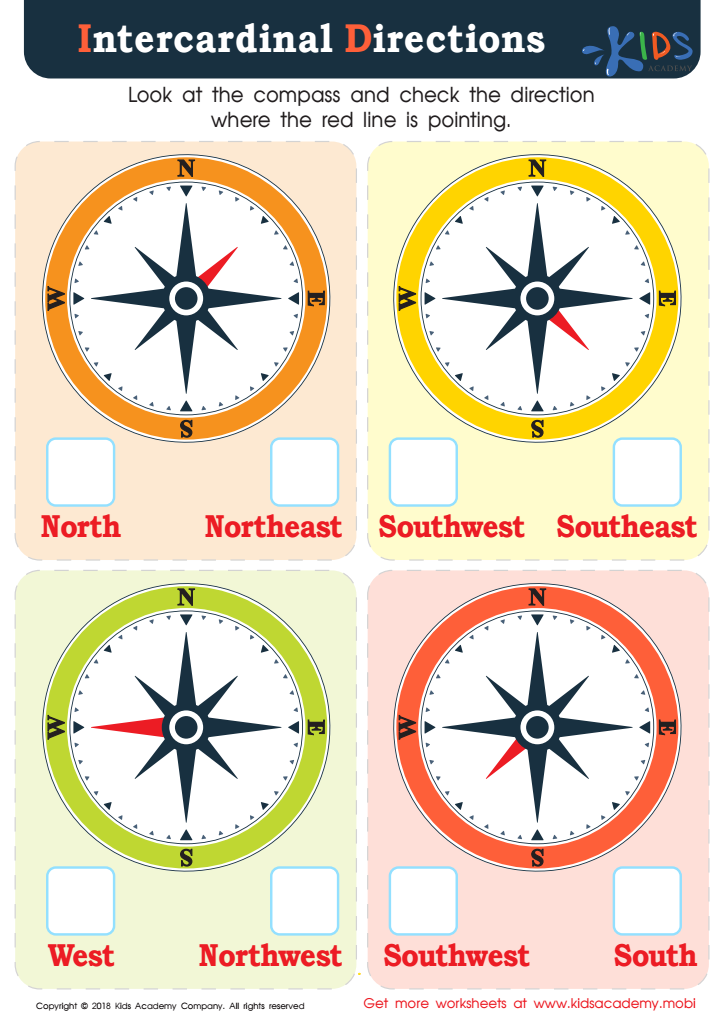
Intercardinal Directions Worksheet
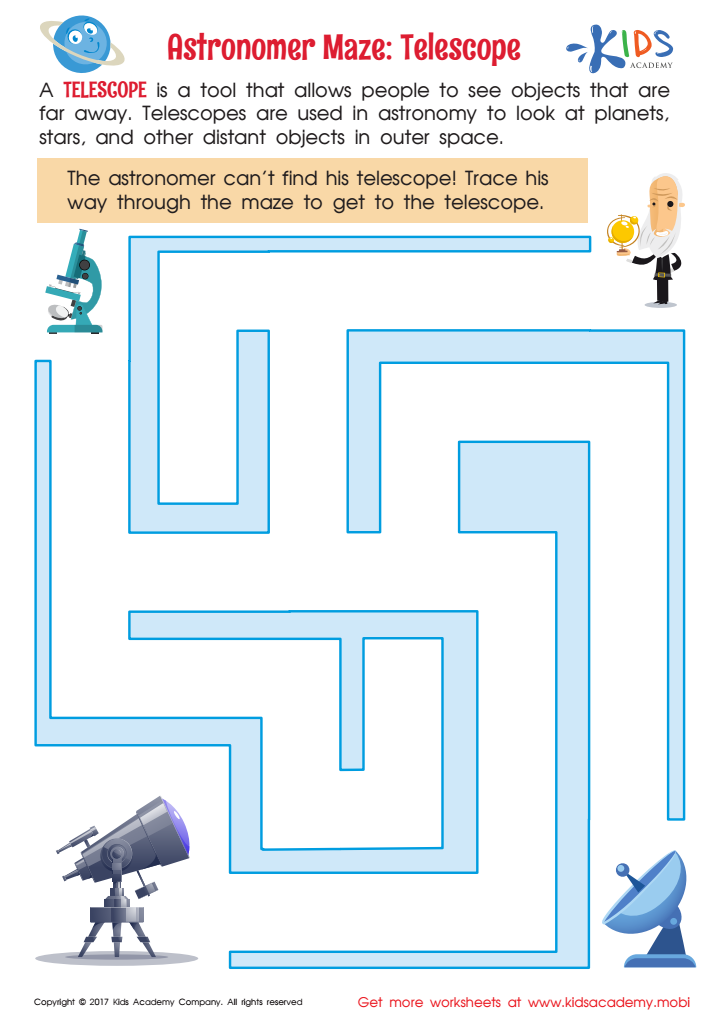
Astronomer Maze: Telescope Worksheet








Understanding directions is essential for children's development, particularly for ages 4-7, as it builds foundational skills necessary for academic success and everyday functioning. First, following directions enhances comprehension and critical thinking abilities. Young children are naturally curious and eager to learn, and when they understand how to follow instructions, it supports their ability to engage with new concepts and information.
Additionally, understanding directions fosters independence. As children learn to navigate tasks and activities by following single-step or multi-step directions, they gain a sense of mastery and confidence in their abilities. This newfound competence can encourage them to take initiative and tackle challenges, promoting resilience and a positive attitude towards learning.
Moreover, clear direction-following is essential for social development. Children often engage in cooperative play and group activities in settings such as classrooms or playgrounds. Being able to understand and adhere to directions helps them work collaboratively with peers. Lastly, strong direction-following skills can contribute to safety awareness, enabling children to make mindful decisions in everyday situations. Thus, both parents and teachers should prioritize and encourage this crucial skill to support well-rounded child development.








