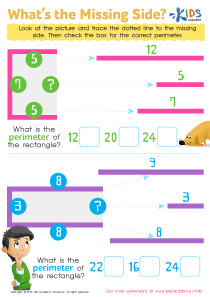
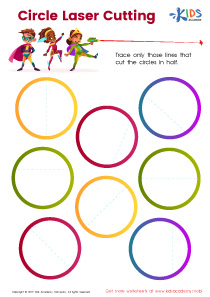
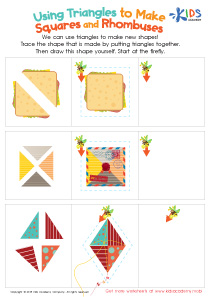
Reading comprehension Normal 2D Shapes Worksheets for Ages 4-7
4 filtered results
-
From - To
Boost your child's love for reading and geometry with our engaging Reading Comprehension Normal 2D Shapes Worksheets, designed for ages 4-7. These educational worksheets combine fun stories with shape-recognition activities, helping young learners effortlessly identify and understand basic 2D shapes. Each worksheet features captivating narratives and vibrant illustrations that spark imagination while reinforcing essential reading comprehension skills. Ideal for early grade students, these printable resources make learning an enjoyable adventure, ensuring a strong foundation in both literacy and mathematics. Perfect for classroom or home use, our expertly crafted worksheets support and enhance your child's educational journey.
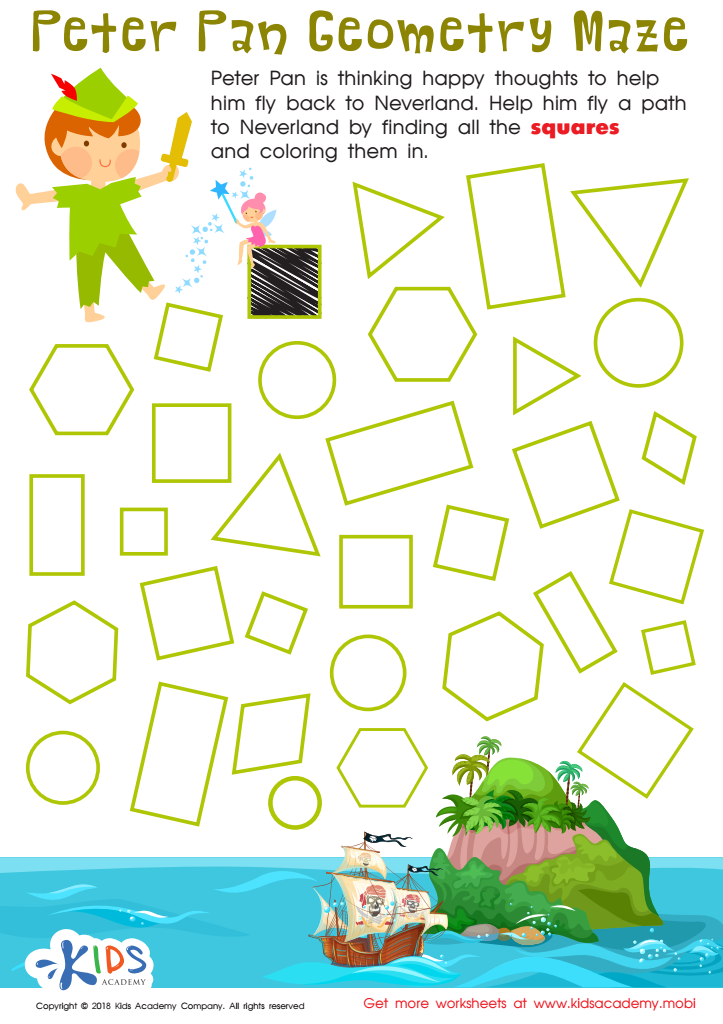
Peter Pan Worksheet
 Assign to My Students











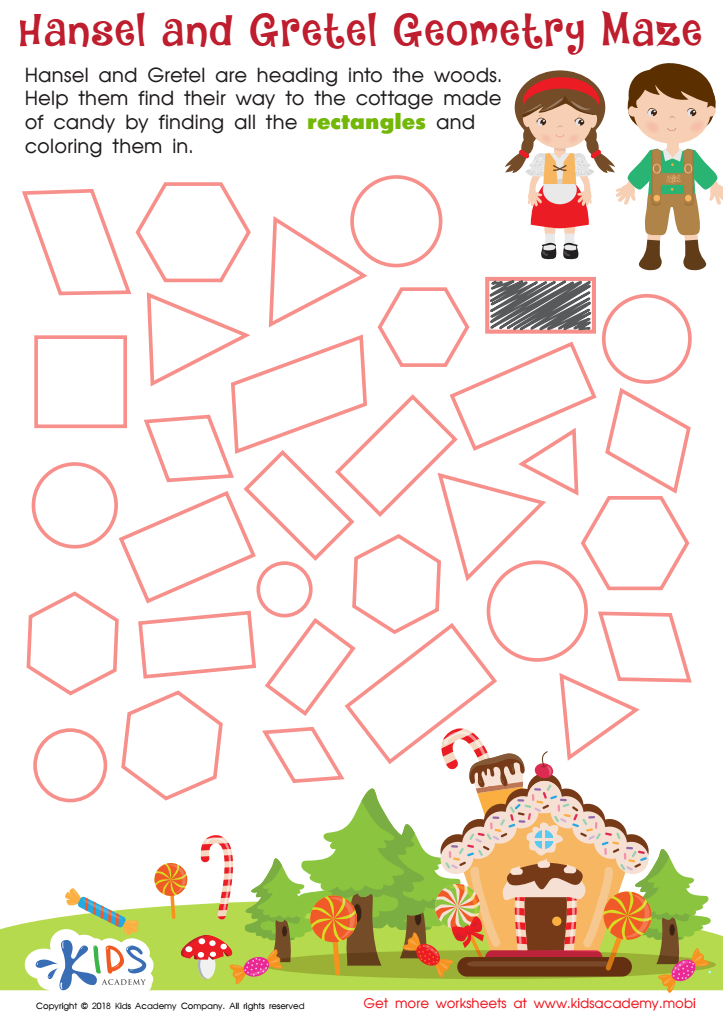
Hansel and Gretel Geometry Maze Worksheet
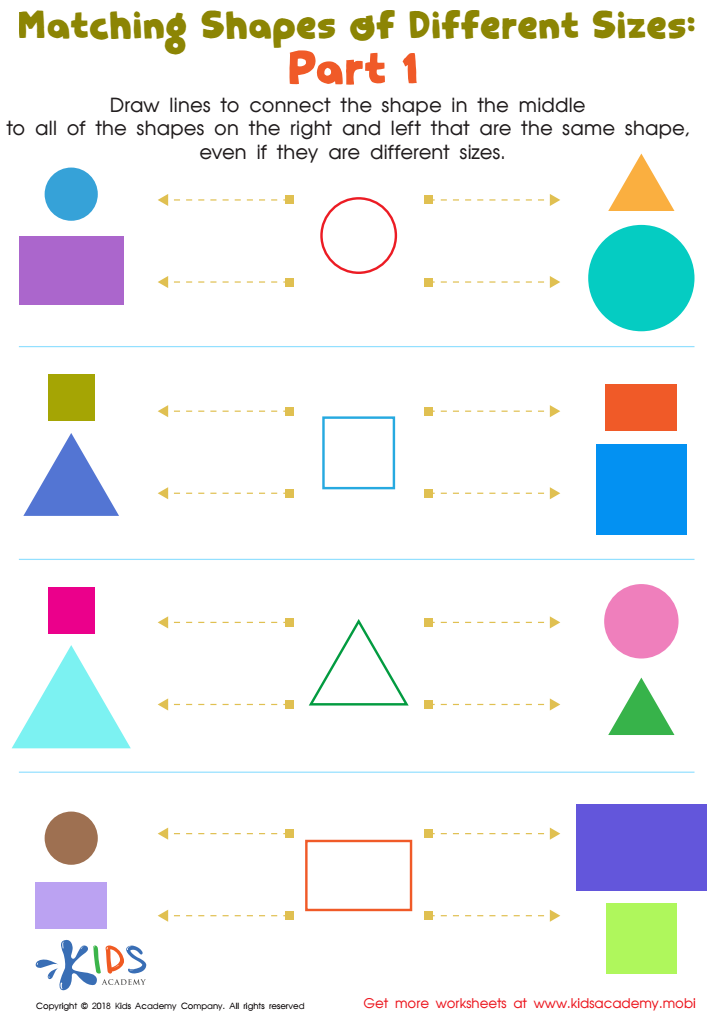
Geometry: part 1 Worksheet
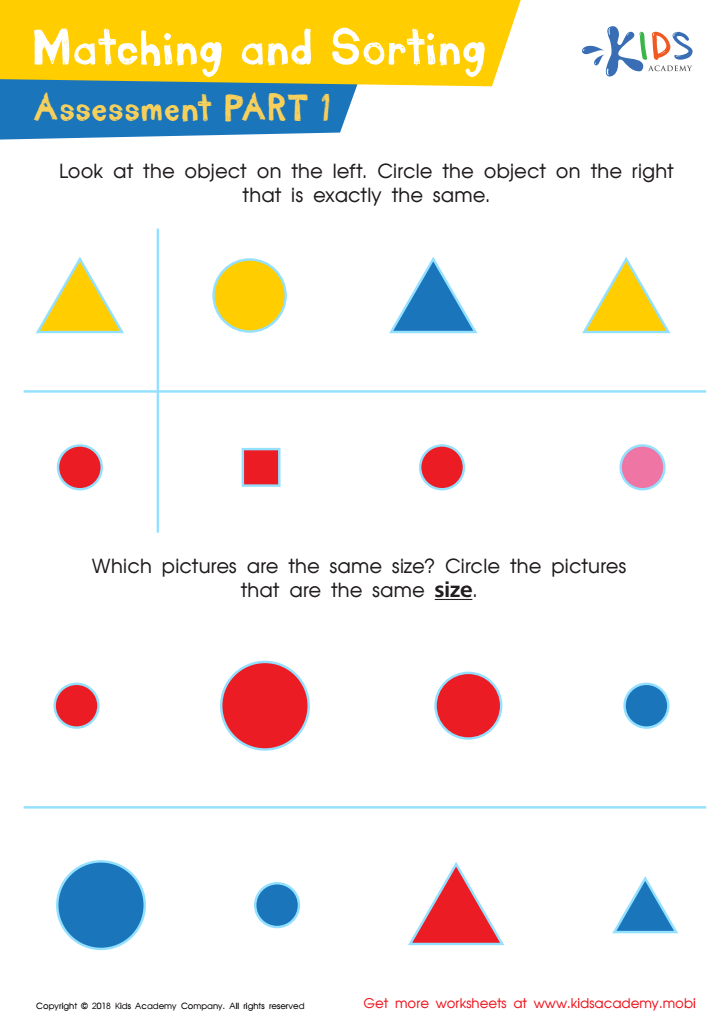
Matching and Sorting for Kindergarten: Assessment 1 Worksheet








Reading comprehension and understanding normal 2D shapes are foundational skills for children aged 4-7 that significantly contribute to their cognitive development and academic success. Parents and teachers should prioritize these areas because they nurture critical thinking, language skills, and mathematical understanding.
Reading comprehension at an early age helps children understand and interpret information, enhances vocabulary, and fosters a love for reading. It equips them with the ability to follow instructions, engage in storytelling, and ask questions, thereby developing their listening and communication skills. This foundational competence is crucial for later academic pursuits across all subjects.
Concurrently, recognizing and differentiating between normal 2D shapes, such as circles, squares, triangles, and rectangles, provides children with basic geometric knowledge. This understanding lays the groundwork for more complex mathematical concepts, such as area, perimeter, and spatial awareness. It also plays a role in developing problem-solving and reasoning skills, which are essential competencies in daily life.
By nurturing reading comprehension and shape recognition early on, parents and teachers help children develop a curiosity and confidence in learning, providing a strong base for future academic challenges. This holistic development in early childhood sets the stage for lifelong learning and success.