Understanding directions Normal Math Worksheets for Ages 4-7
3 filtered results
-
From - To
Welcome to our "Understanding Directions Normal Math Worksheets" designed specifically for children ages 4-7! These engaging worksheets aim to enhance young learners' comprehension of directional language while developing their math skills. Each activity encourages kids to follow simple instructions, strengthening their ability to interpret and apply directions in various contexts. The worksheets are visually captivating and appropriate for your child's age group, ensuring a fun learning experience. By mastering these essential skills, children will gain confidence in their understanding of both math concepts and directional vocabulary, setting a solid foundation for future learning adventures. Explore our resources to support your child's growth today!
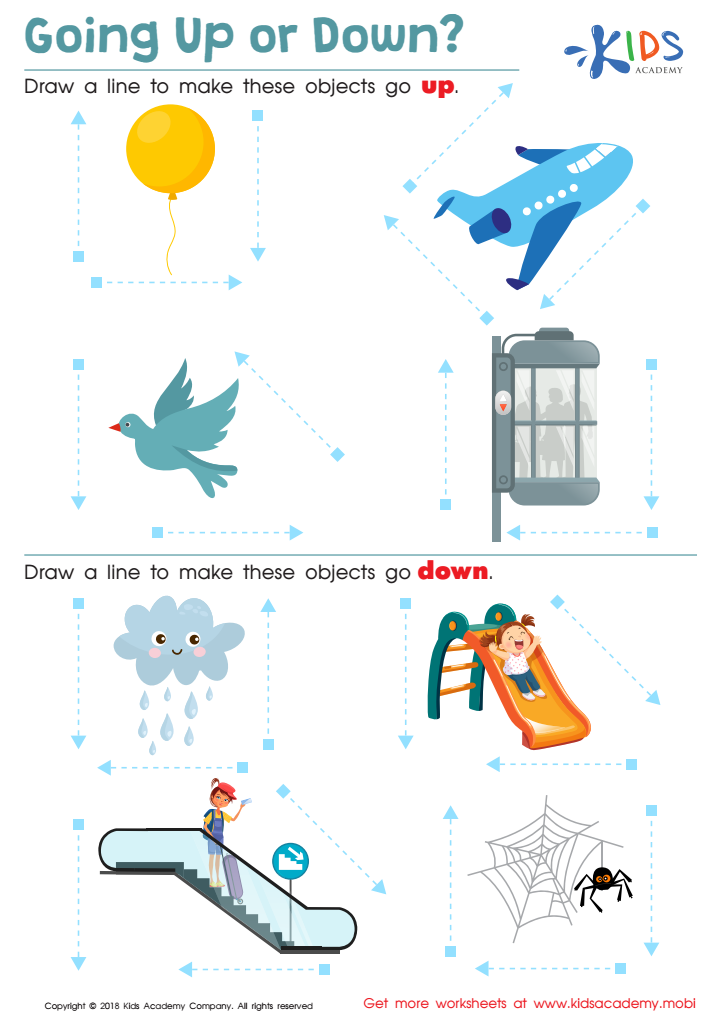
Going up or Down? Worksheet
 Assign to My Students
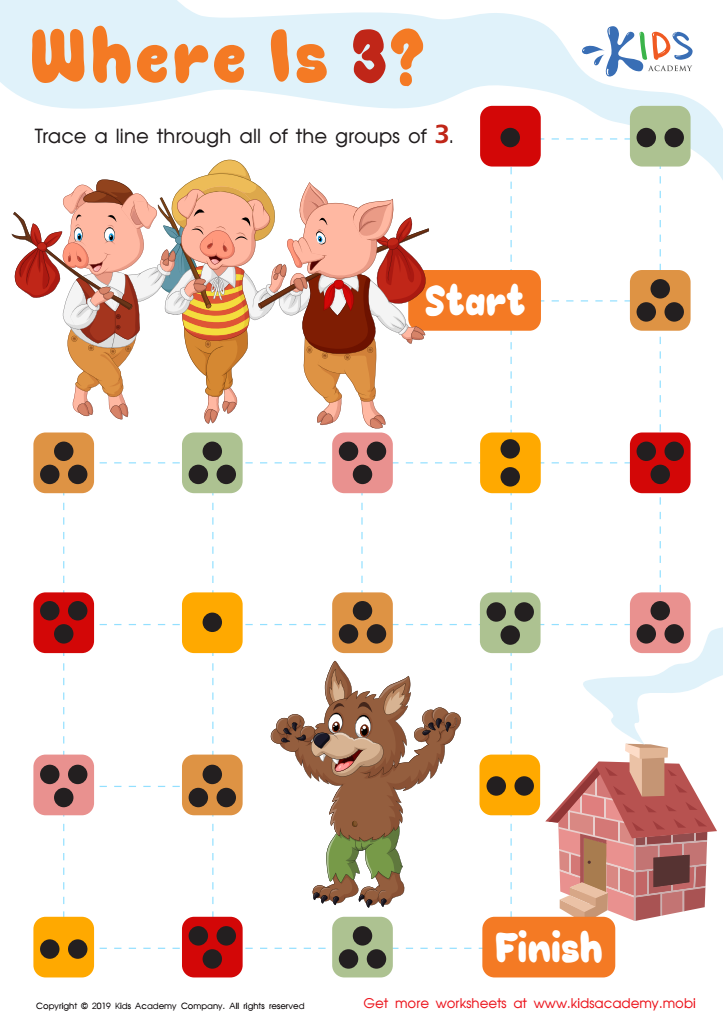
Where Is 3? Worksheet
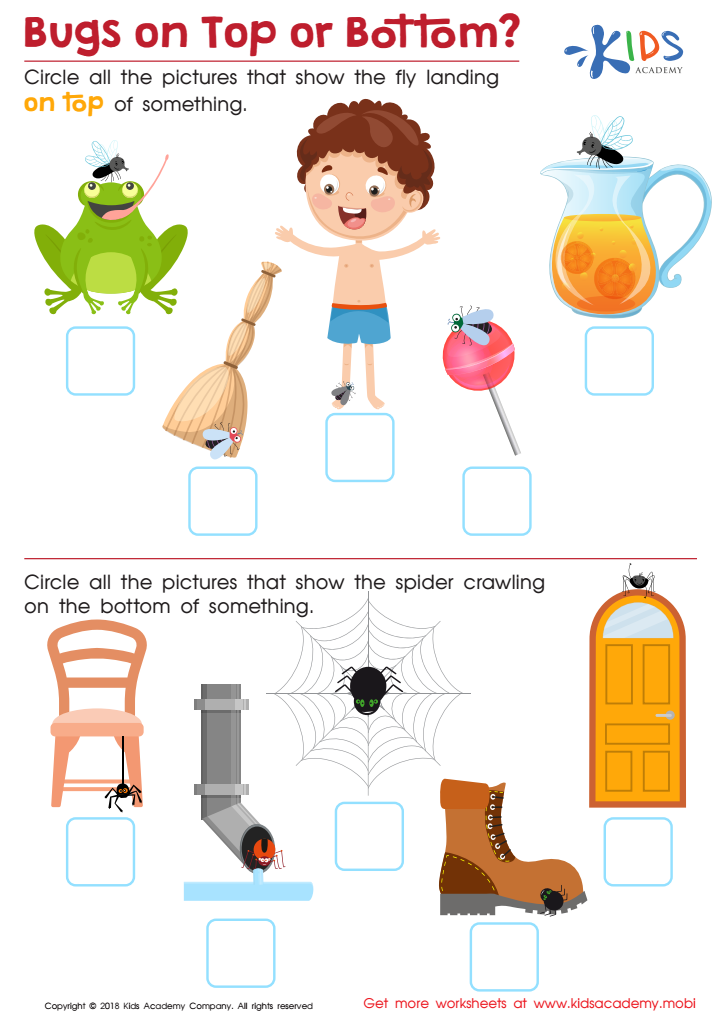
Bugs on Top or Bottom? Worksheet







Understanding directions in math is crucial for children aged 4-7, as it lays the foundation for their mathematical success. At this age, children are developing essential cognitive skills, and mastering directions enriches their problem-solving abilities. When parents and teachers help children understand how to follow and interpret directions in math, they nurture a host of interconnected skills such as critical thinking, spatial awareness, and logical reasoning.
Moreover, math is not just about numbers; it's about understanding concepts and relationships. Clear understanding of directions enables children to tackle mathematical problems confidently, fostering independence and resilience. Furthermore, this groundwork helps them transition to more complex math concepts in the later stages of their education.
Involving parents in this aspect promotes a collaborative learning environment, encouraging children to ask questions and seek help effectively. For teachers, focusing on directional understanding can lead to more effective instruction and assessment, ensuring that every child grasps fundamental concepts. Ultimately, paying attention to directional understanding in math during these formative years equips children with essential life skills, setting them on a path to academic and personal success.








