Visual discrimination Normal Math Worksheets for Ages 4-7
8 filtered results
-
From - To
Explore our engaging Visual Discrimination Normal Math Worksheets tailored specifically for children aged 4-7. These worksheets are designed to enhance essential visual discrimination skills, enabling young learners to differentiate between shapes, quantities, and patterns. Our activities promote interactive learning and reinforce foundational math concepts through fun and colorful exercises. Perfect for both classroom and home use, these worksheets help children build confidence and improve their problem-solving abilities. With our easy-to-follow formats, your little ones will enjoy sharpening their visual and mathematical skills in a supportive environment. Download your set today and watch their learning journey thrive!
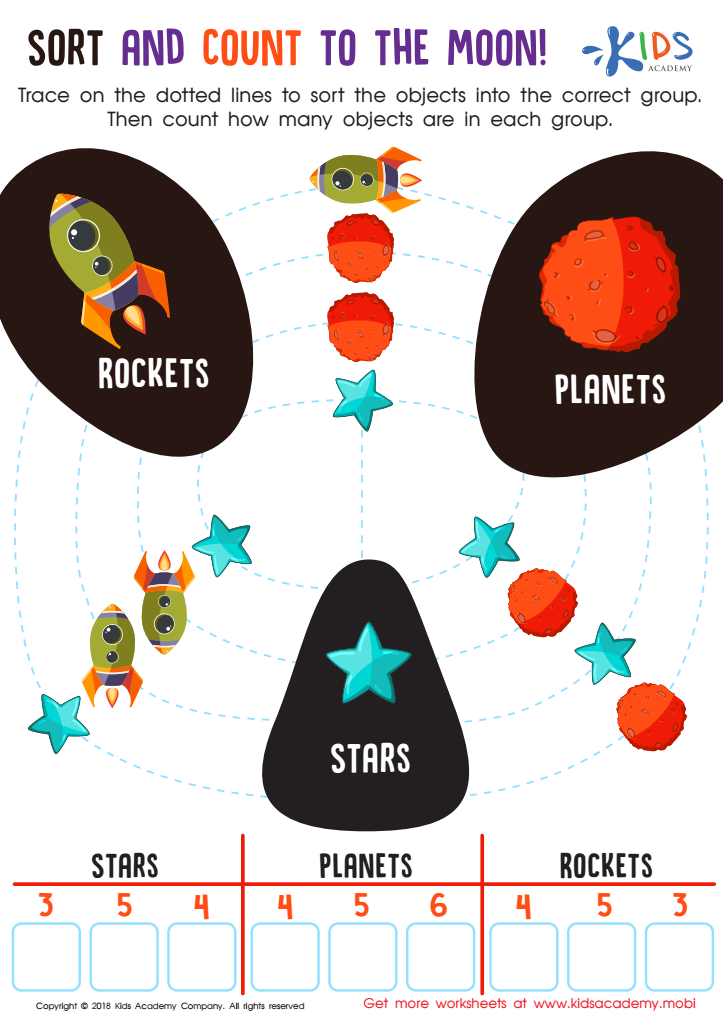
Sort and Count to the Moon Worksheet
 Assign to My Students
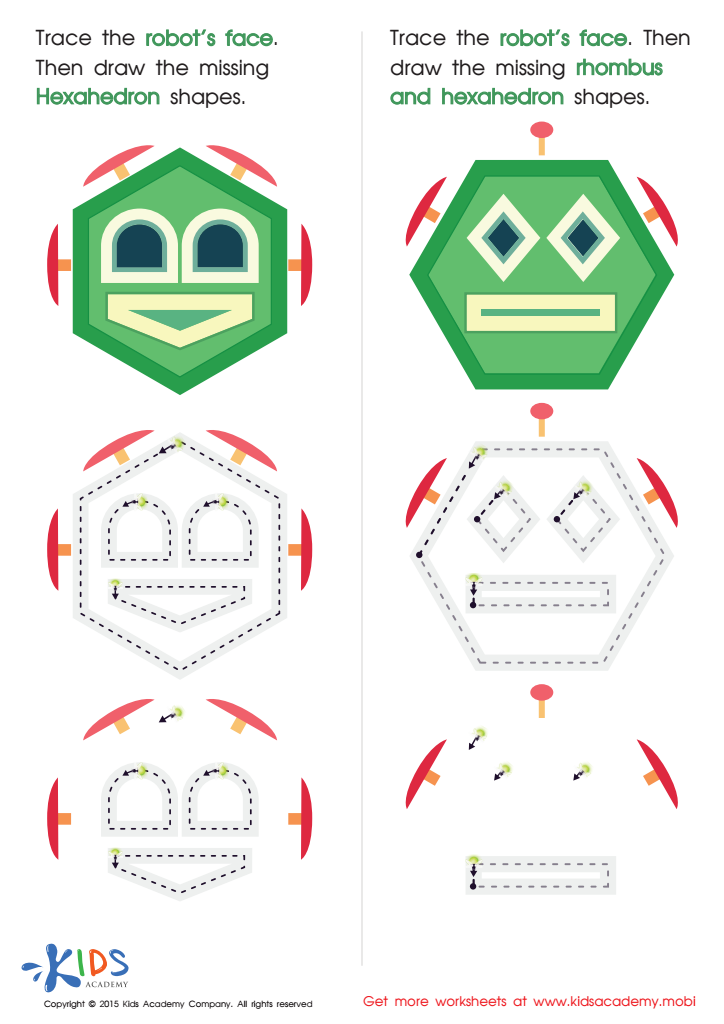
Practice Drawing Hexahedrons And a Rhombus Worksheet
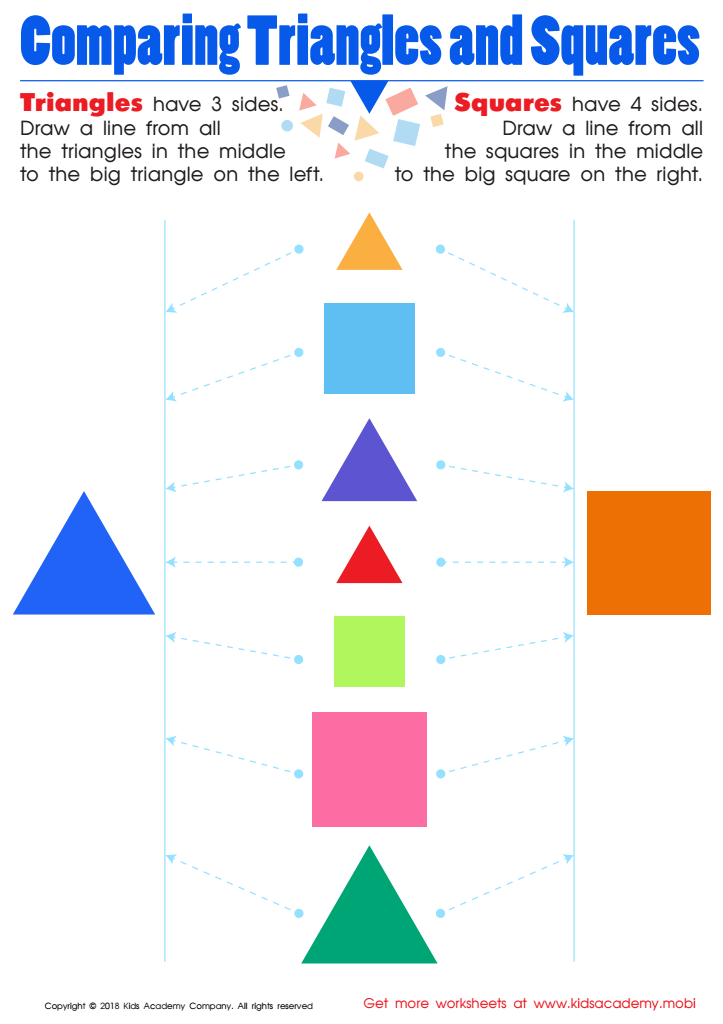
Comparing Triangles Squares Worksheet
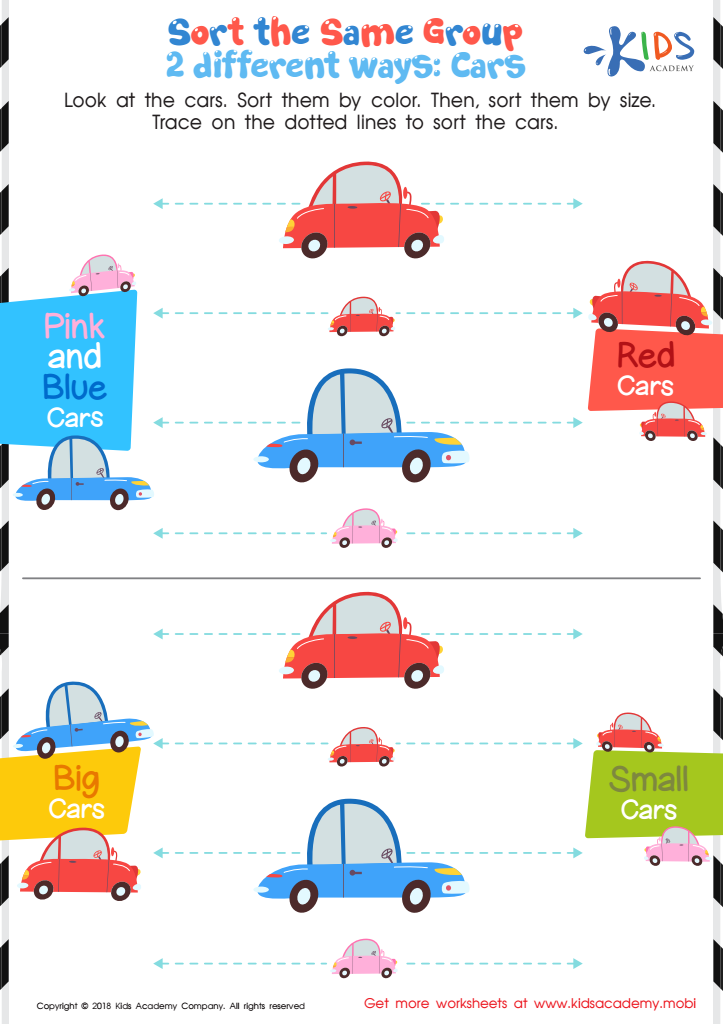
Sort the Same Group 2 Different Ways: Cars Worksheet
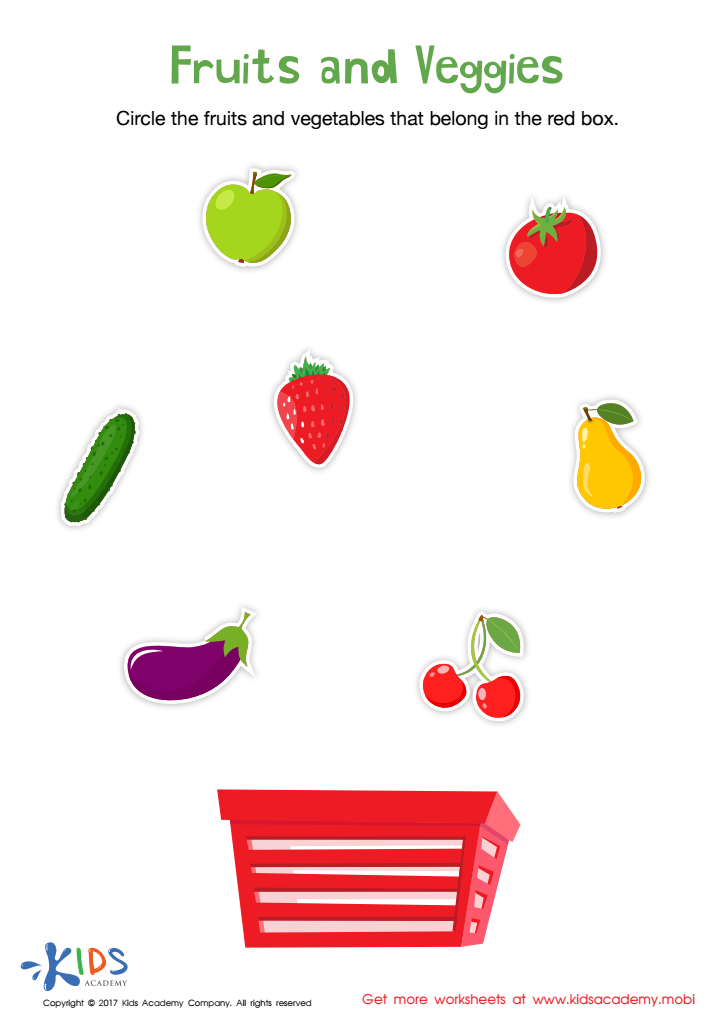
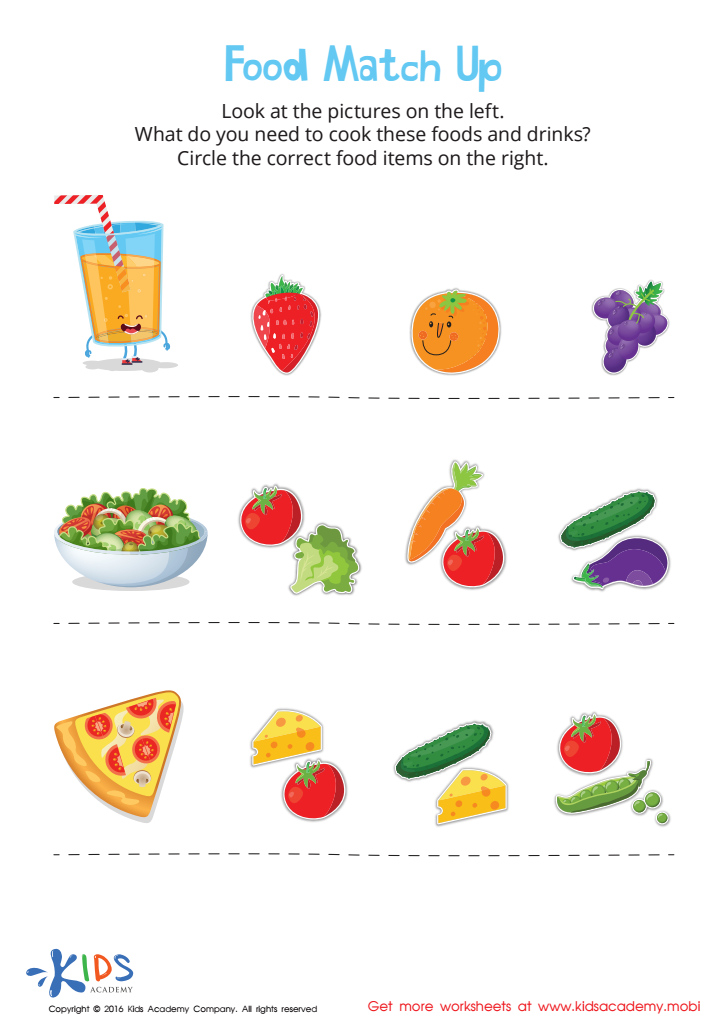
Food Match Up Worksheet
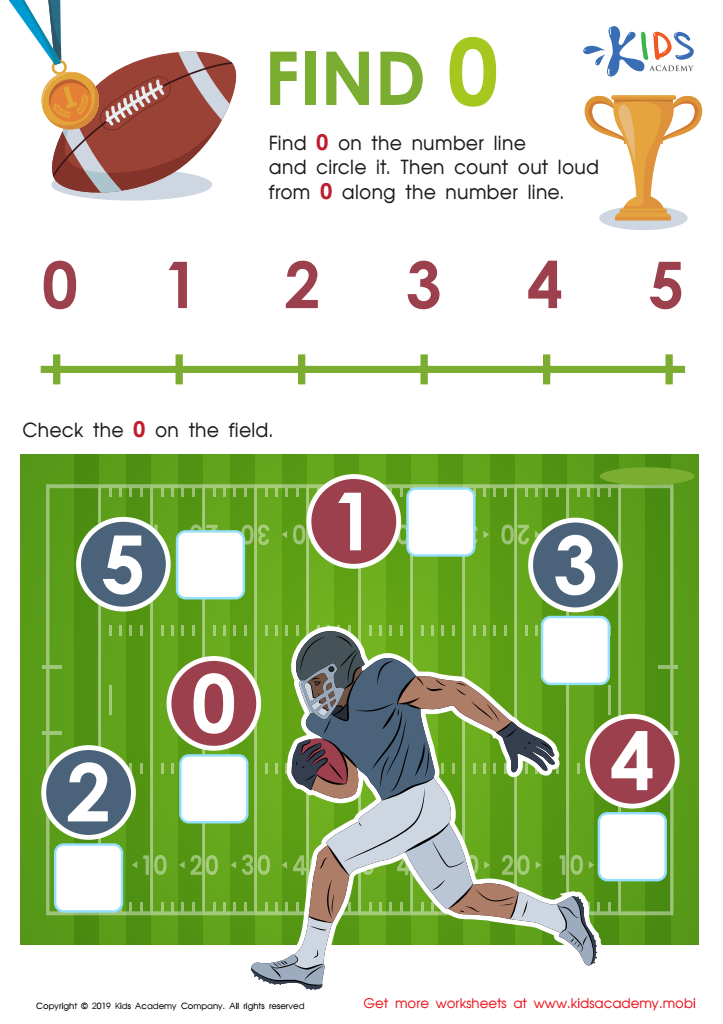
Find 0 Worksheet
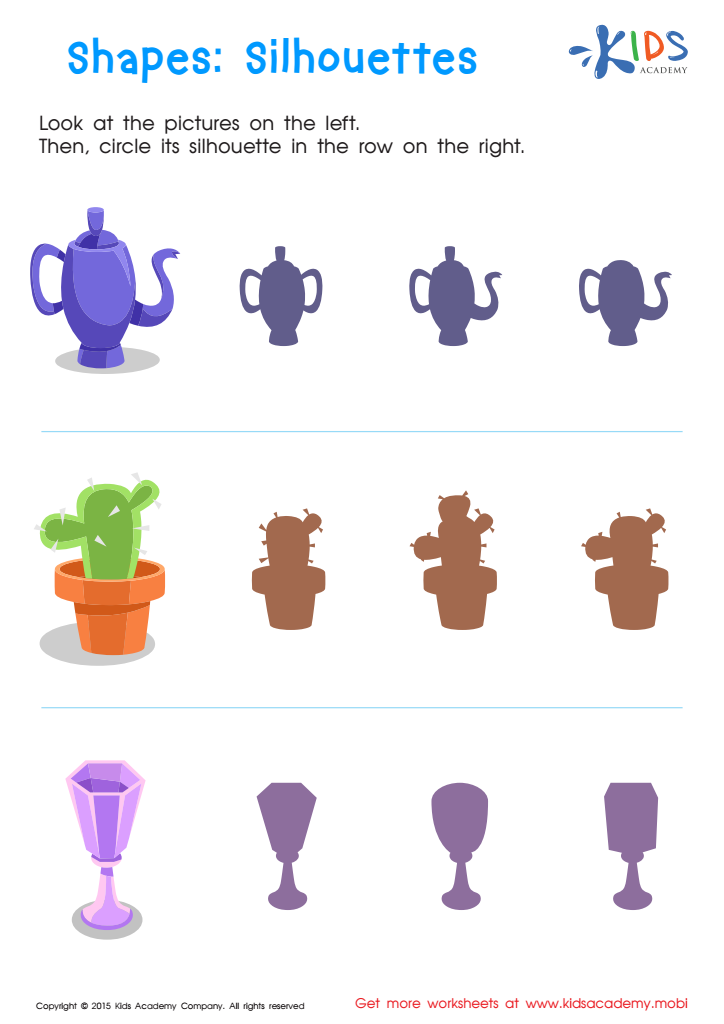
Silhouettes – Shapes Worksheet


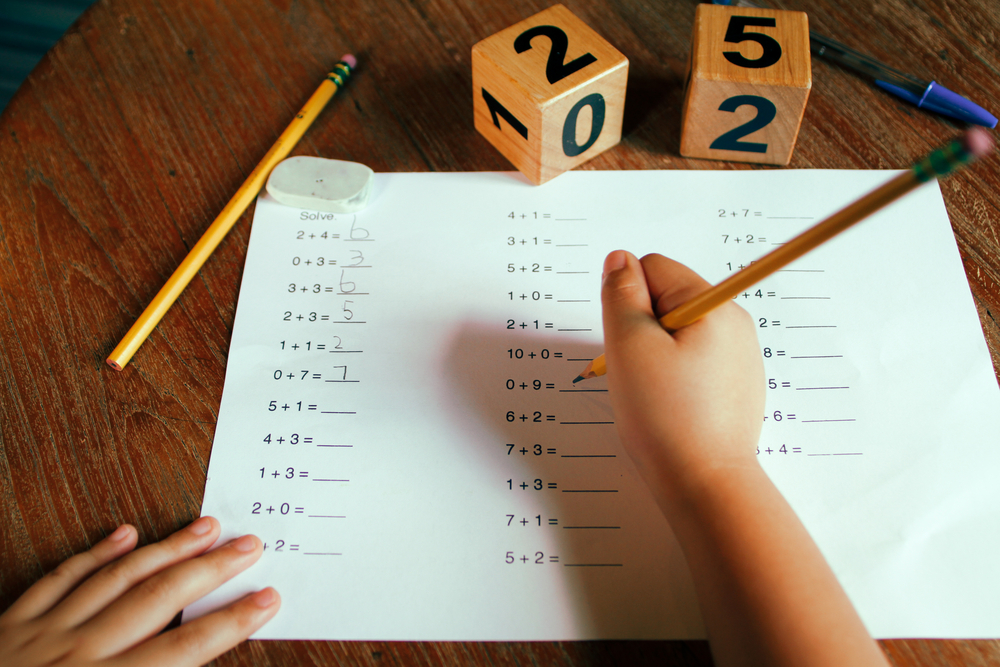





Visual discrimination is a crucial skill for children aged 4-7, particularly in the context of normal math development. This skill enables children to accurately perceive and differentiate between various shapes, sizes, colors, and patterns, which are foundational components in understanding mathematical concepts. For parents and teachers, fostering visual discrimination is essential because it directly influences a child's ability to recognize numbers and symbols, understand spatial relationships, and perform tasks such as sorting and categorization.
As math becomes increasingly complex, a solid grounding in visual discrimination helps young learners succeed in more advanced topics like geometry and measurement. Furthermore, strong visual discrimination skills also enhance reading abilities, as recognizing letters and words relies on similar perceptual capabilities. Early intervention during ages 4-7 sets the stage for successful learning experiences, boosting confidence and reducing frustration in future academic endeavors.
By incorporating fun, engaging activities that promote visual discrimination—such as games involving sorting, matching, or pattern recognition—parents and teachers can create a supportive environment for cognitive development. Recognizing the importance of this skill in mathematical comprehension not only enriches academic pursuits but also nurtures lifelong learning habits in children. Thus, investing in visual discrimination is an investment in a child's overall educational journey.








