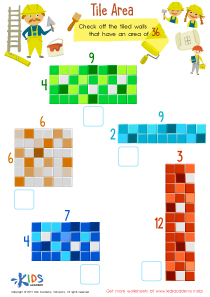
Visual discrimination Normal Matching Worksheets for Ages 4-7
3 filtered results
-
From - To
Introduce your child to the exciting world of visual discrimination with our Normal Matching Worksheets designed for ages 4-7. These engaging, educational worksheets are perfect for young learners developing crucial visual skills. By matching fun images, numbers, shapes, and patterns, kids enhance their ability to recognize differences and improve memory retention. These worksheets lay a solid foundation for future academic success while making learning a delightful experience. Ideal for both classroom and at-home activities, our expertly crafted materials ensure that your child enjoys every step of their educational journey. Visit Kids Academy to kickstart their visual discrimination practice today!
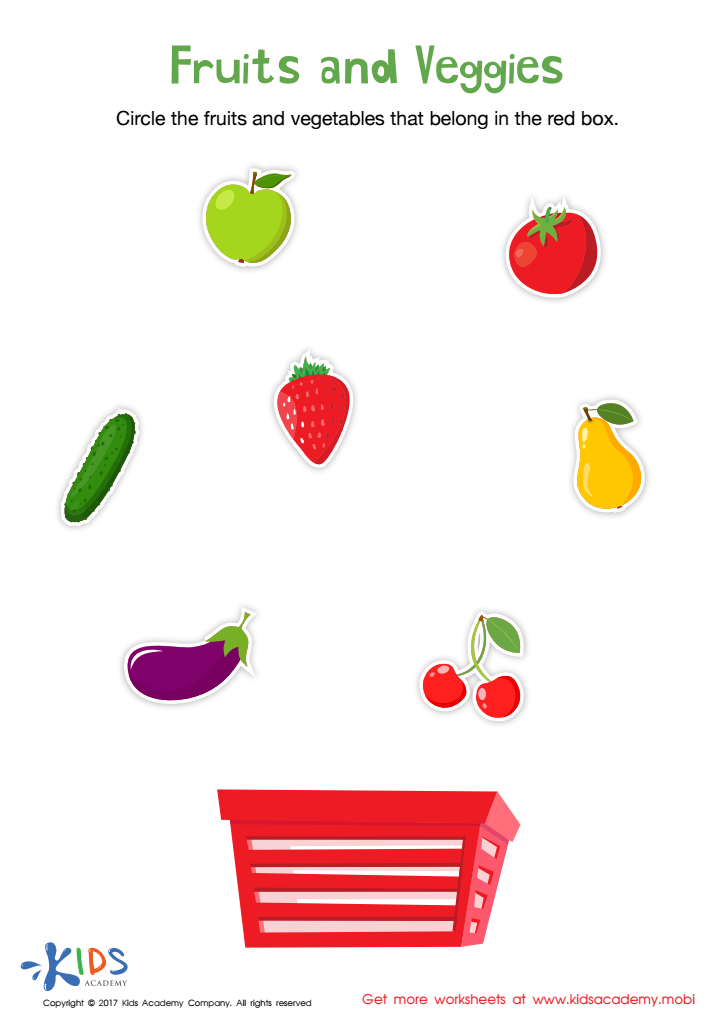
 Assign to My Students
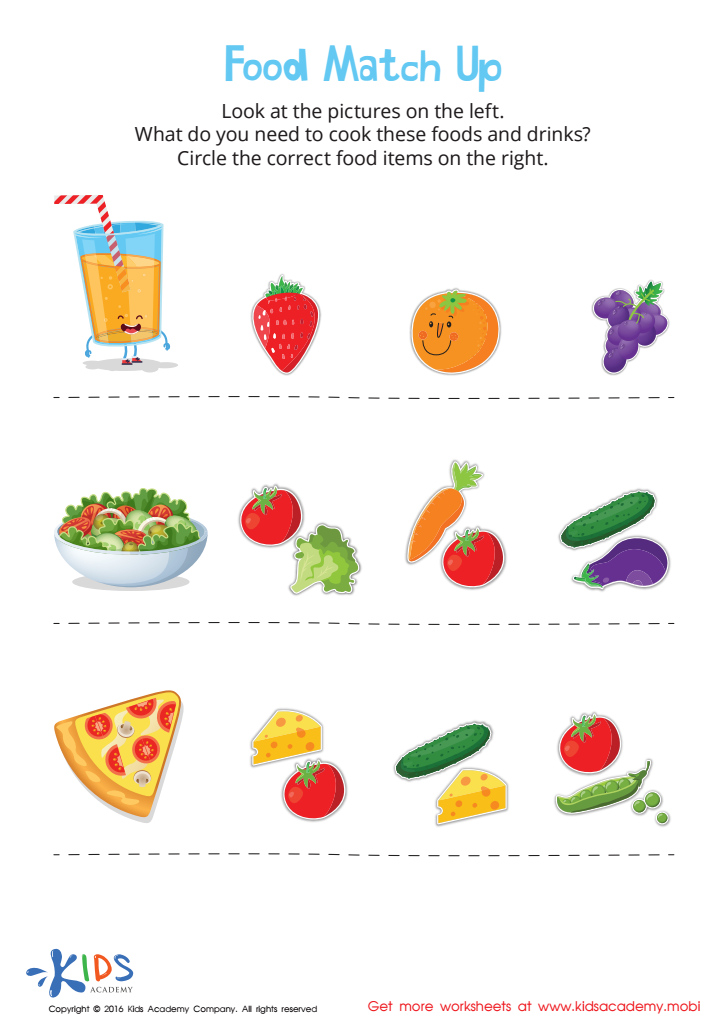
Food Match Up Worksheet
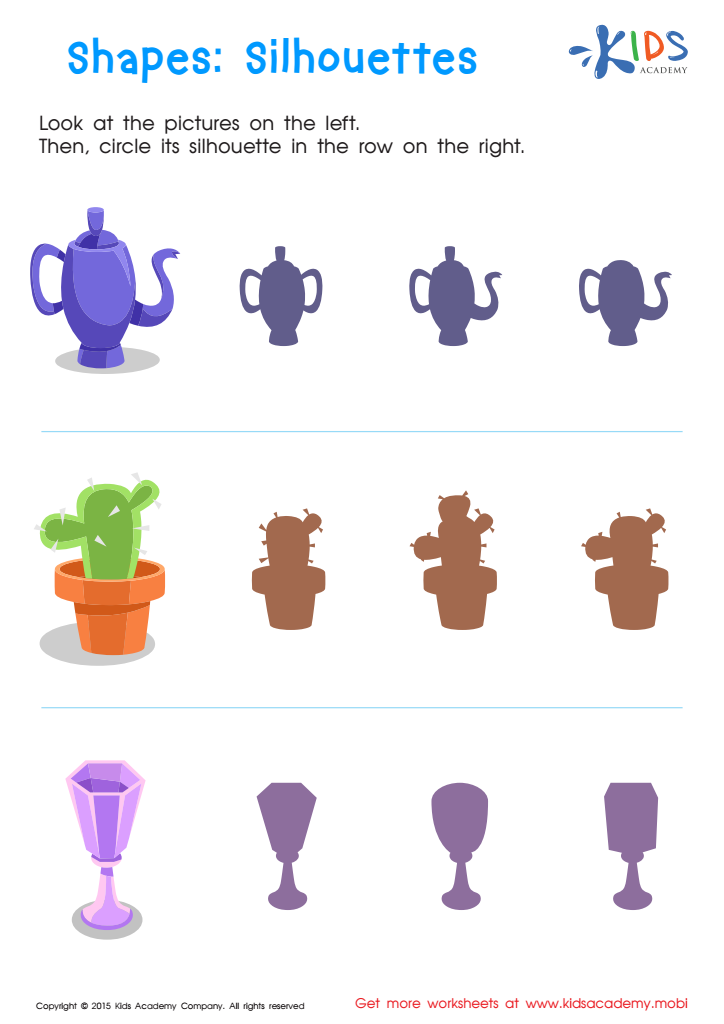
Silhouettes – Shapes Worksheet






Visual discrimination is the ability to recognize and differentiate between various shapes, sizes, colors, and patterns. It's a crucial skill for young children, particularly those between the ages of 4-7, because it forms the foundation for many key aspects of their development and learning. Parents and teachers should prioritize teaching visual discrimination for several important reasons.
First, visual discrimination enhances reading readiness. As children begin to recognize differences in letters and words, they develop the skills needed for reading fluency. For instance, distinguishing between similar-looking letters like 'b' and 'd' or 'p' and 'q' is essential for reading and writing accuracy.
Second, visual discrimination plays a significant role in math skills. Differentiating shapes, sizes, and patterns helps with number recognition, geometric understanding, and the ability to follow mathematical sequences.
Moreover, this ability also supports day-to-day activities, such as following directions, map reading, and engaging in artwork.
Emotionally and socially, children who excel in visual discrimination are better equipped to interact with their environment. They can identify and respond to visual cues from peers and adults, which is essential for effective communication and social integration.
By emphasizing visual discrimination, parents and teachers can provide children with a strong foundation for academic success and practical life skills, ensuring that they are well-prepared for future learning experiences.