Developing math skills Normal Place Value Worksheets for Ages 4-7
4 filtered results
-
From - To
Enhance your child's understanding of place value with our engaging Normal Place Value Worksheets designed for ages 4-7. These worksheets provide a fun and interactive way to help young learners grasp essential math skills, tailored to their developmental stage. Featuring colorful visuals and relatable scenarios, each worksheet offers practice in identifying tens and ones, building a solid foundation for future math concepts. Perfect for home or classroom use, these resources encourage creativity and exploration, ensuring that learning math is exciting and effective. Help your child thrive in mathematics today with our expertly crafted materials that make place value comprehension enjoyable!
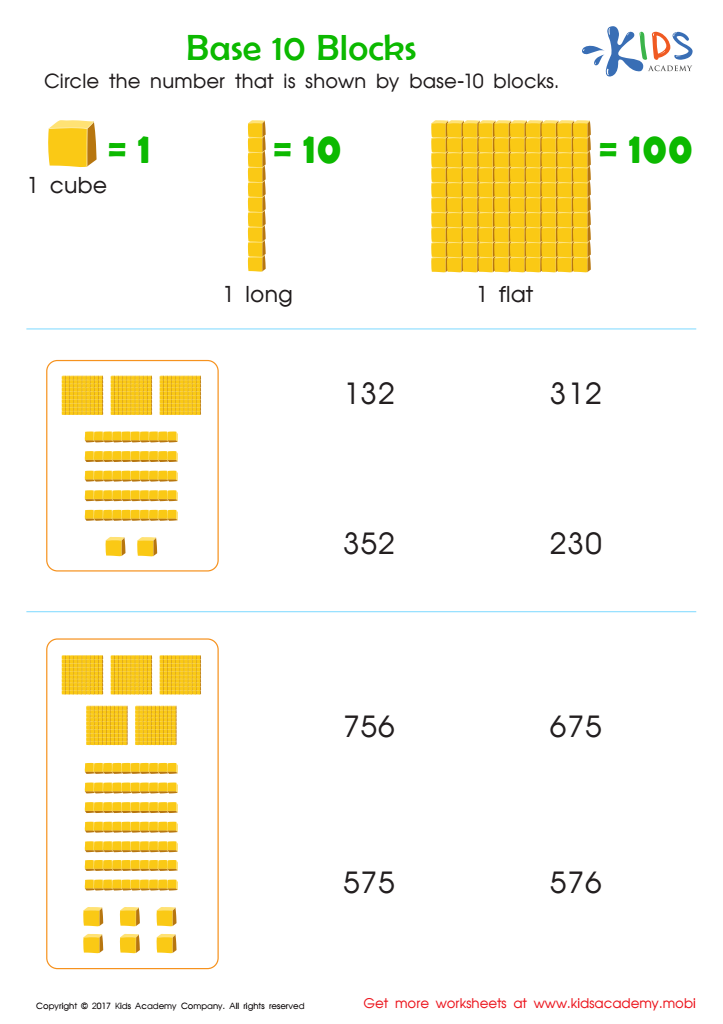
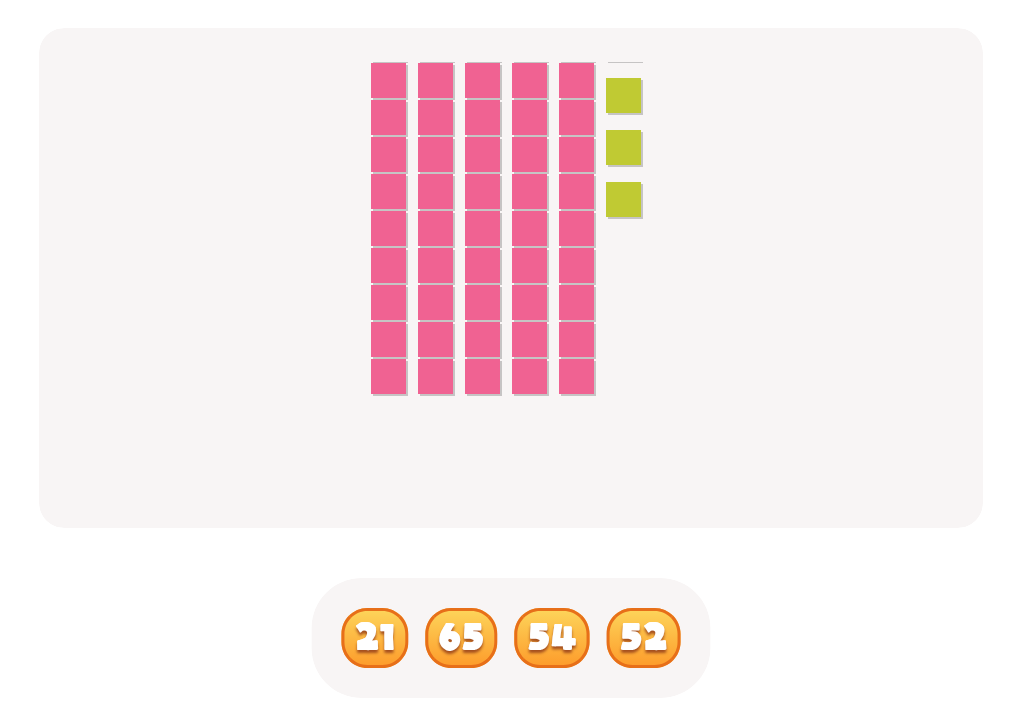
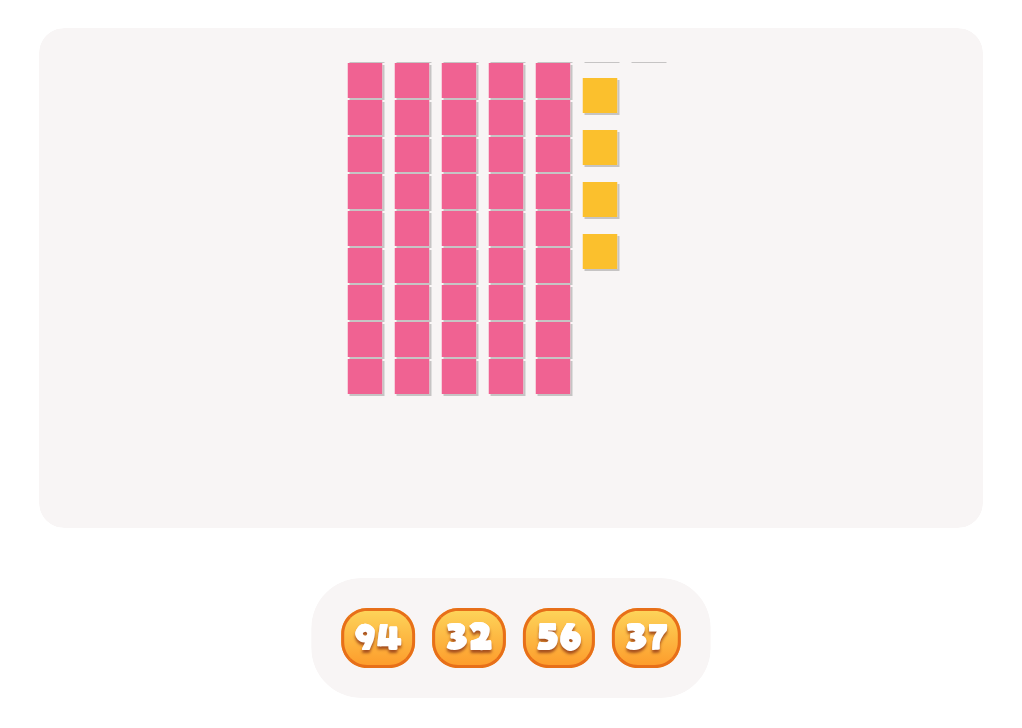
Base Ten Blocks Worksheet
 Assign to My Students
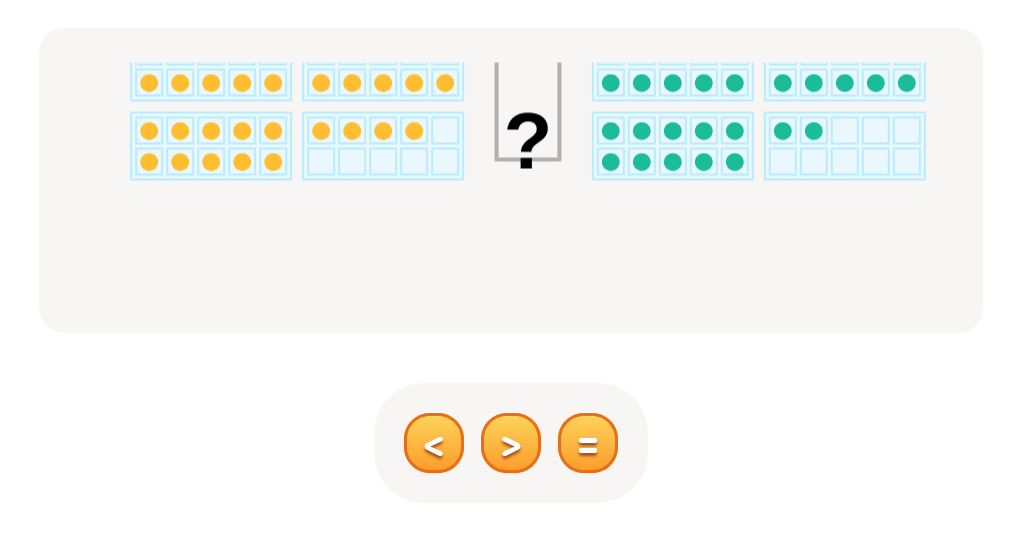

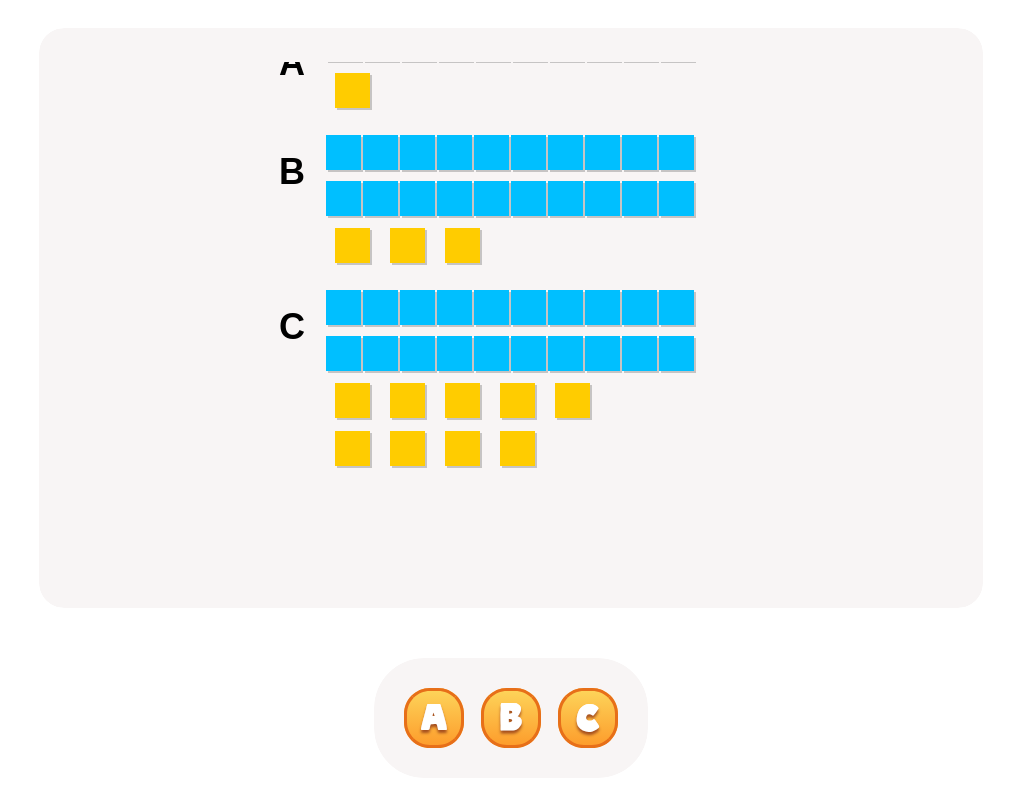
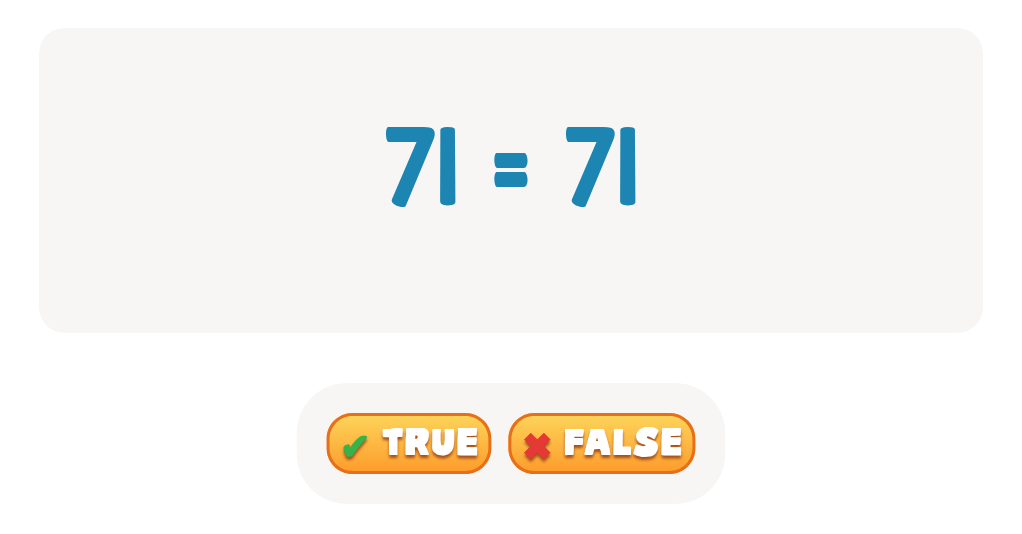
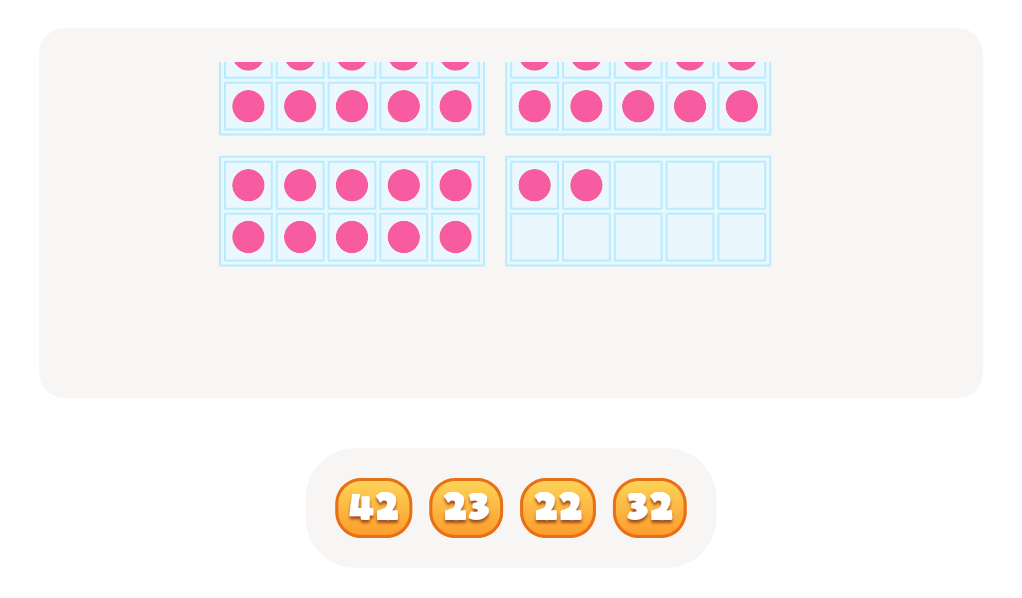
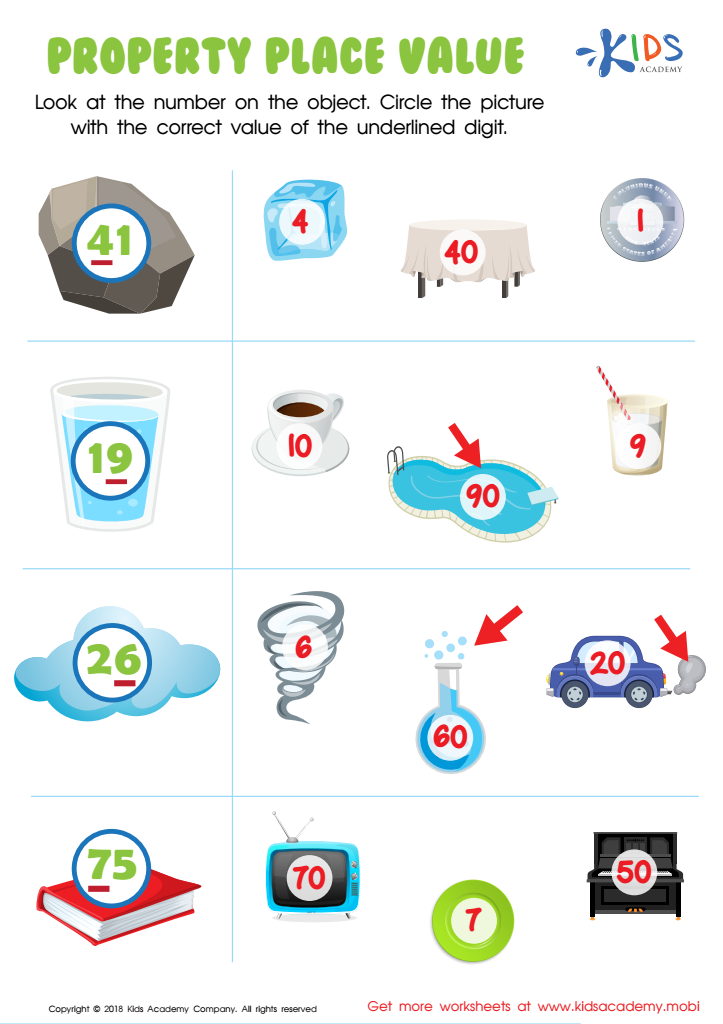
Property Place Value Worksheet
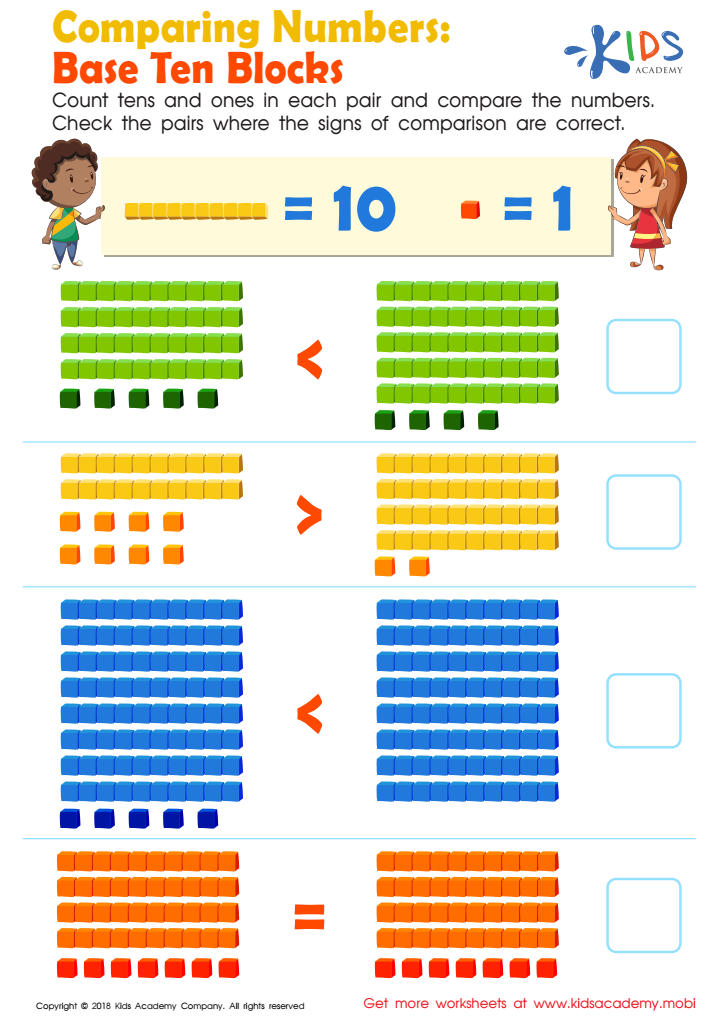
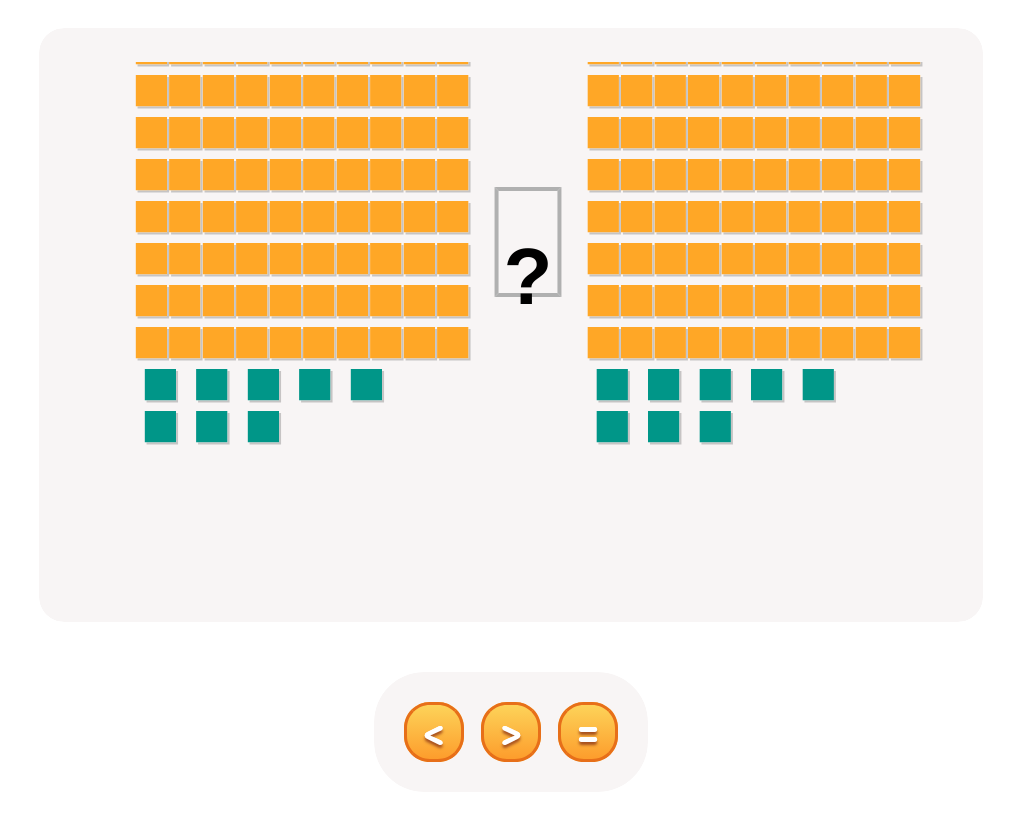
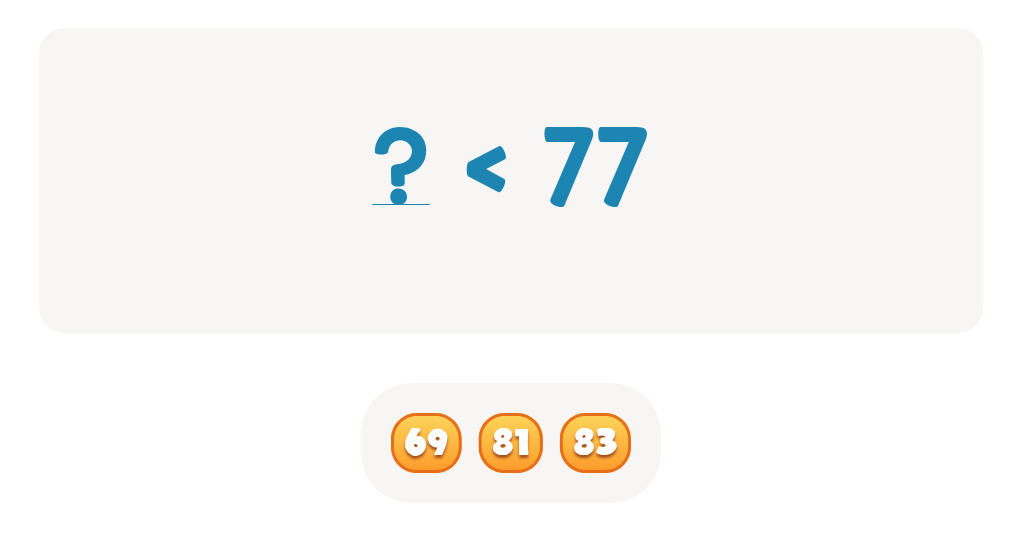
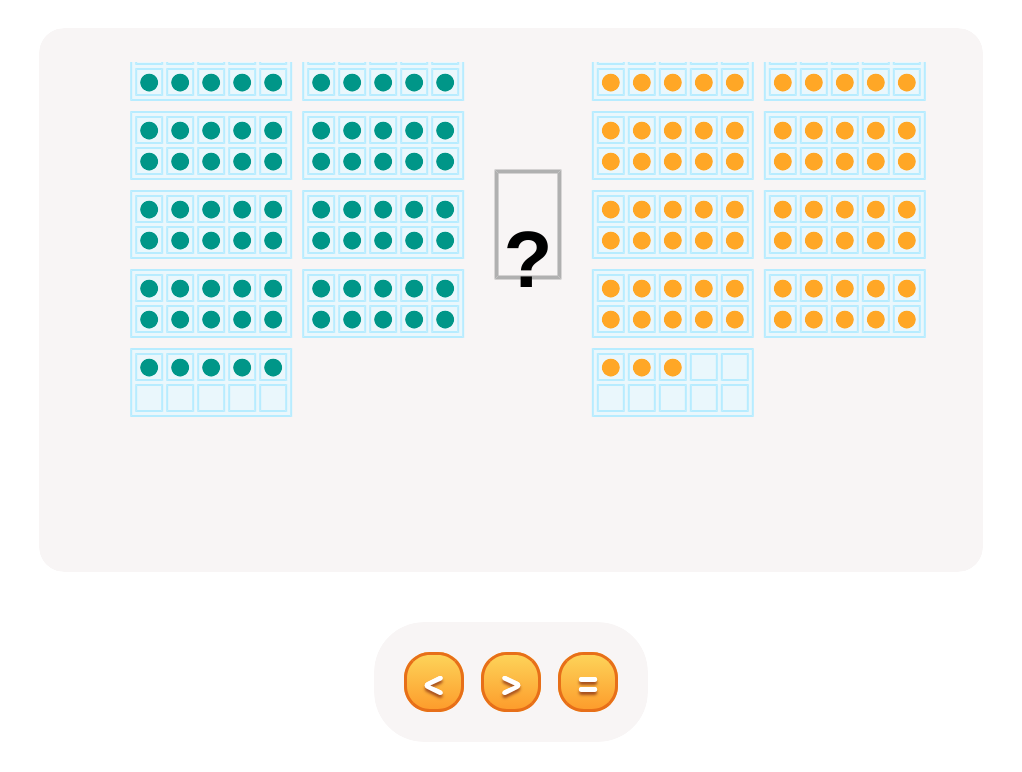
Comparing Numbers: Base Ten Blocks Worksheet
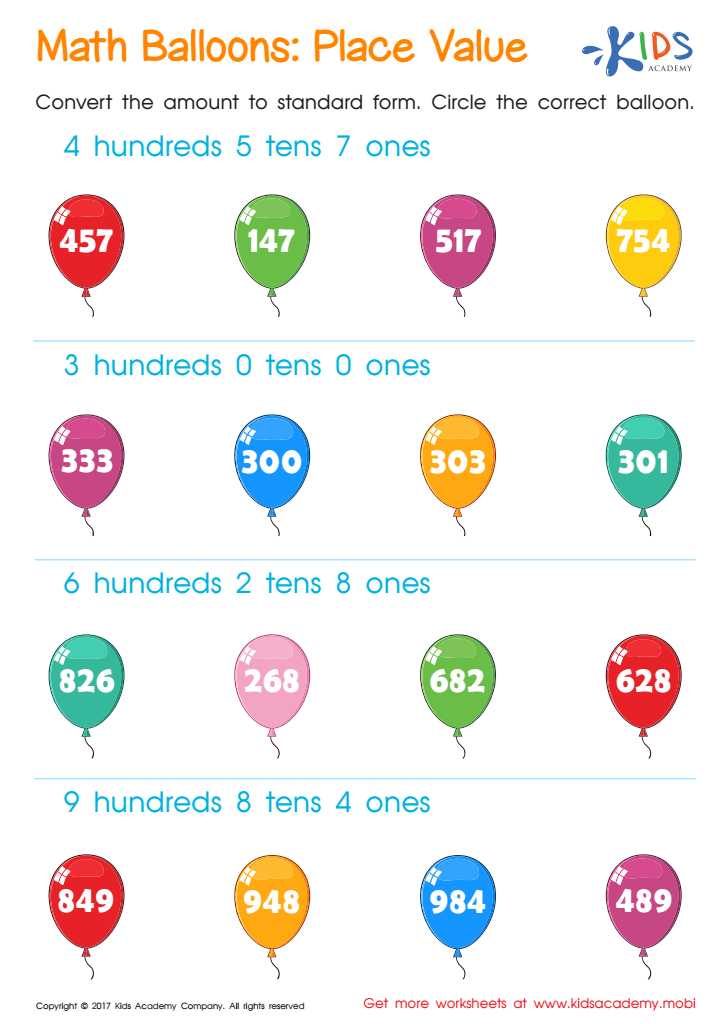
Place Value Printable Worksheet






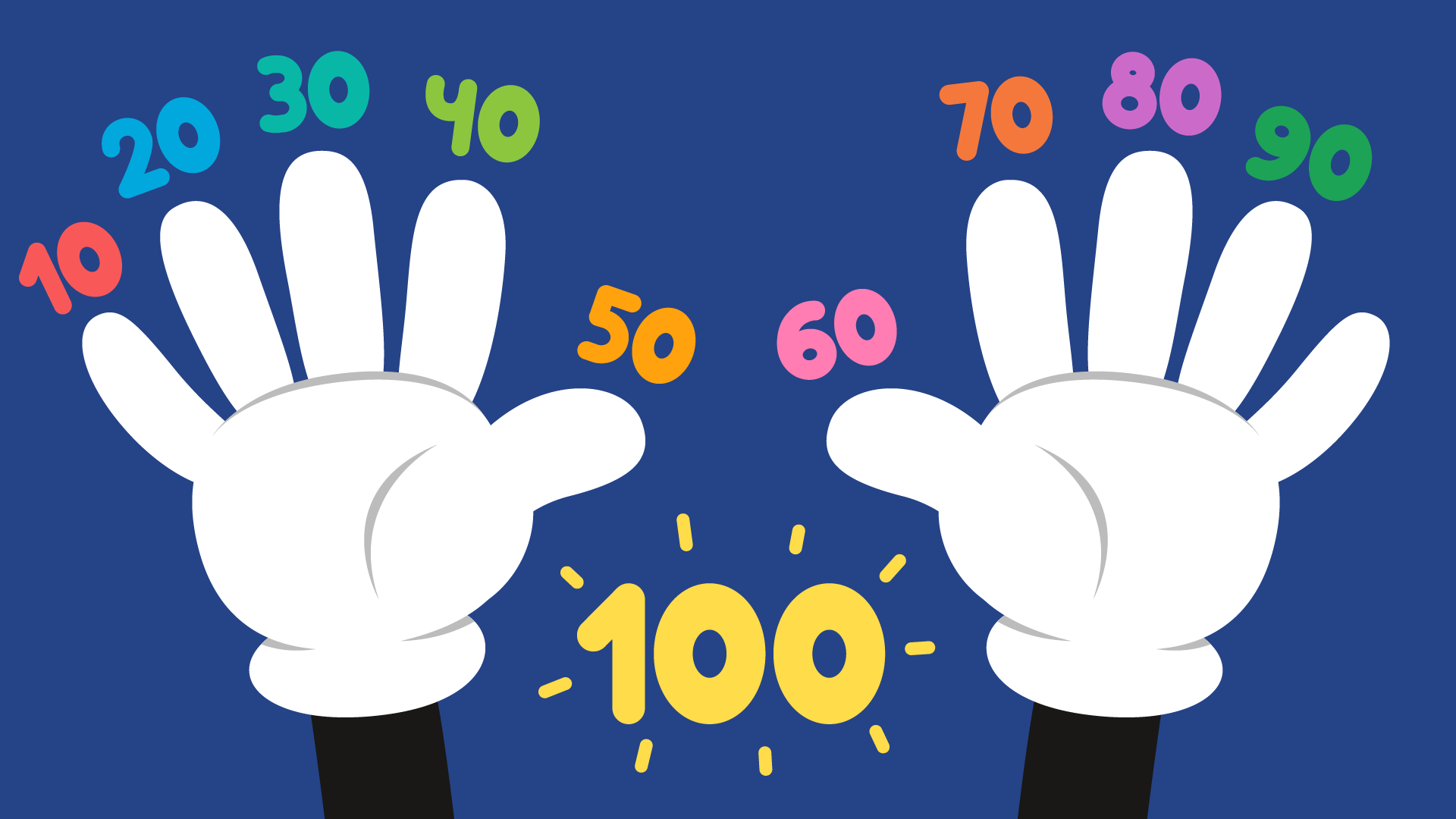

Developing math skills, particularly understanding place value, is crucial for children aged 4-7 because it serves as a foundation for their overall mathematical proficiency. Early comprehension of place value helps young learners grasp how numbers are structured and organized, fostering their ability to perform addition, subtraction, and eventually, multiplication and division. This foundational skill enhances their problem-solving capabilities, allowing them to tackle more complex mathematical concepts as they progress in school.
Moreover, engaging students with place value lays the groundwork for logical thinking and reasoning. It encourages them to make connections between numbers, which fosters critical thinking. For parents and teachers, supporting this development is essential not only for academic success but also for boosting children’s confidence in their mathematical abilities. When children understand that numbers have value based on their position, they become more equipped to analyze and interpret data in various contexts, including real-life situations.
Additionally, strong early math skills correlate highly with future academic performance, potentially impacting lifelong learning and career opportunities. Therefore, prioritizing place value teaching ensures that children are well-prepared not just for upcoming math challenges, but also for a future that increasingly relies on numeracy and logical reasoning across disciplines.