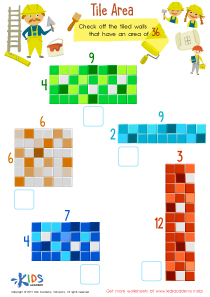
Critical Thinking Normal Sorting Worksheets for Ages 4-7
3 filtered results
-
From - To
Develop essential critical thinking skills in young learners with our engaging Normal Sorting Worksheets for ages 4-7. Designed by educational experts, these fun and interactive worksheets help children grasp classification, categorization, and pattern recognition. Each page features age-appropriate activities that challenge their thinking, encouraging logical reasoning and problem-solving. Ideal for both classroom and home use, these worksheets make learning enjoyable while building a strong foundation for future math success. Keep your little ones excited about learning and watch as their confidence and abilities soar with these specially crafted sorting exercises from Kids Academy!
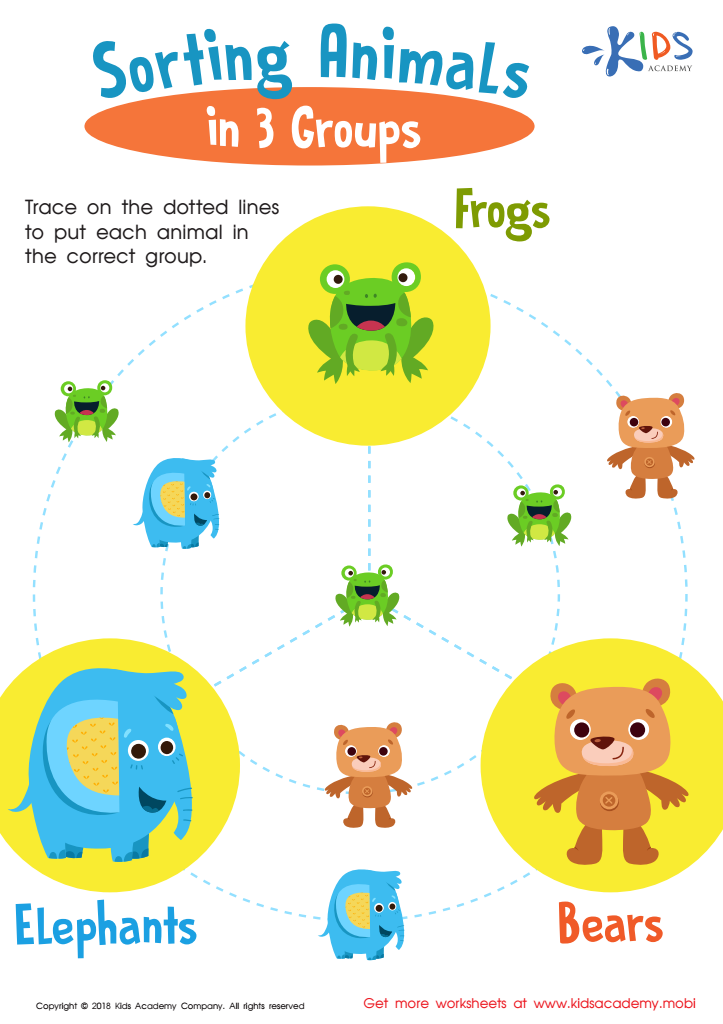
Sorting Animals in 3 Groups Worksheet
 Assign to My Students
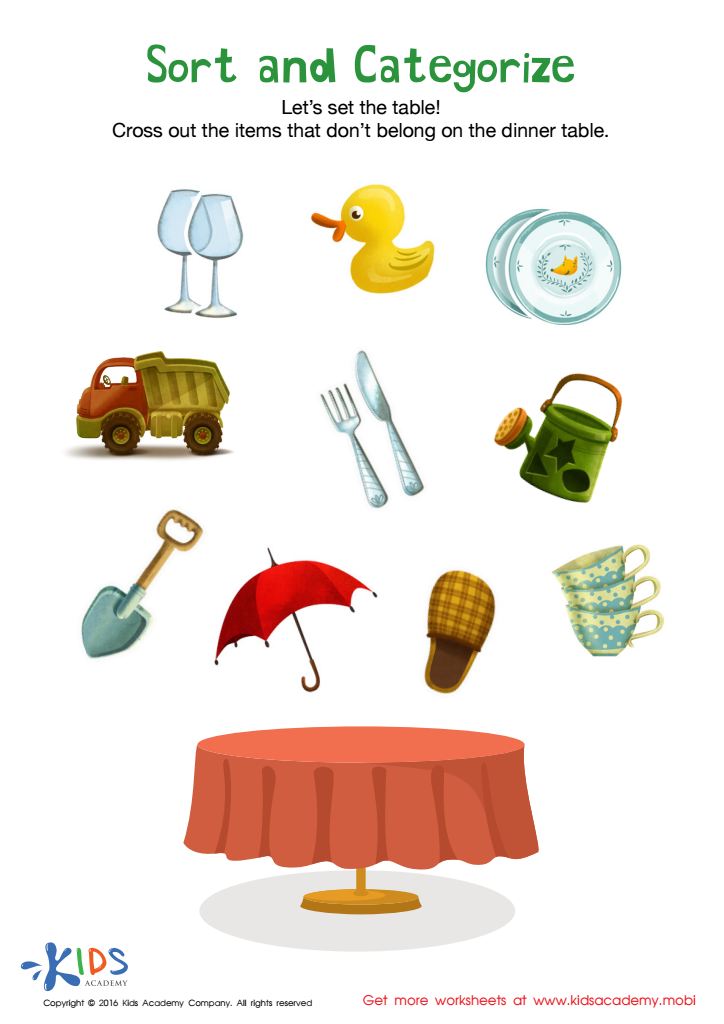
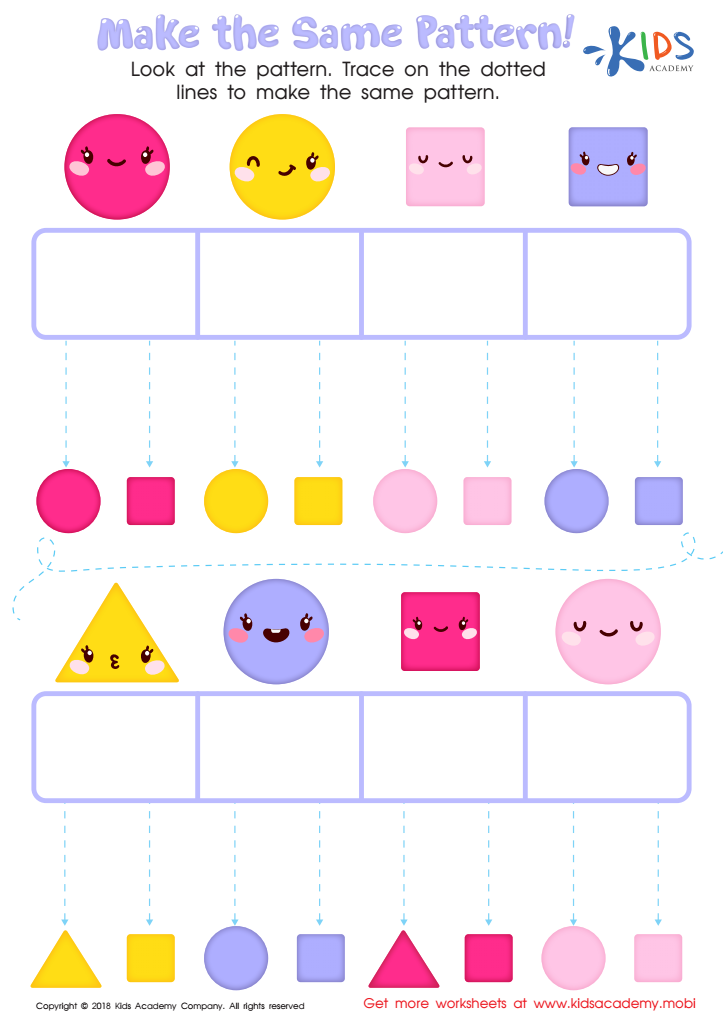
Make the Same Pattern Worksheet








Critical Thinking Normal Sorting is a crucial activity for young children aged 4-7 because it actively engages and develops their foundational cognitive skills. Parents and teachers should prioritize these exercises as they promote higher-order thinking and problem-solving abilities. At this formative age, children's brains are highly receptive to learning patterns, categorization, and logical associations, which are essential for intellectual growth.
When children practice sorting objects, they learn to identify similarities and differences, organizing items based on size, shape, color, or other attributes. This elementary classification sharpens visual and auditory discrimination, laying the groundwork for more complex mathematical and scientific reasoning.
Moreover, Critical Thinking Normal Sorting encourages patience, attention to detail, and perseverance, as children often need to experiment with different categorizations before achieving correct sorting. These tasks also teach kids to follow instructions and improve their verbal and non-verbal communication skills when explaining their sorting rationale.
Additionally, sorting activities often incorporate play, making learning enjoyable and engaging. This positive association with learning tasks can lead to an intrinsic motivation to explore and understand the world better. By fostering critical thinking skills early on, parents and teachers help children develop the agile and analytical mindsets necessary for future academic and life successes.